
In the high-stakes world of elite performance, the difference between a master and an amateur often comes down to a single, measurable variable: the feedback loop. Whether in a professional kitchen, a corporate boardroom, or a world-class training facility, the ability to quantify progress in real-time is the engine of improvement.
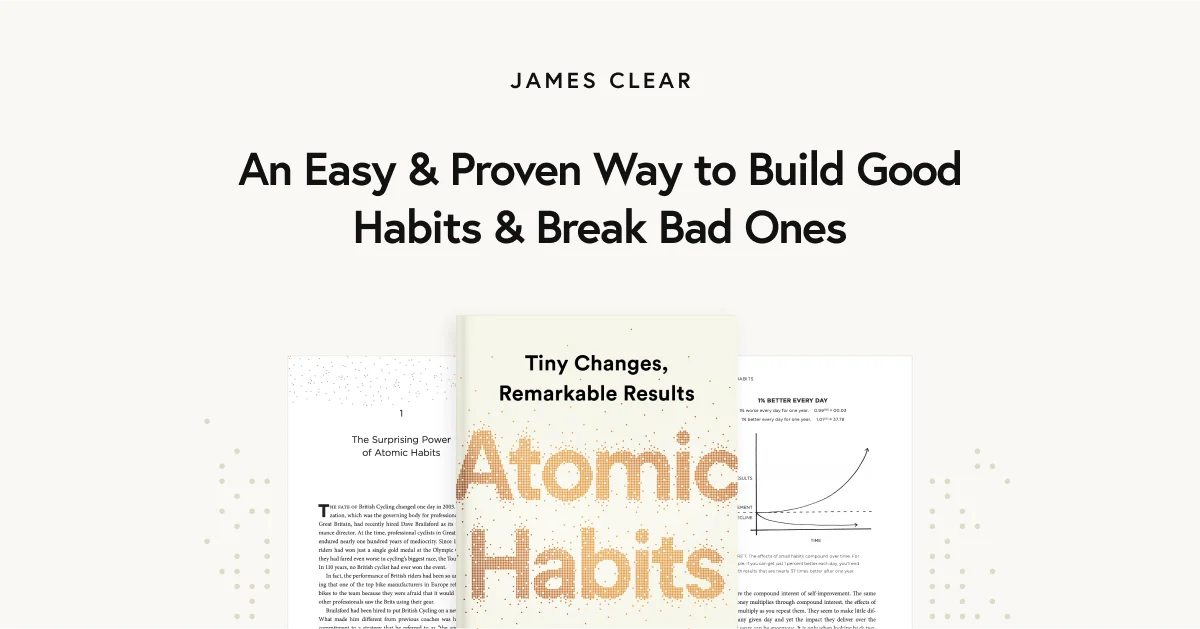
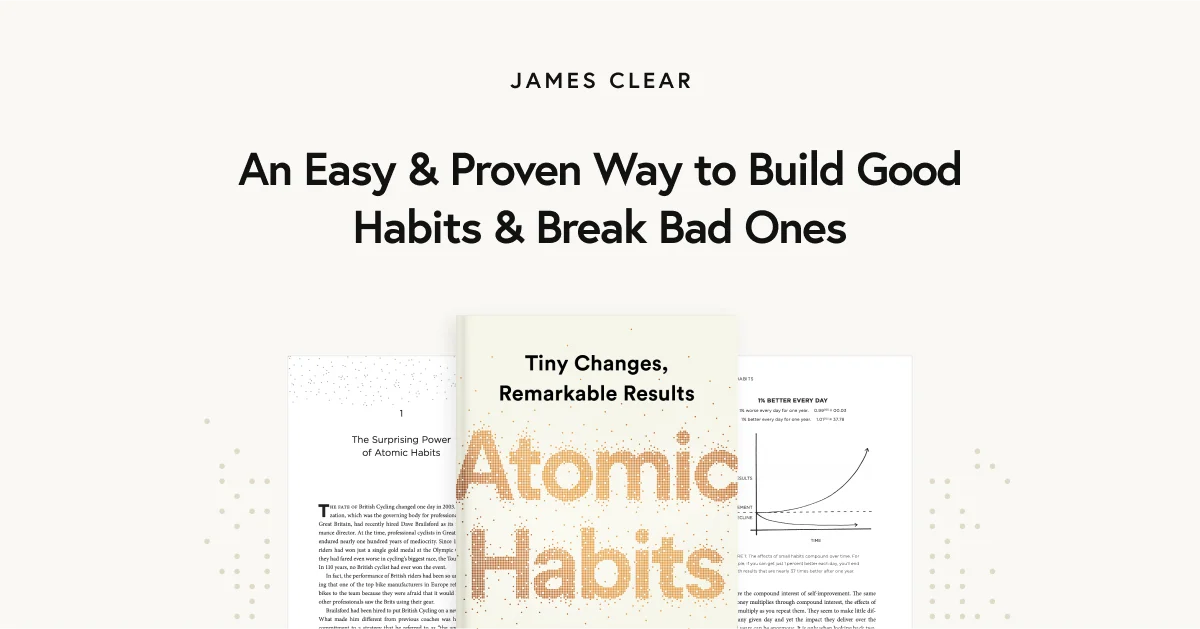
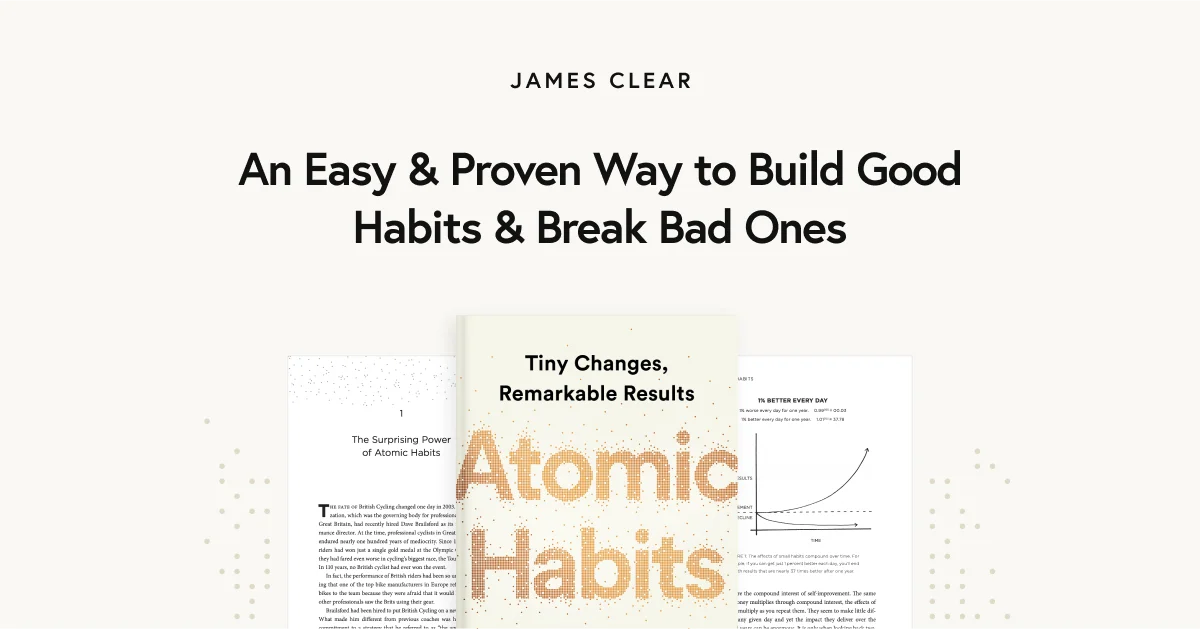
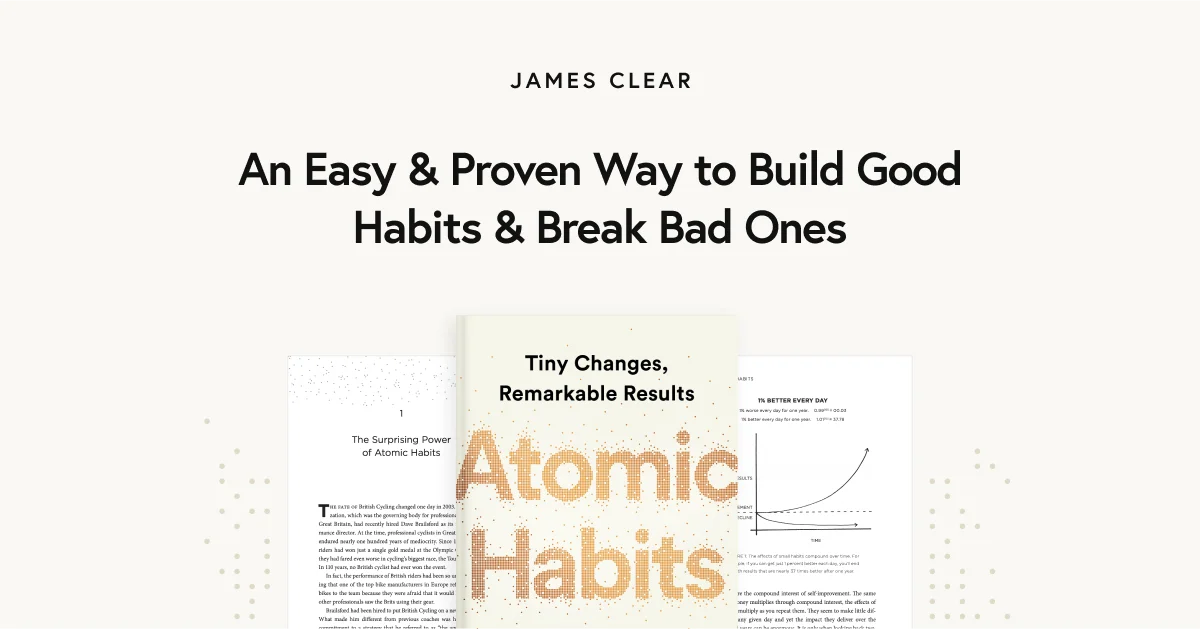
In his seminal work, Atomic Habits, author and productivity expert James Clear argues that the most effective tool for sustaining long-term behavior change is the humble habit tracker. While the concept may seem rudimentary—marking an "X" on a calendar—the psychological implications are profound. By providing immediate evidence of progress, habit tracking solves one of the most difficult challenges in human psychology: the delay between action and reward.
Main Facts: The Mechanics of the Habit Tracker
A habit tracker is, at its core, a method of measuring whether a specific behavior was performed. It transforms an abstract intention into a concrete, visual record. The most common format is a simple grid or calendar where each day of successful execution is marked with a checkmark, a dot, or a shaded cell.
The primary function of this tool is to provide "immediate feedback." In many areas of life, the rewards of good habits are significantly delayed. A single workout does not result in a transformed physique; a single session of meditation does not cure chronic anxiety. This "delayed return environment" often leads to abandonment of the habit before the results can manifest.
Clear highlights the work of New York City chef Gabrielle Hamilton to illustrate this point. Hamilton notes that professional chefs taste everything—from grains of salt to shots of olive oil—before committing ingredients to a dish. This constant, immediate feedback allows for micro-adjustments that ensure the final product is perfect. Habit tracking serves as the "tasting" phase for personal development, allowing individuals to see if they are on the right trajectory even when the "final dish" (the long-term goal) is still weeks or months away.
The Three Pillars of Tracking Effectiveness
According to Clear, habit tracking is powerful because it addresses three critical psychological needs:
- Visual Cues: It creates a series of reminders to act, building an environment that encourages the habit.
- Progressive Motivation: It leverages the "Progress Principle," which states that the most effective form of motivation is the signal that one is moving forward.
- Immediate Gratification: It provides a small, instant "win" (the act of crossing off a box) that satisfies the brain’s craving for reward.
Chronology: The Lifecycle of a Habit
The journey of habit formation is not a sprint, but a marathon with distinct phases. Understanding this timeline is essential for anyone utilizing a tracker.
Phase 1: The Two-Minute Initiation
The earliest stage of any habit is the most fragile. To combat the friction of starting, Clear proposes the "Two-Minute Rule": scaling down a new habit until it takes two minutes or less to perform. In this phase, the habit tracker isn’t measuring the intensity of the work, but the consistency of showing up. For example, "reading one page" or "putting on running shoes" becomes the trackable metric.
Phase 2: The Streak and the "Plateau of Latent Potential"
As the tracker fills up, a "streak" is born. This is where the psychology of loss aversion kicks in; the individual becomes motivated not just by the habit itself, but by the desire "not to break the chain." During this middle period, people often encounter what Clear calls the "Plateau of Latent Potential," where they are putting in the work but have yet to see breakthrough results. The habit tracker serves as the primary source of motivation during this "valley of disappointment."
Phase 3: Identity-Based Habitualization
Eventually, the behavior moves from something one does to something one is. The tracker begins to reflect an identity. You are no longer "trying to work out"; you are "a person who doesn’t miss workouts." At this stage, tracking may become less necessary for established habits and more useful for "habits of avoidance"—tracking things you want to stop doing, such as "no caffeine after 2 PM" or "no social media before breakfast."
Phase 4: The "Forever" Maintenance
Clear asserts that the question "How long does it take to build a habit?" is fundamentally flawed. If a behavior is to be a habit, it must be maintained indefinitely. The tracker, therefore, becomes a lifelong tool for recalibration, helping the individual return to their baseline after life’s inevitable disruptions.
Supporting Data: The Science of Measurement
The efficacy of habit tracking is supported by a wealth of behavioral science research. One of the most cited studies in this field, involving more than 1,600 participants, found that those who kept a daily food log lost twice as much weight as those who did not. The act of recording the behavior forced an awareness that prevented mindless eating.

The 66-Day Myth vs. Reality
While popular media often cites "21 days" or "66 days" as the time required to form a habit, data from University College London suggests the range is actually between 18 and 254 days. This variance depends heavily on the complexity of the habit and the individual’s environment. This data underscores why a tracker is vital; since the "finish line" is unpredictable and often far off, the visual record provides the necessary stamina to reach the point of automaticity.
The Power of Visual Feedback
Measurement overcomes what psychologists call "self-serving bias." Most people believe they act more virtuously than they actually do. Data from habit trackers provides an objective "truth" that overcomes this blindness. When the evidence is presented visually, the brain’s reward system (the dopaminergic pathway) is triggered by the completion of the task, creating a positive feedback loop that reinforces the behavior.
Official Responses and Expert Perspectives
While James Clear is a leading voice on the subject, the principles of habit tracking align with broader expert consensus in the field of behavioral economics and psychology.
The "Never Miss Twice" Rule
Clear advocates for a pragmatic approach to failure. "Perfection is not possible," he notes. The danger is not the first mistake, but the "spiral of repeated mistakes." His "Never Miss Twice" rule suggests that missing one day is an accident, but missing two is the start of a new, negative habit. This perspective is echoed by many performance coaches who emphasize "resilience over perfection."
The Chef’s Perspective
Gabrielle Hamilton’s insight into professional excellence highlights that elite performance is the result of thousands of tiny, tracked adjustments. "We taste the lamb, the fish, the butter, the milk before we use it," she explained to the New York Times. This level of obsession with "process over outcome" is what separates the professional from the amateur.
The Role of "Habit Stacking"
Experts also point to the importance of the "cue." Clear suggests a formula: "After [Current Habit], I will [Track My Habit]." This utilizes the brain’s existing neural circuitry to anchor the new behavior of tracking itself. For instance, "After I finish my last set at the gym, I will mark it in my workout log."
Implications: Tracking in the Modern Age
The implications of habit tracking extend far beyond personal fitness or productivity; they touch upon how we construct our identities and navigate a world of constant distraction.
Overcoming the "All-or-Nothing" Cycle
One of the most significant implications of habit tracking is its ability to break the "all-or-nothing" mentality. By focusing on "not breaking the streak," individuals learn that a "bad" workout is still infinitely better than no workout. This shifts the focus from the quality of a single performance to the quantity of appearances, which is the true driver of long-term change.
Analog vs. Digital
In an era of sophisticated apps, Clear remains a proponent of simple, often analog, tracking methods like the Clear Habit Journal. The physical act of crossing off a box provides a tactile satisfaction that digital notifications often lack. Furthermore, a physical tracker placed in a prominent location (like a desk or a fridge) acts as a persistent visual cue that an app hidden behind a smartphone screen cannot replicate.
The Future of Personal Development
As we move toward a more data-driven society, the ability to self-quantify will become a core competency. However, the lesson from Atomic Habits is that the data is only as good as the behavior it encourages. Habit tracking is not about the data itself, but about the "immediate satisfaction" and the "visual proof" of hard work.
In conclusion, a habit tracker is more than just a piece of paper or a digital grid; it is a tool for self-honesty and a catalyst for motivation. By bridging the gap between the effort of today and the results of tomorrow, it allows individuals to navigate the long, often difficult road of behavior change with clarity and confidence. As Clear puts it, "A habit is a lifestyle to be lived, not a finish line to be crossed." Tracking ensures that the lifestyle remains on track, one "X" at a time.