WASHINGTON — In an era dominated by hyper-connected digital apps, automated notifications, and cloud-based scheduling ecosystems, a remarkably analog phenomenon continues to capture the public imagination: the printable paper calendar. Industry insiders report that user demand for upcoming yearly planners is arriving earlier than ever, signaling a profound cultural craving for tangible organization tools amidst a backdrop of digital fatigue.
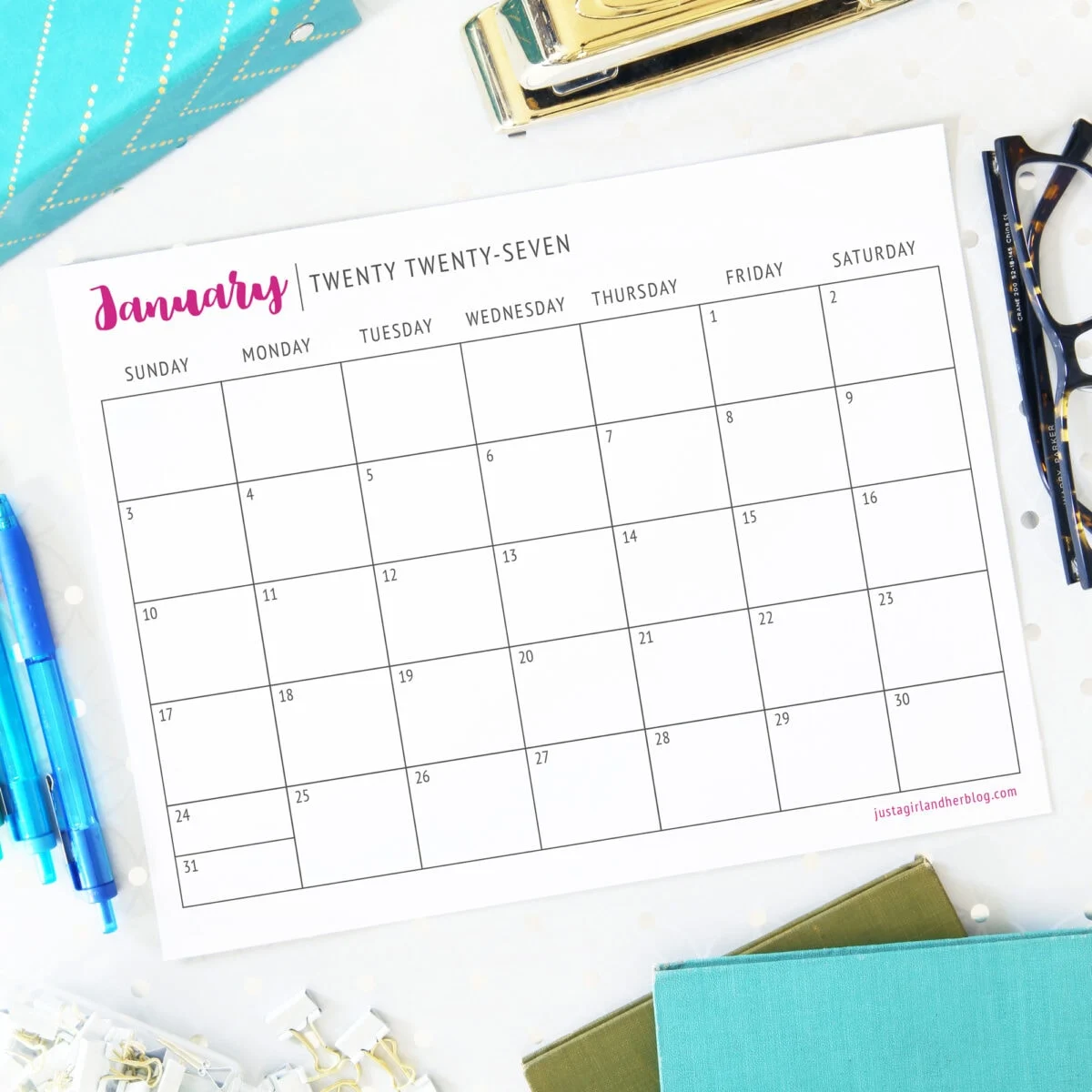
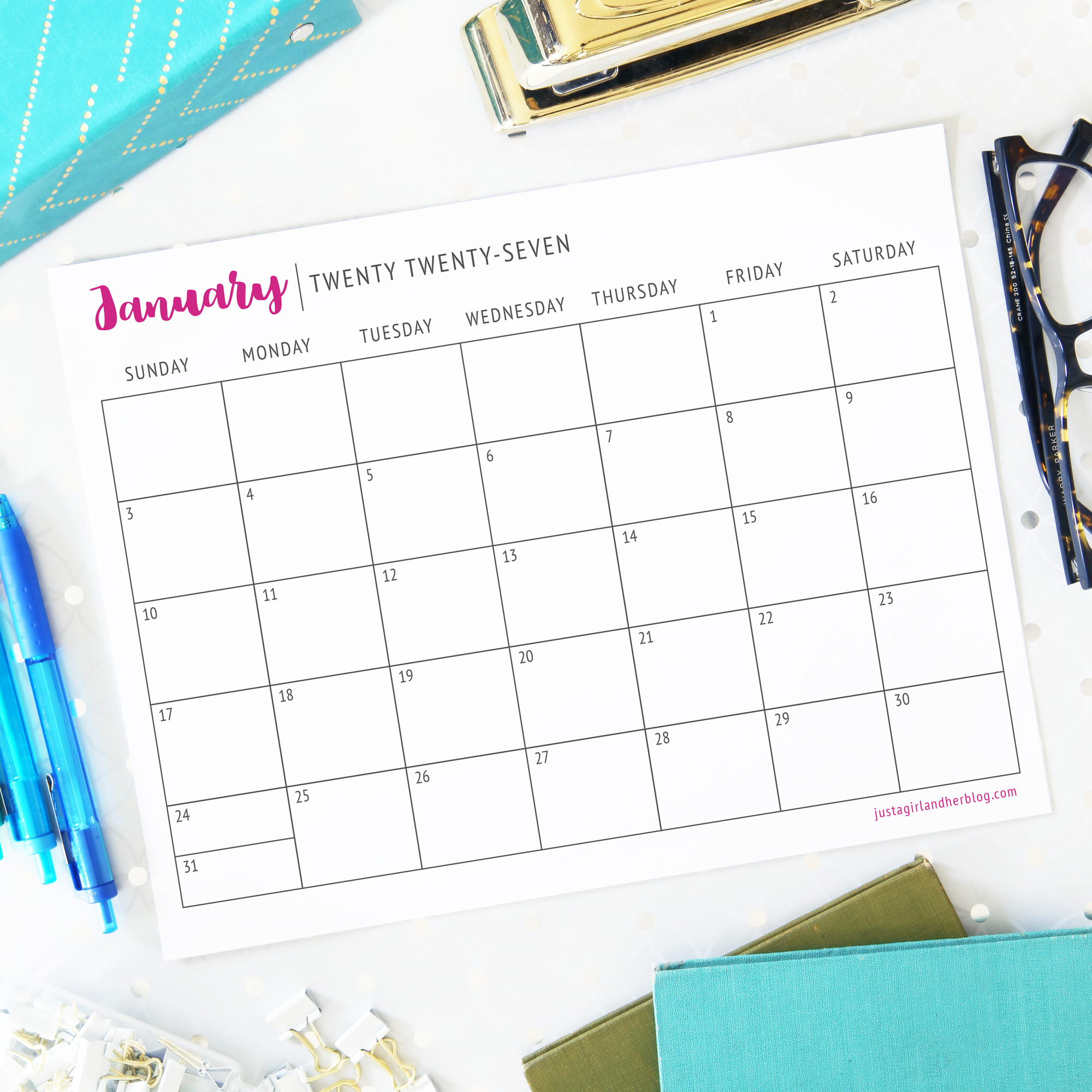
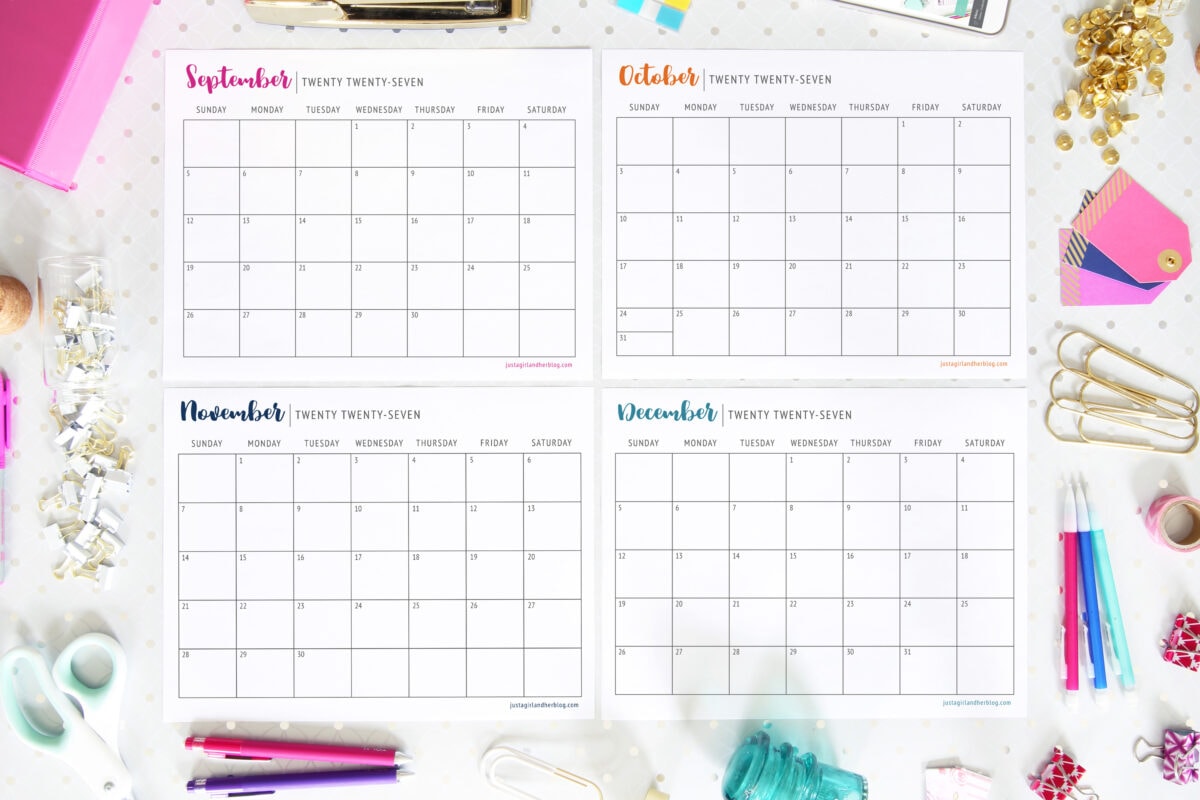
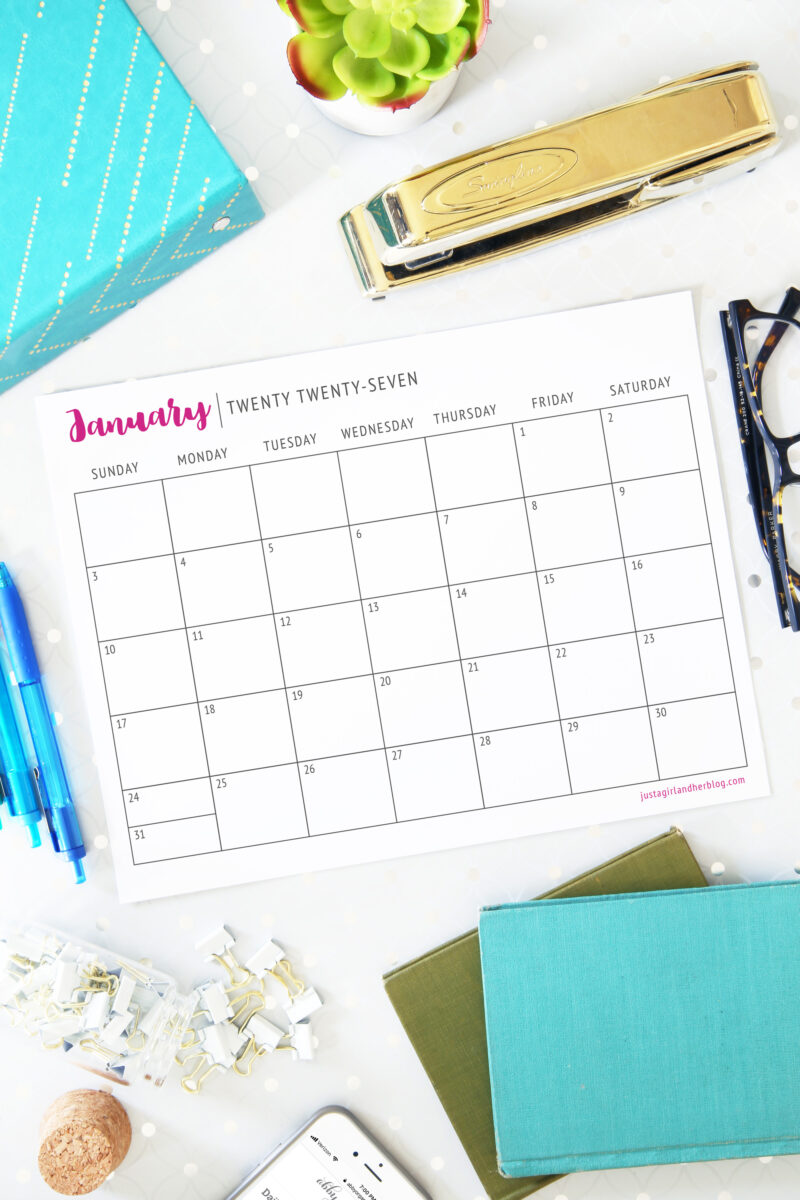
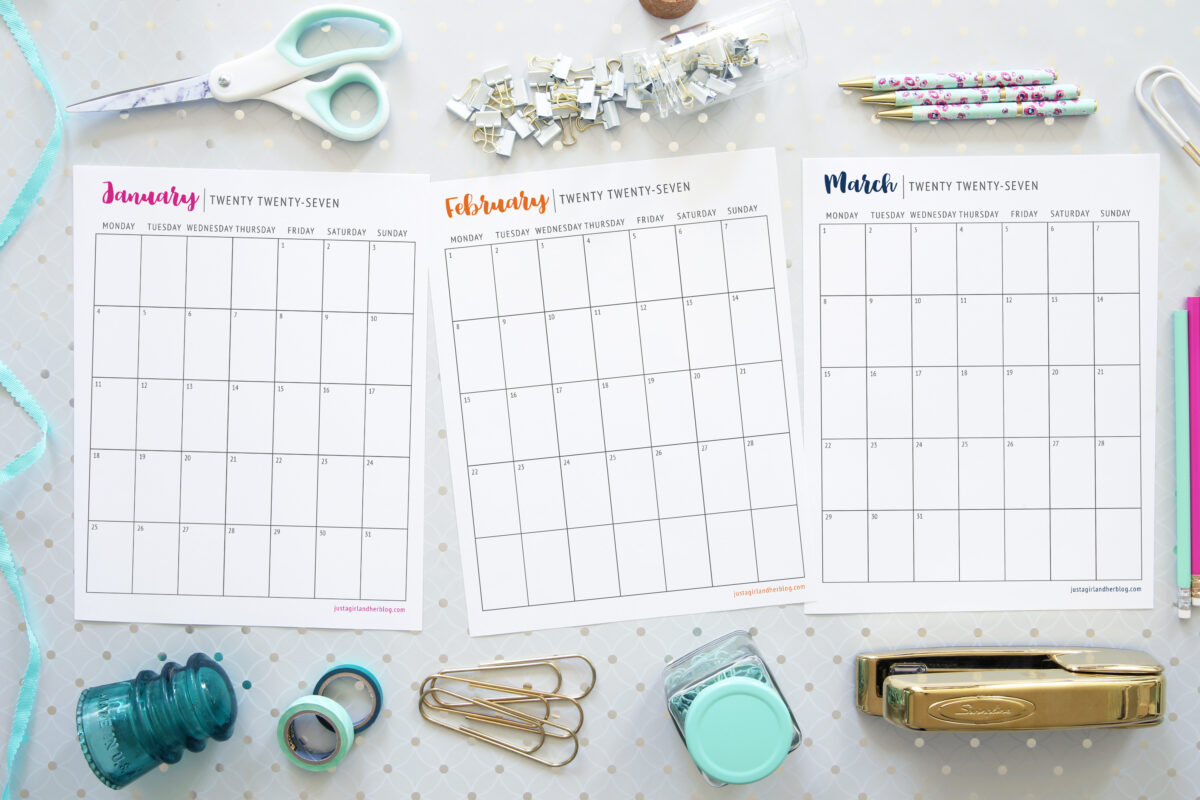
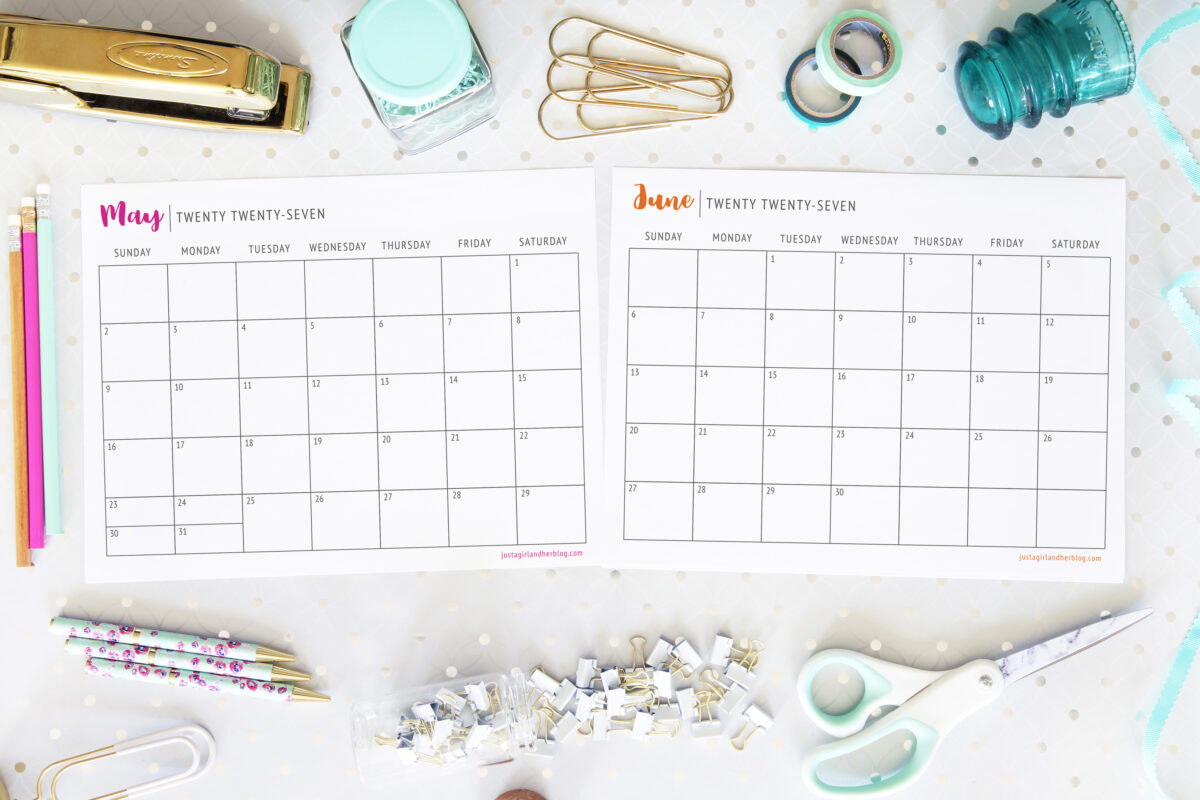
To meet this surging public demand, productivity platforms and lifestyle blogs have officially released their highly anticipated suites of physical planning layouts. Among the front-runners is the newly debuted Free Printable Calendar 2027, an expansive, customizable organizing system engineered to help individuals seamlessly map out their schedules, track personal goals, manage major events, and oversee complex multi-step projects.
Main Facts: The 2027 Printable Calendar Ecosystem
The newly launched 2027 collection is built on flexibility, accessibility, and minimalist aesthetic appeal. Designed for universal compatibility, the templates are optimized for standard 8.5” x 11” paper formats, making them effortless to print at home, in corporate offices, or at local print shops.
Target Audience: Busy professionals, remote workers, students, educators, and household managers seeking a visual, tactile method of time management.
Core Utilities: Daily schedule mapping, milestone and goal tracking, event coordination, fitness and habit monitoring, and meal planning.
Accessibility: Available entirely free of charge, shifting away from expensive commercial planner subscriptions toward democratized productivity tools.
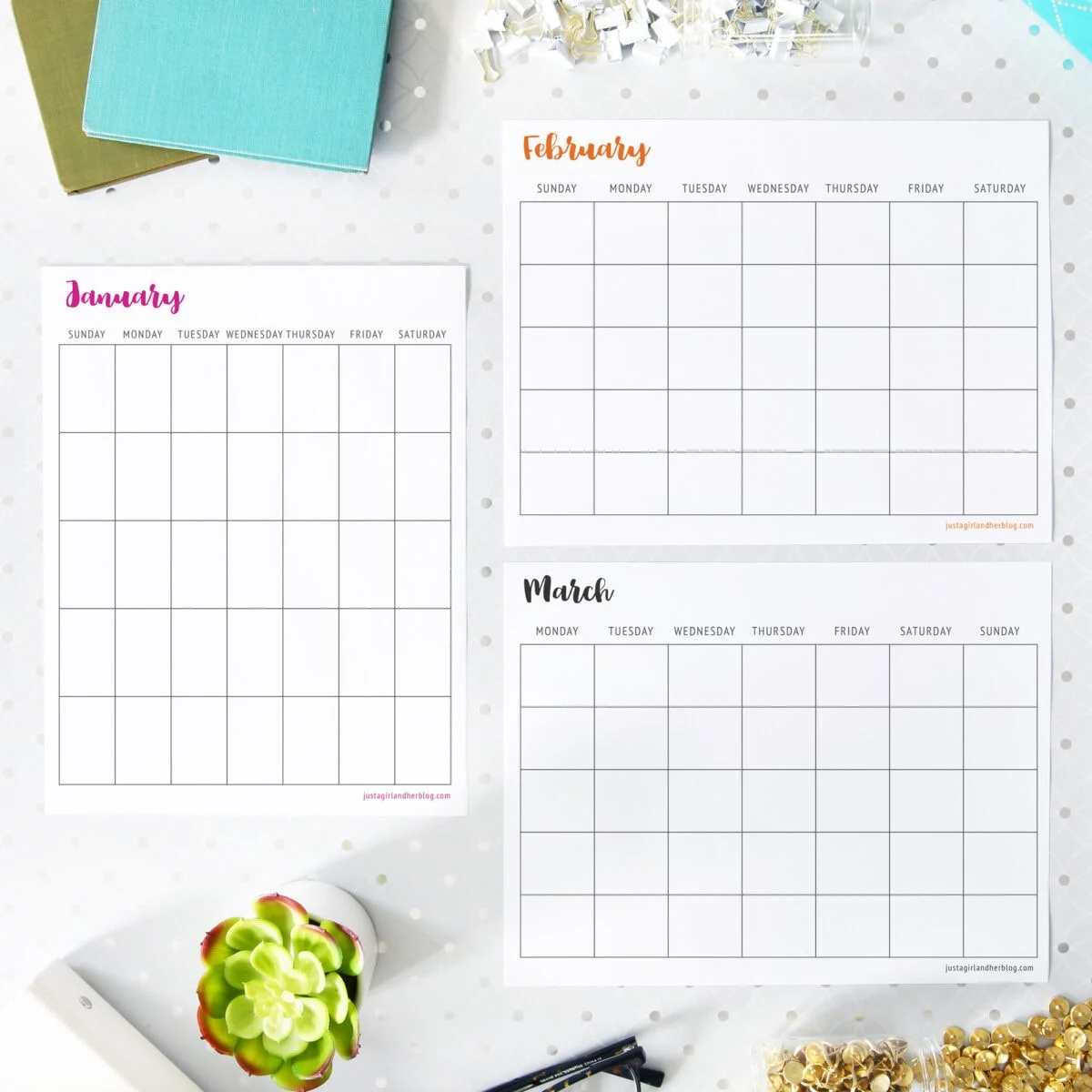
Format Variations: Features multiple layout designs including vertical and horizontal orientations, as well as monthly, quarterly, and specialized chronological trackers.
Chronology of a Growing Trend: From Bank Lobbies to Digital Blogs
The obsession with physical calendars is far from new, but its seasonal timeline has accelerated drastically over the past decade.
The Historical Precedent: Decades ago, physical calendars were seasonal commodities typically distributed by local institutions, such as community banks and credit unions, as holiday tokens of appreciation. Throughout the late 20th century, these paper giveaways sparked intense consumer interest. Anecdotal accounts from former financial institution workers reveal that clients would begin inquiring about the upcoming year’s supply as early as mid-summer, frequently attempting to hoard multiple copies to distribute among family members or coordinate across different workspaces.
The Digital Shift and Printable Revolution: With the advent of personal desktop printing and PDF-sharing platforms in the 2000s and 2010s, creators began designing bespoke, highly aesthetic monthly layouts. This allowed users to bypass rigid, store-bought planners in favor of customizable, home-printed pages.
The 2027 Launch Cycle: Driven by early consumer anticipation, inquiries for the 2027 calendar templates surfaced as early as April—shattering previous engagement records. Responding to this unprecedented demand, content creators officially fast-tracked the release of the complete 2027 collection, providing users with a multi-year head start on future planning.
Supporting Data: Why Paper Planners Persist in a Digital World
Market research within the organizational product sector consistently demonstrates that despite the ubiquity of smartphone calendars, physical planning tools maintain a fiercely loyal demographic.
Cognitive and Psychological Benefits
Neuroscientific and educational research indicates that writing tasks down by hand engages distinct cognitive pathways compared to typing on a keyboard or touchscreen. Hand-lettering events enhances memory retention, deepens spatial awareness of time, and reduces cognitive load by minimizing screen time exposure.
Consumer Adoption Metrics
Engagement Spikes: Content platforms specializing in home organization note traffic increases of up to 300% during calendar launch windows.
Versatility Statistics: User feedback indicates that while 85% of individuals utilize printable calendars for basic date-keeping, over 60% repurpose the grids for specialized tracking, including:
Academic semester milestones and thesis deadlines.
Small business inventory and marketing schedules.
Fitness routines, marathon training programs, and health check-ins.
Family chore charts and babysitting rosters.
Content creation calendars for bloggers, influencers, and digital marketers.
Official Responses and Expert Perspectives
Productivity experts and creators behind the 2027 calendar releases emphasize that the enduring appeal of paper planners lies in their simplicity and psychological grounding.
"Calendar people are my kind of people," shares Abby Lawson, creator of Just a Girl and Her Blog and designer of the 2027 templates. "Every year, the emails start earlier. When I worked in banking years ago, people would literally beg for next year’s calendars in the middle of summer. I completely understand it. Calendars have become one of our favorite organizing tools because they anchor us. Sometimes, the simplest tools are truly the best."
Behavioral psychologists note that physical planning creates a sensory experience that digital interfaces struggle to replicate. Crossing out a completed task or physically flipping a heavy cardstock page provides an immediate sense of accomplishment—a neurological reward loop that algorithmic reminders often fail to trigger.
Furthermore, designers have adapted to changing consumer needs by expanding formatting options. Recognizing that no two households or businesses operate identically, creators now offer varied structural options—ranging from clean, minimalist monthly grids to colorful, creative layouts that double as office decor.
Implications: The Future of Personal Organization
The early and enthusiastic rollout of the 2027 calendar carries several notable implications for the personal productivity and lifestyle sectors:
The Rise of "Hybrid" Productivity: Rather than choosing strictly between digital apps (such as Google Calendar or Outlook) and analog paper, modern consumers increasingly rely on a hybrid approach. Digital tools manage real-time alerts and collaborative work meetings, while physical, printable calendars serve as overarching visual dashboards for long-term goals and family coordination.
Democratization of Design: The availability of high-end, professionally designed printables at zero cost empowers budget-conscious consumers to maintain organized, aesthetically pleasing workspaces without investing in expensive, branded planner books.
Mindfulness and Digital Detox: As public discourse increasingly addresses the psychological toll of constant connectivity and "notification fatigue," tactile organizational methods are experiencing a renaissance as a form of mindful escapism. Plotting out a year on paper encourages intentionality, slowing down the frantic pace of modern life to focus on what truly matters.
Accessing the 2027 Collection
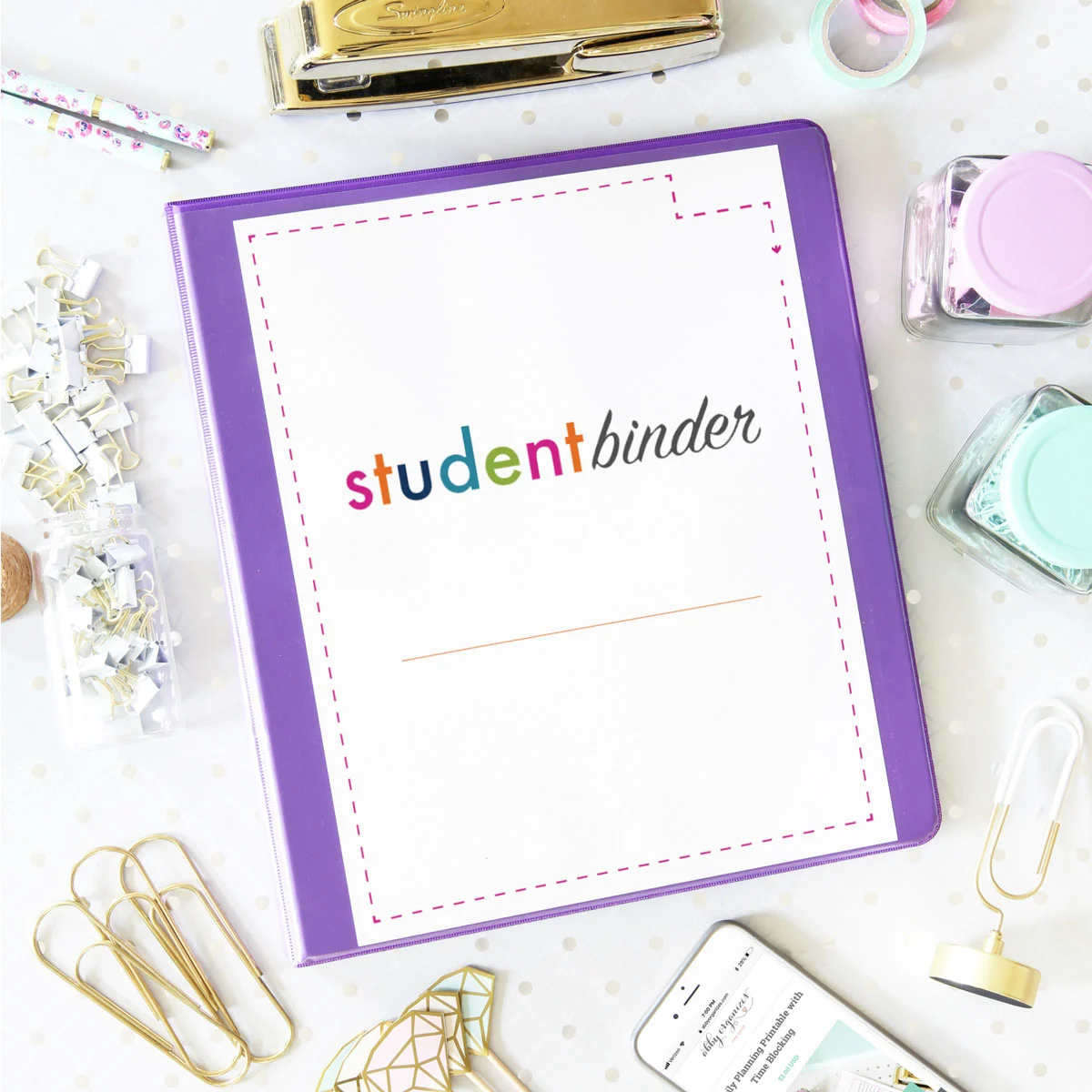
The Free Printable Calendar 2027 collection is currently available for download across various lifestyle and organizational platforms. Designed to fit standard printer setups, users can easily assemble their personalized binders, pin pages to refrigerators, or display them prominently on home office desks.
Note: All distributed printables remain subject to standard copyright protections, intended exclusively for personal, non-commercial use.