Despite a marginal decline in global hunger rates, the fight against food insecurity remains a tale of two worlds. According to the 2025 State of Food Security and Nutrition in the World (SOFI) report—a comprehensive analysis published by five specialized United Nations agencies—the global community is witnessing a stuttering recovery from the dual shocks of pandemic-era policy responses and geopolitical instability. While millions have been lifted from the precipice of starvation, the data reveals a deepening crisis in Africa and western Asia, threatening to derail the global goal of "Zero Hunger" by 2030.
The Global Snapshot: A Marginal Improvement
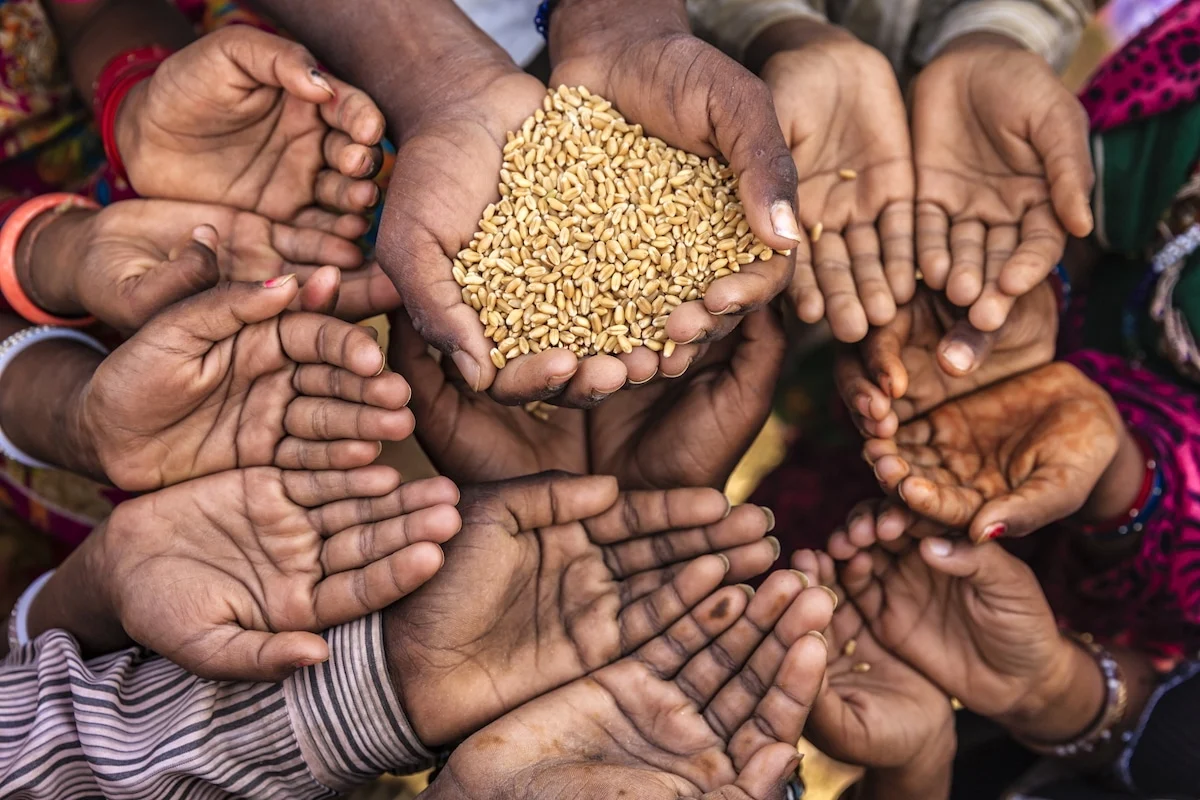
The latest data, released by the Food and Agriculture Organization (FAO), indicates that approximately 673 million people—roughly 8.2 percent of the global population—suffered from hunger in 2024. This represents a statistical improvement from the 8.7 percent recorded in 2022 and 8.5 percent in 2023. In absolute terms, the number of undernourished people has dropped by roughly 15 million since 2023 and 22 million since 2022.
Furthermore, the prevalence of "moderate or severe food insecurity"—defined as a lack of consistent access to adequate nutrition throughout the year—dipped to 28 percent, or 2.3 billion people. While these figures suggest a downward trajectory, the margin of improvement is razor-thin, and for the hundreds of millions still struggling to secure their next meal, the global "recovery" is largely invisible.
Chronology of Crisis: From Pandemic to Persistent Inflation
To understand the current state of food security, one must look back at the cascade of events that began in 2020. The disruption of global supply chains due to COVID-19, followed by the inflationary spikes of 2021 through 2023, created a "perfect storm" for food systems.
- 2020–2021: The onset of the pandemic saw a sharp spike in hunger as lockdowns halted production and trade. The global food price index began a steady climb, hitting low-income households the hardest.
- 2022: The outbreak of the war in Ukraine disrupted global grain and fertilizer exports, further exacerbating price inflation. In many low-income nations, the cost of a healthy diet skyrocketed.
- 2023: While global food price inflation began to moderate from its peak of 13.6 percent (global median) in early 2023, the cumulative effect of these years left a legacy of debt and weakened purchasing power in the developing world.
- 2024–2025: The current reporting period shows the beginning of a stabilization phase. However, the report highlights that for low-income nations, the "stabilization" has occurred at a much higher cost-of-living baseline than five years ago.
Supporting Data: The Widening Disparity
The SOFI 2025 report makes it clear that progress is not uniform. The data reveals a stark geographical divergence in how countries are coping with food accessibility.
The Asian and Latin American Turnaround
Asia, the world’s most populous continent, has seen a significant improvement in nutrition metrics. The proportion of undernourished individuals dropped to 6.7 percent in 2024, down from 7.9 percent in 2022. Similarly, Latin America and the Caribbean have made a robust recovery from the 2020 pandemic peak of 6.1 percent, bringing the undernourishment rate down to 5.1 percent, or approximately 34 million people.
The African and Western Asian Crisis
Conversely, the news from Africa and western Asia is grim. In Africa, the prevalence of hunger has surpassed 20 percent of the population, affecting 307 million people. Western Asia mirrors this distress, with an estimated 12.7 percent—or 39 million people—facing chronic hunger. The report warns that if current trends hold, 512 million people could face chronic undernourishment by 2030, with nearly 60 percent of that total residing in Africa.
The Affordability Gap
Perhaps the most alarming statistic involves the ability to afford a healthy diet. In low-income countries, 544.7 million people—an staggering 72 percent of their total population—could not afford a nutritious diet in 2024. In contrast to 2019, where 464 million people in these regions faced such constraints, the trend is moving in the wrong direction, indicating that while food may be physically available in some markets, it remains financially out of reach for the most vulnerable.
Official Responses and Strategic Imperatives
The leadership of the five UN agencies—FAO, the International Fund for Agricultural Development (IFAD), the World Food Programme (WFP), UNICEF, and the World Health Organization (WHO)—have issued a unified call for structural reform.

FAO Director-General QU Dongyu emphasized that while global hunger is declining, "progress is uneven." He stressed the need for "innovative, collaborative efforts" that target the specific, localized challenges of vulnerable regions rather than relying on broad, top-down policies.
IFAD President Alvaro Lario highlighted the necessity of rural transformation. "In times of rising food prices and disrupted global value chains, we must step up our investments in rural and agricultural transformation," Lario stated. He argued that these investments are not merely humanitarian but are essential for long-term global security and stability.
WHO Director-General Dr. Tedros Adhanom Ghebreyesus shifted the focus to the long-term health consequences of the crisis. "The world has made good progress in reducing stunting and supporting exclusive breastfeeding, but there is still much to be done to relieve millions of people from the burdens of food insecurity and malnutrition," he noted.
UNICEF Executive Director Catherine Russell provided the most poignant reminder of the human cost: "Over 190 million children under the age of 5 are affected by undernutrition. This robs them of the chance to live to their fullest potential."
Policy Solutions: A Roadmap for Resilience
The SOFI report does not just diagnose the problem; it outlines a multi-tiered policy approach to stabilize food security:
- Monetary Policy: Governments must implement transparent and credible monetary policies to contain inflationary pressures that disproportionately hit the price of basic staples.
- Targeted Fiscal Measures: The report advocates for time-bound, targeted social protection programs. These are intended to shield the most vulnerable households from sudden market shocks without distorting local agricultural markets.
- Agrifood Research and Development: Increased investment in agricultural R&D is essential to boost crop resilience against the backdrop of extreme weather events, which are becoming more frequent due to climate change.
- Infrastructure Investment: Strengthening transportation and production infrastructure is vital to reducing food waste and ensuring that produce can move efficiently from rural farms to urban markets.
- Educational Initiatives: Strengthening programs that teach parents about the nutritional value of locally produced foods—and the critical importance of breastfeeding—remains a cornerstone of public health strategy.
Implications: The High Stakes of 2030
The 2025 report serves as a sobering reality check for the United Nations’ Sustainable Development Goals (SDGs). With only five years left to meet the 2030 target of Zero Hunger, the current pace of improvement is insufficient to reach the most impoverished populations.
The consequences of inaction are profound. Beyond the immediate tragedy of child mortality and developmental stunting, food insecurity is a primary driver of migration, social unrest, and political instability. When large segments of a population are unable to afford the basic requirements of life, the social contract is severely strained.
As the global community reflects on these figures, the message from the UN agencies is clear: food is a fundamental human right, not a luxury commodity. The recovery observed in 2024 is a start, but without a massive, systemic commitment to rural development, targeted social protections, and climate-resilient agriculture, the promise of a world without hunger will remain an elusive ambition. The path forward requires a shift from emergency aid to long-term systemic investment, ensuring that the next generation of children—especially in Africa and western Asia—are not defined by the hunger they endured, but by the opportunities they were finally granted.