The human experience is defined by cycles—periods of growth and prosperity punctuated by seasons of contraction and challenge. In the modern era, few events have triggered a global "downcycle" as abruptly or as profoundly as the COVID-19 pandemic. As societies across the globe were thrust into unprecedented lockdowns and health crises, the collective psyche faced a singular, overwhelming question: How does one maintain stability when the ground beneath them shifts?
The answer lies not in the events themselves, but in the individual and collective response to them. As family therapist Virginia Satir once wisely observed, "Life is not the way it’s supposed to be; it’s the way it is. The way you cope is what makes the difference."
The Anatomy of the Crisis: Understanding the Downcycle
When the pandemic first emerged, it caught the world off guard. For most, the shift from a globalized, open society to one of isolation and fear felt like a sudden intrusion of chaos into a predictable existence. The psychological impact was immediate: widespread anxiety, a sense of helplessness, and a profound disruption of daily routines.
Historians and philosophers have long noted that such crises are inherent to the human condition. In Albert Camus’ seminal work The Plague, he writes: "Everybody knows that pestilences have a way of recurring in the world; yet somehow we find it hard to believe in ones that crash down on our heads from a blue sky." This historical perspective is vital; it reminds us that while our current circumstances are unique in their specific constraints, the experience of navigating through a "dark age" is a recurring motif in human history.

Practice Acceptance: The Tug-of-War Metaphor
The first step toward effective coping is the practice of radical acceptance. This does not imply resignation or approval of a difficult situation; rather, it is the cessation of a futile internal war against reality.
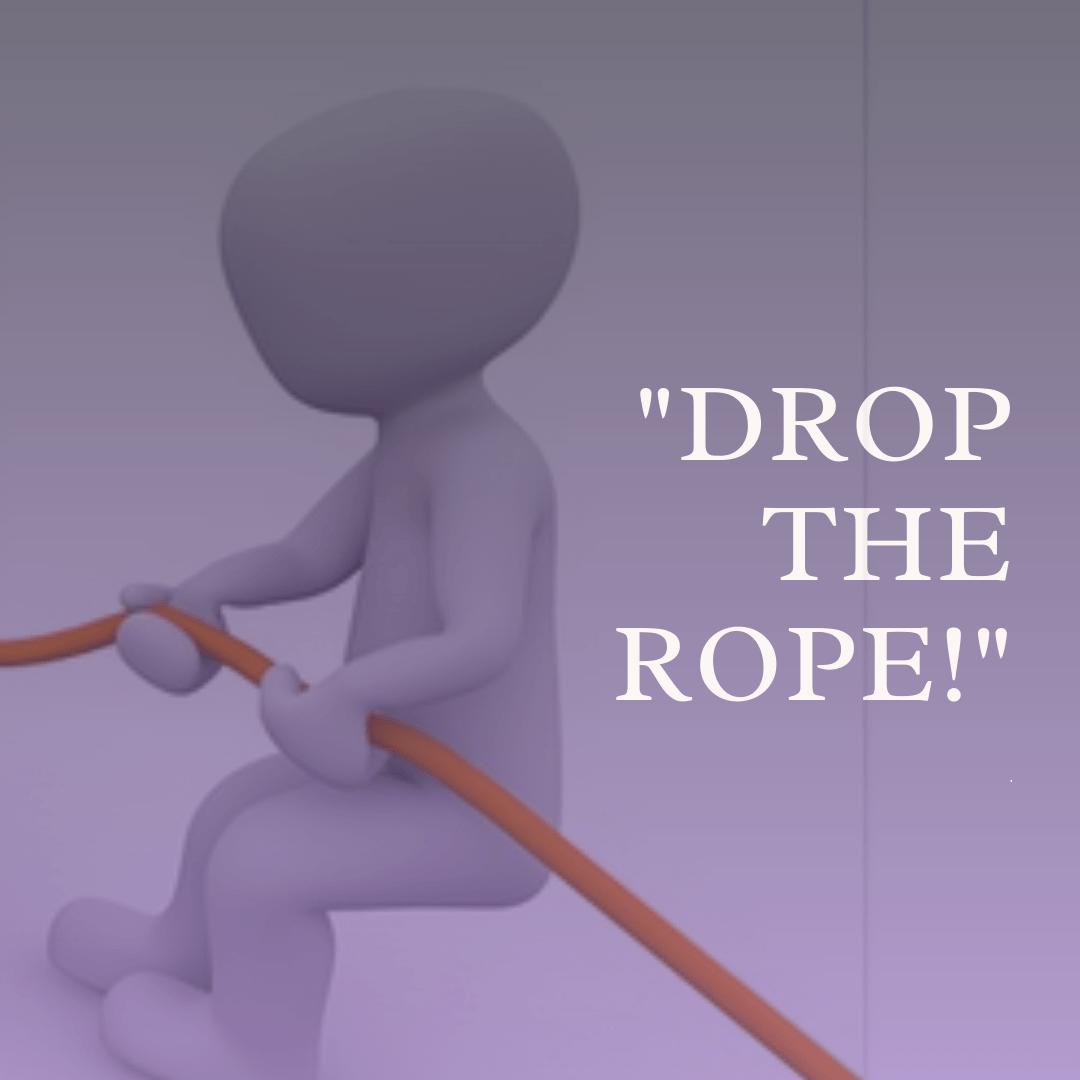
A powerful tool for this is the "Tug-of-War" metaphor, rooted in Acceptance and Commitment Therapy (ACT). Imagine you are standing on the edge of a bottomless pit, locked in a tug-of-war with a monster—representing the pandemic, the anxiety, and the uncertainty. You pull with all your might to keep from falling into the pit. The harder you pull, the harder the monster pulls back, leaving you exhausted and unable to focus on anything else.
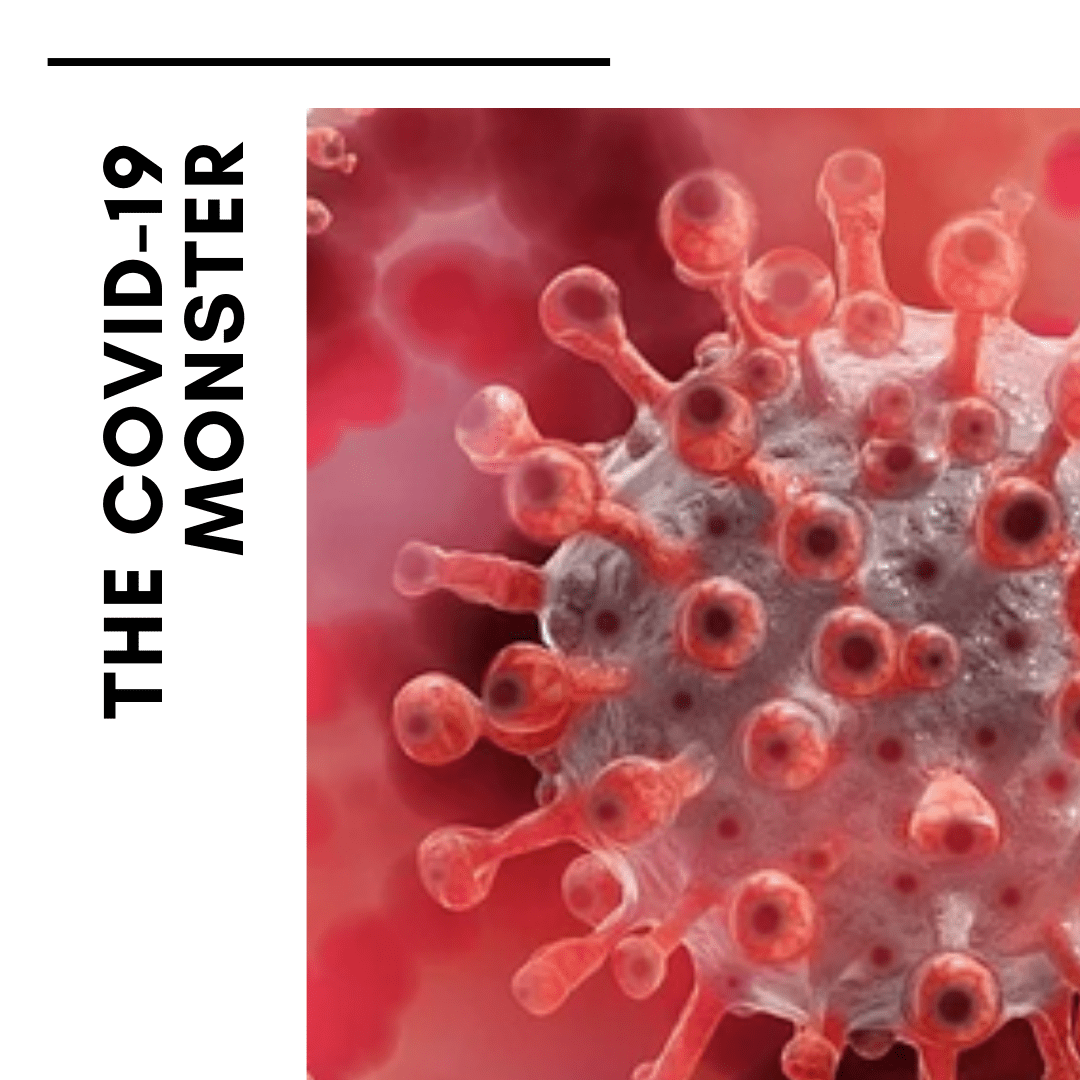
The solution is to simply "drop the rope." By ceasing the struggle, you do not make the monster disappear, but you reclaim the energy you were wasting on the fight. You acknowledge the reality of the situation—the "monster"—but you turn your attention toward actions that align with your values, your goals, and your well-being.
Focus on the Sphere of Control
In times of crisis, the mind often fixates on uncontrollable variables: infection rates, government policy shifts, and the timeline for economic recovery. This fixation serves only to fuel anxiety and helplessness. To manage this, one must consciously shift focus to the "Sphere of Control."
The Methodology of Adjustment
The late Sam Berns, who lived with the rare genetic disorder progeria, provides a masterclass in this philosophy. Despite the severe physical limitations imposed by his condition, Berns did not obsess over what he could not do. Instead, he meticulously identified the activities he loved and found creative ways to adapt them. When the weight of a snare drum proved too much for his body, he and his family collaborated with engineers to create a lighter apparatus.
The lesson is twofold:

- Inventory your constraints: Honestly identify what is currently off-limits.
- Engineer adjustments: Seek alternative ways to achieve the same emotional or functional benefits.
Whether it is moving a social coffee hour to a video call or finding new home-based fitness routines, the focus must remain on adaptation rather than mourning lost possibilities.
Cultivating Realistic Optimism
Coping effectively requires a delicate balance known as "realistic optimism." This is distinct from blind, Pollyanna-style positivity, which ignores reality, and from a defeatist "Chicken Little" mentality, which amplifies fear without purpose.
Realistic optimism is an active, grounded approach. It involves:
- Calm Assessment: Acknowledging the gravity of the situation without catastrophizing.
- Strategic Planning: Determining what specific, incremental steps can be taken to safeguard one’s future.
- Action-Oriented Mindset: Replacing "Why is this happening?" with "What can I do to improve my situation today?"
This mindset acknowledges that while the current situation is undesirable, it is not permanent. It allows for the space to be human—to feel sadness or frustration—while remaining committed to the actions that build resilience.
The Power of Routine and Self-Care
During times of high stress, the structures that anchor our daily lives often disintegrate. Rebuilding these through a deliberate self-care routine is essential for long-term endurance.
The Pillars of Resilience
- Physiological Maintenance: Adherence to consistent sleep cycles, hydration, and nutritional health is the foundation of mental stability. When the body is cared for, the mind is better equipped to handle stress.
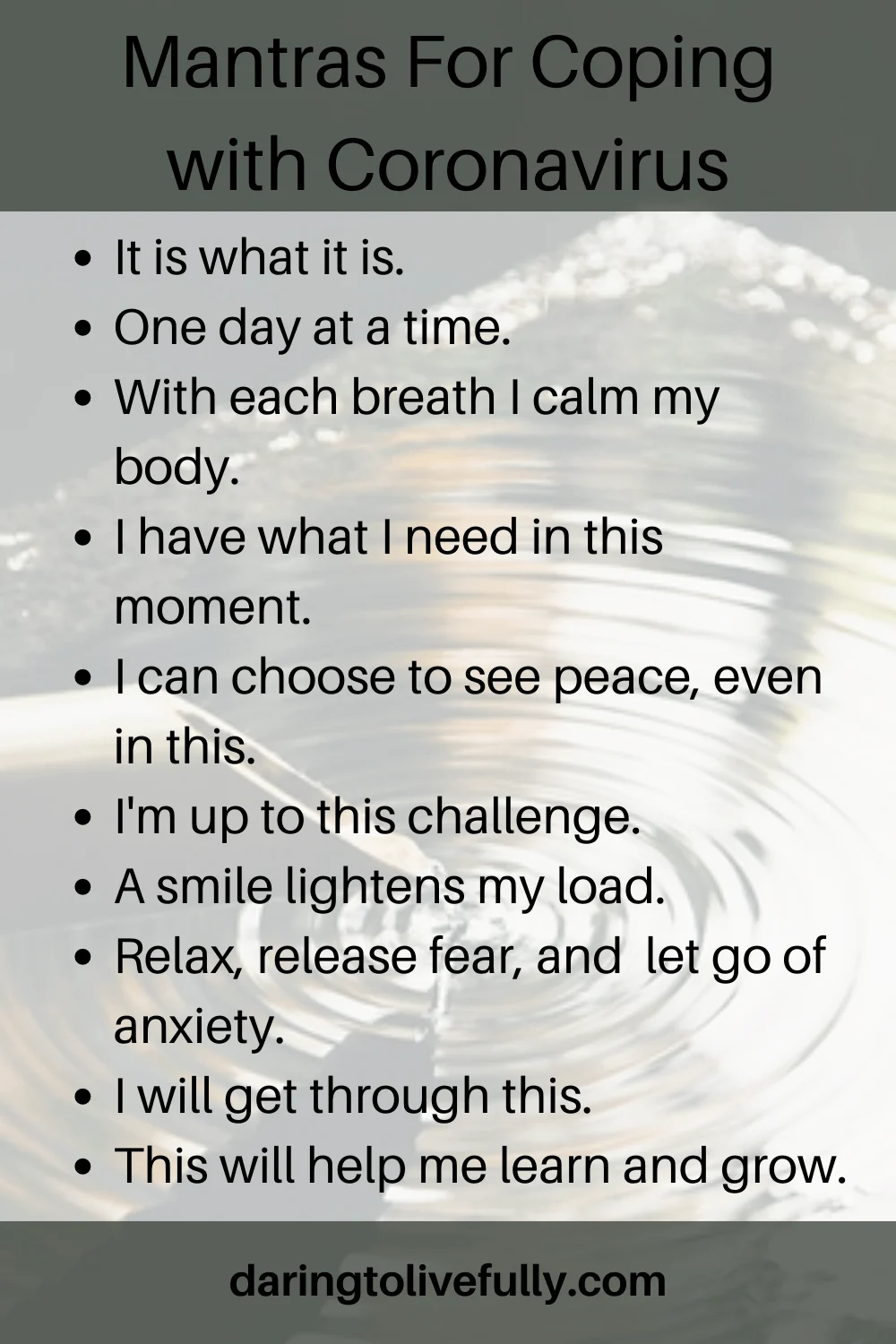
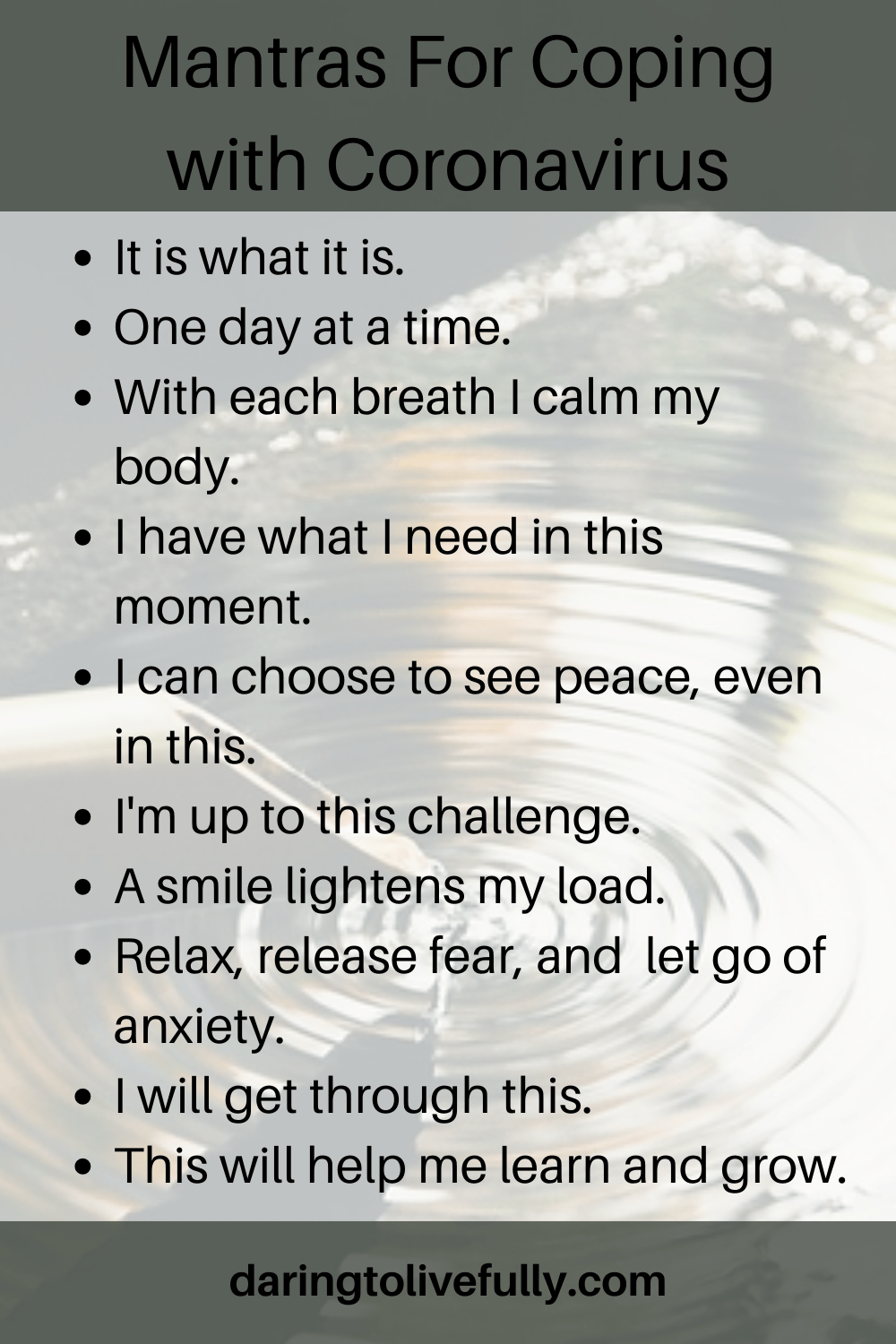
- Psychological Anchors: Utilizing mantras or affirmations during moments of acute anxiety can provide a necessary "reset." Phrases such as "I am doing the best I can with what I have" or "This moment will pass" serve as cognitive anchors.
- Structural Discipline: Establishing a "coronavirus routine"—fixed times for work, leisure, exercise, and digital disconnection—prevents the feeling of being adrift in a sea of endless, unstructured time.
Playing the Hand You’re Dealt
Life is rarely a game of perfect choices; it is a game of responding to the cards we are dealt. The pandemic represents a difficult hand, but the agency remains in how we play it.

One can choose to lament the unfairness of the cards, or one can study the hand, calculate the odds, and play with the best strategy available. By accepting the reality of the situation and focusing on the variables within our influence, we move from a state of victimhood to a state of agency.
Conclusion: The Horizon of Change
It is vital to maintain a long-term perspective. History teaches us that even the most severe crises, plagues, and periods of darkness are finite. The story of humanity is one of persistent recovery and adaptation.

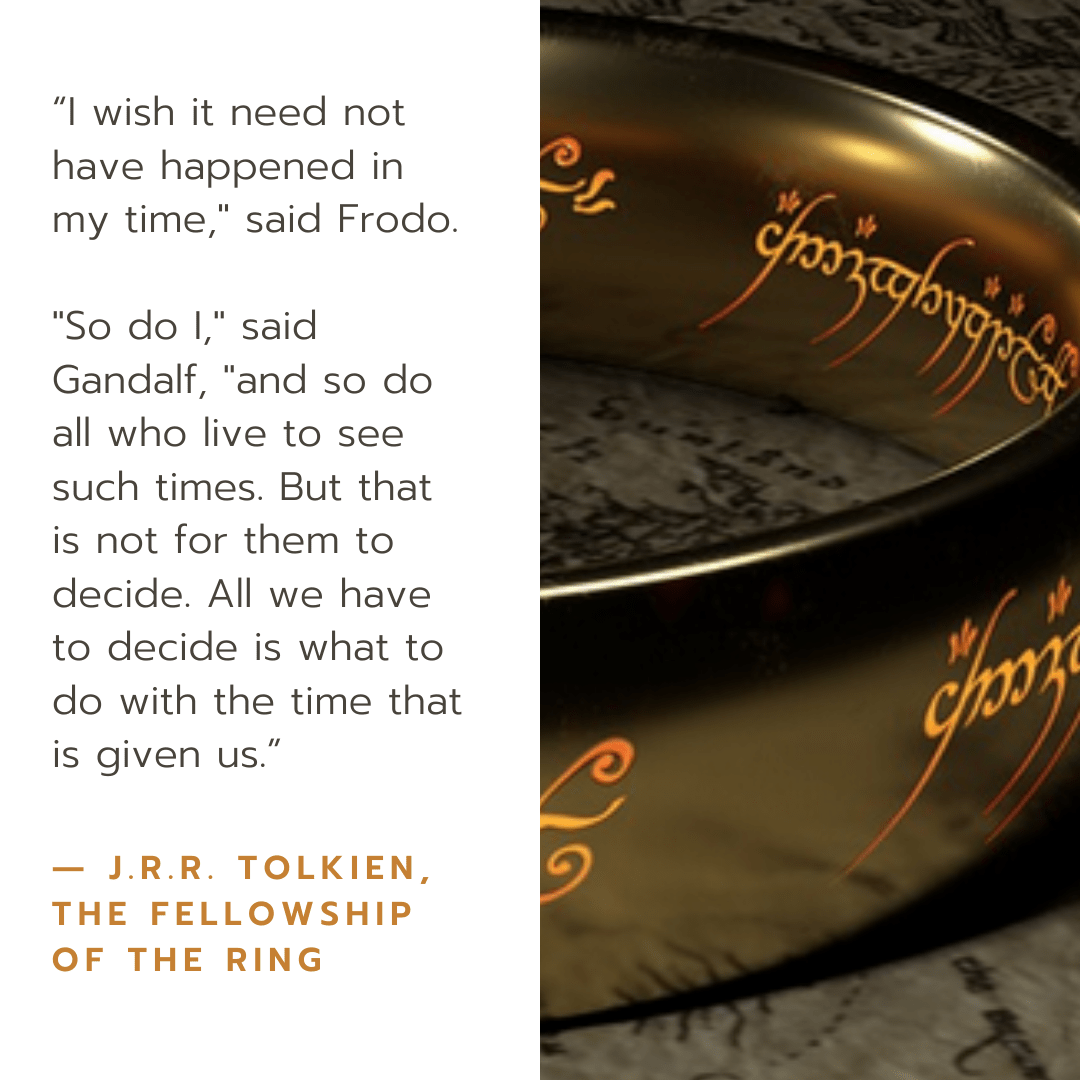
As J.R.R. Tolkien wrote in The Lord of the Rings, "The shadow was only a small and passing thing: there was light and high beauty for ever beyond its reach." This, too, shall pass. By practicing acceptance, focusing on our sphere of control, and maintaining a posture of realistic optimism, we do more than just survive the downcycle—we cultivate the strength and wisdom necessary to thrive when the cycle inevitably turns upward once again.
The goal of these strategies is not to eliminate the difficulty of the current moment, but to ensure that we emerge from it having lived our best lives, regardless of the constraints imposed by the world around us. In the end, our legacy is not defined by the storms we faced, but by how we navigated them.