In an era where digital footprints are increasingly scrutinized and data privacy has become the gold standard of consumer trust, the act of personal reflection remains a sanctuary. Day One, the industry-leading digital journaling platform, has officially announced a transformative leap in its development roadmap. By integrating Apple’s new Foundation Models framework—the backbone of the broader Apple Intelligence initiative—Day One is set to redefine the journaling experience.
This integration is not merely a feature update; it represents a fundamental shift in how personal data, artificial intelligence, and private reflection intersect. By moving beyond traditional text-entry paradigms, Day One is leveraging on-device processing to provide users with a more intuitive, intelligent, and secure way to document their lives.
The Core Transformation: Intelligence Meets Intimacy
At the heart of Day One’s mission has always been the desire to make capturing life’s moments as seamless as a thought. However, the modern user often faces the "blank page syndrome"—the difficulty of knowing where to start when confronted with a digital journal. Through the implementation of Apple’s Foundation Models, Day One is poised to solve this through proactive, context-aware assistance.
The new framework allows the application to tap into the native capabilities of the device’s hardware. This means the AI models running within Day One are not cloud-dependent. Instead, they function locally, ensuring that the most intimate details of a user’s life never leave their device. This "privacy-first" architecture is the cornerstone of the company’s new strategy, ensuring that users can enjoy sophisticated writing support without compromising their personal security.
Chronology: A Trajectory of Innovation
To understand the magnitude of this announcement, one must look at the evolution of Day One over the past decade.
- 2011–2015: The Digital Foundation. Day One established itself as the gold standard for digital journaling, moving the practice from physical notebooks to cross-platform digital sync.
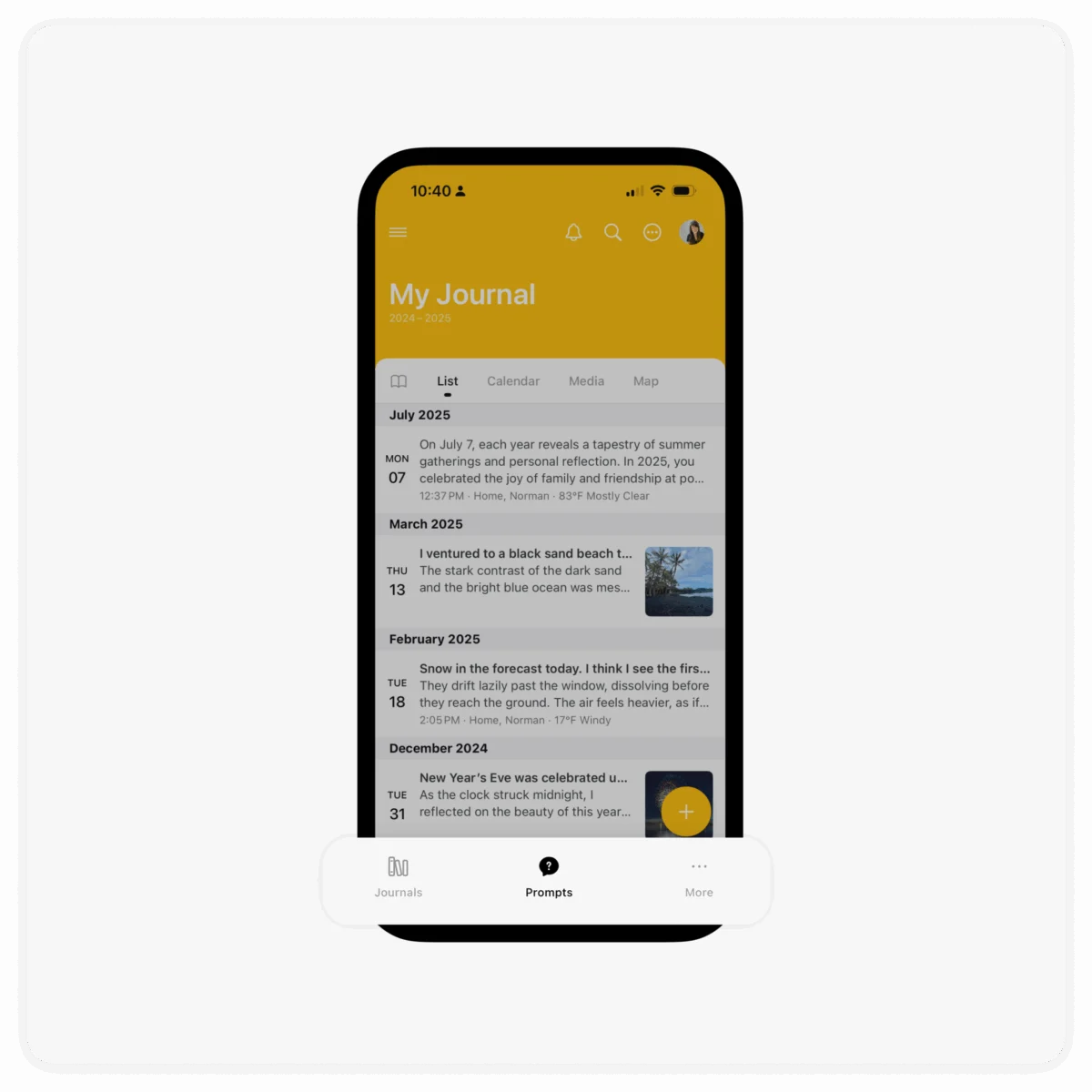
- 2016–2020: Rich Media Integration. The platform evolved to support photos, location metadata, and weather tracking, allowing users to build a "contextual history" rather than just a text archive.
- 2021–2023: The Privacy Pivot. As data privacy concerns surged globally, Day One reinforced its end-to-end encryption protocols, solidifying its reputation as a secure vault for personal data.
- 2024: Apple Intelligence Integration. The announcement of Apple’s Foundation Models framework provided the missing piece for Day One: a way to add intelligent, generative features that remain entirely offline.
- 2025 and Beyond: The rollout of personalized, model-driven features, including context-aware writing prompts and AI-assisted reflection, begins, signaling a new chapter in personal documentation.
Supporting Data: Why On-Device Intelligence Matters
The shift toward on-device processing is not just a marketing preference; it is a technical necessity for a journaling application. Data suggests that consumer anxiety regarding AI is centered primarily on two factors: data leakage and model bias.
By utilizing the Foundation Models framework, Day One bypasses the common pitfalls of LLMs (Large Language Models) that rely on external servers.
- Latency: Because the processing occurs on the device’s Neural Engine, response times for writing suggestions and prompt generation are nearly instantaneous.
- Zero-Cloud Exposure: User journal entries are never uploaded to a third-party server to be "read" by an AI. The intelligence is encapsulated within the device’s own secure environment.
- Personalized Context: Unlike generic AI tools, the models within Day One can learn from the specific writing style and historical context of the user, creating a bespoke journaling assistant that grows more accurate over time.
Official Responses and Strategic Vision
In a statement regarding the partnership with Apple’s technology stack, the Day One development team emphasized that this is only the beginning. "The Foundation Model framework has fundamentally changed our perspective on what a journal can be," the company stated. "For years, we were limited by the manual nature of input. Now, we are entering an era where the journal can act as a partner in reflection, offering prompts that are relevant, timely, and deeply personal."
The company’s leadership maintains that their commitment to "thoughtful, privacy-centric design" remains non-negotiable. They argue that while other AI-driven journaling tools might trade user data for performance, Day One’s utilization of Apple’s on-device framework creates a "walled garden" of intelligence. This distinction is critical for users who use their journals to process trauma, manage mental health, or track sensitive professional goals.

Implications: The Future of Digital Memory
The implications of this integration extend far beyond a simple app update. They signal a broader trend in the software industry: the "Intelligence Era" of local computing.
1. The Death of "Blank Page Syndrome"
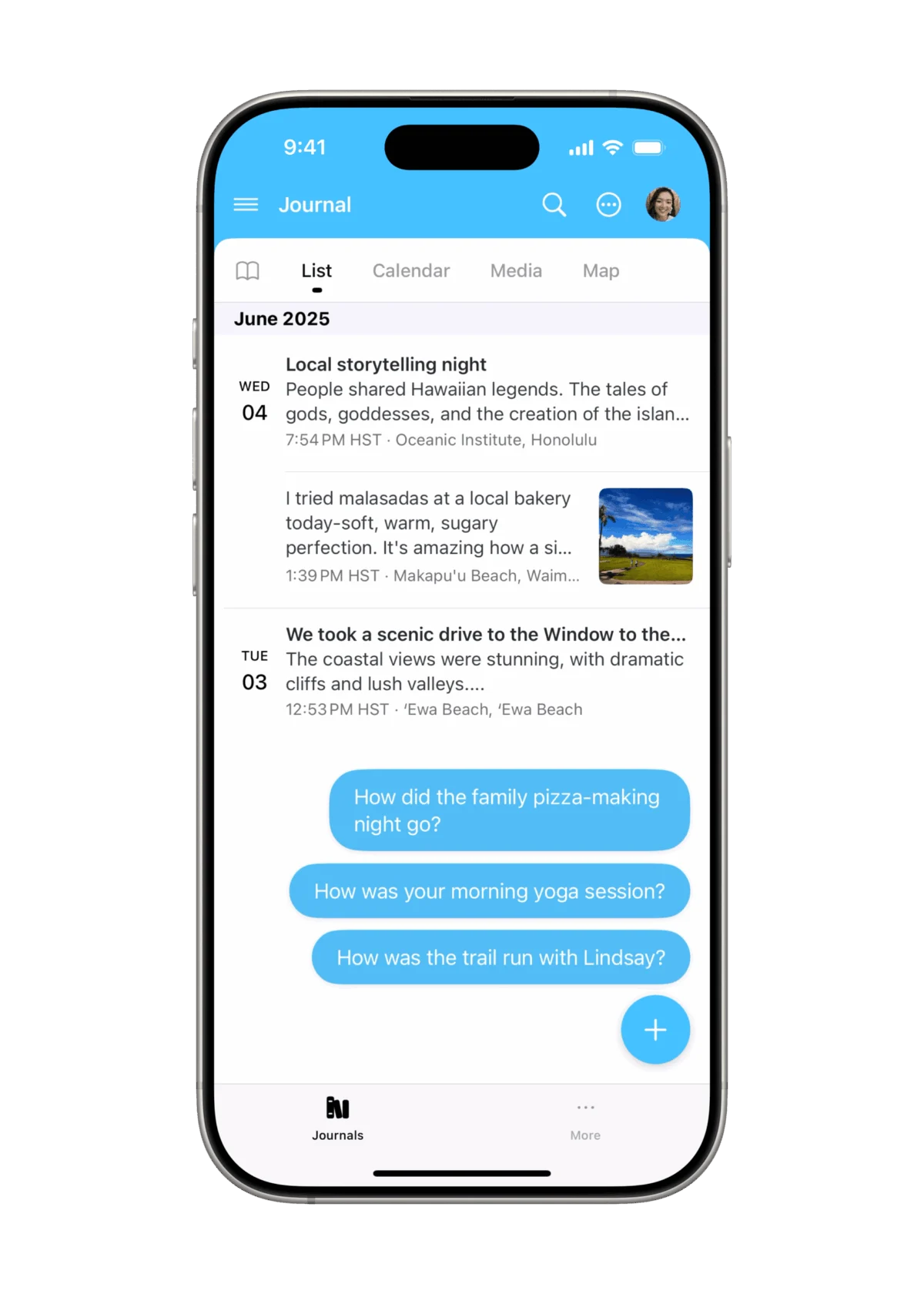
By utilizing intelligent prompt suggestions, Day One can analyze the user’s recent patterns—such as a series of travel photos or a recurring mention of a specific hobby—and generate relevant questions. For example, if the app detects a user has been to the gym consistently for a week, it might prompt, "How does your recovery feel after this week of training?" This turns a passive app into an active participant in the user’s self-improvement journey.
2. Enhanced Writing Support
For those who struggle with articulation, the new writing support tools will assist in grammar, flow, and tonal consistency without stripping away the user’s unique voice. It is a refinement tool, not a replacement tool.
3. Privacy as a Competitive Moat
In a market saturated with "smart" note-taking apps, Day One’s decision to prioritize privacy via Apple Intelligence creates a significant barrier to entry for competitors. Users are becoming increasingly savvy about how their data is handled. By aligning with Apple’s strict privacy standards, Day One effectively markets itself as the safest place on earth for one’s thoughts.
The Road Ahead
As the integration rolls out, the tech community will be watching closely to see how effectively Day One balances the "wow factor" of AI with the "calm" of a journaling experience. The danger with AI in creative spaces is that it can become intrusive or distracting. Day One’s challenge will be to ensure that the intelligence feels like a whisper, not a shout—a subtle nudge to reflect rather than an algorithm trying to write the user’s life for them.
The company has indicated that they are "just getting started." Future updates are expected to leverage the framework to allow for more complex semantic searches, enabling users to ask their journals questions like, "What was my state of mind during my last three vacations?" and receive answers based on their own historical entries.
This evolution confirms that the future of journaling is not merely about storage—it is about synthesis. It is about taking the chaotic data of our daily lives and using technology to weave it into a cohesive narrative. As Day One continues to innovate, it stands as a testament to the fact that artificial intelligence, when applied with respect for the user’s autonomy and privacy, can be a profound tool for self-discovery.
For the millions of users who rely on Day One to document their legacy, the message is clear: your journal is getting smarter, but it remains yours, and yours alone. The future of journaling has arrived, and it is built on the quiet, powerful foundation of local, private intelligence.