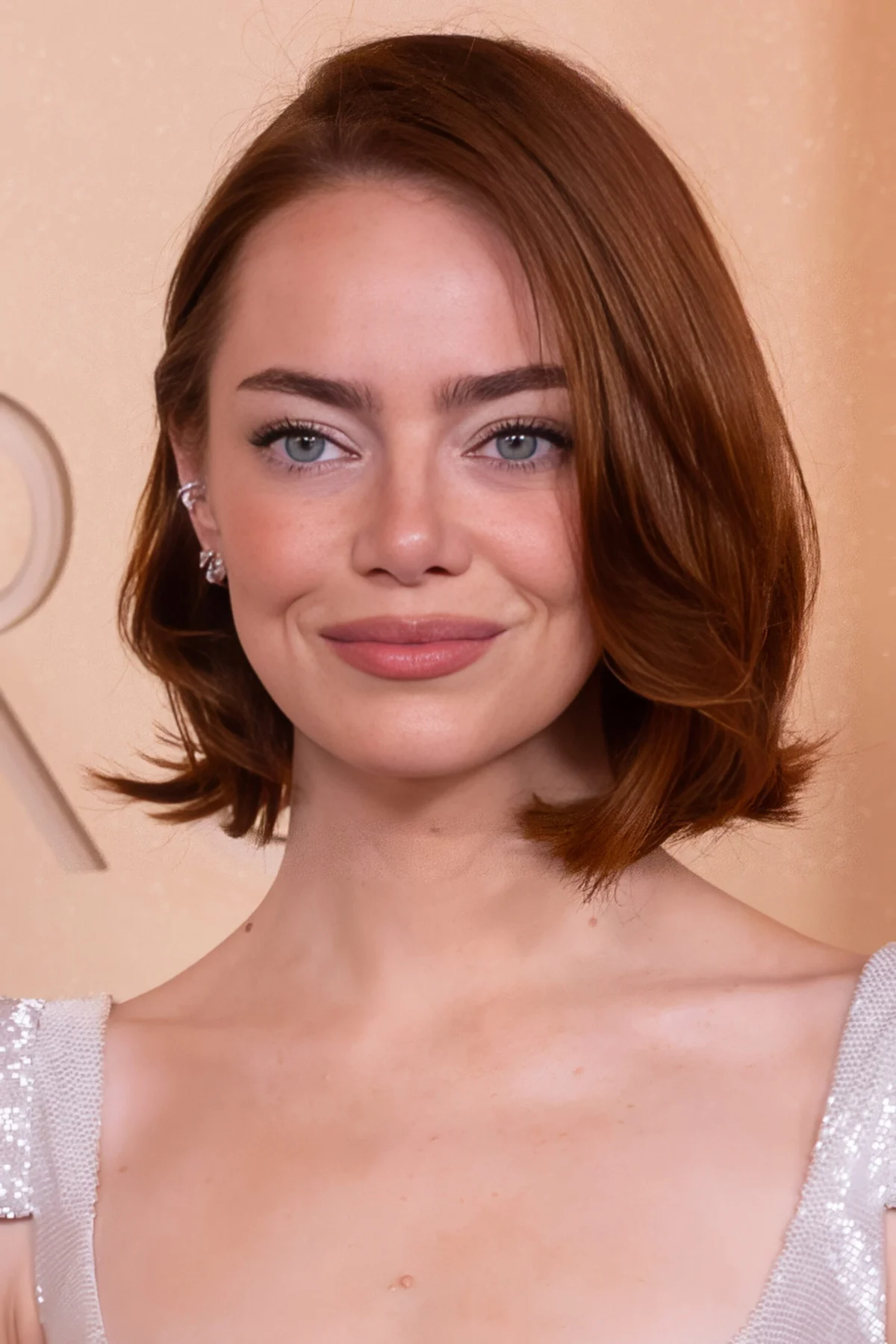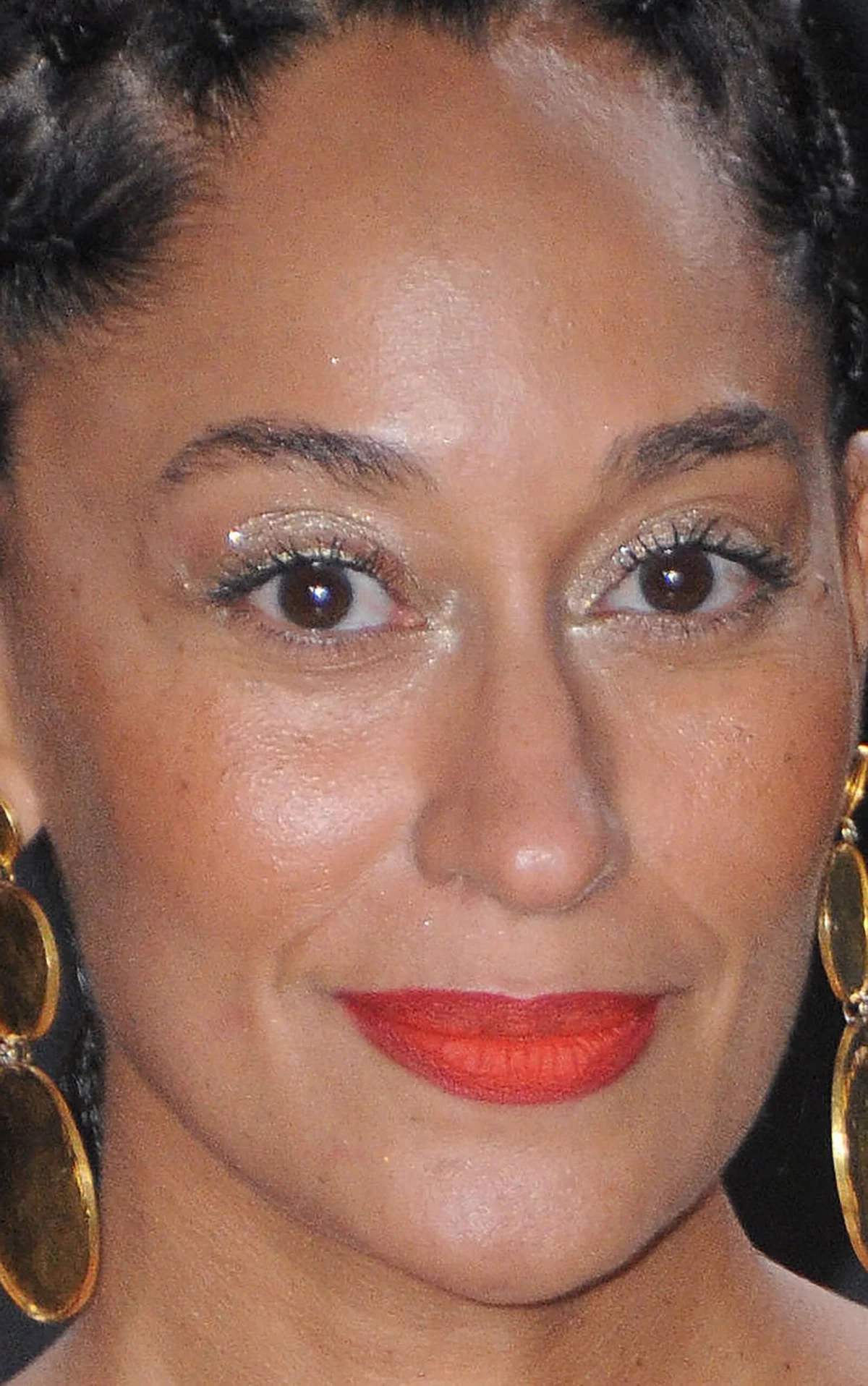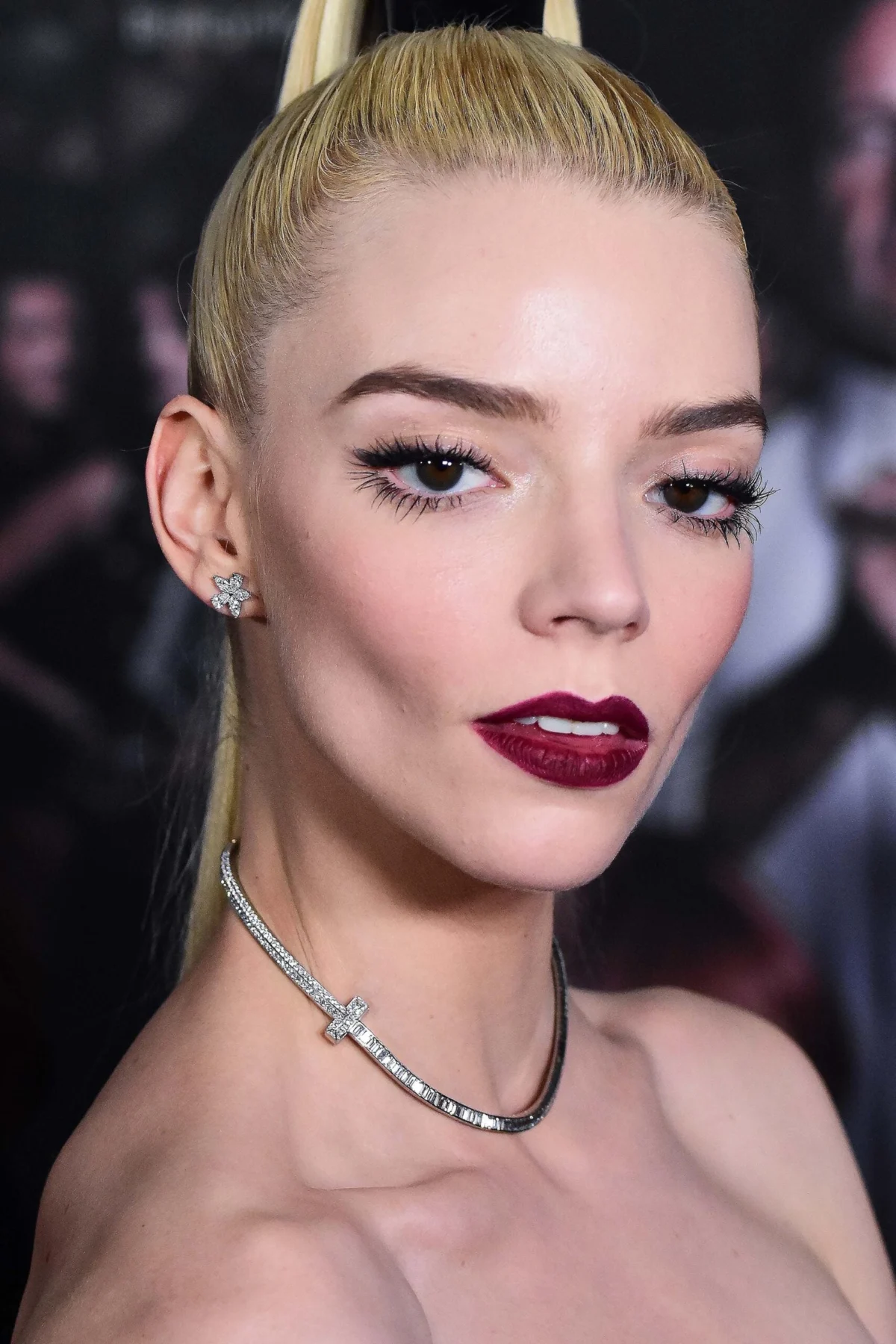
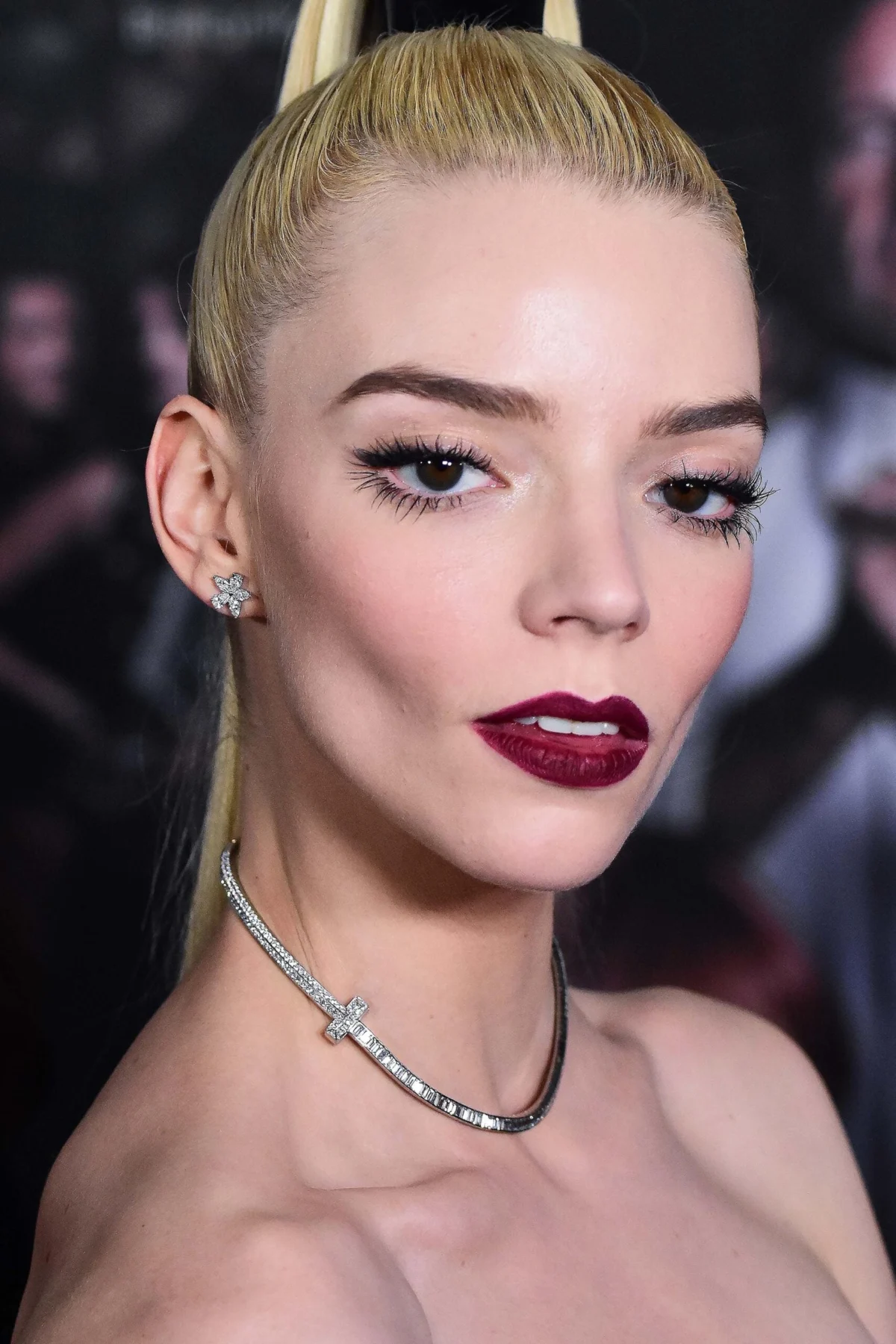
In the hyper-scrutinized landscape of modern Hollywood, few stars have captured the cultural imagination quite like Anya Taylor-Joy. From her breakout performance in Robert Eggers’ 2015 folk-horror masterpiece, The Witch, to her global dominance in Netflix’s The Queen’s Gambit, Taylor-Joy has become more than just an actress—she is a high-fashion muse and a global beauty touchstone.
Yet, as her career trajectory has soared, so too has the intensity of the public’s focus on her physical appearance. The “ethereal” features that once set her apart—her wide-set eyes, angular bone structure, and distinctive visage—have become the subject of intense debate. What was once celebrated as a unique, otherworldly aesthetic is now frequently scrutinized for signs of surgical intervention. As the star approaches her thirties, the shift in her look has sparked a broader conversation about the pressures of fame, the evolution of beauty trends, and the intersection of genetics, aging, and cosmetic refinement.
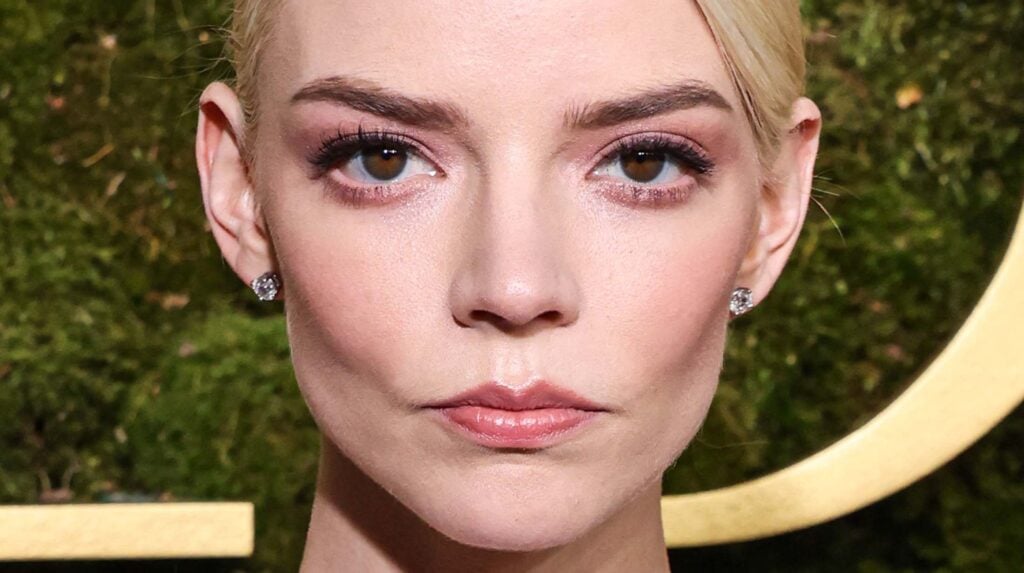
The Early Years: An Unrefined Identity (2015–2018)
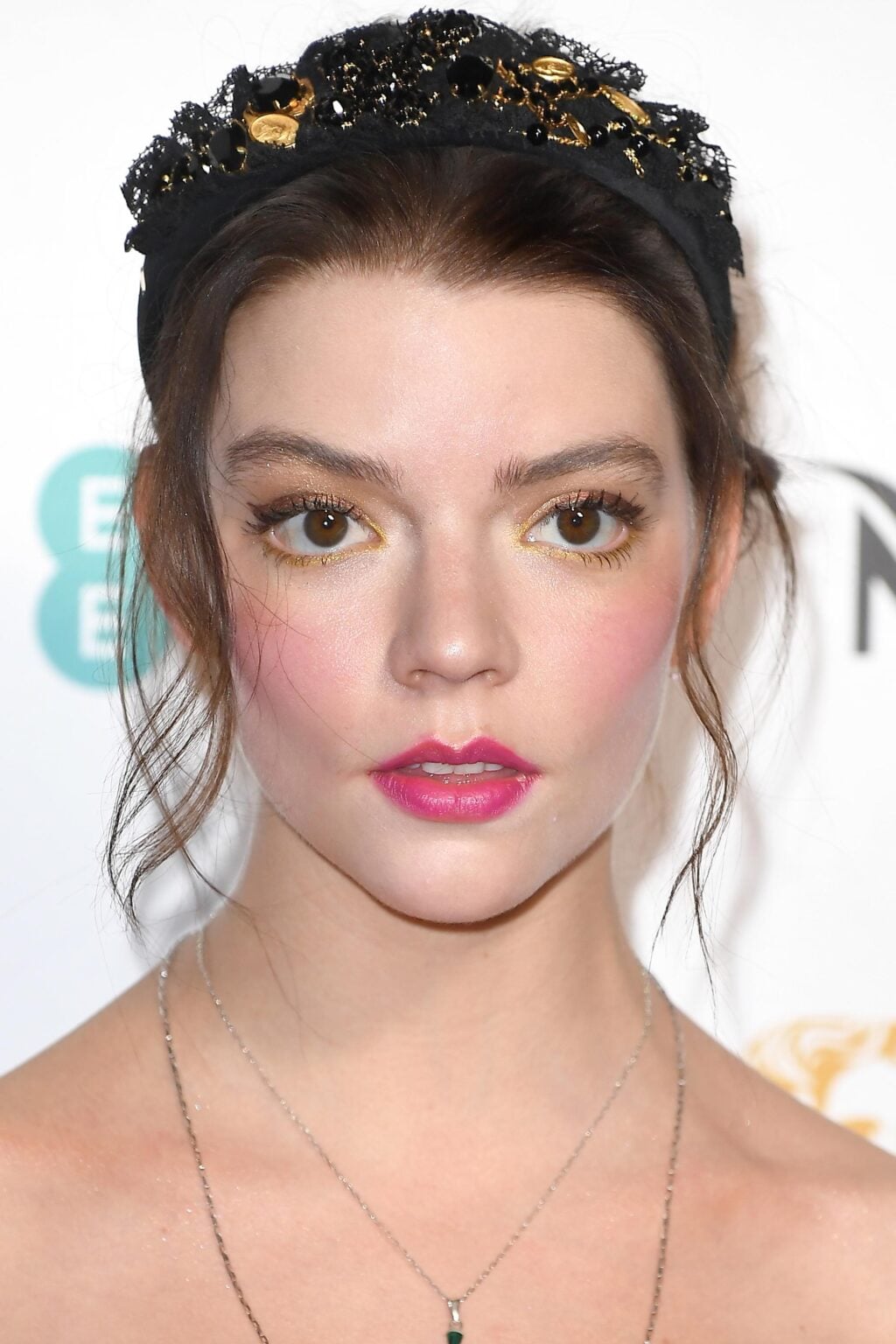
When Anya Taylor-Joy first stepped onto the red carpet in 2015, she was 18 years old, possessing the raw, unstudied beauty of a young performer on the cusp of superstardom. Her look during this period was defined by youthful softness: full cheeks, a natural, undefined brow, and the hallmark "baby face" of a teenager.
In interviews from the era, Taylor-Joy candidly discussed her relationship with her own reflection. In a 2016 conversation with W, she revealed, “I kind of stopped looking in mirrors for a very long time.” This vulnerability was born from the harsh realities of the internet age, where early success brought with it the toxicity of social media. After being tagged in cruel memes comparing her appearance to a fish, Taylor-Joy retreated from the habit of self-scrutiny.
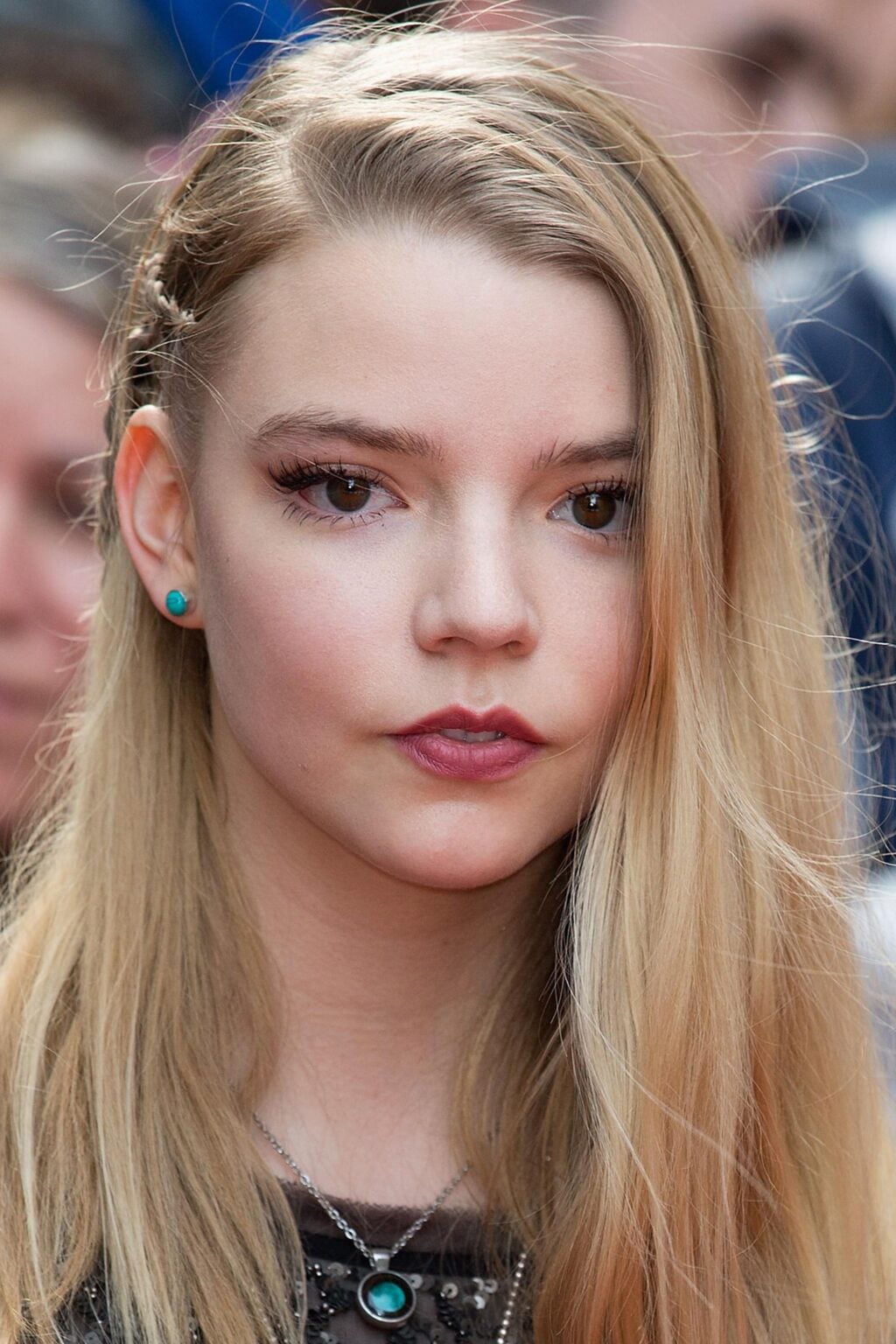
During these formative years, her aesthetic was fluid. She transitioned from her natural, long blonde hair to a striking brunette, a choice she later described as a form of "armor" against the rapid growth of her public profile. Even at this early stage, her features—the high-set, wide-spaced eyes and the defined Cupid’s bow—were clear. Her mother’s firm rule against over-plucking eyebrows provided the framework for the face that would eventually grace the covers of every major fashion magazine.
The Meteoric Rise and the "Big Break" (2020–2021)
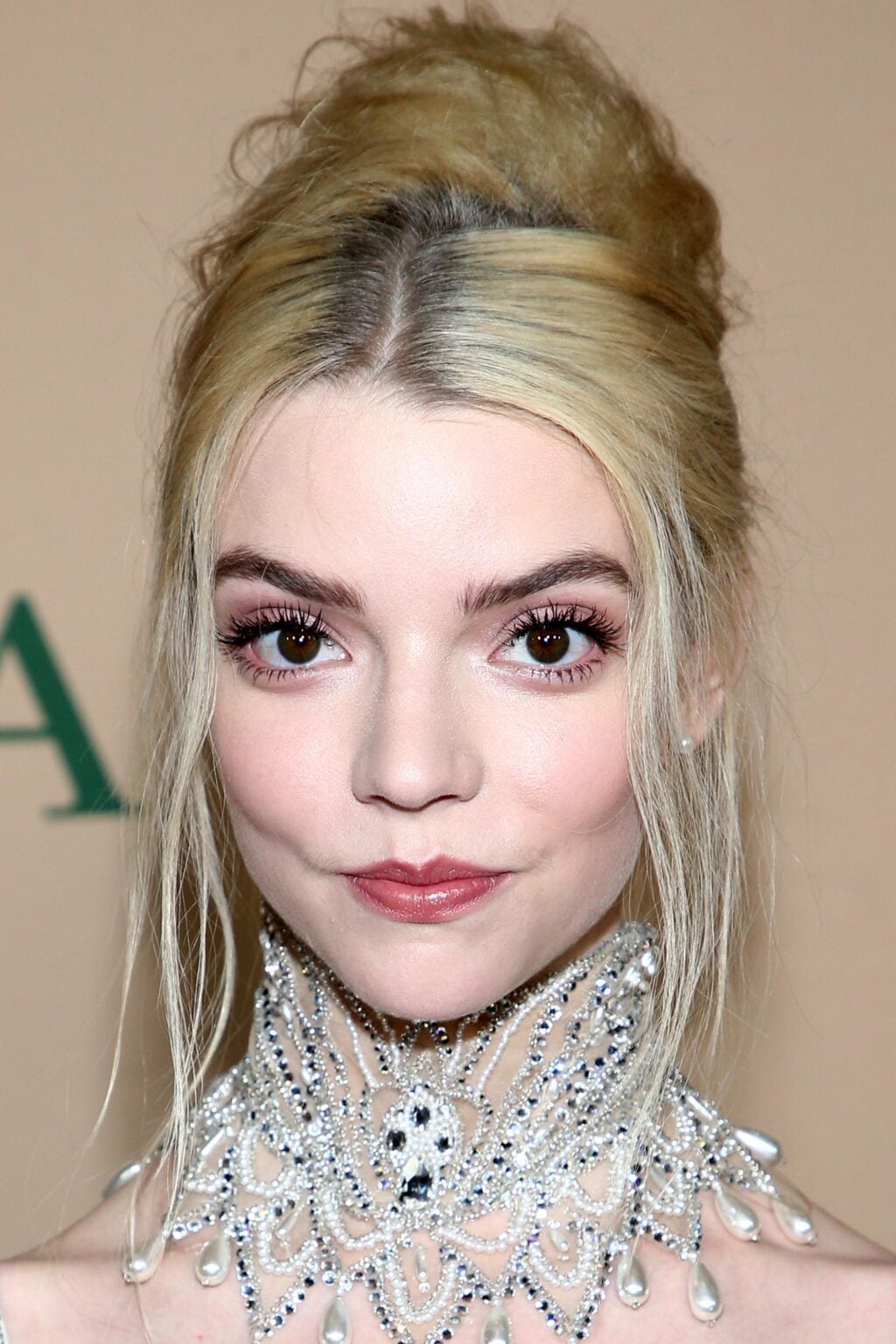
By 2020, the landscape of Taylor-Joy’s career—and her face—had shifted. The success of Emma and The Queen’s Gambit thrust her into the stratosphere of A-list fame. During this period, the "signature" look that the public recognizes today began to take shape.
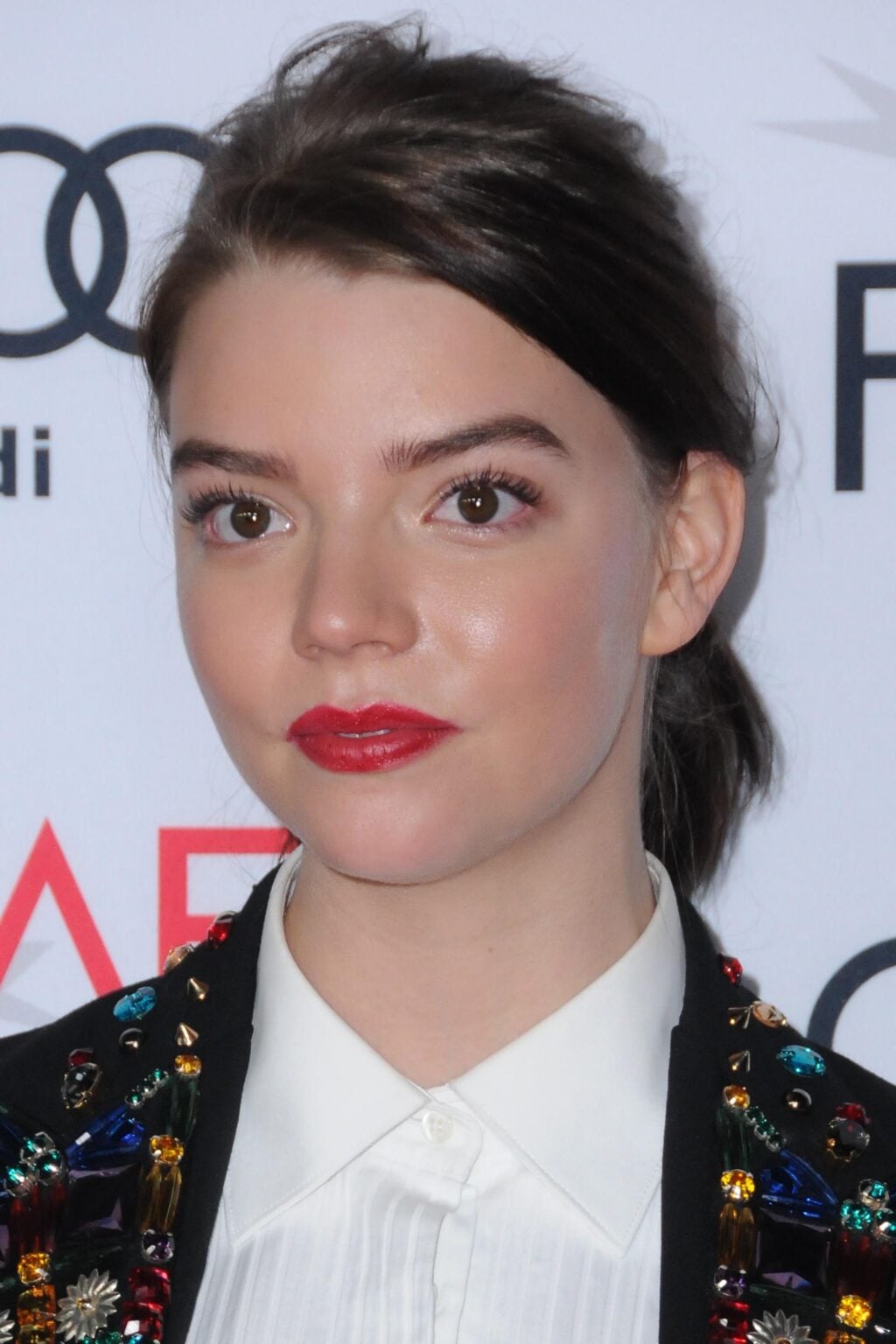
The most obvious change was the intentional commitment to a signature platinum blonde, paired with more rigorous styling and professional grooming. However, astute observers began to notice a subtle transition in her facial composition. While the dramatic lighting and professional contouring of Hollywood red carpets often mask natural changes, the structural shifts in her cheekbones and the refinement of her jawline began to generate "online chatter."
It was during this time that Taylor-Joy, now a Dior ambassador, began to lean into a more editorial, high-fashion aesthetic. The softness of her youth began to recede, replaced by a more sculpted, chiseled silhouette that aligned with the prevailing beauty standards of the 2020s.
Chiseled Change: The Shift to 2025
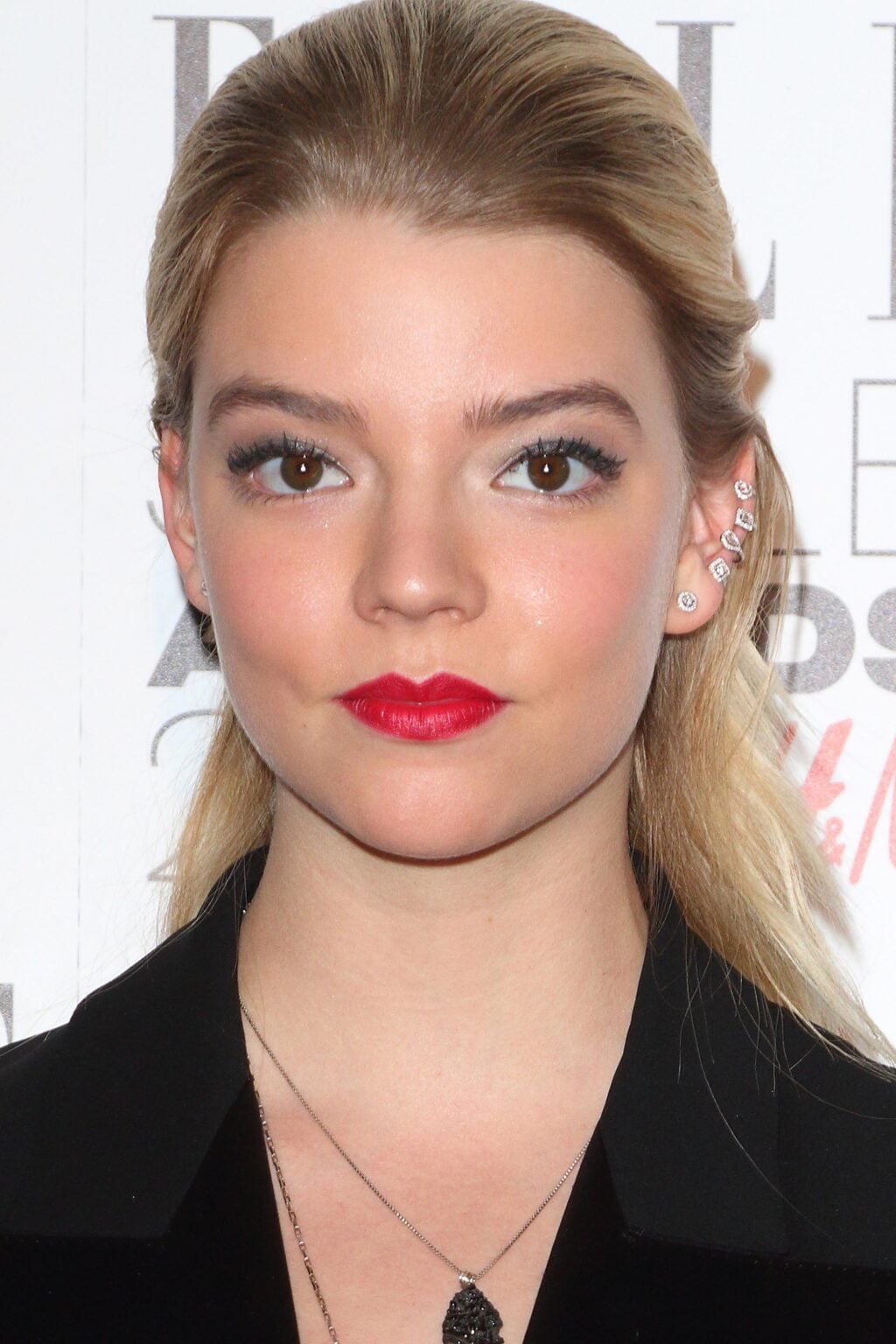
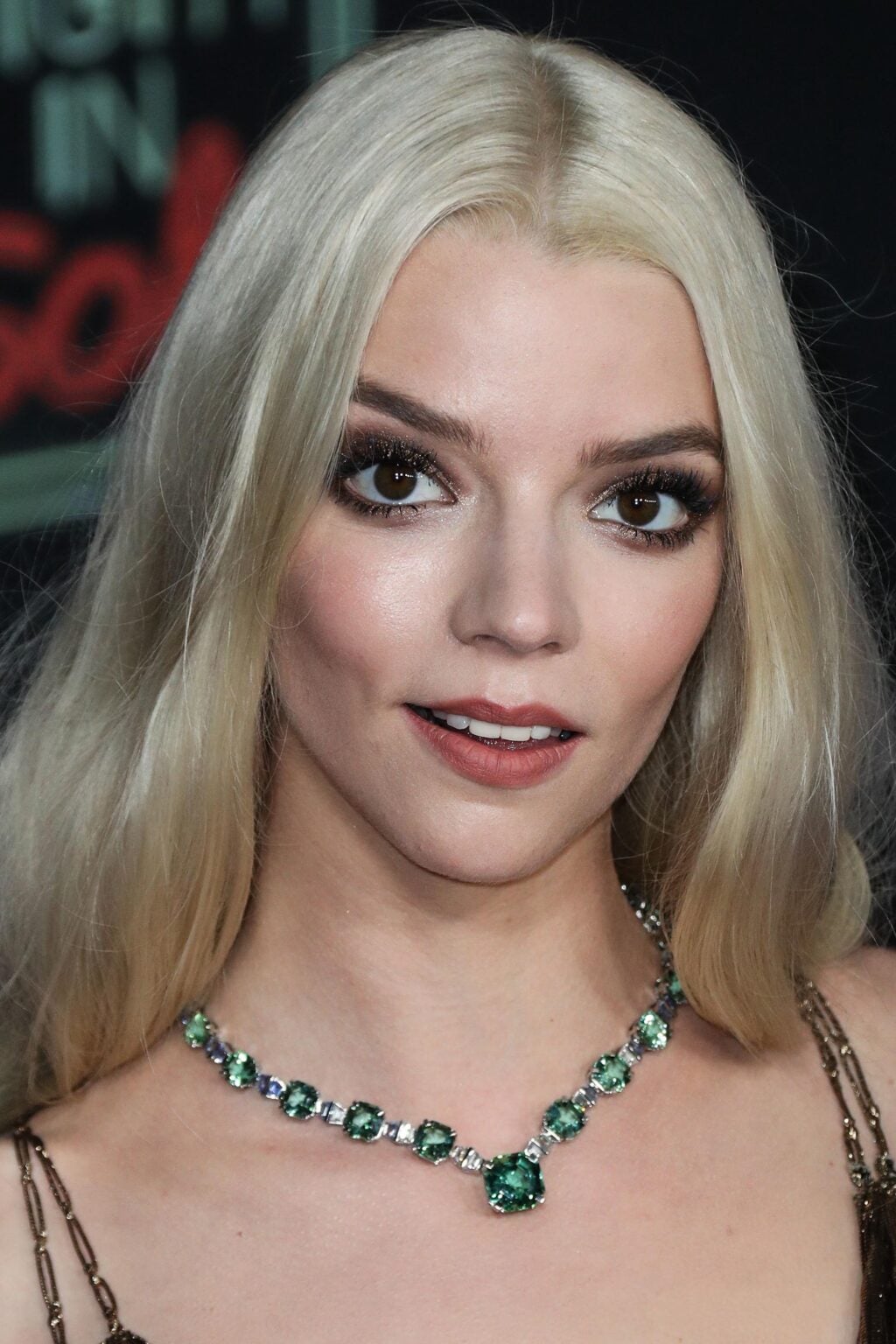
If 2021 marked the beginning of her transformation, 2022 through 2025 saw its culmination. At the 2022 premiere of The Menu and the 2024 Furiosa press tour, the hollowing of her cheeks became a major point of discussion among aesthetic enthusiasts and plastic surgery commentators.
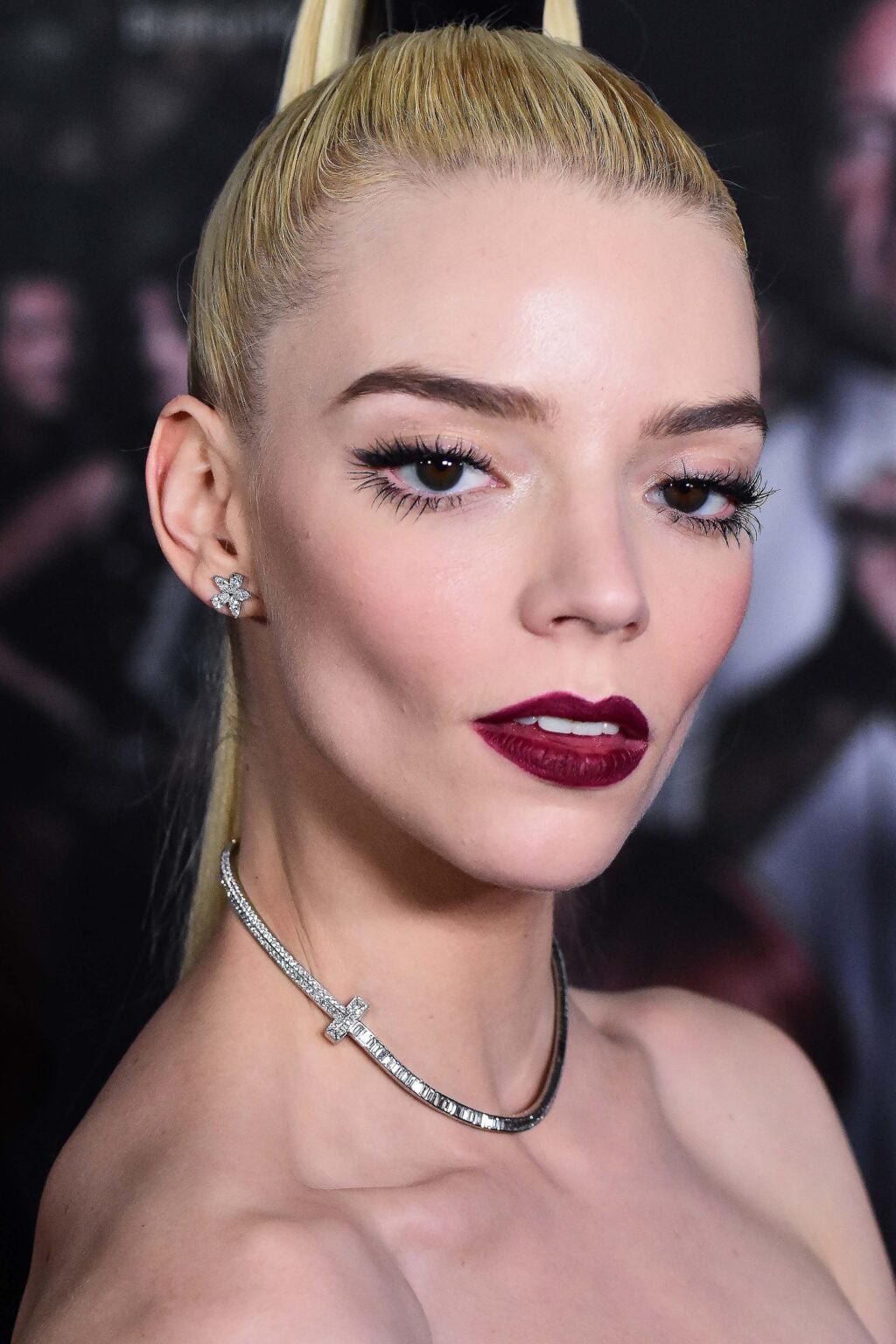
The transition from a rounded, youthful face to one with sharp, distinct hollows beneath the cheekbones is a hallmark of a mature, "sculpted" look. While some argue that this is the result of natural aging, weight loss, and the heavy-duty makeup techniques favored by high-fashion stylists, others point to the permanence of the change. By the time of the 2025 Golden Globes, the contrast between her 2017 photos and her current appearance was undeniable. The face is leaner, the angles are more pronounced, and the overall effect is one of a deliberate, calculated evolution.
Expert Perspectives: The Science of the "Hollywood Look"
To understand the mechanics behind this evolution, we must look to the specialists. Several prominent cosmetic surgeons have analyzed the timeline of Taylor-Joy’s changes, offering theories on what might be occurring beneath the surface.
Dr. Gary Linkov, a surgeon often cited for his detailed breakdowns of celebrity aesthetics, notes that the changes in the brow region are particularly telling. "I do see some signs of potential plastic surgery," Linkov notes. "The distance between the eyelid and the eyebrow has lengthened." While Botox can achieve a temporary brow lift, Linkov suggests that the degree of change observed in Taylor-Joy could indicate a surgical intervention. Conversely, Dr. Jeffrey H. Speigel argues that at her age, a surgical brow lift is less likely, suggesting instead that strategic, repeated use of neuromodulators like Botox could be responsible for the arched, open-eyed look she consistently presents.
Perhaps the most consistent point of agreement among experts relates to the "hollowing" of the cheeks. Both Dr. Chip Cole and Dr. Linkov have pointed toward buccal fat removal—a procedure that thins the lower third of the face by removing fat pads in the cheeks. Dr. Cole observes that the progression appears to have moved from initial filler augmentation in 2021 to a more permanent, surgical thinning of the face by 2023.
Further analysis points to the nose. Dr. Barrett and Dr. Linkov agree that her nasal bridge and tip appear more refined and narrower compared to her earlier years, suggesting a potential rhinoplasty. Additionally, the change in her smile—now bright, uniform, and lacking the visible staining of her early career—strongly points to the application of dental veneers.
The Paradox of Perfection: Implications and Conclusions
The conversation surrounding Anya Taylor-Joy’s appearance is not merely about whether she has "had work done." It is about the systemic pressure on women in the public eye to attain an increasingly narrow and idealized standard of beauty.
Interestingly, there is recent speculation that the "gaunt" look of 2023 may have reached a point of diminishing returns. Dr. Cole suggests that in 2024, there may have been a move toward restoring some volume to the face, perhaps to counter the "over-sculpted" look that often accompanies buccal fat removal. If true, this highlights a fascinating cycle: the pursuit of a trend that eventually requires correction as the star matures.
Anya Taylor-Joy remains a captivating talent, and her professional achievements far outweigh the physical changes she has undergone. Yet, the discourse surrounding her transformation serves as a mirror for our own societal obsessions. Whether her new look is the result of the relentless demands of the camera, the evolution of a personal aesthetic, or the expertise of world-class surgeons, it remains a quintessential example of the "Hollywood Transformation."
As she continues to navigate her career, Taylor-Joy’s evolution stands as a testament to the fact that in Hollywood, the face is the ultimate work in progress. She remains a stunning, albeit changing, icon—one whose legacy will likely be defined by her work on screen, even as the world continues to debate the contours of her face.