Long dismissed as the messy, high-maintenance relic of festival grounds and adolescent slumber parties, glitter makeup has officially undergone a high-fashion renaissance. Gone are the days when wearing sparkle meant enduring chunky fallout, scratchy, cornea-irritating particles, and adhesives that felt like industrial cement.

Thanks to modern cosmetic chemistry—featuring long-wearing, self-setting gel formulas, micro-fine reflective minerals, and weightless liquid foils—glitter has evolved into a sophisticated, highly wearable medium. Whether spotted under the harsh camera flashes of the Academy Awards red carpet or interpreted through edgy, avant-garde editorial spreads, glitter is no longer reserved for costuming. It has become a staple of modern beauty versatility.
To understand how this shift occurred, we must examine the evolution of sparkly cosmetics, the trailblazing celebrity looks that proved its wearability, and the top-tier formulations currently dominating the beauty market.

Main Facts: The Modern Glitter Renaissance
The resurgence of glitter in contemporary beauty is rooted in a fundamental technological shift within cosmetic laboratories.

- Texture and Formulation: Traditional loose craft glitters have been largely phased out in favor of multi-dimensional liquid shadows, silicone-suspended chrome flakes, and ultra-fine milled micro-shimmers. These innovations cling to the skin without requiring sticky primers, drastically reducing fallout.
- The "One-Feature" Rule: Modern makeup artists adhere to a strict balancing act. To keep glitter looking chic rather than chaotic, artists typically allow one facial feature to dominate with sparkle while keeping the complexion, brows, and lips understated.
- Versatility in Application: Sparkle is no longer confined to the center of the eyelid. Today’s trends span across graphic glitter eyeliners, smoky eyes dusted with micro-stars, subtle inner-corner highlights, and even high-gloss statement lips.
Chronology: A History of Red Carpet Sparkle
Over the past decade, celebrity makeup artists have steadily pushed the envelope, proving that glitter can transition from the runway to the red carpet with grace and grit.
Early Experimentation (2011–2016)
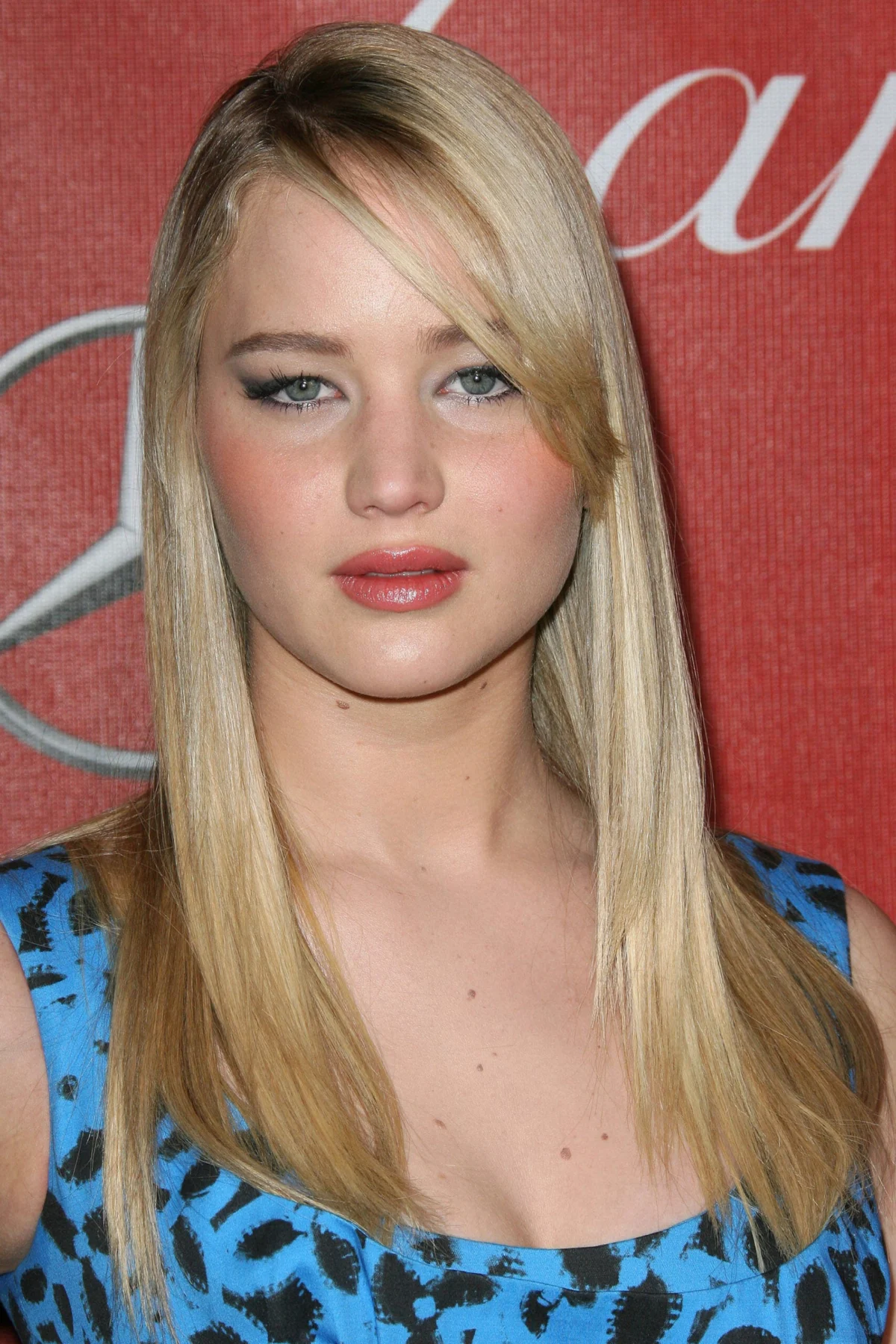
In the early 2010s, glitter was still treated as a high-risk, high-reward proposition. At the 2011 Grammy Awards, Katy Perry leaned heavily into her pop-star persona, sporting a vibrant, two-toned look featuring contrasting purple and green glitter shadows that nodded to classic pop art. Later that year, Sophie Ellis-Bextor brought a sultry, disco-inspired finish to the GQ Men of the Year Awards by pairing deep, smoky purple shadow with multi-colored glitter.
By 2016, the approach began to soften or pivot toward the avant-garde. Gigi Hadid, at a Sports Illustrated launch celebration, delivered a masterclass in blending with a diffused burgundy base topped with soft pink glitter at the inner corners. That same year, Naomi Campbell stunned at the MTV Video Music Awards with glitter-dusted lips that gave her classic beauty look a futuristic, metallic twist, while Elle Fanning embraced a grittier, rock-and-roll aesthetic at a Saint Laurent fashion show by layering chunky gold sparkles both above and below her eyes.

The Rise of Soft Glam and Graphic Lines (2017–2019)
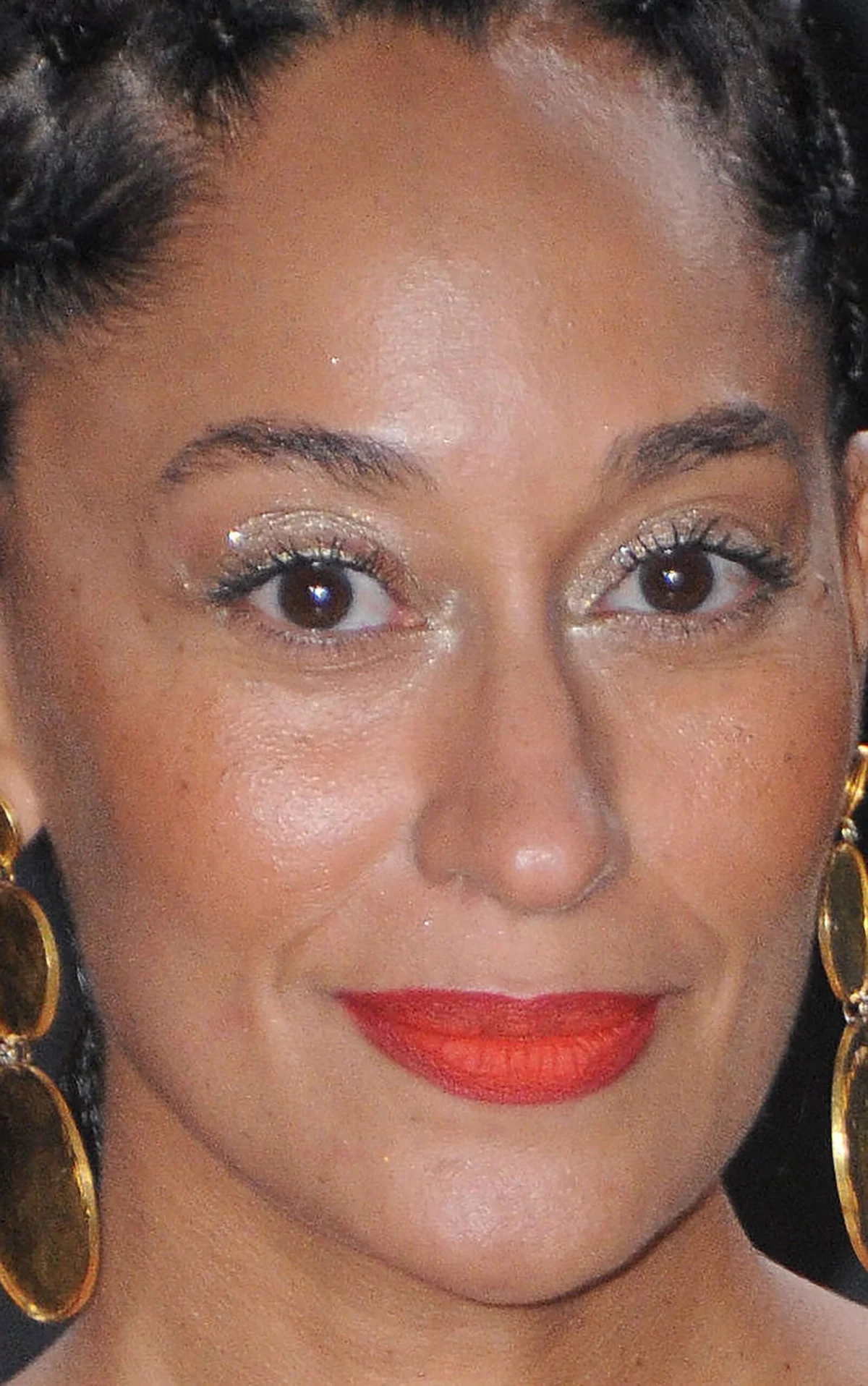
As cosmetic formulas improved, celebrities began incorporating subtle, daylight-appropriate sparkle into their looks. At the 2017 MTV Movie Awards, Tracee Ellis Ross paired sheer silver glitter shadow with fresh, minimalist skin and a classic red lip, proving that high-shine finishes could look effortless.

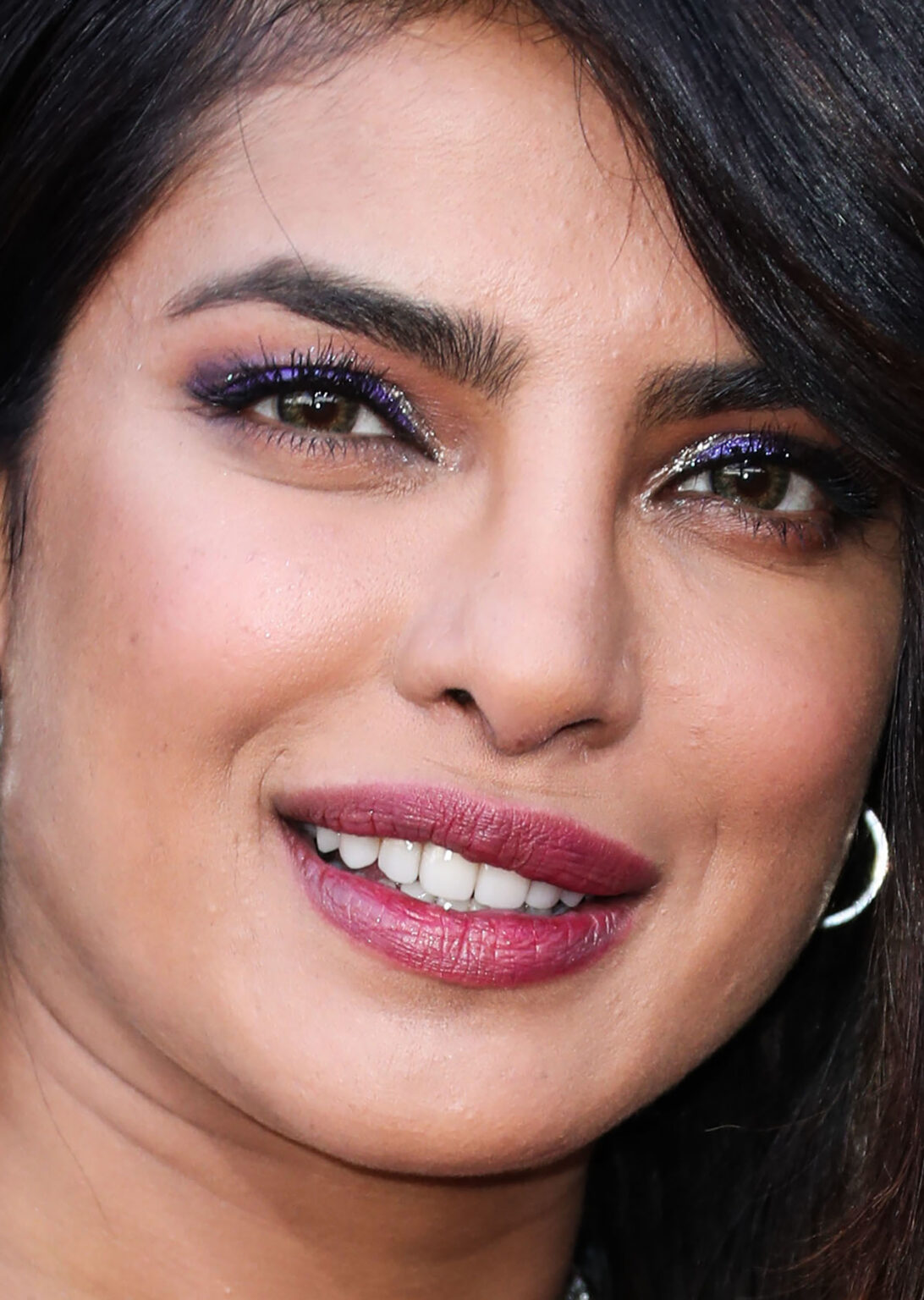
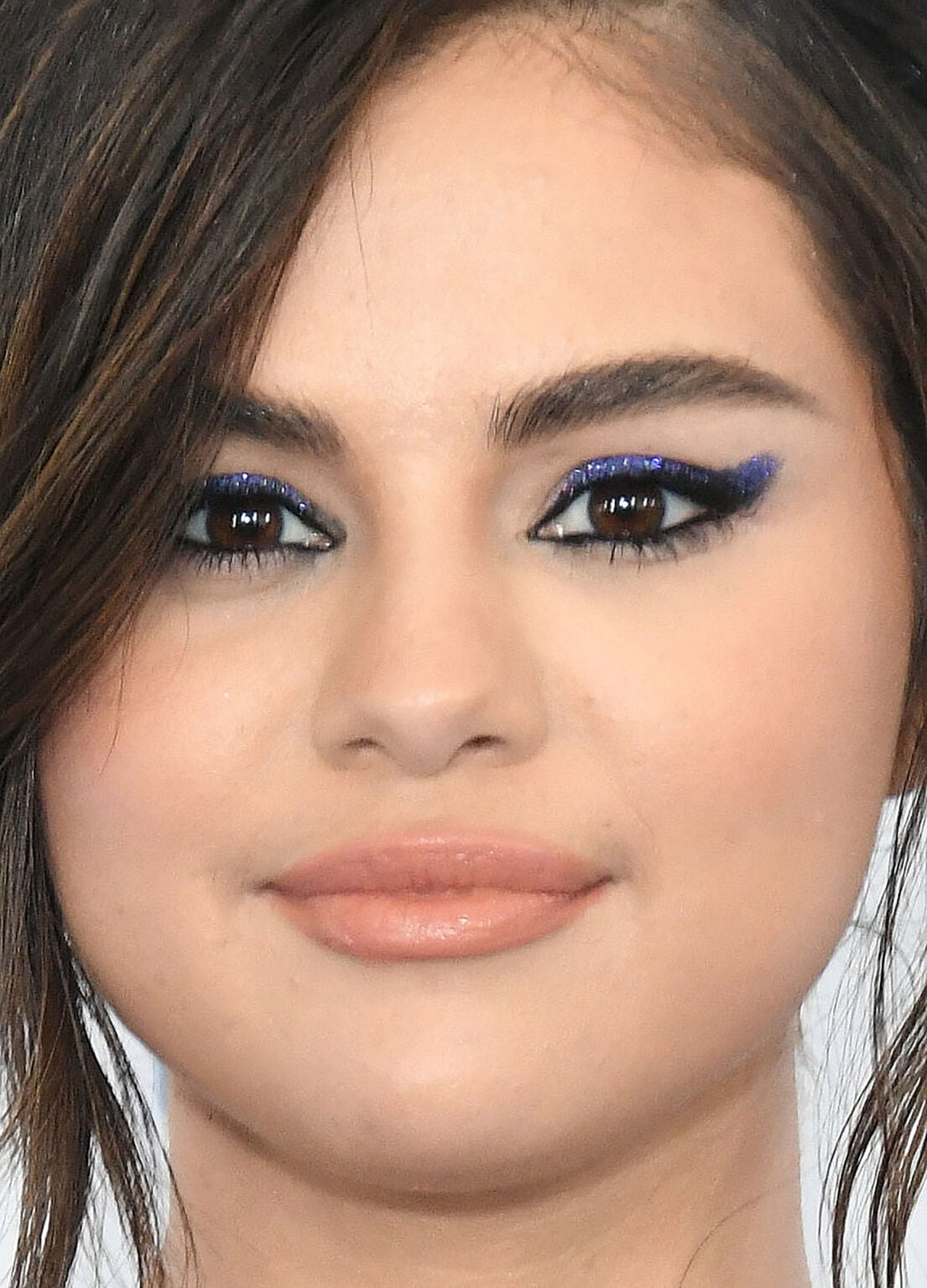
Graphic applications also gained traction. Laura Harrier (2018) and Selena Gomez (2019) utilized dense glitter liners and cat-eye shapes to make bold artistic statements against otherwise neutral complexions. Meanwhile, Priyanka Chopra (2019 Billboard Music Awards) and Kiernan Shipka demonstrated the power of layering, combining multiple shades of shimmering shadow to create multidimensional depth.
The Pandemic Pause and Post-Lockdown Maximalism (2020–Present)
As public events returned following global lockdowns, makeup artists leaned into unbridled joy and self-expression. At the 2020 Vanity Fair Oscar Party, Lucy Boynton showcased her signature experimental style with a dense layer of lower lash line glitter paired with soft pink eyeshadow.

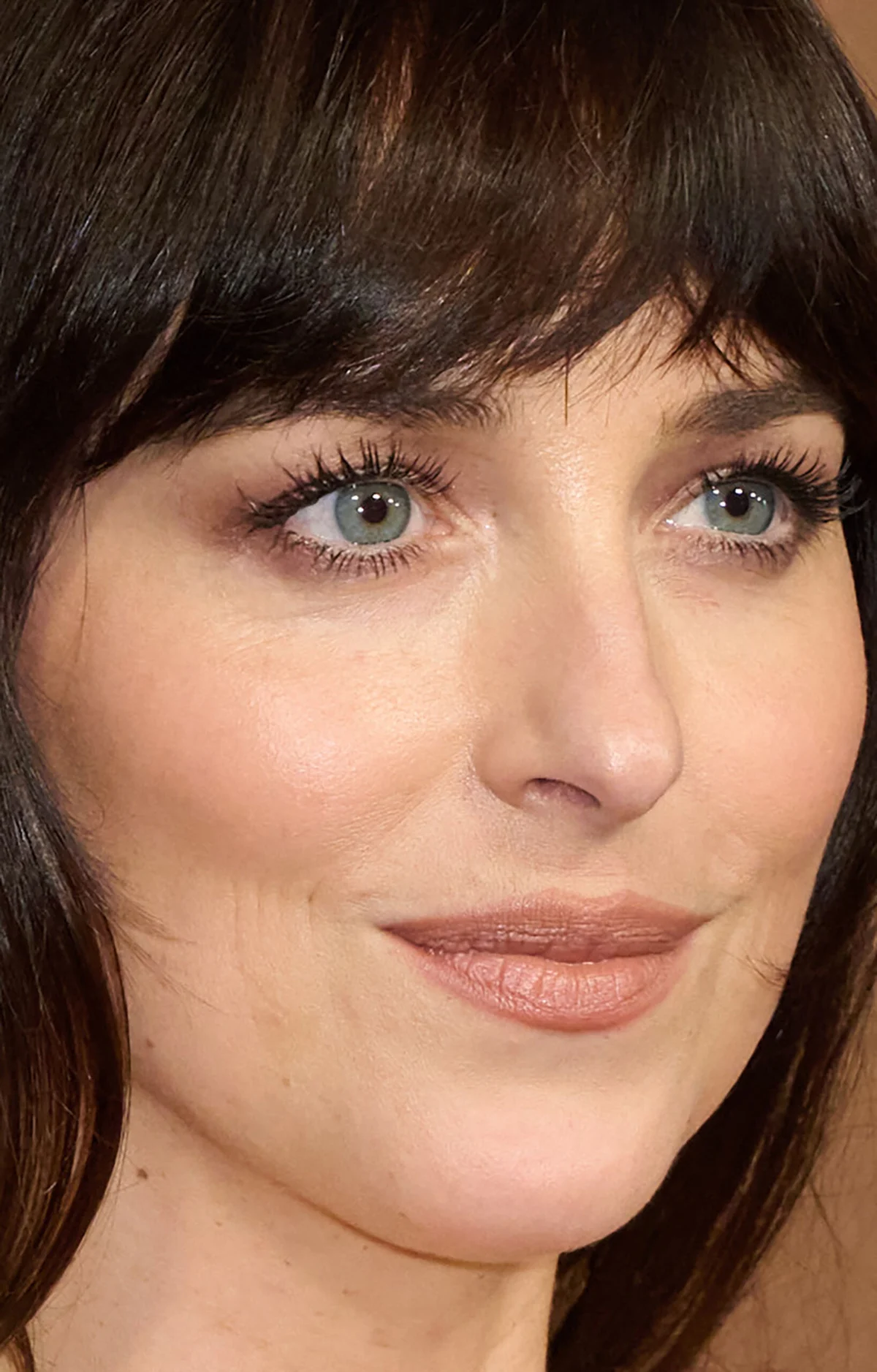
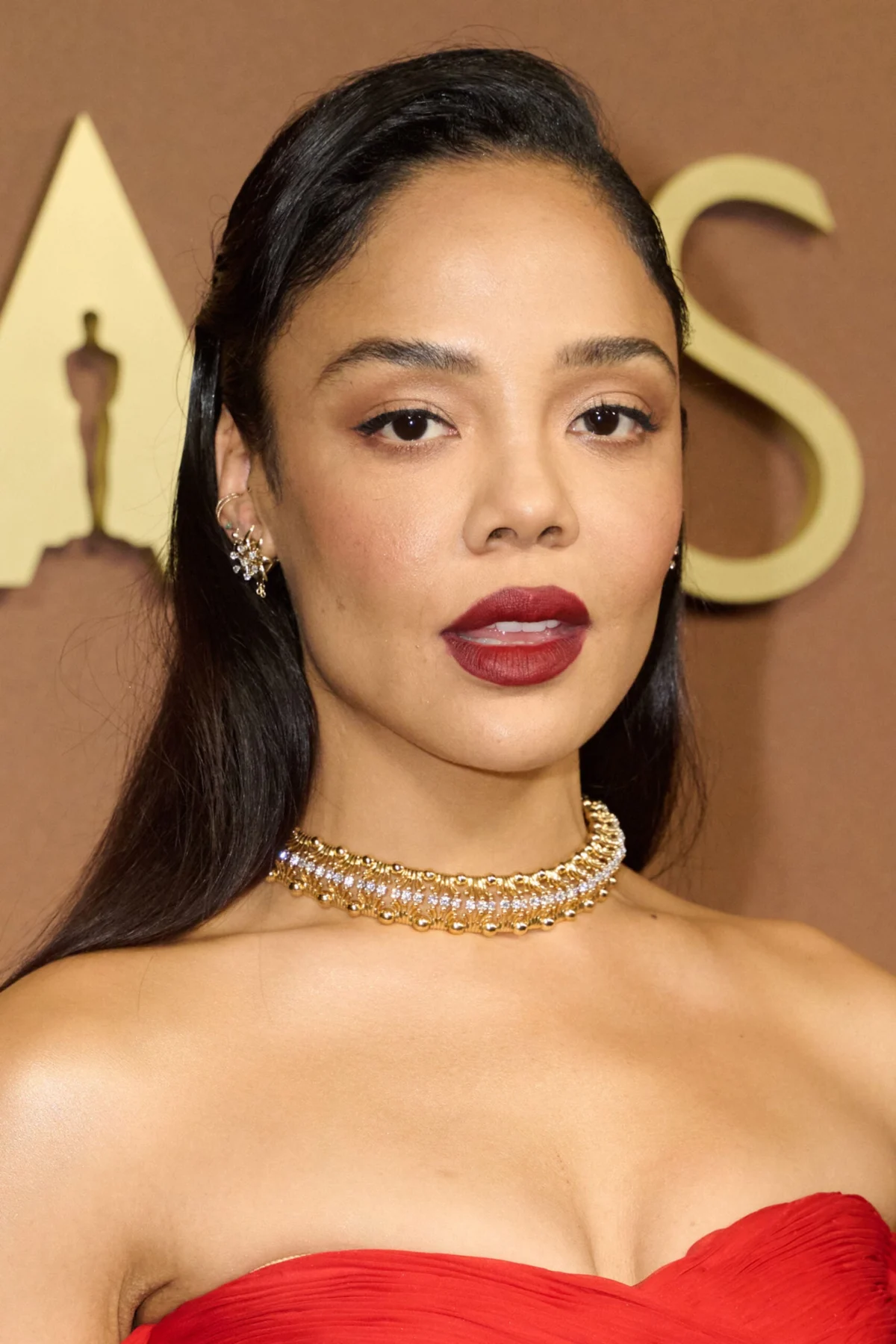
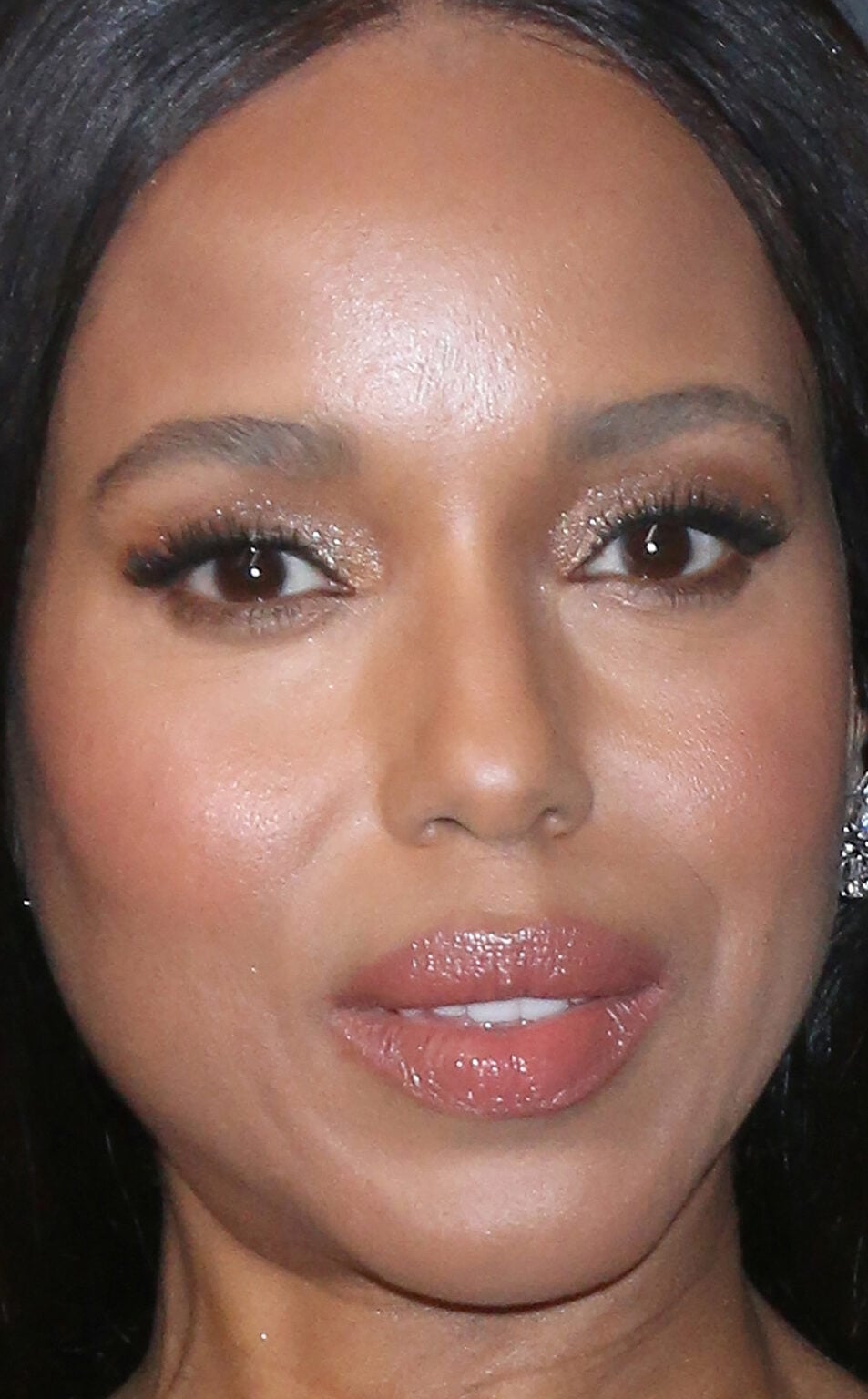
In recent years, stars like Kerry Washington (2024 Governors Awards) have kept the trend alive with sheer veils of fine champagne glitter, proving that sparkle can be both timeless and remarkably low-maintenance.

Supporting Data: Celebrity Breakdown by Aesthetic
To successfully replicate these looks at home, it helps to categorize them by their intensity and placement. Celebrity beauty choices offer a roadmap for every mood:

1. Soft and Twinkly (Daytime-Friendly)
- Kerry Washington (2024 Governors Awards): A veil of fine champagne glitter brightening the eyes, paired with a matching shimmer on the lips.
- Scarlett Johansson (2020 Oscars): Sparkly gold shadow concentrated strictly at the inner corners to add dimension to a neutral palette.
- Tracee Ellis Ross (2017 MTV Movie Awards): Sheer silver wash balanced with fresh, bare skin and a bold red mouth.
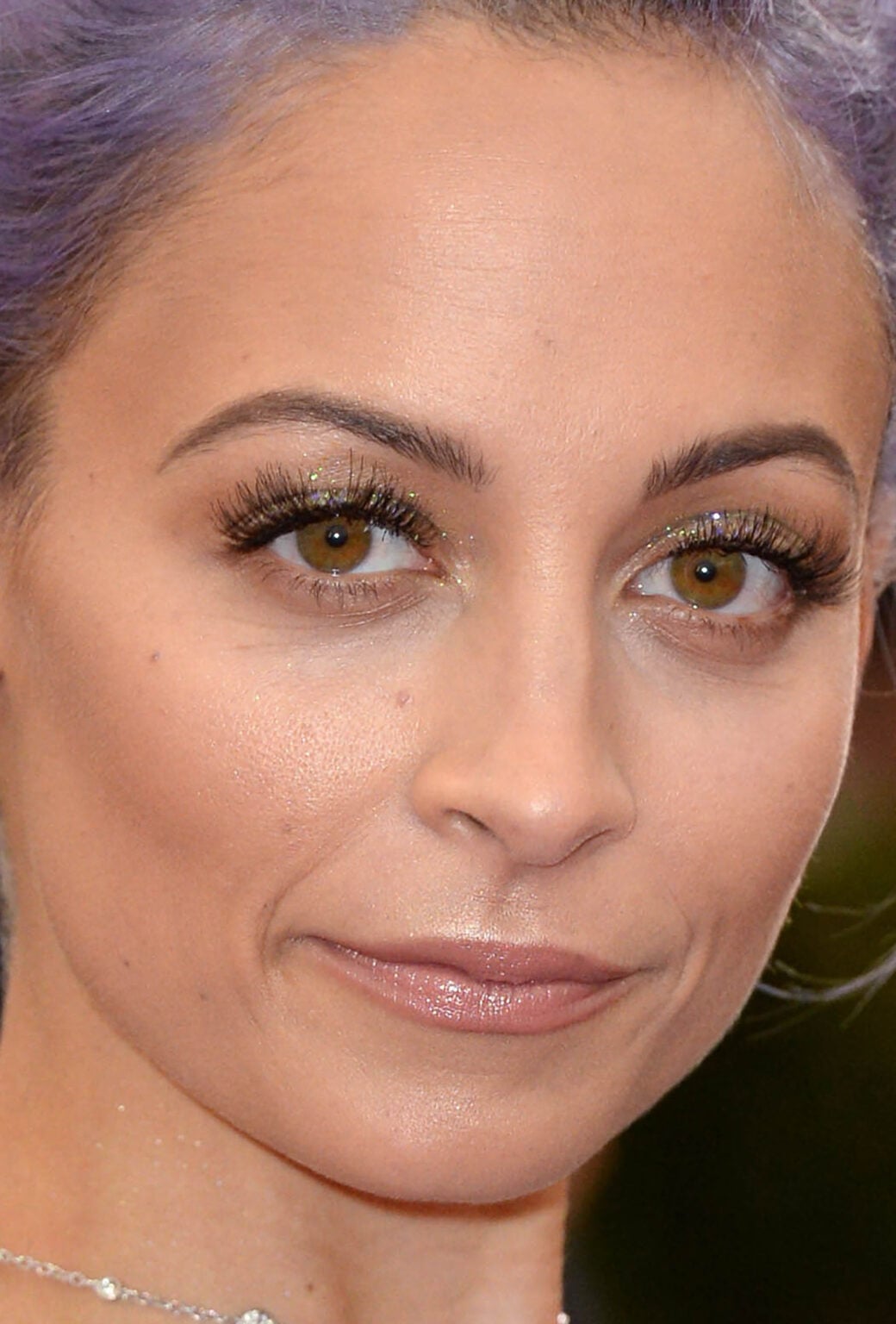
- Nicole Richie (2014 Met Gala): A delicate, ethereal wash of metallic sheen.
2. Full-Lid Eyeshadow
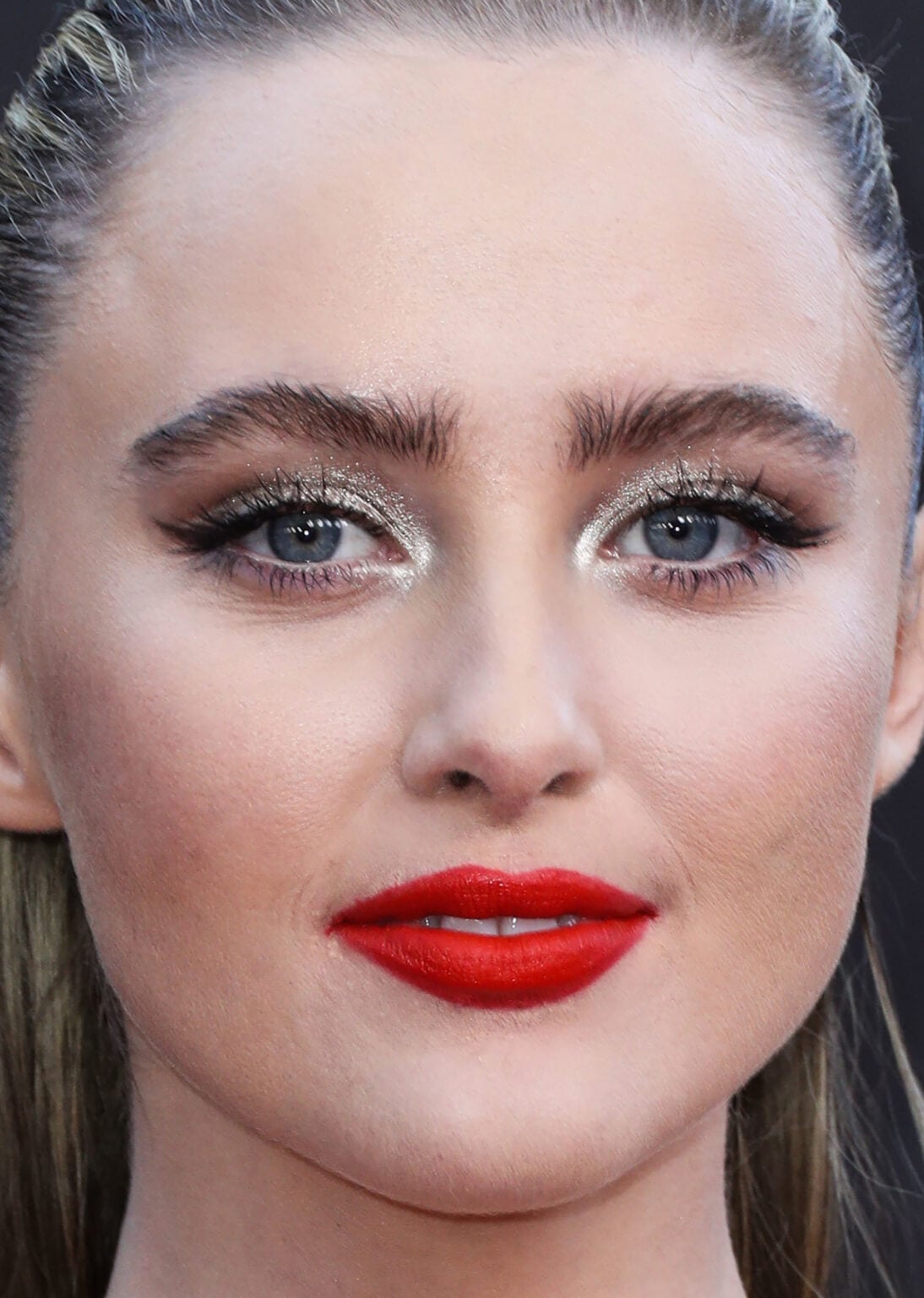
- Kathryn Newton (2022 Critics’ Choice Awards): Warm silver statement eyes balanced by a bold red lip.
- Katherine McNamara (2020 Golden Globes After-Party): Silver glitter layered over a moody gray shadow base for a delicate, smoky effect.
- Joan Smalls (2017 VMAs): Saturated pink graphic shadow dusted with red glitter for heightened intensity.
- Amanda Seyfried (2013 Lovelace Premiere): A 360-degree sweep of glittery plum shadow framing a black-lined waterline.
3. Graphic Eyeliner
- Cobie Smulders (2019 AMAs): Traditional black liner swapped out for a precise stroke of bronze glitter.
- Sydney Sweeney (2019 SAG Awards): A thin strip of gold glitter contrasting against soft, pink-toned makeup.
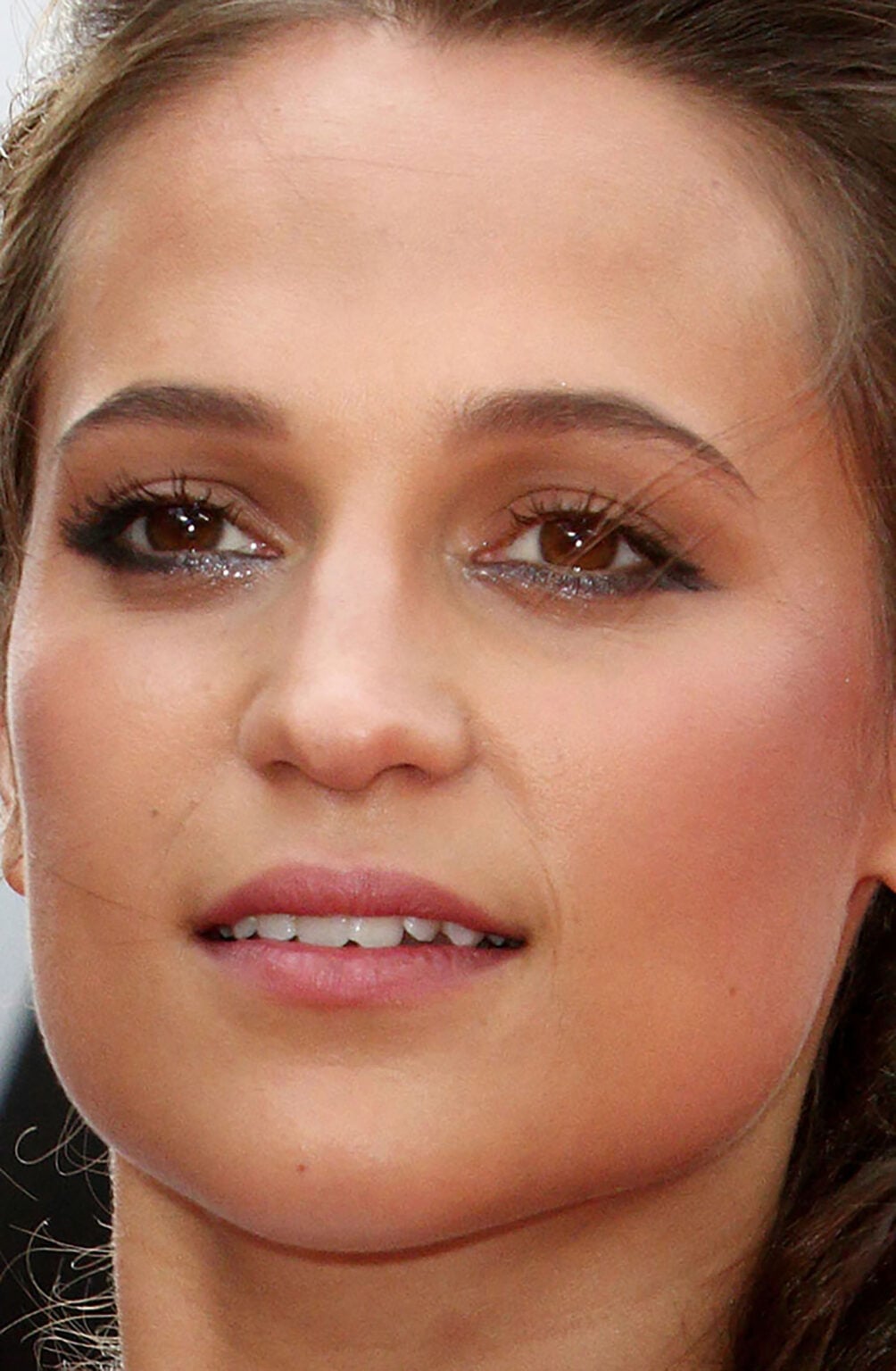
- Alicia Vikander (2016 Jason Bourne Premiere): A bold, lower-lash-line sweep of glittery gunmetal.
4. High-Glam Smoky Eyes
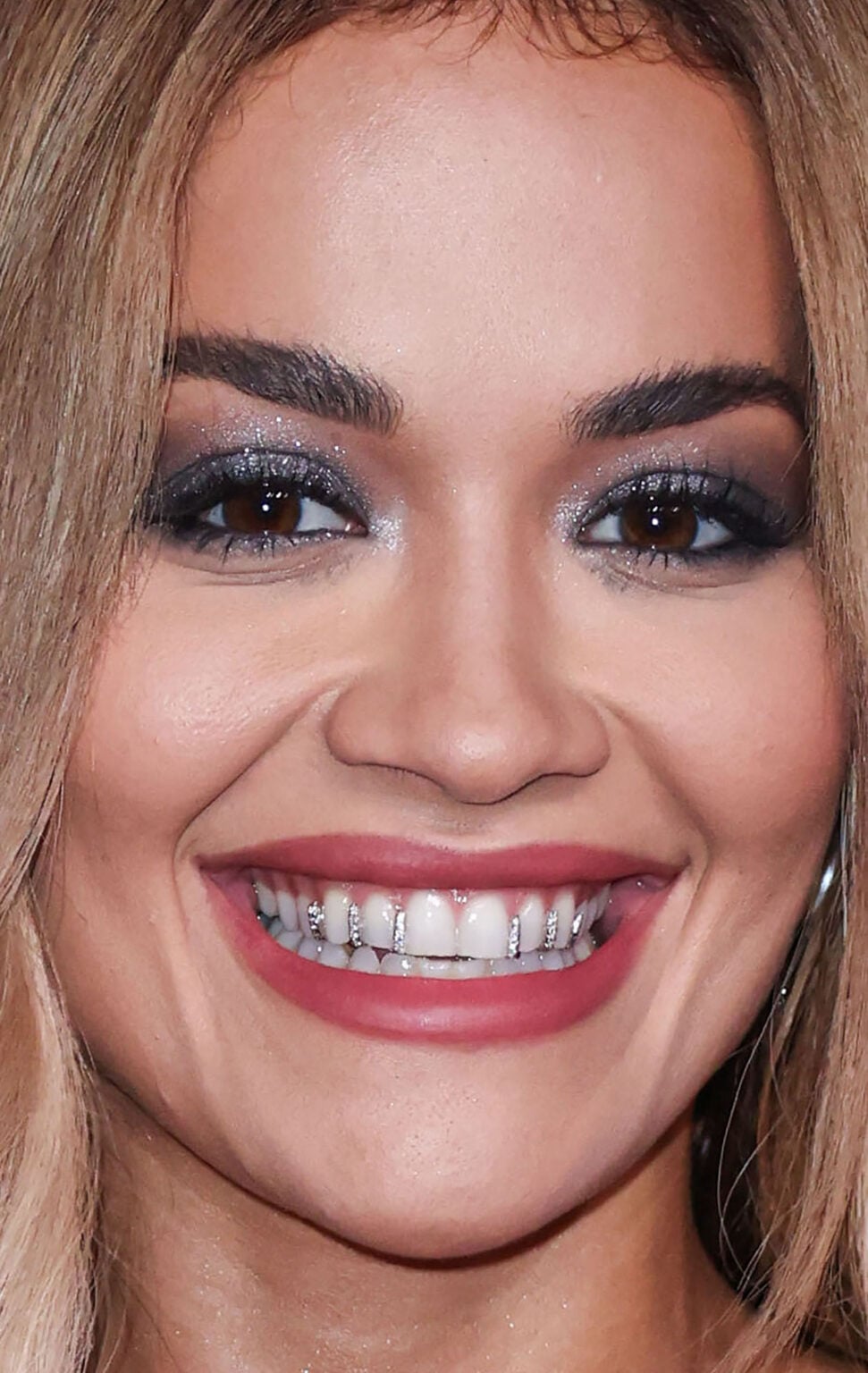
- Rita Ora (2023 VMAs): Charcoal and dark brown shadows supercharged with silver glitter and black liner.
- Charli XCX (2023 Vanity Fair Oscar Party): An exaggerated diagonal smoky eye blanketed in iridescent silver glitter from lash line to brow.
- Halsey (2023 Vanity Fair Oscar Party): Inky, intense smoke punctuated by flecks of gold glitter for added texture.
- Olivia Wilde (2019 Hollywood Film Awards): Silver particles pressed over the center of the lids, anchored by blended black shadow at the outer edges.
Official Responses and Expert Beauty Insights
Leading makeup artists and industry authorities agree that the democratization of glitter has changed how consumers view evening versus daytime wear.

According to product developers across major cosmetic houses, the primary consumer complaint regarding traditional glitter was fallout—the tendency of loose particles to migrate down the cheekbones and into the eyes throughout the day or evening. The integration of self-setting polymer bases has eliminated this barrier.

"When you use a self-setting gel or a liquid-to-powder formula, the glitter locks into place within seconds," notes celebrity makeup artistry commentary. "You no longer need elaborate lash-glue concoctions or professional grade sealants just to wear a bit of sparkle to dinner. The chemistry has done the work for you."
Furthermore, dermatological and ophthalmological safety standards have evolved. Modern cosmetic-grade glitters utilize finely cut polyester or biodegradable cellulose materials that feature smooth edges, drastically reducing the risk of micro-abrasions on the delicate skin of the eyelids compared to older, craft-store-style metallic flakes.

Implications: The Future of Playful Beauty
The normalization of high-shine, multidimensional cosmetics carries broader implications for the beauty industry at large.

First, it signals a permanent step away from the hyper-matte, heavily contoured aesthetics of the mid-2010s. As consumers lean toward skin-imalism, dewy complexions, and glass-skin finishes, glitter acts as a natural extension of this desire for luminosity. It celebrates texture, reflection, and light rather than attempting to flatten or bake the face into submission.
Second, it bridges the gap between Gen Z’s experimental, festival-driven makeup culture and classic Hollywood glamour. By demonstrating that a touch of shimmer can accompany a tailored gown just as easily as it can a sequined crop top, celebrities have validated creative play as a legitimate form of personal style.
Top Glitter Formulas to Try at Home
For those inspired to recreate these red-carpet moments, beauty editors and makeup artists recommend the following cult-favorite products:
- Stila Glitter & Glow Liquid Eye Shadow: A gold standard in the beauty community. This quick-drying liquid shadow delivers high-impact sparkle with zero fallout, allowing for effortless application.
- Urban Decay Moondust Glitter Eyeliner: Perfect for graphic liner looks, this long-wearing formula offers precise application and vibrant color pay-off.
- Violette_FR Yeux Paint: Ideal for those seeking an effortless, editorial French-girl finish. These high-pigment liquid shadows provide a twinkling wash of color.
- Danessa Myricks Beauty Infinite Chrome Flakes: For maximum drama, these color-shifting, multidimensional flakes are suspended in a self-setting gel, making them a red-carpet favorite.
- Pat McGrath Labs LUST: Gloss: To achieve the elusive glitter-lip trend without the gritty texture, this high-shine gloss adds dimensional shimmer and a glass-like finish to any lip look.