WASHINGTON — In an era dominated by hyper-connected smartphones, cloud-based sync tools, and artificial intelligence assistants, a surprising analog resurgence is quietly taking over home offices and kitchen refrigerators across the globe. The demand for physical, paper-based organization tools has reached an all-time high, with creators reporting unprecedented early-season requests for upcoming yearly planners.
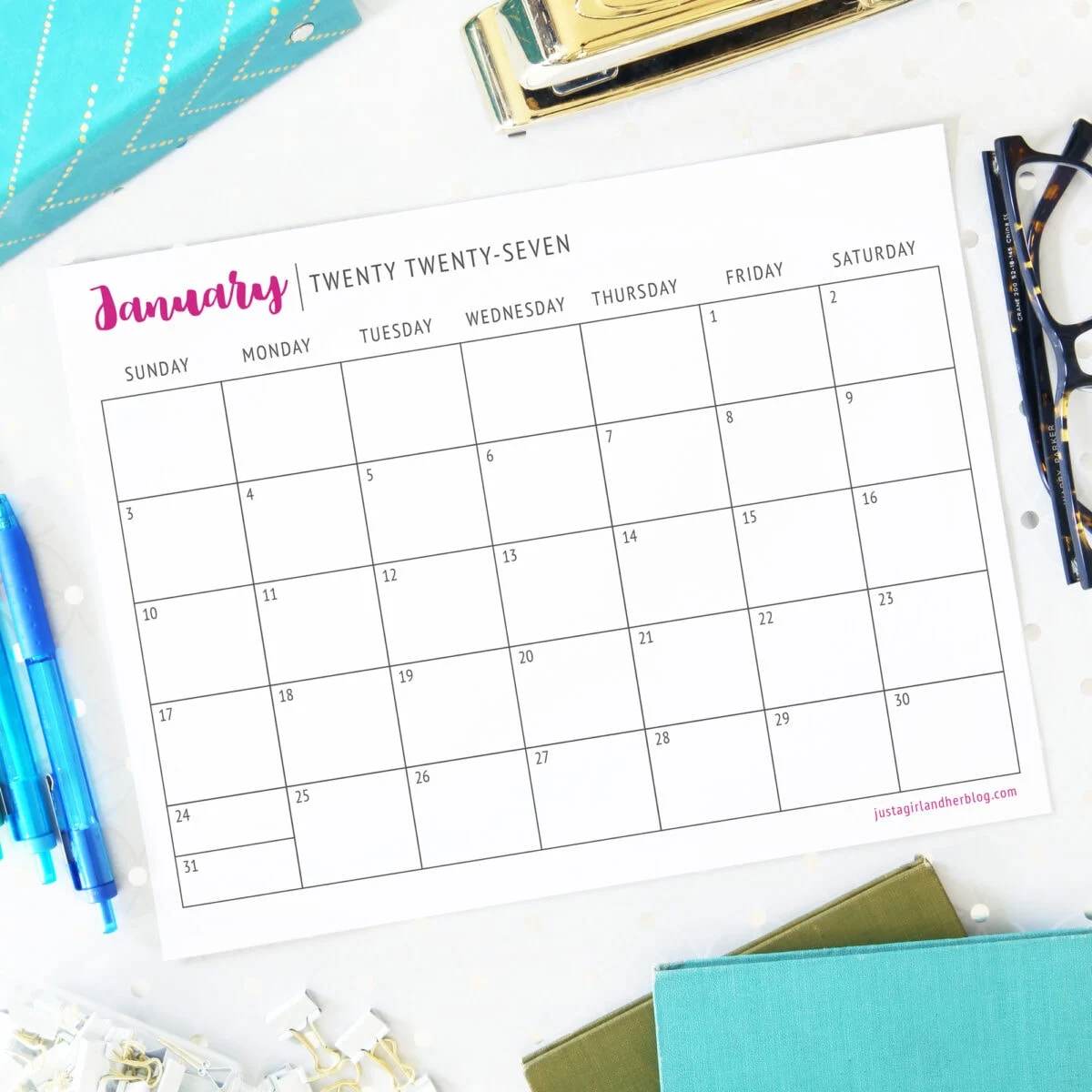
Leading the charge in the digital-to-print productivity space, popular lifestyle and organization platform Just a Girl and Her Blog has officially released its highly anticipated Free Printable Calendar 2027. The launch arrives significantly earlier than in previous years, driven by what planning advocates describe as a cultural shift toward tactile productivity, intentional time-blocking, and digital detoxing.
Main Facts: The 2027 Printable Calendar Phenomenon
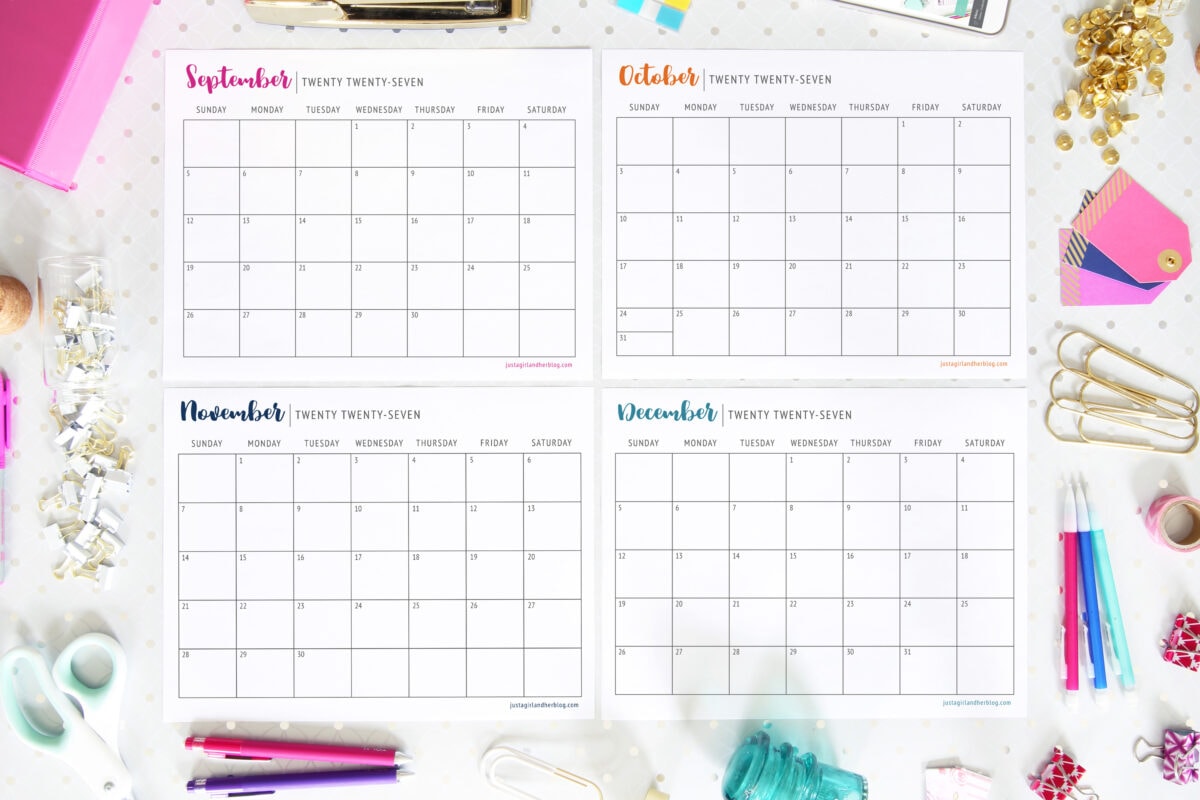
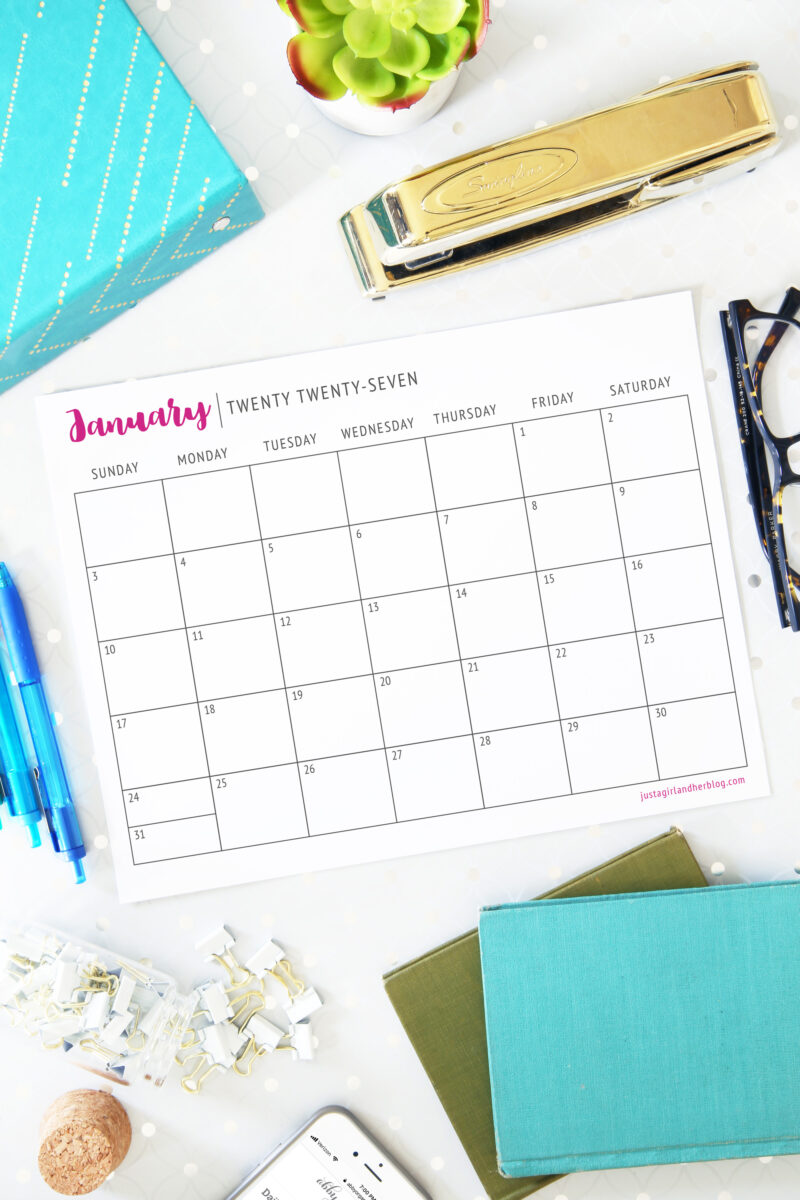
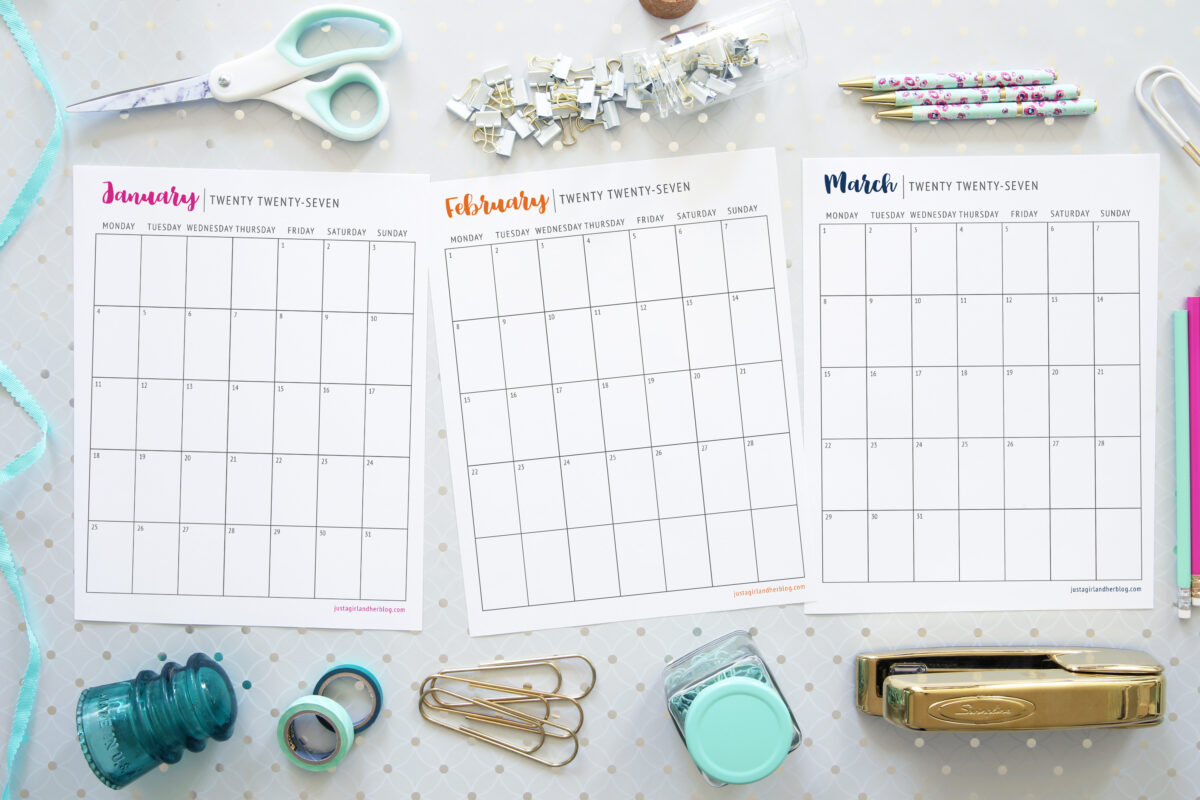
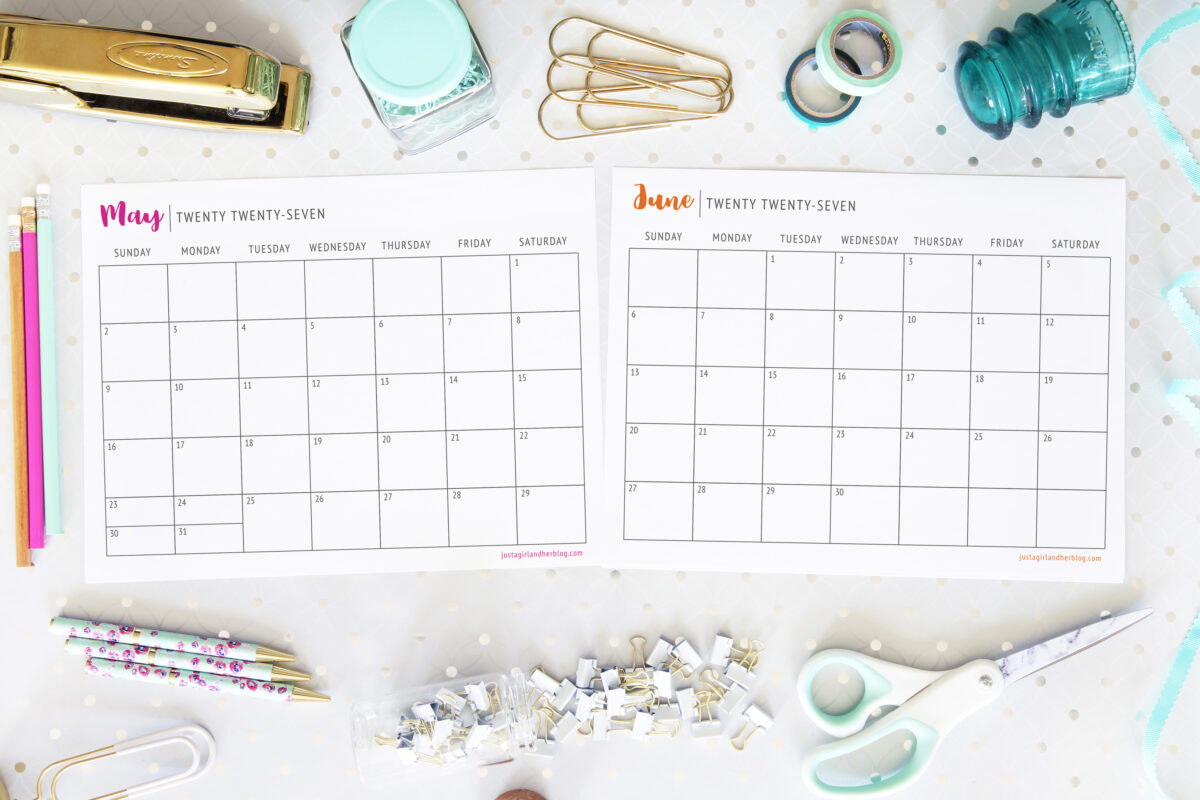
The newly launched 2027 collection provides users with a comprehensive, beautifully designed suite of monthly planning tools optimized for standard 8.5” x 11” paper formats. Available in both vertical and horizontal layouts, the resources are engineered to serve multifaceted organizational needs—ranging from corporate deadline tracking and academic scheduling to fitness logging, meal planning, and family coordination.
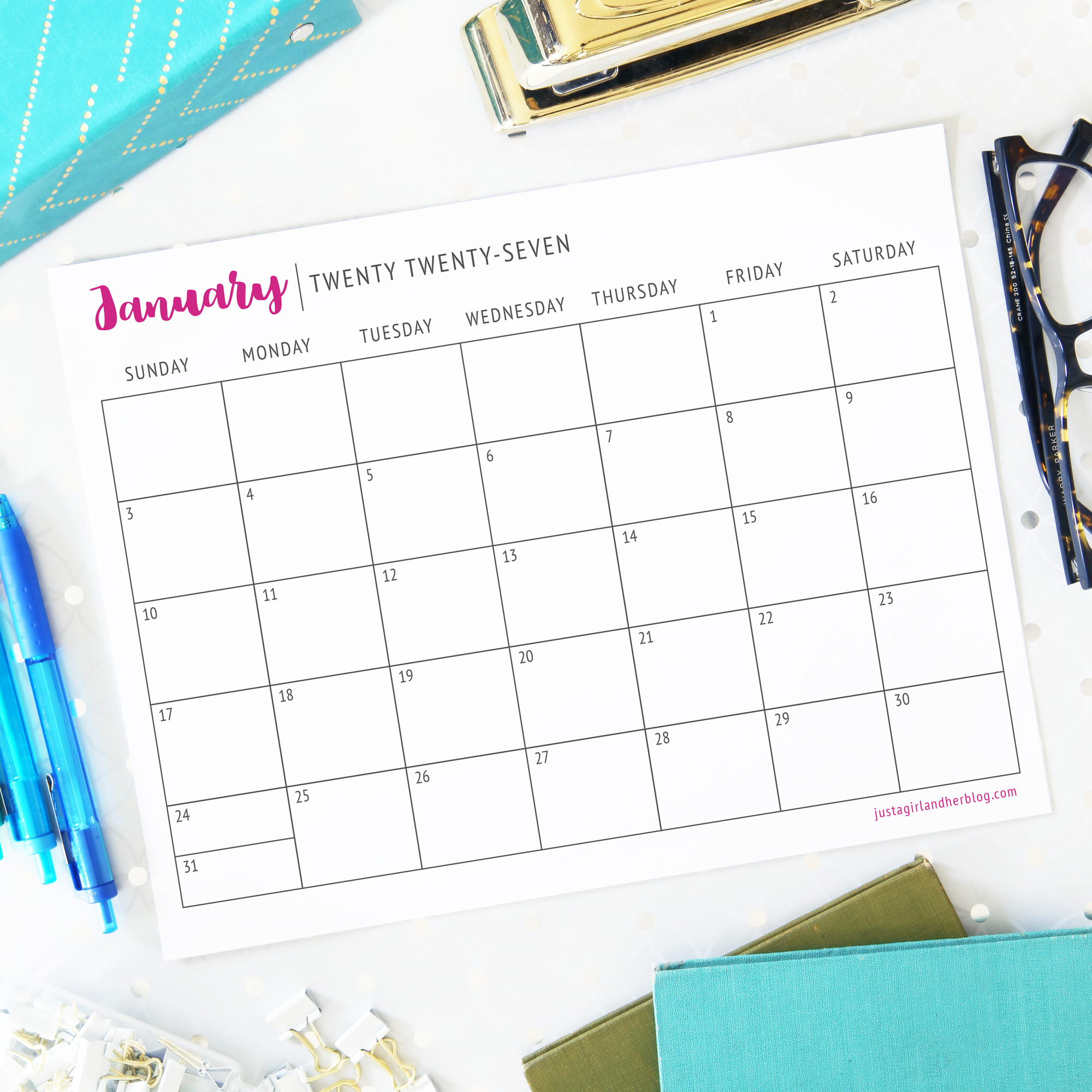
Unlike rigid, store-bought planners that often come with pre-printed layouts that may not suit every user’s workflow, printable calendars offer hyper-customization. Users can print single months on demand, slide them into sleek three-ring binders, mount them on magnetic boards, or pin them directly to command centers.
The early arrival of the 2027 assets highlights a growing consumer appetite for long-term forecasting. While most calendar releases historically debut in late autumn, creators note that requests for the 2027 templates began pouring in as early as April—marking the earliest spike in the platform’s history.
Chronology: From Holiday Bank Giveaways to Viral Digital Downloads
To understand the current obsession with printable calendars, industry analysts point to a fascinating cultural evolution in how communities interact with scheduling tools.
- The Mid-to-Late 20th Century (The Banking Era): Decades before digital applications dominated daily life, traditional paper calendars were treasured holiday commodities. Local financial institutions famously distributed branded wall calendars during the winter months. These items were so popular that customers would frequently request them months in advance, prompting branches to ration supplies to prevent hoarding.
- The 2010s (The Rise of the Digital Shift): As smartphones and digital calendars (such as Google Calendar and Apple Calendar) saturated the market, many predicted the complete extinction of paper planners. However, a counter-movement quickly emerged, emphasizing the cognitive benefits of handwriting appointments.
- The Mid-2020s (The Hybrid Productivity Boom): Recognizing a gap in the market for clean, minimalist, and cost-effective planning aids, lifestyle bloggers began designing modular, downloadable PDFs.
- April to July 2026: Consumer demand reached a boiling point. Prompted by early inquiries from proactive "calendar people" as early as April, creators fast-tracked their design schedules. By July 2026, the complete infrastructure for the Free Printable Calendar 2027 was finalized and published online, satisfying one of the earliest planning cycles on record.
Supporting Data: The Science and Statistics of Tactile Planning
While skeptics often question the viability of paper in a paperless world, behavioral science and productivity analytics consistently point to the psychological benefits of physical writing.
1. The Cognitive Advantage of Handwriting
Numerous psychological studies indicate that writing by hand engages fine motor skills and activates areas of the brain associated with memory retention and conceptual processing. Typing on a keyboard or tapping a touchscreen often results in passive information entry, whereas physical pen-to-paper mapping encourages active cognitive engagement.
2. Digital Fatigue and the "Analog Escape"
With the average modern professional spending upwards of seven hours a day staring at illuminated screens—spanning computers, tablets, and mobile devices—home offices have increasingly become "screen-free sanctuaries" for administrative tasks. A physical wall calendar provides a resting place for the eyes, allowing families and professionals to visualize their entire month at a single glance without relying on push notifications or internet connectivity.
3. Usage Diversification Metrics
According to internal tracking metrics from major organization and home-management platforms, modern users utilize printable calendar templates far beyond standard date-keeping. Primary use cases include:
- Goal Tracking: Breaking down annual objectives into manageable monthly milestones.
- Content and Editorial Planning: Used extensively by freelance creators, bloggers, and small business owners.
- Health and Wellness Logs: Monitoring workout routines, sleep patterns, hydration, and medication schedules.
- Academic and Extracurricular Management: Coordinating children’s school events, sports practices, and tutoring sessions in multi-child households.
Official Responses and Expert Insights
Industry veterans and digital creators have expressed amazement at the enduring passion surrounding simple paper grids.
Abby Lawson, the creator behind the widely followed lifestyle and organization brand Just a Girl and Her Blog, noted the intense community enthusiasm surrounding the early 2027 rollout.
"Calendar people are my kind of people," Lawson shared in the official release announcement. "Every year around this time, I start to get a bunch of emails asking, ‘When is next year’s calendar coming out?!’ This year, it started earlier than ever. I think I got my first 2027 calendar request in April! There’s just something about calendars that gets people genuinely excited. It reminds me of working at a bank years ago when people would come in during the summer asking for holiday calendars. It’s a simple tool, but sometimes the simplest tools are the most powerful."
Productivity coaches emphasize that the emotional attachment to paper calendars stems from a deep-seated human desire for control. In an unpredictable world, physically crossing off a completed day or outlining a clear monthly trajectory provides immediate psychological reassurance and dopamine-driven motivation.
Implications: What the 2027 Calendar Trend Means for the Future
The massive reception of the Free Printable Calendar 2027 carries several key implications for consumers, educators, and the broader productivity market:
1. The Democratization of Organization
By offering high-resolution templates completely free of charge, digital creators are removing financial barriers to effective time management. Families operating on tight household budgets can access professional-grade design layouts without purchasing expensive, branded boutique planners.
2. The Maturation of Hybrid Productivity Models
The modern organizational ecosystem is no longer an "either/or" battle between paper and digital. Instead, successful planners employ a hybrid approach: using digital tools (like calendar apps with reminder alerts) for dynamic, on-the-go scheduling, while relying on physical, printed monthly calendars for high-level macro planning and visual clarity.
3. A Focus on Intentional Living
The early demand for 2027 resources reflects a broader cultural pivot toward proactive preparation and intentional living. Rather than rushing through the final quarters of the current year, consumers are eager to establish frameworks that reduce stress, eliminate administrative friction, and foster long-term personal growth.
How to Access the Free Printable 2027 Calendar
For individuals looking to jumpstart their organizational routines for the upcoming year, the complete suite of resources is now publicly accessible.
- Format Specifications: Designed for standard US Letter paper (
8.5” x 11”), ensuring seamless compatibility with home and office printing setups. - Storage Options: Users can easily mount the pages on refrigerators, store them in durable three-ring binders, clip them onto desktop clipboards, or integrate them into household command centers.
- Complementary Resources: Alongside the primary 2027 monthly grids, creators have made expansive digital libraries—containing upwards of 65 distinct planning, budgeting, and goal-setting printables—available for public use.
As the world continues to navigate an increasingly fast-paced digital landscape, the humble paper calendar proves that some innovations are simply timeless.