
Budgeting is frequently cited as the cornerstone of personal financial health, yet it remains one of the most abandoned habits in modern households. The primary culprit? Complexity. When a budget feels like a chore—or worse, an impossible puzzle—the motivation to track expenses evaporates. For the millions of employees paid on a biweekly schedule, the challenge is amplified by the misalignment between 26 annual paychecks and the standard 12-month calendar.
However, far from being a hurdle, a biweekly pay structure can serve as a potent tool for wealth accumulation. By adopting a structured, systematic approach to cash flow management, individuals can transform their finances from a source of stress into a streamlined engine for growth.

The Fundamentals: What is a Biweekly Budget?
To manage money effectively, one must first understand the mechanics of their income. A biweekly budget is designed for those who receive 26 paychecks per year, with payment arriving every two weeks. This differs significantly from a "semi-monthly" schedule, which results in exactly 24 paychecks per year—usually distributed on the 1st and 15th of each month.
Because biweekly pay periods often overlap across calendar months, the typical "monthly bill" mindset fails to account for the gaps in income. Successfully navigating this requires a mental shift: instead of viewing income as a monthly lump sum, it must be viewed as a series of distinct funding events that must be carefully allocated to cover fixed obligations and variable costs.

Chronology of Financial Control: A Five-Step Implementation Plan
Establishing a robust budget requires a phased approach. By following this sequence, households can move from financial reactivity to proactive planning.
Step 1: Establish Your Income Baseline
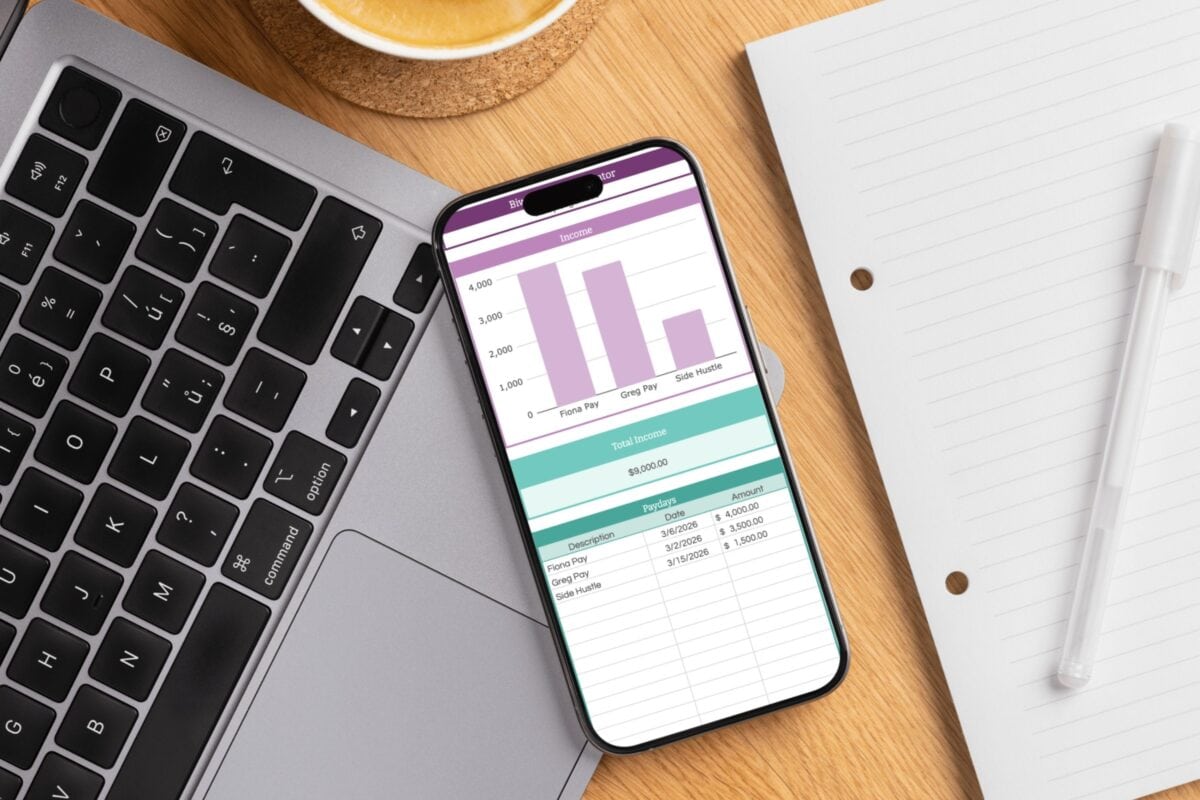
The first step is to clarify your net income per paycheck. This is the "take-home" amount after taxes and benefits. If you are part of a dual-income household or supplement your salary with freelance work, consolidate these figures into a single, reliable number. Knowing exactly how much liquid cash you have available every 14 days is the bedrock of the entire system.

Step 2: Conduct a Comprehensive Debt and Bill Inventory
Examine your bank and credit card statements from the previous 60 days. Create a comprehensive ledger of every recurring obligation, including mortgage or rent, utilities, insurance, subscriptions, and debt repayments. For variable costs—such as electricity—it is prudent to budget for the high-end of your typical usage to create a natural "cushion."
Once the list is compiled, map these bills to your pay schedule. If you find your first paycheck of the month is overloaded with expenses while the second is relatively light, contact your service providers. Most utility companies and credit card issuers are willing to adjust billing cycles to better align with customer pay dates.
Step 3: Calibrate Variable Expenses
With fixed bills accounted for, turn your attention to variable expenses: groceries, fuel, dining out, and entertainment. If you are uncertain about these costs, spend one month simply tracking every cent spent. Use this data as a baseline to set realistic limits for the following month.
Step 4: Prioritize Savings and Buffer Funds
A critical component of this strategy is the "Buffer Fund." Because paydays may occasionally fall in a way that leaves a temporary gap before a large bill is due, maintaining a small, dedicated cash buffer is essential. This fund acts as a shock absorber, preventing you from overdrawing your account or dipping into long-term savings for short-term liquidity issues.

Step 5: The Habit of Weekly Review
Budgeting is not a "set it and forget it" task. Dedicate 20 minutes each week—ideally on Friday mornings—to record your transactions. This recurring review allows you to catch overspending early, adjust your lifestyle in real-time, and maintain the psychological momentum necessary to stay on track.
Supporting Data: The "Third Paycheck" Phenomenon
The most compelling argument for the biweekly budgeting model is the "bonus month" effect. Because there are 52 weeks in a year, a biweekly schedule results in two months out of every twelve where you receive three paychecks instead of two.

If a household organizes their baseline budget around only two paychecks per month, those two "extra" paychecks represent a significant annual windfall. This creates an immediate opportunity to accelerate financial goals, such as:
- Aggressive Debt Repayment: Applying an entire paycheck to the principal of a high-interest loan can shave years off a repayment timeline.
- Emergency Fund Expansion: Using the surplus to pad your six-month safety net.
- Strategic Investing: Depositing the full amount into tax-advantaged retirement accounts or brokerage portfolios.
- Major Life Purchases: Planning for big-ticket items—such as home repairs or annual vacations—without the need for high-interest financing.
Expert Perspectives on Fiscal Organization
Financial counselors frequently note that the failure to budget is rarely a failure of math, but rather a failure of process. By using a digital or physical "Biweekly Bill Calculator," users can automate the complex task of determining which bill should be paid from which specific paycheck.

Industry experts argue that the most successful budgeters are those who remove the "decision fatigue" from the process. When a template or spreadsheet handles the calculation of how much money is "left to spend" after bills are deducted, the user is empowered to make informed choices about discretionary spending rather than guessing if they can afford an expense.
Implications for Long-Term Wealth
The long-term implications of mastering a biweekly budget are profound. Beyond the immediate relief of avoiding late fees or overdrafts, this system fosters a heightened level of financial literacy. By consistently engaging with the numbers, individuals develop a more intuitive understanding of their own consumption habits.

Furthermore, the act of "paying yourself first"—by treating savings contributions as non-negotiable bills—ensures that wealth-building is prioritized. Over a five or ten-year period, the compounding effect of consistently applying "third-paycheck" surpluses to debt and investments can result in a net-worth shift of tens of thousands of dollars.
Conclusion: Turning Complexity into an Asset
Ultimately, the transition to a biweekly budget is a journey toward financial autonomy. It requires initial effort to inventory debts, align billing dates, and reconcile income, but the payoff is a system that runs on autopilot. By turning a potentially confusing pay cycle into a structured, predictable routine, you stop wondering where your money went and start directing it toward where you want it to go.

Whether you are looking to clear lingering credit card debt, save for a down payment, or simply find peace of mind at the end of every month, the biweekly budget is a proven, high-impact tool for anyone ready to take full control of their financial destiny. Start by tracking your income, build your buffer, and prepare to leverage those two extra paychecks to build the future you deserve.