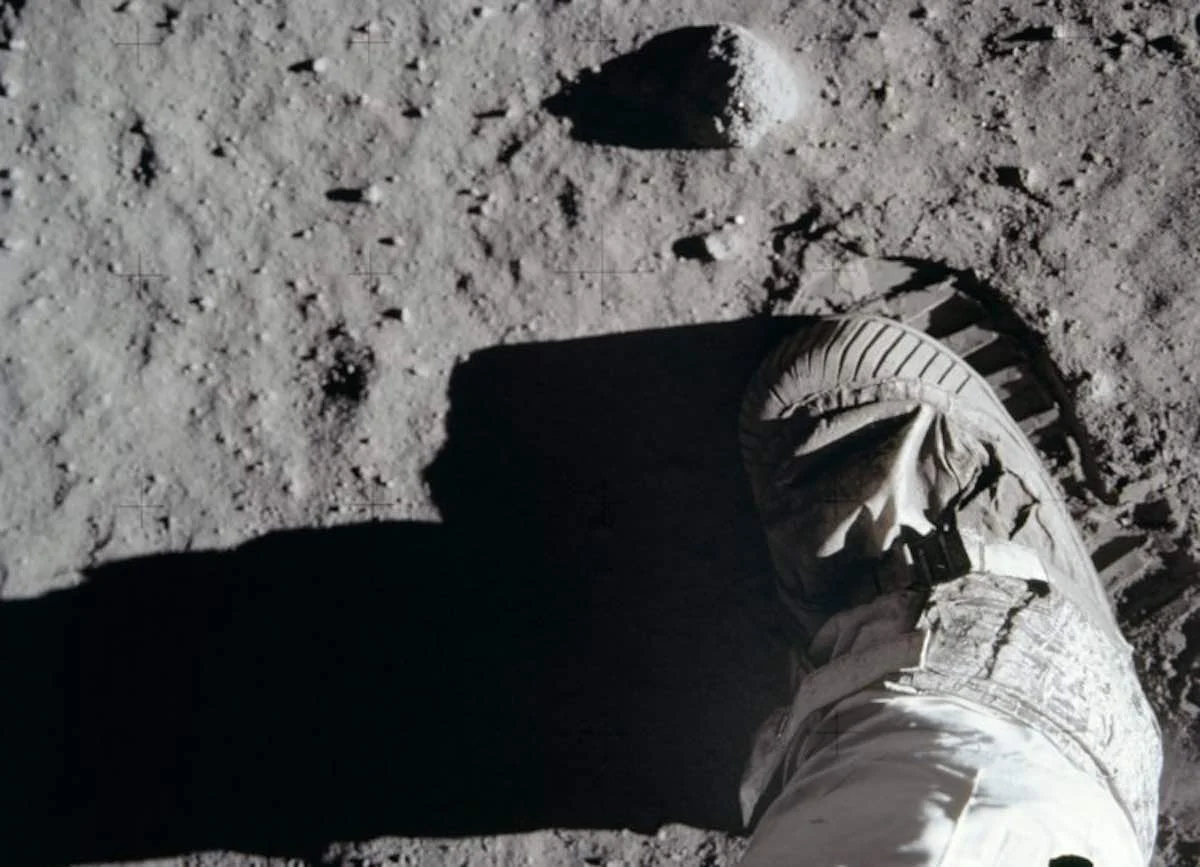
The 20th of July stands as one of the most consequential dates in the human chronicle. From the silent, dust-covered plains of the lunar surface to the halls of global power and the evolution of the rock music landscape, this day serves as a perennial reminder of human potential, resilience, and the relentless pursuit of progress. Today, we reflect on the milestones that defined our past and continue to influence our present.
I. The Lunar Breakthrough: Apollo 11 and the Giant Leap
Fifty-seven years ago today, the trajectory of human history shifted forever. On July 20, 1969, the United States’ Apollo 11 mission achieved the impossible: landing the first humans on the moon.
The Perilous Descent
The mission was defined by a hair-raising finale. As the lunar module, Eagle, approached the Sea of Tranquility, the crew faced a critical situation. With only 30 seconds of fuel remaining, Neil Armstrong and Buzz Aldrin were forced to manually pilot the craft away from a crater littered with treacherous, boulder-sized obstacles. When the craft finally settled on the lunar surface at 4:17 p.m. EDT, the relief at Mission Control in Houston was palpable, culminating in the iconic transmission: "Houston, Tranquility Base here. The Eagle has landed."
The First Step
At 10:56 p.m. EDT, humanity transcended its terrestrial bounds. Neil Armstrong descended the ladder, his image beamed to over half a billion people on Earth. His words—"That’s one small step for man, one giant leap for mankind"—became the defining mantra of the space age. Buzz Aldrin soon followed, famously describing the alien landscape as one of "magnificent desolation."
Implications and Legacy
Beyond the collection of moon rocks and the planting of the American flag, the mission left a plaque on the lunar module’s leg that read: "Here men from the planet Earth first set foot upon the moon. July, 1969 AD. We came in peace for all mankind." Reflecting years later, Armstrong remained humble, insisting that the credit belonged to the hundreds of thousands of scientists, engineers, and support staff who fulfilled President John F. Kennedy’s 1961 challenge to land a man on the moon before the decade was out.
II. A Chronology of Pivotal Moments
The calendar of July 20 is crowded with events that mirror the complexities of human endeavor, from treasure-hunting persistence to the shifting tides of international governance.
1921: Alice Mary Robertson Breaks the Glass Ceiling
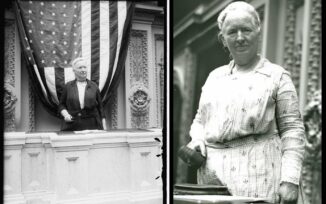
One hundred and five years ago, Congresswoman Alice Mary Robertson achieved a historic milestone as the first woman to preside over the floor of the U.S. House of Representatives. A farmer, former postmaster, and daughter of missionaries, Robertson was a complex figure. While she was a critic of the suffrage movement, she was a fierce advocate for Native American rights and veterans. Her tenure in Congress was marked by a commitment to "faithful work" over political rhetoric, setting a precedent for women in federal legislative roles.
1960: Sirimavo Bandaranaike’s Global Precedent
Sixty-six years ago, Sri Lanka (then Ceylon) elected Sirimavo Bandaranaike as Prime Minister, marking the first time in modern history that a woman had been elected to head a government. Her rise challenged the patriarchal norms of the mid-20th century. As a co-founder of the Non-Aligned Movement, she championed neutrality during the Cold War. While her legacy is complicated by domestic ethnic tensions, her election remains a watershed moment for female leadership worldwide.

1973: The War Powers Act
Fifty-three years ago, the U.S. Congress passed the War Powers Act. Prompted by revelations of secret, unauthorized bombings in Cambodia during the Vietnam War, the legislation sought to reclaim the constitutional authority of Congress to declare war. Although the act has struggled to curb executive overreach in the decades since, it remains a vital constitutional guardrail intended to ensure that the decision to commit American lives to conflict is a collective, democratic one.
1976: The Triumph of the Human Spirit
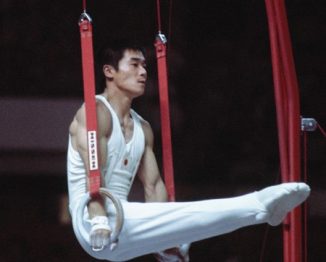
Fifty years ago, during the Montreal Olympics, Japanese gymnast Shun Fujimoto displayed legendary grit. After breaking his knee during a floor exercise, he continued to compete in the pommel horse and rings, scoring a 9.5 and a 9.7, respectively. His performance, culminating in a harrowing dismount onto his fractured leg, helped secure a gold medal for the Japanese team—a testament to the power of resolve over physical limitations.

1985: Mel Fisher’s "Motherlode"
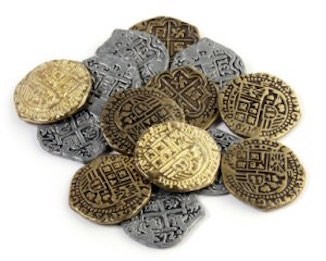
Forty-one years ago, treasure hunter Mel Fisher discovered the wreckage of the Nuestra Señora de Atocha, a Spanish galleon that sank in 1622. The find, valued at approximately $450 million, included 40 tons of gold and silver, emeralds, and "pieces of eight." It was the culmination of decades of struggle, validating Fisher’s motto: "Today’s the Day."
III. The Sound of an Era: Chris Cornell and Carlos Santana
July 20 is also a day of music, celebrating the birth of two legends who defined their respective generations.
The Voice of a Generation: Chris Cornell (1964–2017)
Born 62 years ago in Seattle, Chris Cornell was a titan of the rock world. Possessing a four-octave range, he was the architect of the grunge movement with Soundgarden and a powerhouse in supergroups like Temple of the Dog and Audioslave. From the raw angst of Superunknown to the sophisticated cool of his James Bond theme, "You Know My Name," Cornell’s influence remains immense. His tragic passing in 2017 underscored the silent, ongoing crisis of mental health within the creative community.
The Universal Tone: Carlos Santana (b. 1947)
Today, we also celebrate the 78th birthday of Carlos Santana. A pioneer of Latin rock, Santana bridged the gap between blues, jazz, and Afro-Cuban rhythms. His legendary 11-minute set at Woodstock solidified his status as a guitar virtuoso. With hits like "Oye Como Va" and the massive late-career resurgence with "Smooth," Santana has remained a vital voice in music for over half a century. In his memoir, The Universal Tone, he captured his philosophy on life: "Love is the light that is inside of all of us."
IV. Implications and Reflections
The diverse events of July 20 offer a multifaceted look at the human experience.
- Political Accountability: The War Powers Act and the election of leaders like Bandaranaike remind us that governance is an evolving, often contentious struggle to balance power and representation.
- Technological Ambition: The Apollo 11 mission continues to serve as the benchmark for what humanity can achieve when resources, science, and national will are aligned.
- Artistic Legacy: The contributions of Cornell and Santana illustrate how music serves as a vessel for both personal catharsis and universal connection.
As we look back on these milestones, we are reminded that history is not merely a collection of dates, but a tapestry of human choices. Whether it is a gymnast refusing to quit, an astronaut stepping onto a foreign world, or a musician searching for the "universal tone," the stories of July 20 suggest that our greatest achievements are born from the intersection of preparation, persistence, and an unwavering belief in the "giant leap."

These events serve as a beacon, challenging us to continue asking what the next "giant leap" for humanity will be. In an age of rapid technological change and shifting global dynamics, the lessons of the past remain our most reliable compass.