WASHINGTON — In what environmental advocates are calling a historic turning point for American waterways, the U.S. Environmental Protection Agency (EPA) has approved its very first permit under the landmark "Good Samaritan" law. The authorization has been granted to Trout Unlimited, a national conservation nonprofit dedicated to riverine preservation, marking the official launch of a long-awaited effort to heal tens of thousands of abandoned hardrock mines bleeding heavy metals into the nation’s backcountry streams and rivers.
The approval represents the culmination of two decades of tireless advocacy by sportsmen, conservationists, and state agencies. It brings into motion a bipartisan legislative victory designed to untangle the bureaucratic and legal red tape that has historically prevented willing volunteers from cleaning up toxic, century-old industrial scars.
Main Facts: Breaking the Gridlock on Abandoned Mines
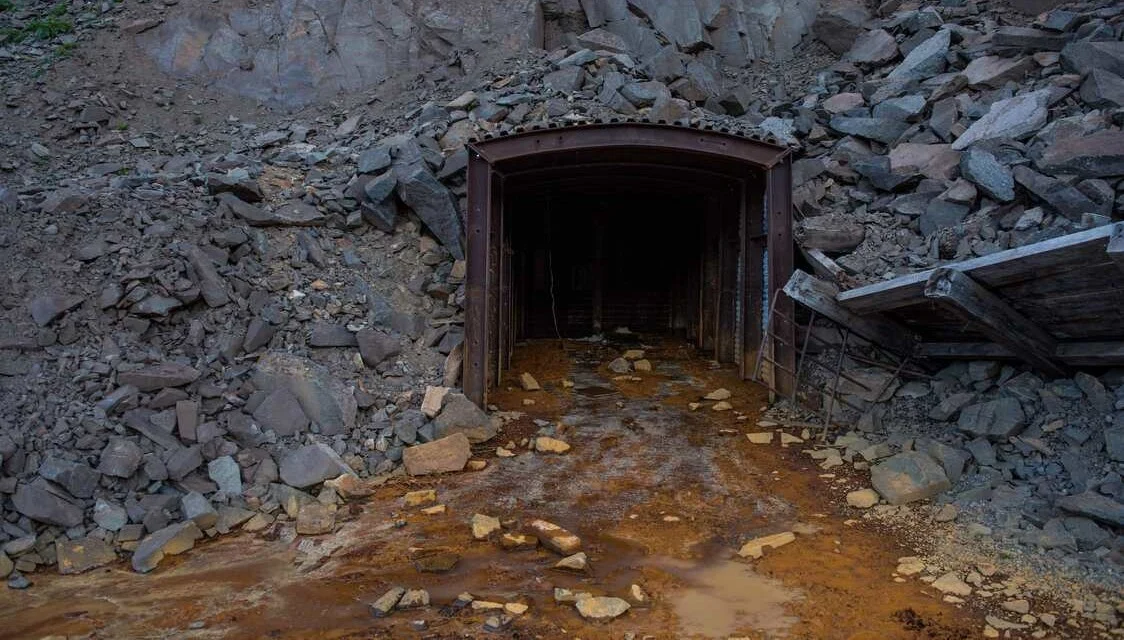
The newly issued EPA permit targets the historic Bodie Mine site along Toroda Creek in Okanogan County, Washington state, situated approximately 140 miles northwest of Spokane. Under the banner of the Good Samaritan pilot program, Trout Unlimited will excavate and remove hazardous mine tailings, stabilize eroding stream banks, and drastically reduce the chronic leaching of arsenic, cadmium, lead, mercury, and other toxic heavy metals into the broader Columbia River Basin.
At its core, the newly enacted Good Samaritan legislation—formally known as the Good Samaritan Remediation of Abandoned Hardrock Mines Act of 2024—was engineered to solve a glaring Catch-22 in American environmental law.
Across the American West and in mining regions nationwide, tens of thousands of abandoned hardrock mines sit completely neglected. Because these sites date back a century or more, their original corporate or individual owners are long deceased or untraceable, leaving no liable party to hold accountable. Yet, prior to the passage of the 2024 law, federal clean-water statutes held any third party—whether a state environmental agency, a local watershed group, or a nonprofit like Trout Unlimited—to the exact same strict liability standards as an active, operating polluter if they attempted a voluntary cleanup.
If a well-intentioned group intervened to fix a leaking mine portal and residual pollution continued to seep into a stream, that organization could be sued under the Clean Water Act as if they had caused the pollution in the first place. This terrifying financial and legal liability effectively paralyzed remediation efforts, leaving toxic mine drainage to flow unchecked year after year.
The Good Samaritan law changes the paradigm. By establishing a targeted pilot program to provide limited liability protections for up to 15 low-risk remediation projects conducted by third parties and state agencies, the legislation finally opens the door for safe, proactive environmental healing.
Chronology: A 20-Year Battle for Common-Sense Reform
To understand the significance of the EPA’s recent permit issuance, one must look back at a decades-long legislative slog that pitted common-sense environmentalism against rigid legal frameworks.
- The Early 2000s: Watershed groups and conservation organizations across the West routinely identified abandoned mines as the single largest source of untreated water pollution in rural regions. However, every time a group proposed digging out a toxic tailings pile or plugging a leaking adit, legal counsel warned them of catastrophic Clean Water Act liabilities.
- The Advocacy Era: For nearly 20 years, Trout Unlimited and allied organizations spearheaded a coalition urging Congress to create a specialized permitting pathway. They argued that organizations willing to invest their own time, grants, and sweat equity to clean up messes they didn’t create should be protected, not penalized.
- Late 2024: Following persistent, bipartisan campaigns, Congress successfully passed the Good Samaritan Remediation of Abandoned Hardrock Mines Act. The bill received overwhelming bipartisan support, championed in the U.S. Senate by Senators Martin Heinrich (D-NM) and Jim Risch (R-ID), and championed in the House by Representatives Celeste Maloy (R-UT), Mary Peltola (D-AK), and Susie Lee (D-NV).
- September 2026: The EPA officially approves the pilot program’s inaugural permit, authorizing Trout Unlimited to tackle the Bodie Mine site in Washington state.
Supporting Data: The Hidden Dangers of Hardrock Tailings
While many Americans outside of mining regions are unfamiliar with industry terminology, the physical evidence of historic mining is ubiquitous. Driving through the mountainous West, travelers frequently spot long metal chutes depositing gravel, dirt, and pulverized rock into massive conical structures. These are mine tailings.
Historically, the extraction of valuable minerals like gold, silver, copper, and zinc involved crushing raw ore into fine sand and washing it with various chemicals to separate the precious metals. However, the exact chemical processes and crushing operations that liberated valuable metals also exposed locked-up, highly toxic companion elements—such as arsenic, lead, cadmium, and zinc—to the elements.
When these tailings were simply left in unlined surface piles, back-alley dumps, or uncontained valley floors near streams, rainwater and snowmelt began a relentless process of oxidation and leaching.
- The Scale of the Problem: According to federal estimates, tens of thousands of abandoned hardrock mines litter the American landscape, particularly throughout western states.
- The Chemical Threat: Acid mine drainage occurs when sulfide minerals in exposed rock react with air and water, creating sulfuric acid. This acid dissolves heavy metals out of the surrounding rock, creating a toxic chemical cocktail that flows directly into headwater streams, killing aquatic life, degrading riparian zones, and threatening downstream agricultural and municipal water supplies.
- The Economic and Ecological Toll: Unlike modern industrial operations governed by strict environmental bonds and reclamation requirements, abandoned sites are orphan liabilities. Without legislative intervention like the Good Samaritan Act, they would continue to discharge heavy metals indefinitely.
Official Responses: Leaders Praise a "Watershed Moment"
The authorization of the pilot project drew immediate praise from conservation leaders, lawmakers, and regional stakeholders who view the step as validation of years of cooperative policymaking.

Chris Wood, president and CEO of Trout Unlimited, didn’t mince words when describing the urgency of the moment in a public statement:
"Hardrock abandoned mines are a scourge on the landscape. No one is required to clean them up, so every day they release their toxic brew of zinc, cadmium, lead, and arsenic into our drinking water and trout streams."
Praising the federal government’s swift action following the law’s passage, Wood added:
"Bully for the EPA [for] authorizing the first abandoned mine cleanup under the Good Samaritan Remediation of Abandoned Hardrock Mines Act of 2024. May their efforts lead many more states and communities, non-profits, and yes, even mining companies, to lend a hand and make our waters more fishable and swimmable."
Environmental scientists and regional water authorities note that the Bodie Mine project will not only benefit Toroda Creek directly but will also exert a stabilizing, positive ripple effect throughout the broader Columbia River Basin ecosystem.
Implications: A New Era for Watershed Restoration
The granting of this first Good Samaritan permit opens up transformative possibilities for ecosystems across the United States.
Expanding Beyond the Pilot Cap
While the current legislation wisely implements a cautious approach by limiting the pilot program to 15 low-risk projects, environmental analysts expect that successful remediation at sites like Bodie Mine will build undeniable momentum. If these initial projects demonstrate that third parties can safely mitigate toxic drainage without triggering environmental disasters or legal blowback, Congress will face immense pressure to expand or permanently codify the program.
Synergy with Existing Conservation Successes
The timing of this clean-water breakthrough dovetails with other massive restoration wins across the country. In recent months, conservation groups have reported staggering comebacks in native fish populations. For instance, intensive watershed restoration work conducted by Trout Unlimited—contracted by the National Oceanic and Atmospheric Administration (NOAA) to remove migration barriers across the Navarro, Big, Garcia, and Noyo River watersheds—recently contributed to hair-raising numbers of endangered coho salmon returning to spawn in Northern California’s coastal rivers.
By pairing physical barrier removal with the chemical detoxifying power of the Good Samaritan Act, conservationists can now address both structural obstacles to fish migration and the invisible chemical poisons running through riverbeds.
Modern Industry Parallels
As nonprofits and state agencies clear out the environmental sins of the 19th and 20th centuries, the modern mining sector is also evolving. Across North America, emerging firms are pioneering cleaner extraction techniques—such as cyanide-free gold extraction and advanced arsenic-capture technologies—signaling that the broader industry is striving to prevent the creation of tomorrow’s abandoned mine liabilities.
For now, however, the immediate focus rests on the rugged valleys of Okanogan County and the quiet headwaters of the American West. With the stroke of an EPA pen and the dedication of boots-on-the-ground conservationists, the nation is finally beginning to heal wounds that have bled into its wild places for generations.