In an era defined by rapid technological shifts and the democratization of information, the traditional career trajectory—built on the hope of being "picked" by gatekeepers—is undergoing a profound collapse. For generations, the societal script was clear: excel in school, earn your credentials, and wait for the HR director, the publisher, or the industry executive to grant you permission to succeed.
However, marketing visionary and entrepreneur Seth Godin has long championed a radical alternative: stop waiting. According to Godin, "What ‘pick yourself’ means is that it’s never been easier to decide to be responsible for your own work, for your own agenda, for the change you make in the world." This shift from passive reliance on external validation to proactive self-actualization is not just a personal development trend; it is becoming a survival strategy in the modern economy.
The Chronology of a Paradigm Shift
For many, the transition from being "picked" to "picking oneself" is triggered by a singular, jarring moment of institutional betrayal. Consider the narrative of a high-achieving professional who spent 32 years playing by the rules. With a pedigree from Georgetown University’s Law Center, a license to practice in New York and Panama, and a prestigious position within the Panama Canal Authority, this individual followed every prescribed step to success.
The strategy was flawless until it wasn’t. After years of diligent service and grooming for a specific promotion, the individual was denied the opportunity—not due to a lack of competence, but due to the self-serving whims of a General Counsel and an HR department lacking the fortitude to intervene. This realization serves as the catalyst for a fundamental pivot. The realization that one’s destiny is held in the hands of others is often the exact moment that forces a person to reclaim their agency.
Following this departure from the corporate structure, the journey of "picking yourself" typically follows a distinct path:
- Disillusionment: The recognition that institutional loyalty is a one-way street.
- The Skill Acquisition Phase: Leveraging the modern wealth of information to teach oneself entrepreneurship, digital marketing, or niche expertise.
- The Launch: Transitioning from an employee mindset to an entrepreneurial one, often by building a personal platform.
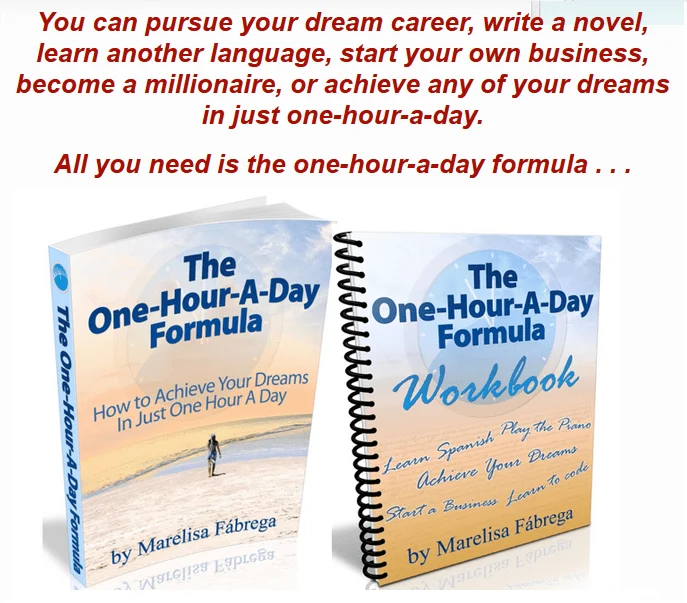
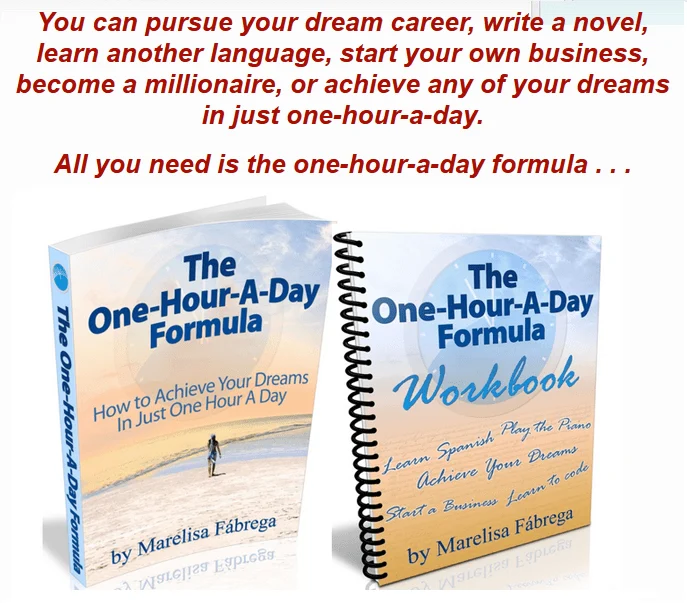
- The Mastery Cycle: Developing a systematic approach to learning, allowing the individual to pivot from one field to another—from law to blogging, from weightlifting to coding, and beyond.
Supporting Data: The Democratization of Expertise
The "Pick Yourself" philosophy is supported by the unprecedented accessibility of information. In previous decades, expertise was gated by universities and professional guilds. Today, the barriers to entry have been dismantled.
A "learning expert" model suggests that anyone can achieve proficiency in a new domain by following a structured, iterative process:

- Deconstruction: Breaking a skill into the smallest possible components.
- Selection: Identifying the 20% of sub-skills that provide 80% of the results.
- Sequencing: Learning the sub-skills in a logical, compounding order.
- Stakes: Creating real-world consequences or deadlines to ensure the application of knowledge.
By applying this system to diverse fields—such as learning a new language, mastering the piano, or developing technical coding abilities—individuals can cultivate a "Renaissance" skill set. This agility is the modern equivalent of job security. In a volatile market, the ability to learn and re-learn is far more valuable than a static job title conferred by a third party.
Official Perspectives: The Philosophy of Agency
Experts in the field of professional development argue that waiting to be picked is, ironically, the riskiest strategy one can adopt. By placing your career in the hands of a company, you are tethered to their financial health, their internal politics, and their changing strategic priorities.
"There are no guarantees that you will succeed if you pick yourself," observes one advocate of this philosophy. "But no one will ever have your best interests at heart as much as you do."
The psychological shift required to "pick yourself" is often compared to the transition described by novelist Anaïs Nin: "And the day came when the risk to remain tight in a bud was more painful than the risk it took to blossom." This is the core of the argument: the pain of stagnation in an unfulfilling role eventually outweighs the fear of taking the leap into the unknown.
Practical Implications: How to Declare "I’m In"
If the era of waiting is over, how does one practically "pick" themselves? The process is rooted in a three-step formula designed to move from intent to action:
1. Identifying the Internal Compass
Before taking action, one must answer three fundamental questions:
- What is the change I want to make in the world?
- What are the specific skills I need to acquire to facilitate that change?
- Who is the audience that needs the value I am prepared to create?
2. The Acquisition of Competence
Once the path is identified, the focus must shift to rapid, high-intensity skill acquisition. This is not about returning to formal education, but about targeted, self-directed learning that bypasses traditional gatekeepers.

3. Cultivating the "Gumption"
Technical skills are insufficient without the psychological fortitude to apply them. "Gumption"—a blend of boldness, audacity, and resilience—is the fuel that powers the "pick yourself" engine. It is the willingness to launch a product, publish an article, or start a business, knowing that the market is the final judge, not an HR director.
Ten Illustrations of Self-Selection
The diversity of "picking yourself" manifests in numerous ways across the modern landscape:
- The Independent Creator: A writer who starts a blog, bypassing traditional publishing houses to build a direct audience.
- The Digital Entrepreneur: Someone who identifies a market gap and builds a software tool or digital course to fill it.
- The Portfolio Professional: An individual who maintains multiple revenue streams rather than relying on a single employer.
- The Self-Taught Specialist: A person who uses open-source learning to become a consultant in a high-demand, emerging field.
- The Community Builder: Someone who organizes grassroots movements or niche communities to address local issues without waiting for municipal funding.
- The Artist-Entrepreneur: A creator who manages their own distribution, marketing, and fan engagement.
- The Skill-Switcher: An individual who proactively learns a new trade every few years to stay relevant in a changing economy.
- The Advocate: A person who starts a non-profit or social initiative based on their own observation of a societal need.
- The Researcher: An amateur scientist or enthusiast who contributes to citizen science projects, adding to the collective knowledge base.
- The Mentor: A professional who creates their own curriculum to teach others, bypassing the need for academic accreditation.
The Future of Work: A Call to Action
The implications for the workforce are stark. As automation and AI continue to disrupt traditional white-collar roles, the value of the "institution-dependent" worker will decline. Conversely, the value of the "self-starting" polymath will skyrocket.
The decision to "pick yourself" is not an act of arrogance; it is an act of responsibility. It is an acknowledgment that in a world of limitless information and connectivity, the only thing standing between an individual and their ambition is the permission they feel they need to wait for.
By reclaiming the power to define one’s own work, one’s own agenda, and one’s own value, the individual ceases to be a cog in an institutional machine and becomes an architect of their own reality. The gatekeepers are no longer required. The door is already open; the only thing left to do is walk through it.