By [Your Name/Staff Reporter]
The landscape of smart home technology shifted dramatically this week in Berlin. During IFA 2026, UGREEN, a brand traditionally recognized for its reliable charging solutions and storage peripherals, executed a massive pivot toward high-end, AI-driven home infrastructure. While the audience expected incremental updates to power banks and hubs, they were instead met with the "Master Home Agent"—a localized AI powerhouse carrying a staggering $20,000 price tag.
As the industry grapples with the tension between cloud-connected convenience and personal data privacy, UGREEN has placed a massive bet on "local intelligence." This shift signals a potential departure from the subscription-based, internet-reliant models of companies like Amazon and Google, favoring a sovereign, hardware-heavy approach to the domestic ecosystem.
Main Facts: The Rise of the Local Agent
At the heart of UGREEN’s new direction is the Home Agent series, a trio of devices designed to function as the central nervous system of a smart home. Unlike traditional voice assistants that rely on cloud servers to process requests, the Master Home Agent is built on the NVIDIA Jetson Thor platform—a high-performance robotics and AI engine capable of immense local compute power.
The primary value proposition here is autonomy. By keeping computing, storage, and AI processing local, UGREEN promises a future where home automation is not only faster but fundamentally more secure. Your voice commands, security camera feeds, and personal data never leave your four walls, mitigating the risks associated with data breaches or unauthorized cloud access.
The flagship Master Home Agent is designed for the ultra-premium market. It is a substantial, "chunky" unit that acts as a localized brain, capable of understanding natural language and managing complex tasks—from adjusting environmental settings to managing sophisticated security protocols.
Chronology: A Showcase of Innovation
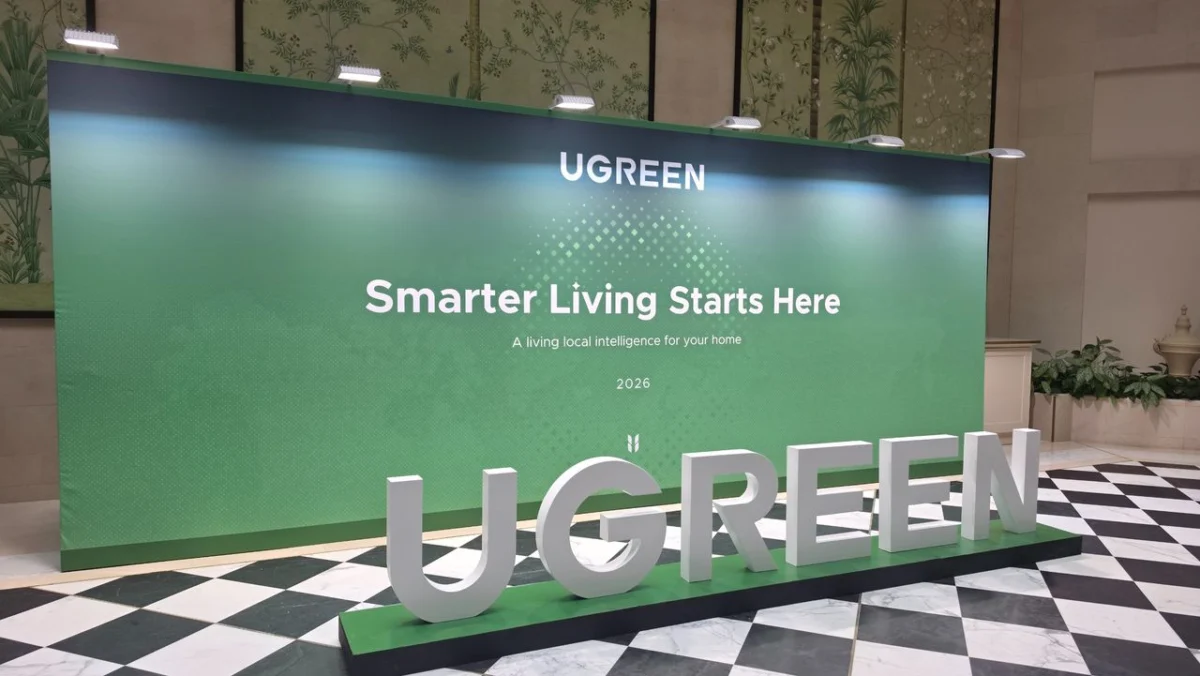
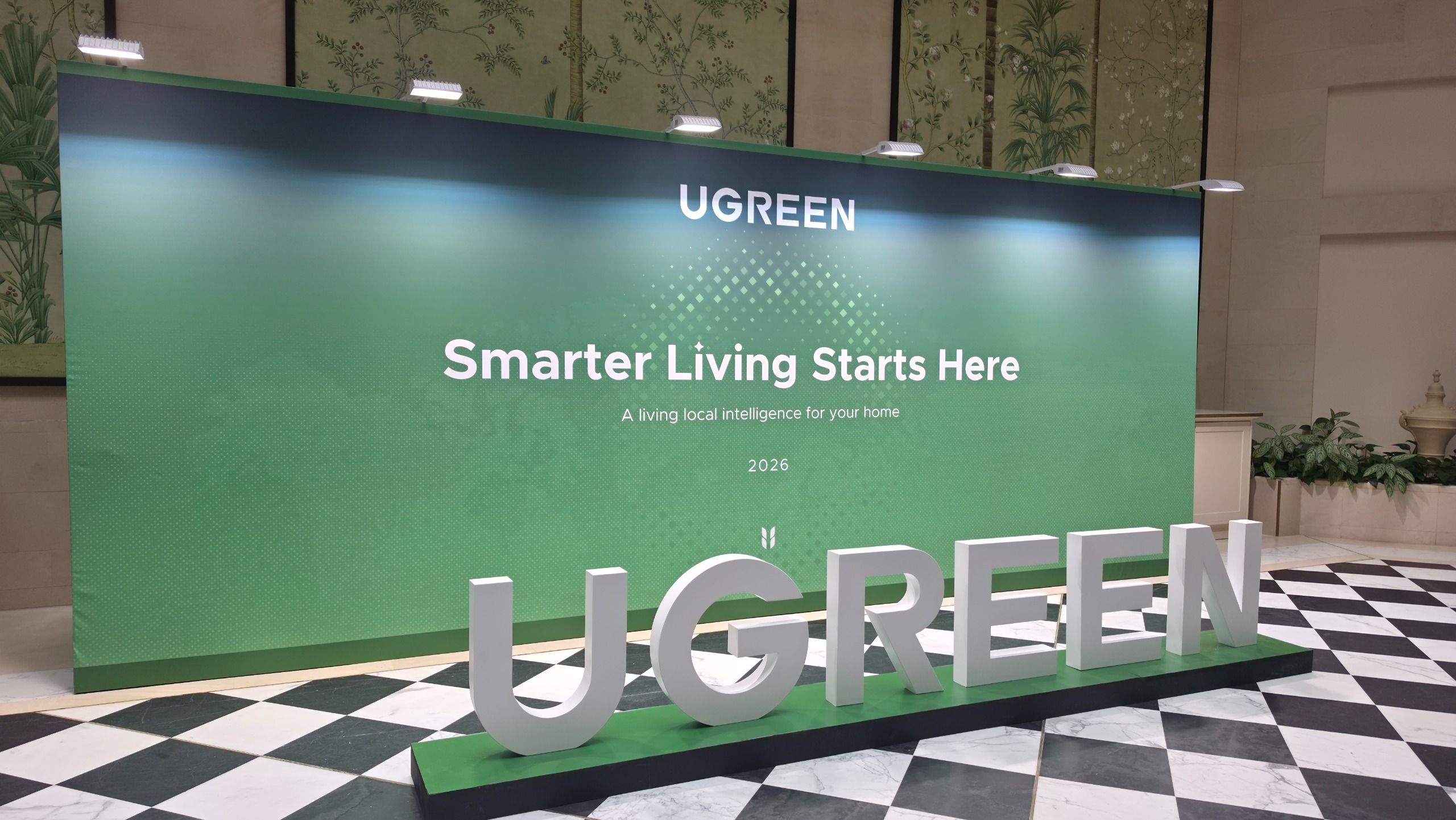
The unveiling took place on the second day of IFA 2026, marking one of the most talked-about presentations of the event.
- 10:00 AM: The event opened with a presentation on the growing demand for data sovereignty in the home.
- 10:30 AM: UGREEN unveiled its new line of SynCare security hardware, including the ID500 Pro, OD600 Pro, and OD800 Pro cameras, highlighting their integration with local storage.
- 10:45 AM: The "Master Home Agent" was revealed. The reveal prompted a wave of stunned silence, followed by skeptical laughter when the $20,000 MSRP was announced.
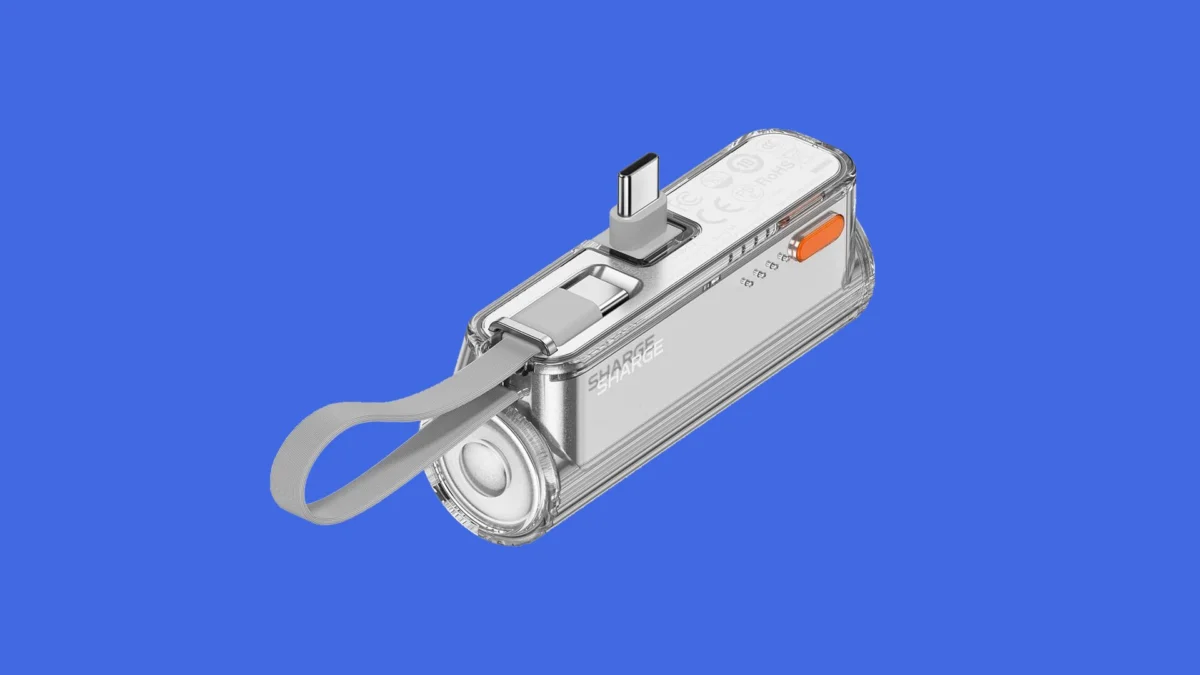
- 11:00 AM: The company pivoted to more consumer-accessible hardware, introducing the MagFlow Pro magnetic power bank with active liquid cooling—the world’s first of its kind to feature Qi2 technology.
- 11:30 AM: Hands-on demos began, showing the "Uliya" smart speaker’s ability to handle complex, multi-step natural language commands without an internet connection.
Supporting Data: Understanding the Product Tiers
UGREEN has clearly structured its market entry into three distinct tiers. The pricing strategy reflects a significant divide between experimental, high-compute hardware and more standard consumer electronics.
| Model | Target Market | Price | Key Features |
|---|---|---|---|
| HA100 | Enthusiasts | $1,799 | Core local AI, basic automation |
| HA100 Pro | Prosumers | $5,999 | Enhanced compute, advanced security |
| Master Agent | Elite/Enterprise | $20,000 | NVIDIA Jetson Thor, full local autonomy |
The inclusion of the NVIDIA Jetson Thor in the flagship model is a major technical differentiator. Typically reserved for autonomous robotics and industrial AI, its presence in a residential device suggests that UGREEN is treating the "Home Agent" not just as a controller, but as a robotic brain capable of future-proofing a home against evolving AI requirements.
Official Responses and Strategic Intent
During the post-keynote press briefing, UGREEN representatives emphasized that the price of the Master Home Agent is a reflection of the "uncompromised hardware" included in the chassis.
"We are not selling a gadget; we are selling a private infrastructure," a UGREEN spokesperson stated. "When you rely on the cloud, you are renting your privacy. With our local AI agents, you own the intelligence. The cost reflects the absolute removal of third-party dependence."
When pressed about the $20,000 price point, the company acknowledged that the flagship unit is currently a "halo product" designed to demonstrate the ceiling of what is possible, rather than a mass-market appliance. However, they maintained that the HA100 tier represents a viable path toward bringing this technology into the reach of the average consumer over the next 24 to 36 months.
Implications: The Luxury of Privacy
The launch of the UGREEN Home Agent ecosystem forces a difficult conversation in the consumer tech space: Is privacy a luxury good?
By positioning high-level security and local AI as premium features, UGREEN has effectively highlighted a growing divide in the market. Those who can afford the $1,799 to $20,000 price tags can opt out of the data-harvesting business models of Big Tech. Conversely, those who cannot afford these entry costs are left with no choice but to use cloud-based systems that monetize their personal habits and domestic data.
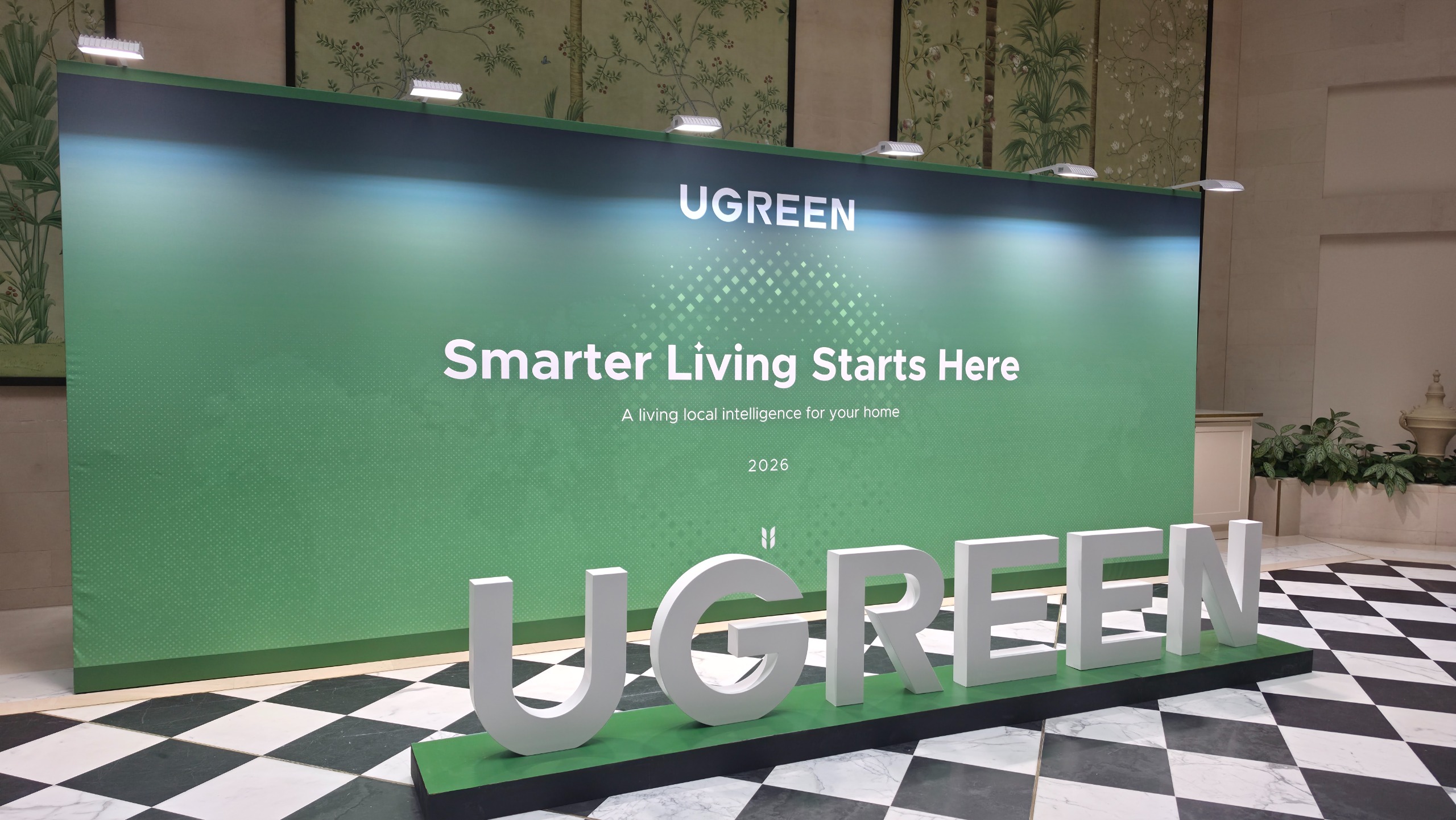
The Impact on the Smart Home Market
The "Home Agent" era promises to be a significant disruption. If successful, UGREEN’s pivot could pressure competitors to improve their local processing capabilities. We are likely to see a trend toward "hybrid AI"—where simple tasks are handled locally, and complex requests are offloaded to the cloud only when necessary.
Furthermore, the introduction of the MagFlow Pro with liquid cooling suggests that UGREEN is not abandoning its roots in power management. By integrating cooling technology into portable power, they are addressing the heat-related degradation issues common in high-capacity Qi2 charging, ensuring that as our devices become more powerful, our infrastructure keeps pace.
Conclusion: The Road Ahead
UGREEN’s presence at IFA 2026 was a bold statement. Whether the market is ready for a $20,000 AI home hub remains to be seen; the "baffled laughter" from the audience serves as a barometer for the current consumer sentiment.
However, technology has a habit of trickling down. Just as 4K resolution and high-end processing were once exclusive to the ultra-wealthy, the concepts showcased by UGREEN—local data storage, offline voice processing, and autonomous home agents—are likely to become the standard.
For now, UGREEN has successfully positioned itself as a serious player in the next generation of smart home tech. They have moved from being a company that charges your devices to a company that potentially runs your entire home. Whether that transition will be embraced by the average household or relegated to the domain of tech-wealthy hobbyists will depend on how quickly they can lower the cost of entry and how effectively they can prove that "local" is truly better than "connected."
As the home agent era begins, one thing is certain: the competition for the center of the home has just become much more intelligent, and infinitely more private.