For the modern professional in their mid-40s and 50s, the concept of "slow living" often feels like an insult. The glossy Instagram aesthetic—characterized by sourdough starters, linen-clad mornings in rural cottages, and the deliberate absence of digital devices—is a fantasy that ignores the structural realities of midlife. For people like "Greg," a 47-year-old manager juggling a demanding career, two teenagers, and an aging parent who requires medical advocacy, the suggestion to "slow down" feels like a luxury they cannot afford.
Yet, the fatigue associated with this "sandwich generation" is not merely a result of having too much to do; it is the result of trying to do everything at once. When we treat our lives as a high-speed, multi-lane highway where work, domestic logistics, and emergency care compete for the same sixty seconds, we aren’t living; we are simply failing to focus.
The Reality of Task Traffic: Why Your Brain is Overheating
The fundamental error in the traditional approach to "slow living" is the belief that it requires an empty calendar. In reality, slow living is not about velocity; it is about tempo giusto—a musical term for "the right tempo." It is the intentional application of speed where necessary and the protection of space where attention is required.
The true antagonist of the modern professional is not the volume of work, but the "overlap" of obligations. When we answer a work email while sitting at the dinner table, we are not multitasking; we are engaging in rapid-fire task switching.
The Science of Attention Residue
The cognitive cost of this habit is significant. Research into task switching, such as the studies conducted by Sophie Leroy, demonstrates the existence of "attention residue." When a person shifts their focus from one task to another—say, from a tense work call to a family dinner conversation—a portion of their cognitive resources remains tethered to the unfinished business of the previous task.
In experiments involving NASA simulation missions, participants who were forced to pivot between firefighting and construction tasks showed a measurable decline in performance and engagement. The mind does not simply "switch off" one task and "switch on" the next; it carries the weight of the former into the latter. For the professional, this manifests as being physically present at home but mentally consumed by an inbox. By 9:00 PM, the individual has technically been "busy" for three hours, but they have failed to give a single hour of high-quality focus to any one domain.
Chronology of a Redesigned Day: From Collision to Continuity
To understand how to move from a state of collision to one of continuity, consider the "One-Lane Rule." This principle asserts that only one activity should occupy a single minute. Everything else must wait, be logged on an index card, or be discarded.
The "Before" and "After"
- The Collision Phase (Before): Greg joins a 6:00 PM conference call from his car, carries the call through his front door, checks emails while eating dinner, and cleans the kitchen while mentally replaying the call’s unresolved points. By the time he opens his laptop at night, he is exhausted, and the work remains uncompleted.
- The One-Lane Phase (After): Greg ends the 6:00 PM call in the driveway. He spends two minutes writing down the three loose ends on an index card. He enters the house and gives his dinner full attention. At 7:25 PM, he retrieves the card and spends a focused 35 minutes addressing the remaining items. The work is finished, the family time was protected, and the brain is clear.
This shift does not require quitting a job or moving to the countryside. It requires creating a "lane" with clear entry and exit points.
Supporting Data: The Caregiving Crisis
The demand for a realistic, actionable version of slow living is driven by shifting demographics. A 2025 national survey of caregivers for adults over 50 highlights a sobering reality: the average caregiver is 52 years old, dedicating an average of 26 hours per week to care. More than one in four of these individuals is also responsible for minor or teenage children.
These figures illustrate why lifestyle advice predicated on "doing less" or "clearing the board" is statistically inaccessible. The goal for these individuals cannot be the elimination of tasks; it must be the management of task traffic. When research on 35,375 Americans examined the relationship between discretionary time and well-being, it found that while too little time leads to stress, "maximum emptiness" does not necessarily lead to happiness. The sweet spot is "margin"—having just enough space to prevent one obligation from bleeding into the next.
Practical Implementation: The Four-Step Protocol
Building a "slow lane" into a high-pressure life does not require a complex morning ritual. It requires a systematic approach to subtraction.

1. Identify the "Stolen" Block
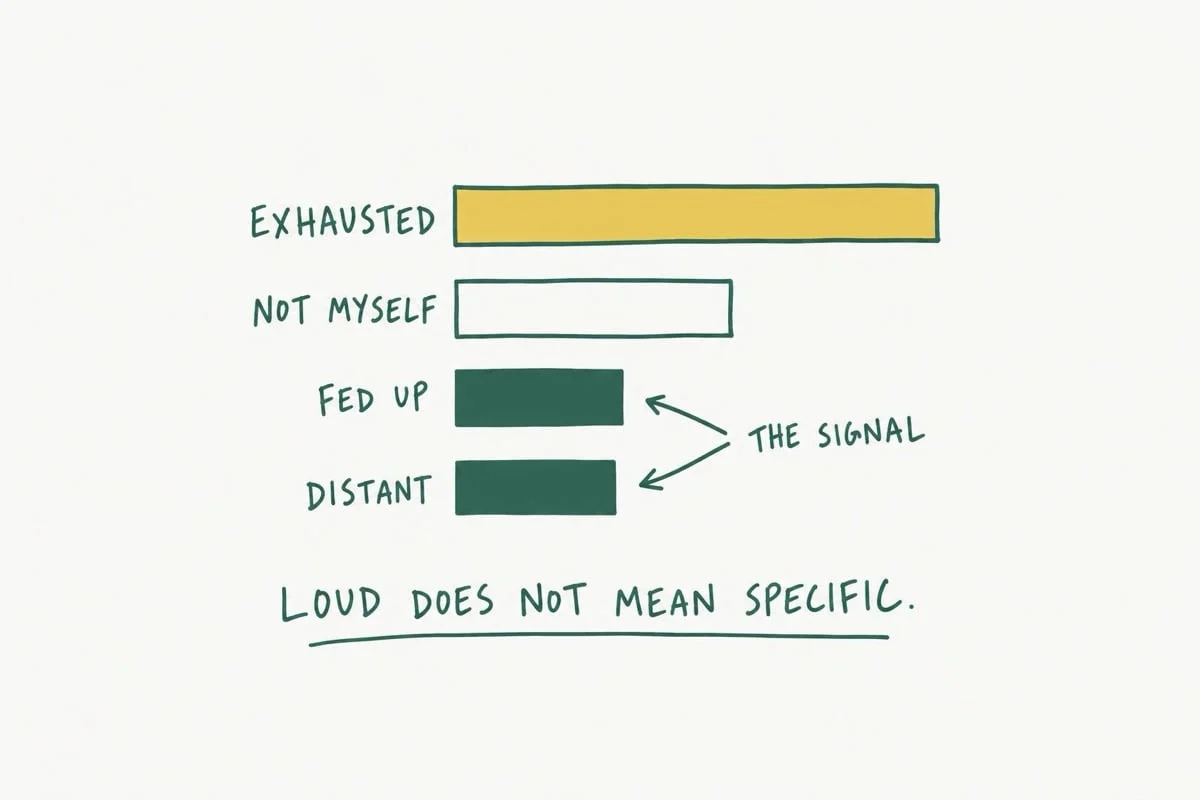
Choose a 30-to-60-minute window that is consistently hijacked by external demands. This might be dinner, the first hour of the workday, or a weekend morning. Start with the block whose loss causes the most frustration; the anger you feel when that time is violated is a signal that this is your priority.
2. Remove One Input
Subtraction is the prerequisite for slow living. If your goal is to protect dinner, put your work phone in a physical drawer in another room. Do not attempt to add meditation or journaling yet. Simply remove the primary source of the "traffic" that enters that lane.
3. Establish Concrete Edges
A lane requires a formal opening and closing. Use a physical cue: "When the dishes are on the table, the phone goes in the drawer. When the kitchen is reset, the phone is retrieved." Data from behavioral psychology suggests that specific, observable triggers—far more than vague intentions—increase the likelihood of maintaining new boundaries.
4. Protect the Margin
Always leave ten minutes of "unclaimed" time at the end of a block. This acts as a buffer, allowing your attention residue to dissipate before you transition to the next requirement. Whether you use this time to walk around the block or simply sit in silence, it serves as a psychological "reset" button.
Implications: The Ethics of Recovery
One of the most vital implications of this approach is the distinction between "slow living" and "toxic productivity." If you are only protecting your time to make yourself a more efficient worker, you are still operating within the framework of hustle culture.
Psychological detachment—the ability to mentally disconnect from work—is proven to be a stronger predictor of reduced fatigue and better sleep than almost any other variable. When we defend an "edge" (a clear, non-negotiable end to the workday), we are not just saving time; we are allowing the nervous system to recover.
A Warning Against "Performance" Slow Living
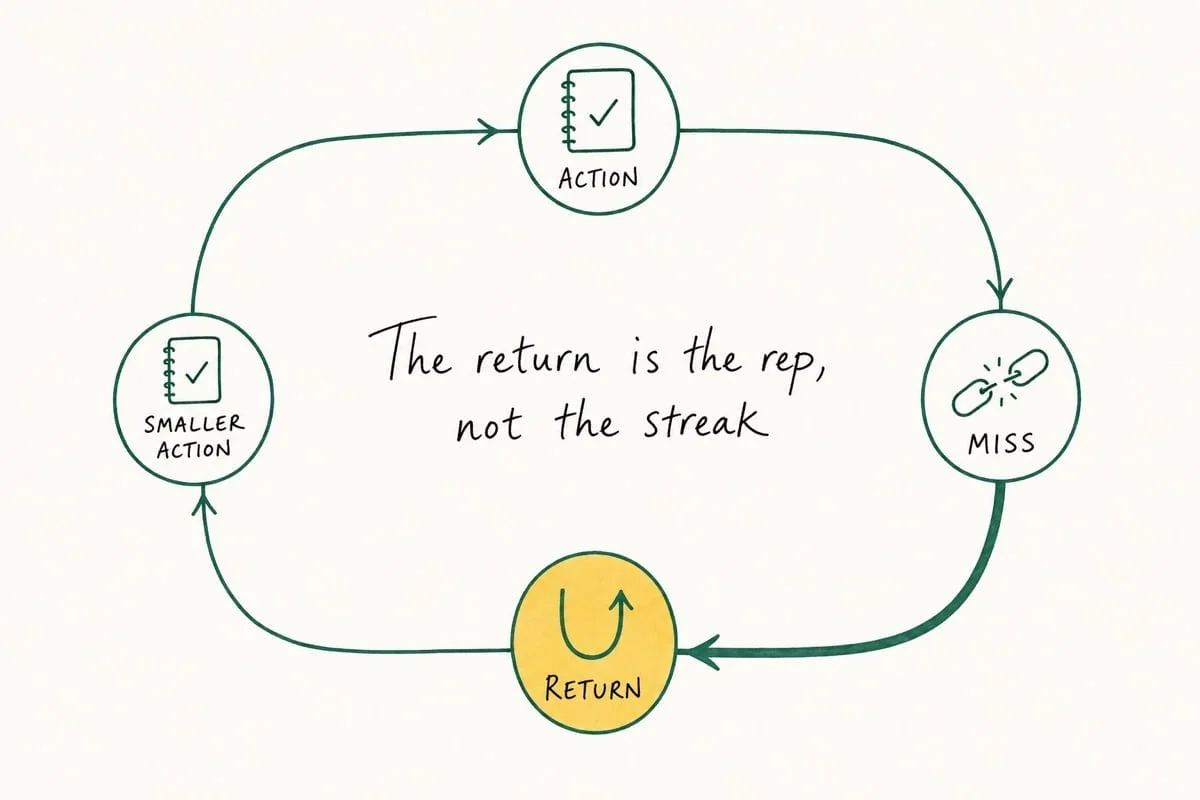
It is essential to avoid turning slow living into another metric of success. If you begin to track your "slow living streaks," compare your pace to others, or feel guilty for failing to maintain your "lane," you have successfully imported the pressures of the corporate world into your private life.
The goal is not to be a perfect practitioner of slow living. The goal is to build a system that can withstand the chaos of a Tuesday afternoon. If an emergency happens, the system should be flexible enough to bend without breaking.
Conclusion: The Resilience of the One-Lane Life
For those in midlife, the "slow living" movement has long felt like a closed door. By shifting the definition from doing less to doing one thing at a time, we can reclaim our agency. It is a philosophy for the real world—one that accounts for the sick parent, the urgent deadline, and the teenager who needs a ride.
By defining the lanes, protecting the edges, and leaving room for the unexpected, we can build a life that is not just efficient, but sustainable. The "slow" life is not the one you dream of in the middle of a stressful week; it is the one you build in the middle of that week, one 60-minute lane at a time.