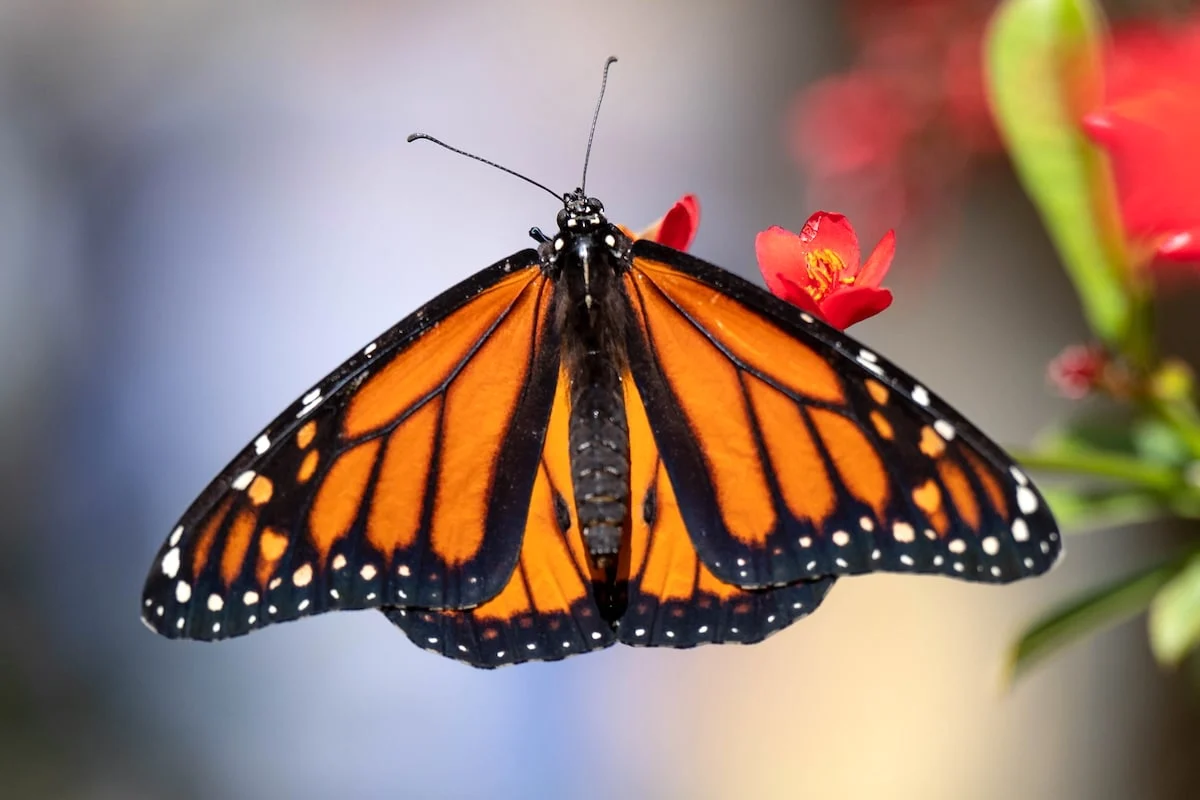
In the quiet groves along the California coast, where the orange-and-black wings of the Western monarch butterfly have historically shimmered in the winter sun, a grim discovery has provided definitive evidence of an ongoing ecological tragedy. A peer-reviewed study, published in the journal Environmental Toxicology and Chemistry, has officially linked the mass death of hundreds of monarch butterflies to acute pesticide poisoning. This revelation underscores the precarious existence of a species already teetering on the brink of extinction.
The findings, led by the Xerces Society for Invertebrate Conservation, confirm what many entomologists and conservationists had long suspected: that the chemical cocktails utilized in modern agriculture and urban landscape management are turning essential refuges into lethal traps for one of North America’s most iconic pollinators.
The Pacific Grove Incident: A Chronology of Discovery
The story of this environmental catastrophe began in January 2024, when observers at the Pacific Grove Monarch Sanctuary—a site renowned for its importance to overwintering monarchs—stumbled upon a harrowing scene. Hundreds of butterflies were found dead or in the throes of dying on the forest floor.
The site, a critical waypoint for the Western monarch population, serves as a sanctuary where the insects enter a state of semi-dormancy to survive the winter. Finding such a large number of fatalities in a protected area sent shockwaves through the scientific community. Initial suspicions immediately turned to chemical exposure, given the proximity of the sanctuary to developed land and agricultural zones.
Following the initial discovery, researchers from the Xerces Society collected the specimens for rigorous laboratory analysis. Utilizing advanced diagnostic tools, including liquid and gas chromatography and mass spectrometry, the team sought to identify the presence of synthetic chemicals within the butterflies’ tissues. The results, finalized and published this year, painted a disturbing picture: the butterflies were not dying from natural causes or climate-related exhaustion, but were literally being poisoned by a toxic mixture of human-made substances.
The Chemical Cocktail: Data and Findings
The laboratory results were stark. The researchers detected an average of seven different pesticides per individual butterfly. This "chemical soup" included a combination of insecticides, herbicides, and fungicides.
Perhaps most damning were the findings regarding pyrethroid insecticides—a class of synthetic chemicals often used for pest control in both urban and agricultural settings. The study identified three specific pyrethroids: bifenthrin, cypermethrin, and permethrin. These substances were found at or near lethal doses in the sampled butterflies.
- Prevalence: Every single butterfly sample analyzed contained bifenthrin and cypermethrin.
- Persistence: All but two of the sampled specimens tested positive for permethrin.
Staci Cibotti, lead author of the study and a pesticide risk prevention specialist at the Xerces Society, emphasized the severity of these levels. "We found an average of seven different pesticides per butterfly, including multiple insecticides that are highly toxic to insects," Cibotti stated. While local authorities in Monterey County were unable to pinpoint the exact source or origin point of the chemicals, the concentrations discovered leave little doubt that these insecticides were the primary drivers of the mortality event.
A Population in Peril: The Broader Context
The die-off at Pacific Grove did not occur in a vacuum. It is a symptomatic event in a much larger, decades-long decline of the Western monarch population. According to data tracked by the Xerces Society, the Western monarch population has plummeted by approximately 95% since the 1980s.
The numbers are increasingly dire. By 2025, the total count of overwintering Western monarchs had dropped to just 9,119 individuals—a staggering decline that highlights the fragility of the species. The International Union for Conservation of Nature (IUCN) has officially listed the migratory monarch as an endangered species, recognizing that the threats facing these insects—habitat loss, climate change, and, as confirmed by this study, chemical exposure—are pushing them toward an irreversible decline.

The U.S. Fish and Wildlife Service has issued warnings that the Western monarch population faces a 99% probability of extinction by 2080 if current trends are not dramatically reversed. This latest study provides the scientific justification for shifting conservation focus toward a more aggressive regulation of chemical usage.
Official Responses and Strategic Recommendations
In the wake of these findings, the Xerces Society has moved from identifying the problem to proposing a comprehensive framework for policy and community action. The organization is calling for a multi-pronged approach to shield monarchs from further pesticide-related mortality.
Key Recommendations:
- Public Education: Raising awareness among homeowners and commercial landscapers regarding the dangers of broad-spectrum pesticides, particularly those containing pyrethroids.
- Pesticide-Free Zones: Establishing "buffer zones" around known overwintering sites where the use of synthetic insecticides and herbicides is strictly prohibited.
- Policy Integration: Incorporating mandatory pesticide exposure protections into federal and state recovery plans for endangered pollinators.
- Enhanced Tracking: Improving inter-agency coordination to track pesticide usage patterns and potential drift, allowing for faster responses when mass-death events are reported.
Emily May, co-author of the study and agricultural conservation lead at the Xerces Society, stressed that the solution is a societal responsibility. "Protecting monarchs from pesticides will require both public education and policy change," she noted. "We are committed to working with communities and decision-makers to ensure that overwintering sites are healthy refuges for these butterflies."
Implications: A Widespread Threat
As the scientific community processes these findings, there is a growing consensus that the Pacific Grove event is a warning sign for the entire migratory corridor. In an update to the initial study, lead author Staci Cibotti clarified that the danger is not limited to California’s coast.
"Pesticide exposure is a widespread threat to monarchs across their range," Cibotti explained. "These chemicals are commonly used not only in agriculture, but also across developed landscapes for structural pest control, home gardening, landscaping, turf management, mosquito abatement, and more."
The vulnerability of the monarch is magnified by their migratory behavior. Because monarchs congregate in massive numbers during their migration and while at overwintering sites, they are uniquely susceptible to "mass-casualty" events. A single application of a pesticide—whether for mosquito control in a park or an agricultural spray drift—can kill hundreds or thousands of individuals simultaneously.
History has shown this is not an isolated incident. In 2020, a similar "monarch massacre" occurred in North Dakota, where hundreds of butterflies were found dead following an aerial mosquito control spray. These events serve as a grim reminder that the monarch’s life cycle is intrinsically linked to the health of the landscapes they traverse.
The Path Forward
The path to recovery for the Western monarch is fraught with challenges, but the link between pesticides and mortality offers a clear target for conservationists. By focusing on reducing chemical dependency and creating safe corridors, there remains a glimmer of hope that the species can rebound.
However, the clock is ticking. As habitat loss continues to shrink the available spaces for monarchs, the remaining sanctuaries must be absolute havens. If the land surrounding these sites continues to be saturated with toxic chemicals, the sanctuary itself becomes a death trap.
The scientific community, through this latest research, has provided the necessary evidence to demand change. The question now is whether policymakers, land managers, and the general public will take the necessary steps to stop the silent poisoning of one of the world’s most beloved insects. The survival of the Western monarch in the 21st century may depend entirely on our willingness to change how we interact with the chemistry of our own backyards.