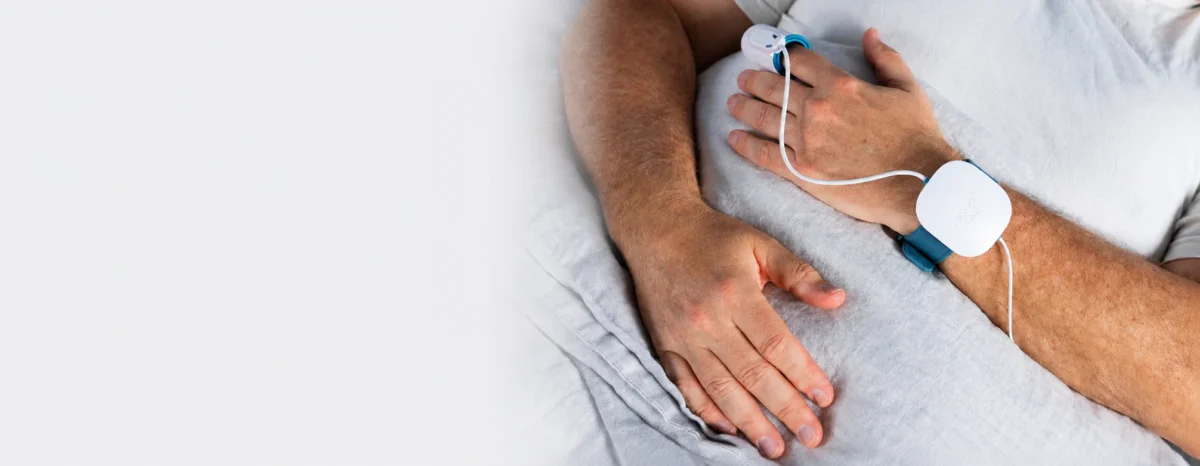
The intersection of metabolic health and sleep medicine has entered a new era with the rise of glucagon-like peptide-1 receptor agonists (GLP-1s). Popularized by medications like Ozempic, these drugs have transformed weight management. For the millions of individuals suffering from obstructive sleep apnea (OSA)—a chronic condition closely linked to excess body weight—GLP-1s offer a promising new avenue for symptom relief.
However, translating clinical promise into actual pharmacy coverage remains a formidable hurdle. While patients often hope for a straightforward prescription to tackle both weight and sleep disruptions, insurance policies, Food and Drug Administration (FDA) approvals, and complex pharmaceutical guidelines create a challenging landscape to navigate.
Main Facts: The Intersection of GLP-1s, Weight, and Sleep Apnea
Obstructive sleep apnea occurs when the muscles in the back of the throat relax during sleep, causing soft tissue to collapse and block the upper airway. This obstruction triggers repeated pauses in breathing that can last anywhere from 10 to 30 seconds, severely fragmenting sleep architecture and drastically lowering blood oxygen levels.
Carrying excess weight—particularly around the neck and collar area—is one of the single greatest risk factors for developing OSA. Statistics underscore this physiological reality: approximately 31% of people diagnosed with obstructive sleep apnea live with obesity, while another 44% are categorized as overweight.
Because excess adipose tissue directly crowds the airway, researchers have turned their attention to therapies that promote significant weight loss. Clinical data highlights a profound correlation: a study review revealed that a 20% decrease in body mass index (BMI) leads to an impressive 57% reduction in sleep apnea symptom severity.
Enter GLP-1 receptor agonists. Originally developed to manage type 2 diabetes, medications like semaglutide (marketed as Ozempic and Wegovy) and tirzepatide (marketed as Zepbound) mimic natural hormones to regulate blood sugar, slow stomach emptying, and suppress appetite. By facilitating substantial weight loss, these drugs naturally reduce neck circumference and alleviate airway pressure during sleep.
Despite these therapeutic benefits, a critical distinction exists in how these medications are regulated:
- Ozempic is officially approved by the FDA strictly for the treatment of type 2 diabetes.
- Wegovy (semaglutide) and Saxenda (liraglutide) are approved for chronic weight management.
- Zepbound (tirzepatide) holds the historic distinction of being the first GLP-1 medication explicitly approved by the FDA for treating moderate to severe obstructive sleep apnea in adults with obesity.
Because of these regulatory boundaries, obtaining insurance coverage for Ozempic specifically to treat sleep apnea is notoriously difficult. Insurers routinely deny coverage for off-label prescriptions—meaning the use of a drug for a condition not explicitly cleared by the FDA—unless stringent, overlapping diagnostic criteria are met.
Chronology: The Evolution of GLP-1s in Sleep Medicine
To understand where sleep apnea treatments stand today, it is helpful to trace the rapid evolution of metabolic therapies over the past decade:
- Pre-2020: GLP-1 receptor agonists were primarily prescribed as specialized injectable therapies for endocrinology patients managing type 2 diabetes. Sleep medicine relied almost exclusively on mechanical interventions, such as Continuous Positive Airway Pressure (CPAP) machines, oral appliances, and surgical options.
- 2021–2022: As observational data from diabetes trials began highlighting dramatic, unintended weight loss among patients taking semaglutide, clinical researchers hypothesized that reducing BMI could fundamentally alter the trajectory of weight-driven comorbidities like OSA.
- 2023: Pharmaceutical companies launched extensive late-stage clinical trials evaluating the direct impact of specific GLP-1 and dual GIP/GLP-1 receptor agonists (such as tirzepatide) on the apnea-hypopnea index (AHI)—the standard metric used to measure sleep apnea severity.
- 2024: A watershed moment occurred when the FDA officially approved tirzepatide (Zepbound) for the treatment of moderate to severe obstructive sleep apnea in adults living with obesity. This marked the official transition of GLP-1 medications from purely metabolic drugs into recognized neuro-respiratory and sleep-disorder therapies.
- 2025 and Beyond: Healthcare systems, payers, and pharmacy benefit managers continue to grapple with the massive influx of coverage requests. Formulary lists are slowly expanding to incorporate new anti-obesity and sleep apnea indications, though prior authorization hurdles remain high.
Supporting Data: Clinical Trials and Cost Realities
The efficacy of GLP-1 medications in altering sleep architecture is supported by rigorous clinical data. However, the financial metrics surrounding these drugs present a stark contrast to their clinical benefits.
Clinical Efficacy Differences
Not all GLP-1 formulations deliver identical results for respiratory health. Comprehensive reviews comparing various agents indicate that dual-agonist medications like tirzepatide (Zepbound) often yield superior reductions in AHI scores compared to older single-agonist therapies like liraglutide (Saxenda). Furthermore, clinical trials demonstrate that successful weight reduction via these therapies correlates with notable improvements in daytime alertness, reduced excessive daytime sleepiness, and better systolic blood pressure control.
The Financial Landscape
For patients paying out-of-pocket, the costs can be staggering:
- Ozempic: Without insurance assistance, out-of-pocket costs typically hover around $499 to $900+ per month, depending on the pharmacy and regional pricing structures.
- Zepbound and Wegovy: Monthly list prices for dedicated weight-loss and OSA-approved GLP-1s often exceed $1,000 without insurance formulary tier integration.
- With Insurance: Copays can drop dramatically—sometimes as low as $25 to $50 per month—provided the patient meets all necessary prior authorization criteria. However, qualifying for these lower rates often requires jumping through administrative hoops, such as proving documented failure or intolerance of traditional CPAP therapy or completing a structured, medically supervised weight-loss program.
Official Responses and Payer Policies
Navigating the bureaucracy of health insurance companies, Medicare, and Medicaid requires a clear understanding of how official entities evaluate these medications.
What Insurance Companies Require
Insurance providers operate strictly on formularies—lists of approved drugs categorized by tiers. Because Ozempic lacks an FDA indication for sleep apnea or weight loss, standard commercial plans will reject coverage requests submitted under an OSA diagnosis code.
However, coverage approvals become much more attainable if the patient has a secondary, co-existing condition that is covered. For instance:
- Type 2 Diabetes: If a patient has both type 2 diabetes and OSA, an Ozempic prescription is often approved for the diabetes indication, with the weight loss and sleep apnea improvements serving as beneficial side effects.
- Cardiovascular Disease or Hypertension: Some advanced commercial plans extend GLP-1 coverage for obesity-related cardiovascular risks.
- Zepbound Formularies: Following its 2024 OSA approval, more insurers are adding Zepbound to their formularies. Payers typically require extensive prior authorization documentation, including baseline sleep study reports, BMI measurements, and records of CPAP compliance issues.
Medicare and Medicaid Standpoints
Federal guidelines dictate that Medicare Part D generally does not cover medications prescribed purely for weight loss or off-label cosmetic or non-approved indications. However, coverage pathways are evolving for drugs that secure official FDA clearances for conditions like sleep apnea or cardiovascular risk reduction. Patients utilizing Medicare are encouraged to review specific Part D plan formularies annually, as qualifying criteria change dynamically.
Implications: What Patients Can Do If Coverage Is Denied
Receiving an insurance denial for a GLP-1 medication can feel like a dead end, but patients have several procedural and clinical avenues to explore.
1. Master the Insurance Appeal Process
If an insurer denies coverage, patients have the right to challenge the decision:
- Internal Appeals: Most health plans allow up to six months from the date of denial to file an internal appeal. Success relies heavily on the prescribing physician submitting robust documentation proving "medical necessity"—emphasizing how untreated severe sleep apnea creates dangerous downstream risks like stroke, heart disease, and treatment-resistant hypertension.
- External Reviews: If an internal appeal is unsuccessful, patients can request an independent, third-party external review to evaluate the medical merits of the prescription.
2. Explore Alternative Pharmaceutical Options
If Ozempic is unattainable due to cost or formulary exclusions, physicians may evaluate whether the patient qualifies for Zepbound (given its specific OSA approval) or other formulary-preferred weight management medications.
3. Implement Foundational Lifestyle Interventions
Medication is rarely a standalone cure. Combining lifestyle adjustments with or without GLP-1 therapies creates compounding health benefits for obstructive sleep apnea:
- Caloric Deficit and Dietary Adjustments: Achieving weight loss requires consuming fewer calories than expended daily. Eliminating high-sugar beverages, ultra-processed foods, and excessive alcohol—which relaxes upper airway muscles and worsens sleep apnea episodes—can accelerate progress.
- Structured Exercise Programs: The U.S. Department of Health and Human Services recommends 150 to 300 minutes of moderate-intensity aerobic exercise weekly, alongside muscle-strengthening activities at least two days per week. Resistance training is particularly valuable for building lean muscle mass, which naturally elevates resting metabolic rate.
4. Continue Primary Sleep Therapies
GLP-1s and weight loss should complement, not immediately replace, gold-standard sleep apnea treatments. Devices like CPAP machines, custom oral mandibular advancement appliances, or positional therapy remain essential tools to protect airway integrity while long-term weight reduction goals are being achieved.
Frequently Asked Questions
Does Medicare cover Ozempic for sleep apnea?
No. Medicare does not cover Ozempic when prescribed for sleep apnea or weight loss, as it lacks an FDA indication for these uses. However, some Medicare and Part D plans are beginning to evaluate coverage for alternative GLP-1s like Zepbound under updated diagnostic guidelines, though strict prior authorization is always required.
How much does Ozempic cost without insurance?
Without insurance coverage or manufacturer savings cards, Ozempic generally ranges from $499 to over $1,000 per month out-of-pocket, depending on the dispensing pharmacy and dosage requirements.
How can I check if my specific insurance plan covers GLP-1s?
The most efficient method is to log into your health insurance portal and review the plan’s pharmacy formulary document. Alternatively, you can call the customer service phone number listed on the back of your insurance card and ask a representative specifically which tier weight-loss and sleep-apnea medications occupy.
What should I do if my initial prescription is rejected?
Work closely with your primary care provider or sleep specialist to gather comprehensive clinical notes, sleep study metrics, and documentation of failed alternative therapies (such as CPAP intolerance). Your physician’s office can then submit a formal prior authorization appeal outlining the undeniable medical necessity of the treatment.
Medical Disclaimer: The information provided in this article is for educational and informational purposes only and should not be construed as professional medical advice, diagnosis, or treatment. Always consult with a qualified healthcare provider regarding any questions or concerns about a medical condition, prescription medications, or sleep apnea treatment plans.