For over a century, the cinematic dream has been guarded by a formidable, often impenetrable, barricade. To make a "real" movie, one required the holy trinity of traditional filmmaking: substantial studio backing, an army of specialized crew members, and access to prohibitively expensive infrastructure. If you didn’t have the connections or the capital, your vision remained trapped in the screenplay stage.
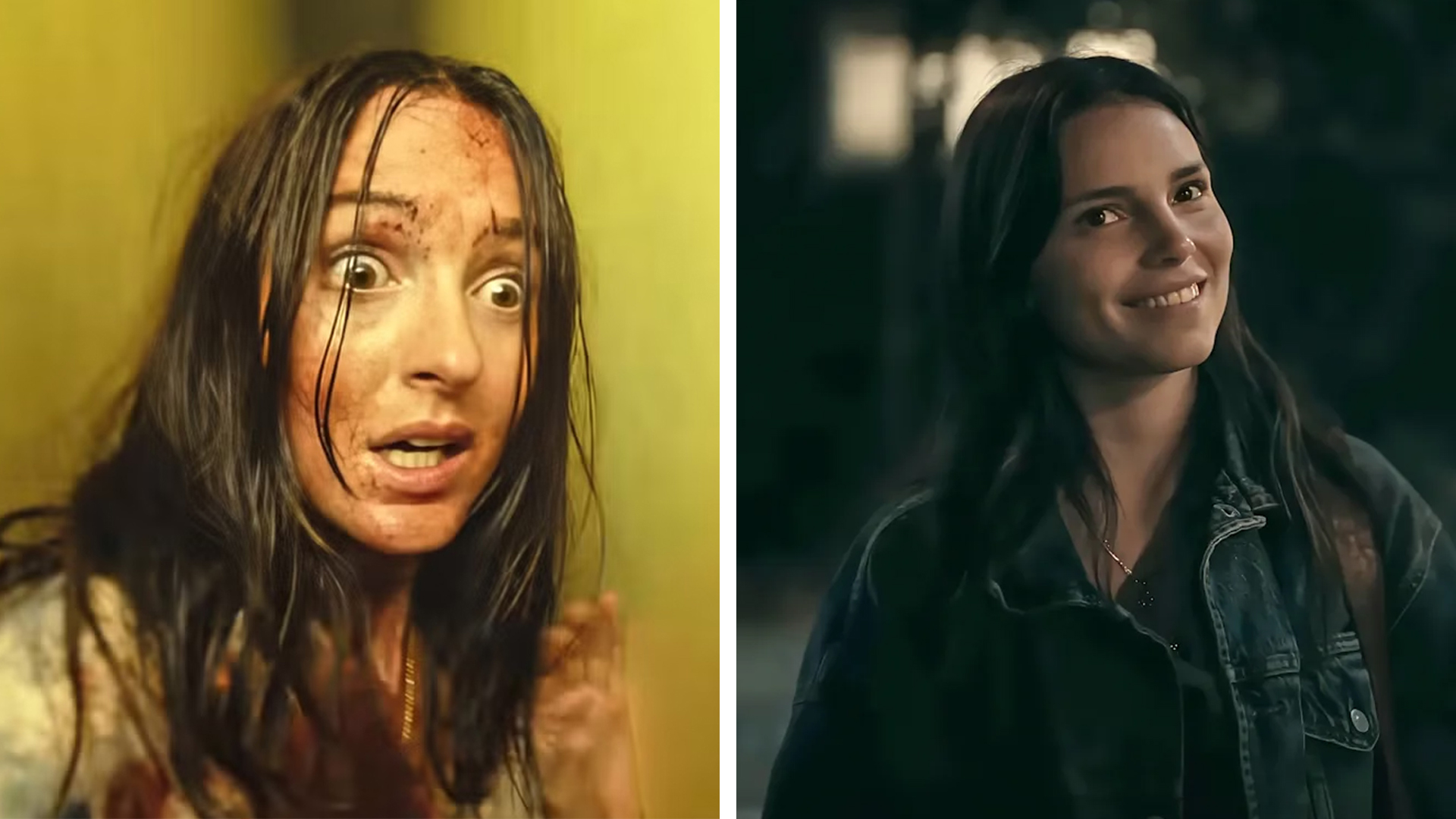
However, a tectonic shift is currently underway. The success of micro-budget, viral sensations like The Backrooms—which reportedly generated $367 million in global impact on a production budget of just $10—and the rise of experimental, community-driven horror projects like Obsession, have proven that modern audiences are hungry for new aesthetics and raw, untethered voices. These films, built using accessible tools like Blender and rendered outside the traditional studio system, are not just anomalies; they are the blueprints for a new era of decentralized filmmaking.
At the heart of this disruption is Lightcraft Technology. With the upcoming debut of their AI-assisted platform, Spark, at SIGGRAPH 2026, the company aims to move beyond mere "cost-cutting" and toward a total democratization of the creative pipeline.
The Death of the "Gatekeeper" Model
For Eliot Mack, CEO and co-founder of Lightcraft, the rise of viral filmmakers like Kane Parsons (The Backrooms) and Curry Barker represents a fundamental rewrite of the rules of engagement.
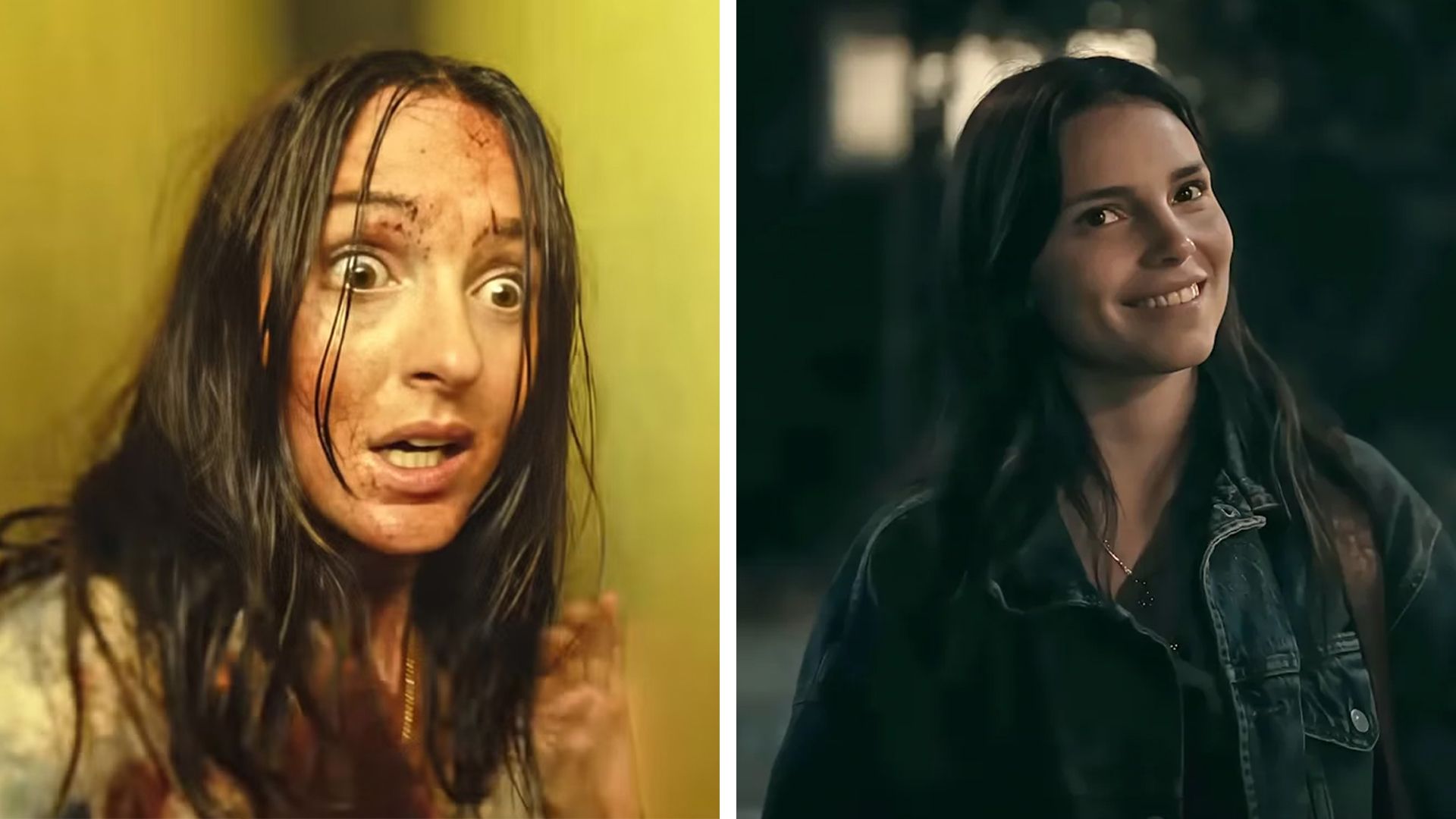
"The key movies in every generation are the ones that rewrite the rules," Mack explains. "What you are seeing now is the speed at which new talent gets a shot at rewriting the rules. Twenty years old is very quick for a big break, and you are going to see more of this, not less, as the tools become more powerful."
Historically, Hollywood has scaled creativity through sheer volume of infrastructure and budget, acting as both financier and primary gatekeeper. This systemic reliance on "safe" bets led to a drought of innovation, where studios feared the "deep work" of experimental storytelling. But as toolsets evolve, the barriers to entry are eroding. According to Mack, we are moving toward a future where filmmakers set their own terms, flipping the script so that studios begin pitching the creators, rather than the other way around.
Chronology of a Digital Revolution
The shift didn’t happen overnight. The trajectory of this movement can be traced through several distinct phases:
- The Democratization of Tools (2015–2020): The widespread availability of powerful, open-source software like Blender, coupled with the rise of affordable consumer-grade hardware, allowed independent artists to create high-fidelity assets that previously required enterprise-level workstations.
- The YouTube "On-Ramp" (2020–2023): Horror emerged as the perfect entry point. Creators leveraged YouTube as a distribution platform, bypassing traditional theatrical gatekeepers and finding massive, niche audiences who craved the "imperfect" but emotionally resonant aesthetic of viral cinema.
- The Rise of the Integrated Pipeline (2024–2025): As seen with the development of Spark, the industry began to realize that the bottleneck wasn’t the creation of the art itself, but the lack of interoperability between pre-production, production, and post-production.
- The Shift to Professional Independence (2026 and beyond): With platforms like Spark, the "indie" production is no longer a scaled-down version of a studio film; it is a natively digital, highly efficient workflow that allows small teams to achieve studio-grade results.
Supporting Data: The Efficiency Gap
Why are traditional studios scrambling to find the next "YouTube wunderkind"? The data speaks for itself. Traditional studio productions are plagued by "islands of work"—pre-production, production, and post-production teams that often operate in silos. This fragmentation leads to massive inefficiencies, with creative decisions often being remade three times over.
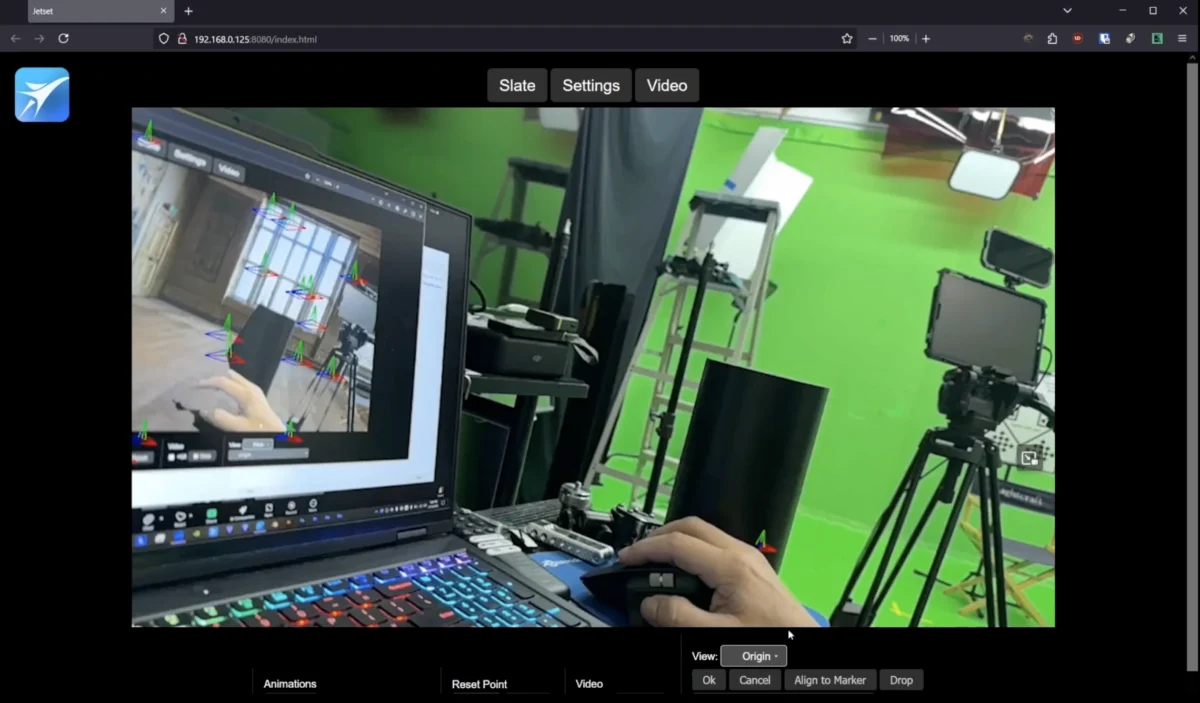
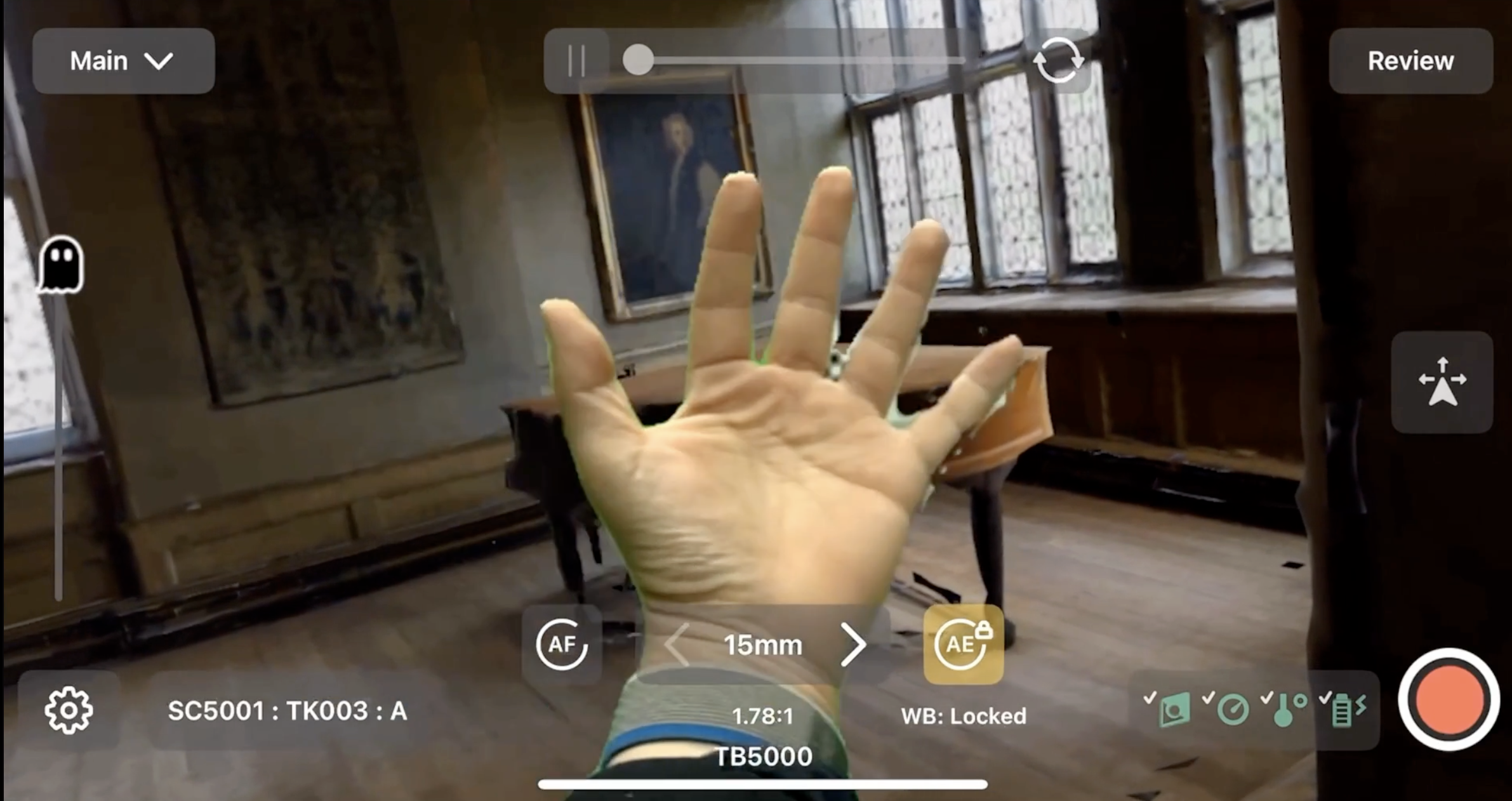
Lightcraft’s Spark platform aims to collapse these friction points by providing a centralized 3D database. By organizing the entire project around the screenplay, filmmakers can:
- Visualize Early: Explore 3D environments and camera angles during the writing process.
- Maintain "Ground Truth": Ensure every team member, from the DP to the VFX artist, is working from the same real-time data, preventing the "data loss" that usually occurs when moving from one production phase to the next.
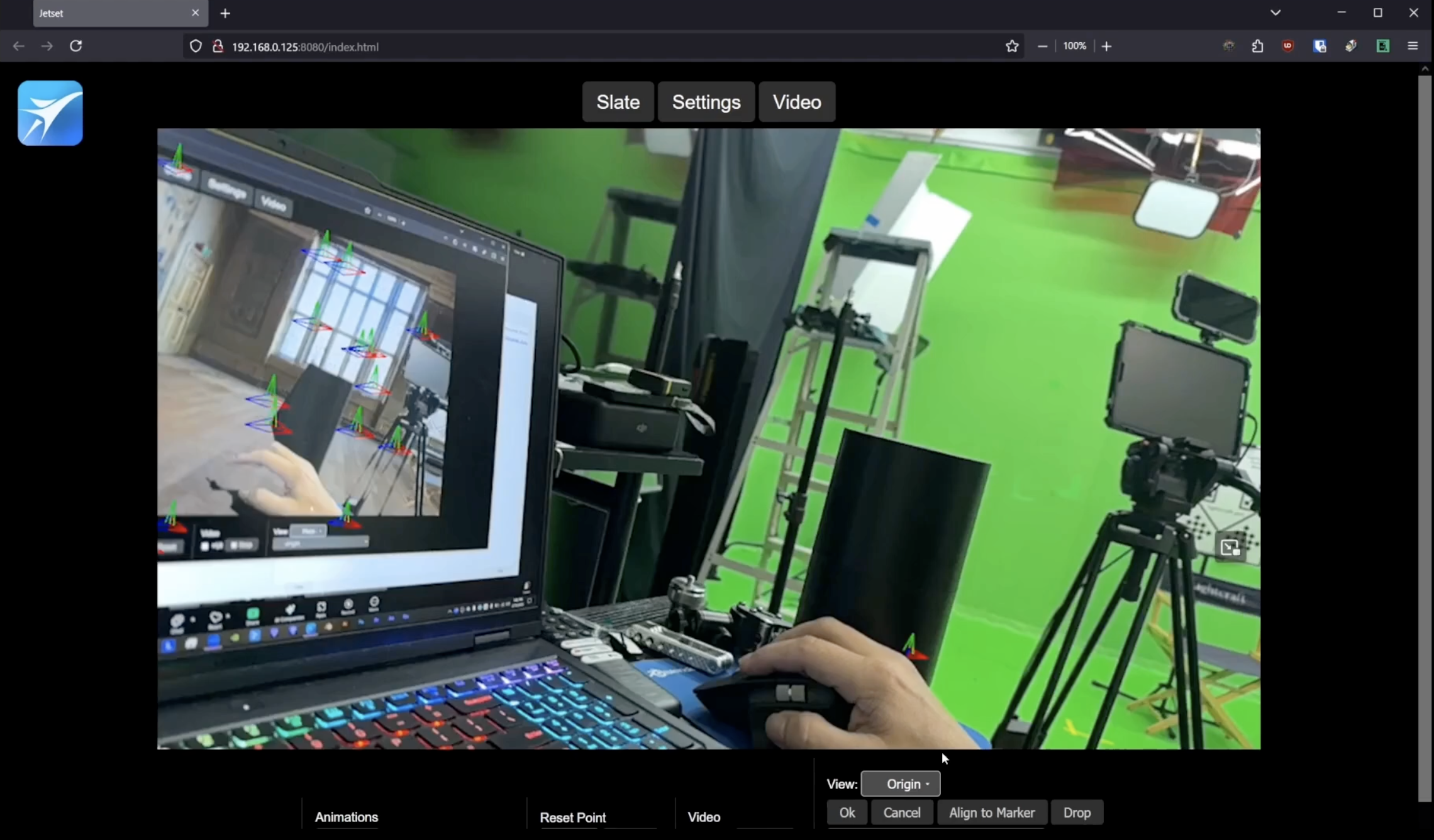
- Iterate at Speed: Because the process is digital-first, a filmmaker can test a visual concept in a browser-based 3D environment, share it with a collaborator, and receive feedback in minutes, not days.
Official Perspective: The "Google Docs" of 3D
When asked if Spark is a tool, a pipeline, or a creative backbone, Eliot Mack is clear: it is a necessity for the modern creator.
"Spark is really one place to create stories together," Mack says. "It’s designed to make the process feel less abstract, and more like working together in the same room. We’re giving them a lingua franca that helps all the islands connect."
Mack emphasizes that Spark does not seek to replace industry-standard software like Premiere, Avid, or Maya. Instead, it serves as the connective tissue. By integrating these tools into a single shared 3D space, Spark allows filmmakers to stop explaining their vision through words and start showing it through rendered, interactive proofs-of-concept.
Implications for the Future of Cinema
If a filmmaker can achieve "Hollywood-adjacent" results without the traditional resource drain, what happens to the studio system?
1. From Overseer to Incubator
The role of the traditional studio will likely shift from that of an all-powerful, top-down overseer to something more akin to a venture capital firm. They will provide the capital and the marketing muscle to scale projects that have already been "de-risked" by independent creators. Studios that can act as "supercharged incubators" will be the ones that survive.
2. The End of the "Blank Page" Pitch
The traditional pitching process, often based on a "hope and a prayer" and a written script, is ripe for disruption. In the future, a pitch will be accompanied by a rough 3D cut. When financiers can actually see the tone, the world, and the visual quality of a film before production begins, the chance of success increases exponentially.
3. The New Creative Class
We are witnessing the birth of a new creative class. These are filmmakers who grew up in the digital age, accustomed to moving "light and fast." They do not want to spend years roaming the halls of Los Angeles looking for a break. They want to build. As this generation enters the mainstream, the definition of what constitutes a "major motion picture" will expand to include projects that are born on the internet and finished in the cloud.
4. Evolution of Formats
While many wonder if this technology will lead to entirely new genres, Mack believes the real shift will be from short-form to long-form. "When people love their characters and worlds they’ve created, a lot of times they start thinking in more expansive terms," he notes. The ability to "swing for the fences" with lower financial risk means we will see more ambitious, high-concept, and experimental long-form storytelling than ever before.
Conclusion: The New Status Quo
As we look five years into the future, the "independent production" will bear little resemblance to its current state. The solitary struggle of the screenwriter will be replaced by a collaborative, browser-based workshop where scenes are built, tested, and polished in 3D.
For the industry, the writing is on the wall. When independent films start consistently "clocking wins"—both critically and commercially—at a fraction of the cost of traditional blockbusters, the old system will have no choice but to adapt. The future of filmmaking belongs to the creators who don’t just dream, but demonstrate. In the Spark-enabled world, seeing isn’t just believing; it’s the new standard of production.