In the modern digital landscape, the "quantified self" movement has encouraged millions to track every facet of their physical exertion. From heart rate variability to split times and elevation gain, fitness applications like Strava have become the gold standard for athletic data. However, these platforms often excel at capturing the "what" and the "how," frequently leaving the "why" and the "who" behind.
Today, Day One—the premier digital journaling platform—announces a transformative integration with Strava, designed to bridge the chasm between raw fitness data and personal narrative. By automatically importing workouts into the user’s daily journal, Day One is repositioning exercise as a vital chapter in the broader story of one’s life.
Main Facts: The Intersection of Data and Reflection
The newly released integration, available with a Day One Silver subscription, marks a significant shift in how fitness enthusiasts document their journeys. Starting with version 2025.22, users across iOS (iPhone and iPad) and the web can now seamlessly tether their Strava profiles to their Day One journals.
At its core, the integration transforms every Strava activity—whether it be a sunrise trail run, a grueling weekend cycle, or a meditative afternoon walk—into a fully editable, multimedia-rich journal entry. Unlike standard activity logs that vanish into a scrolling feed of statistics, these imports become permanent, searchable, and reflective entries. Users can append personal notes, post-workout reflections, photographs of the scenery, or videos of their post-run recovery directly to the data-backed entry.

This is not merely a data dump; it is an enrichment process. By providing the context of the day—how the user felt, what they were thinking, or the specific circumstances surrounding the workout—Day One elevates a simple GPS track into a meaningful memoir.
Chronology: A Seamless Path to Integration
The development and deployment of this feature follow a rigorous, user-centric roadmap. Day One has spent months refining the API handshake between the two platforms to ensure that data privacy remains a priority while minimizing the friction for the end user.

- Initial Connectivity: Upon updating to version 2025.22, users are prompted to link their Strava accounts within the Day One app settings.
- The "First Sync" Phase: Once authorization is granted, Day One initiates a high-priority sync of the most recent activities. This ensures that the user’s latest accomplishments are available for immediate reflection.
- Background Processing: A secondary, automated process then begins the task of backfilling historical data. This ensures that years of training history are gradually populated into the journal, allowing users to rediscover past milestones that were previously buried in the depths of their Strava feed.
- Real-Time Updates: Moving forward, every new workout completed on Strava is automatically pushed to the Day One cloud, typically appearing in the journal within moments of the activity being uploaded to Strava.
Supporting Data and Technical Nuance
The technical architecture behind this integration is designed to handle the complexities of multi-sport data. When a Strava activity is imported, Day One does not simply grab a static image; it reconstructs the metadata into a flexible format.
Key features include:

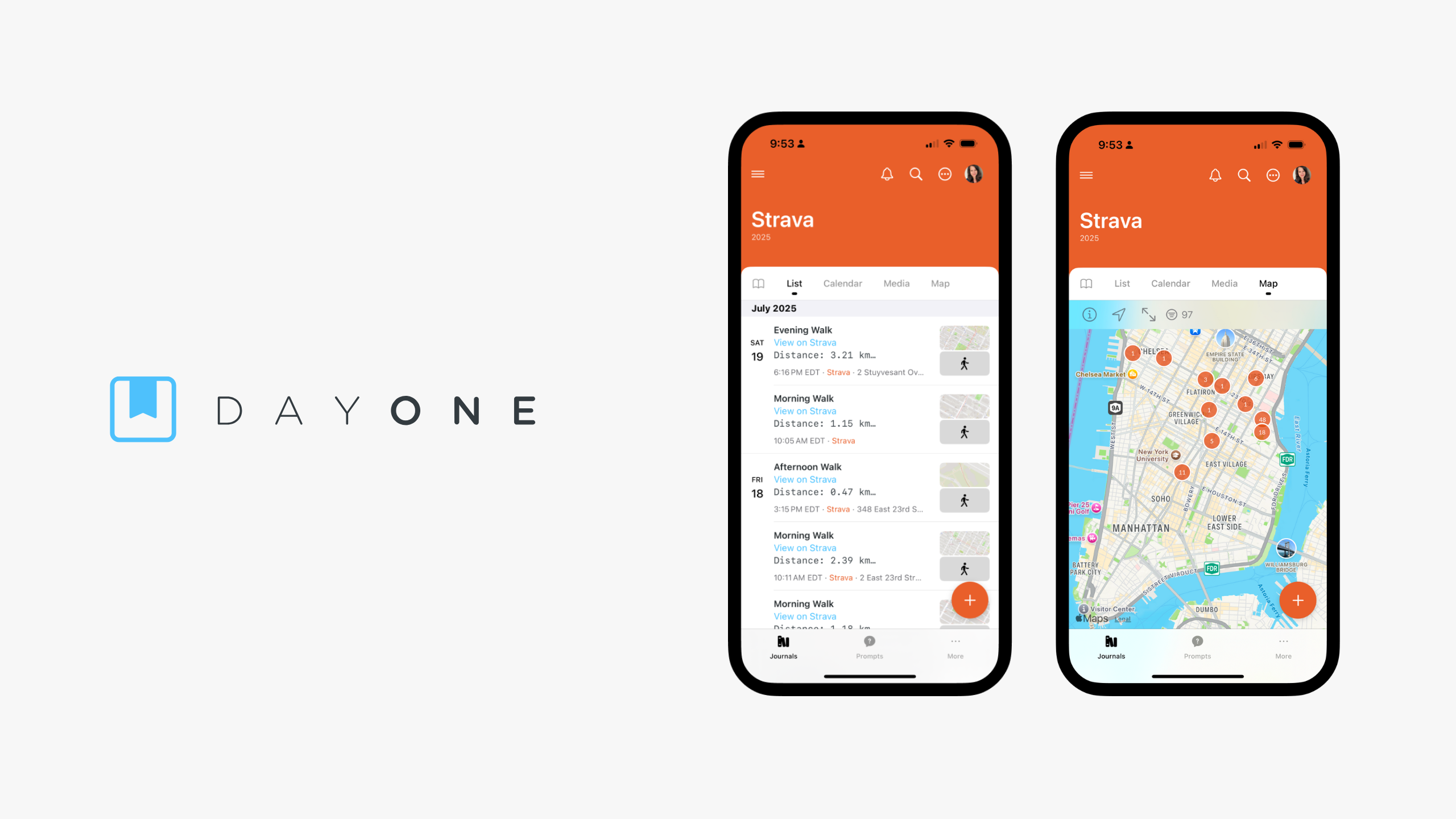
- Multi-Angle Visualization: Users can view their fitness history in List, Calendar, Media, or Map views, allowing for a longitudinal analysis of their training cycles.
- Dynamic Mapping: While the integration does not import a pre-rendered image from Strava, it reconstructs the route map using the activity data, ensuring high-fidelity visual representations of every course taken.
- Media Syncing: The integration automatically pulls in the photos and videos captured within the Strava app, aggregating them alongside user-added content to create a comprehensive visual record.
- Refinement Capabilities: Acknowledging that data can change, Day One allows for manual re-syncing. If a user edits a route or updates a title in Strava, they can trigger an update in Day One to overwrite the previous entry, ensuring the journal always reflects the most current information.
Official Perspectives: The Philosophy of "Living" Data
The team at Day One emphasizes that this integration is a direct response to the community’s desire to humanize their fitness routines.
"Our mission has always been to help you document life as you live it," a spokesperson for the company stated during the launch. "We recognized that for many of our users, movement is a fundamental part of their daily rhythm. By bringing the structure of Strava data into the introspective space of a journal, we aren’t just creating a log; we are creating a narrative archive. We want our users to see more than just numbers. We want them to see their growth, their challenges, and the environment that shaped their journey."

The decision to integrate with Strava specifically was driven by the platform’s ubiquity and the depth of its community-driven data. By focusing on the user experience—making the transition from ‘workout’ to ‘entry’ instantaneous—Day One is effectively removing the barrier to entry for those who want to keep a record of their health but lack the time to manually input data.
The Implications: A New Era of Life-Logging
The implications of this integration extend beyond the app itself, potentially changing how individuals perceive their physical activity.

The Tangible Legacy
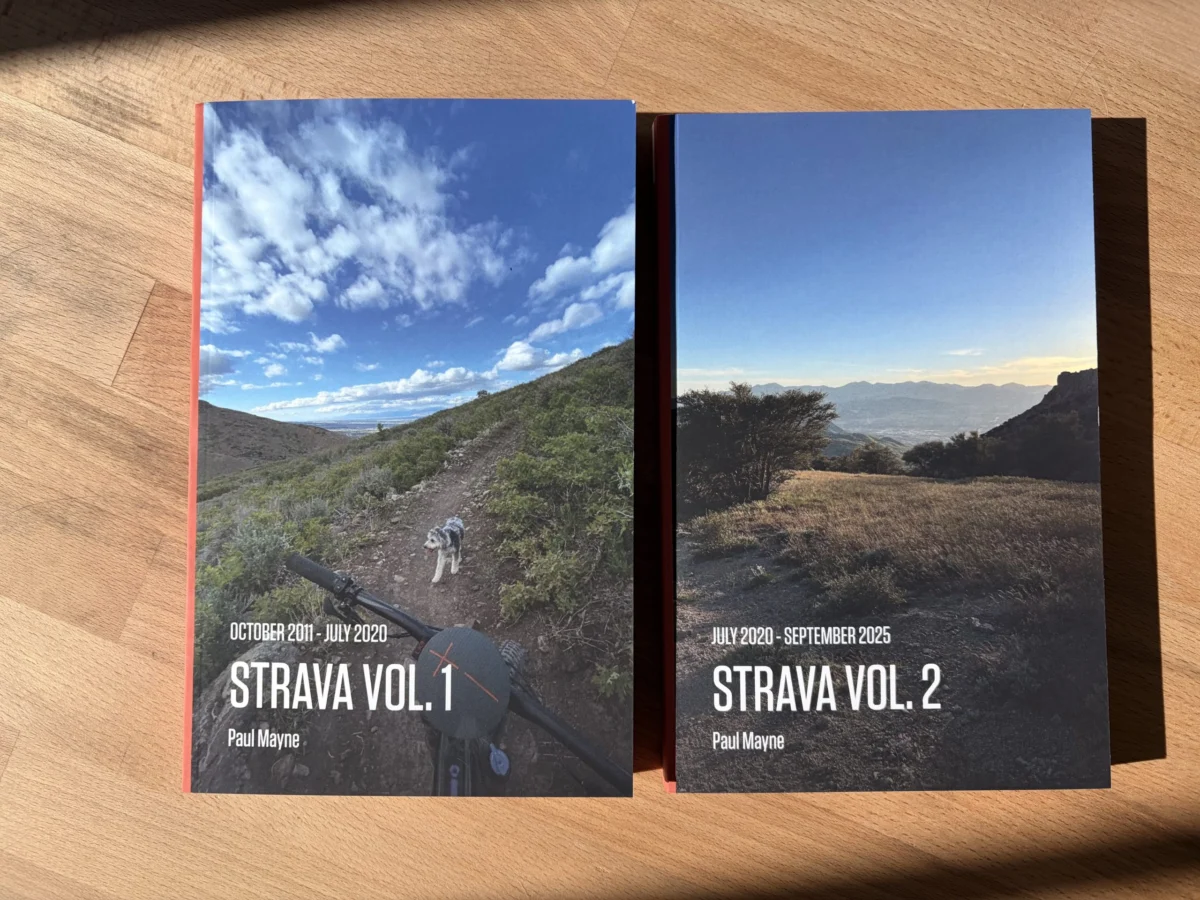
One of the most profound implications is the ability to export these entries into physical, printed books. Through the Day One book printing service, athletes can now curate their training cycles, race preparation, or yearly mileage into a high-quality, tangible coffee-table book. This moves the digital record into the physical world, creating a legacy that can be revisited long after the digital servers have moved on.
The Holistic Wellness View
By placing exercise data alongside text-based reflections, users may begin to identify patterns that were previously invisible. For instance, an athlete might notice a correlation between their "best" run times and specific, pre-run emotional states or dietary notes documented in their journal. This synthesis of qualitative and quantitative data is a significant leap forward in personal health analytics.

Future-Proofing the Journey
With the "On This Day" feature in Day One, the integration ensures that users will be reminded of their physical milestones years later. Whether it is a commemorative notification of a marathon finished three years ago or a look back at the routes one frequented during a particularly challenging training season, the integration ensures that physical accomplishments remain at the forefront of one’s personal history.
Addressing the Community: FAQs and Troubleshooting
As with any major update, the user base has raised pertinent questions regarding functionality and scope.

- On Platform Availability: While the integration is robust on iOS and the web, the team has acknowledged that Android support is currently in development. This indicates a commitment to total platform parity in the near future.
- On Data Accuracy: A common point of confusion is the discrepancy in step counts. Because Strava does not explicitly track steps for all activity types, Day One uses its own internal algorithms based on distance and pace to estimate these values. Users should expect minor variances, as this is an estimation rather than a raw sensor readout.
- On Privacy: The integration operates on a secure, authorized handshake. Users retain full control over what data is synced, and they can revoke access at any time through their account settings.
Conclusion
The partnership between Day One and Strava represents a sophisticated fusion of two distinct digital worlds: the high-intensity, metric-driven realm of athletics and the quiet, contemplative world of personal storytelling. By automating the capture of one’s physical life, Day One has successfully lowered the barrier for individuals to lead more intentional lives.
Whether you are a seasoned marathoner looking to catalog your training journey or a casual walker wanting to remember the paths that have provided you with peace, this integration offers a powerful new tool. It is an invitation to stop simply tracking your miles and start honoring your story. As of today, every step, pedal stroke, and climb becomes a permanent, reflective piece of the mosaic that is your life.