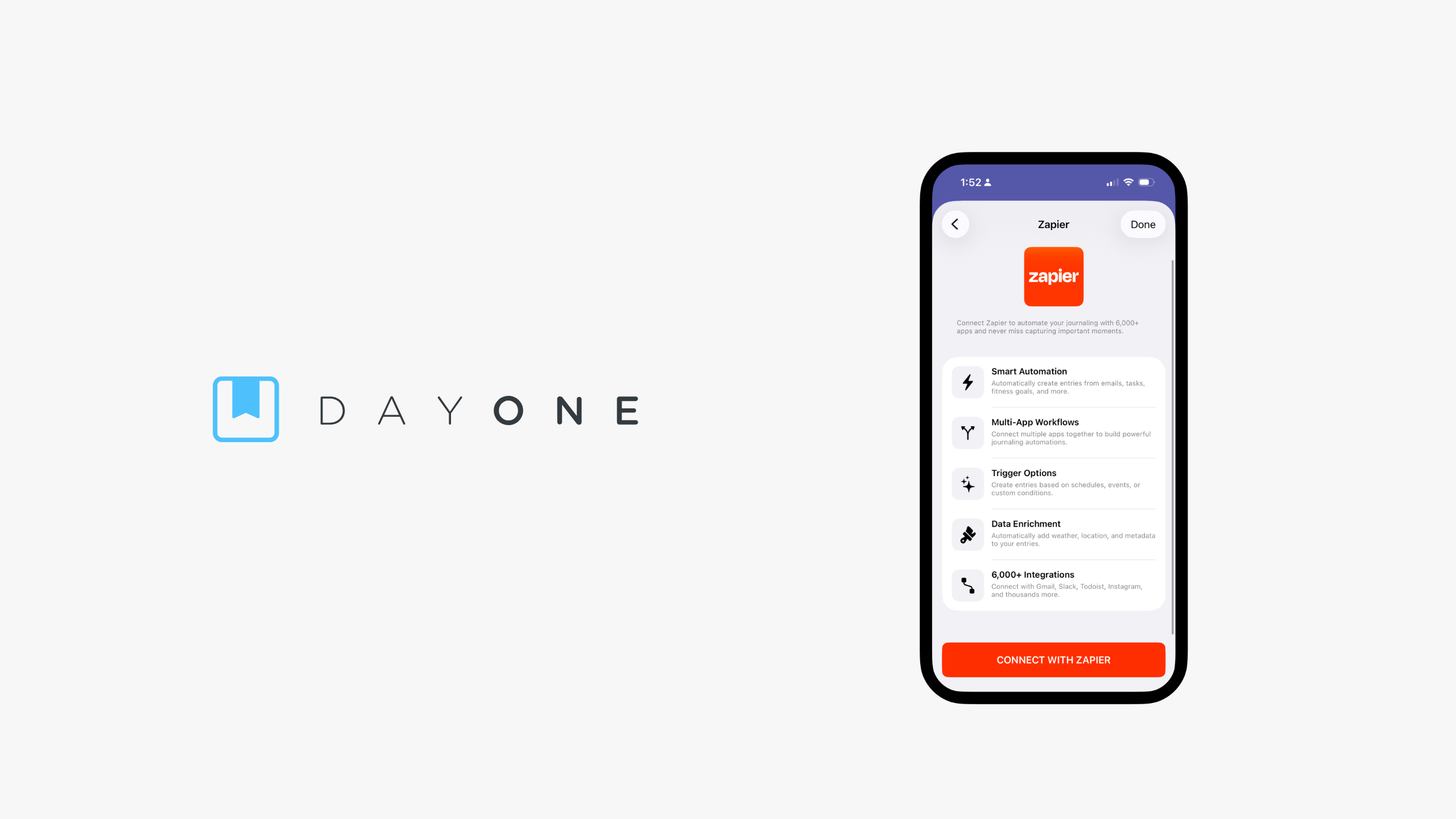
In the modern digital landscape, the act of journaling—traditionally a manual, reflective process—is undergoing a significant transformation. Today, Day One, the leading personal journaling application, officially announced its integration with Zapier, the global leader in workflow automation. This partnership marks a pivotal shift for the platform, enabling users to transform their digital footprints into structured, private, and consistent journal entries without the friction of manual data entry.
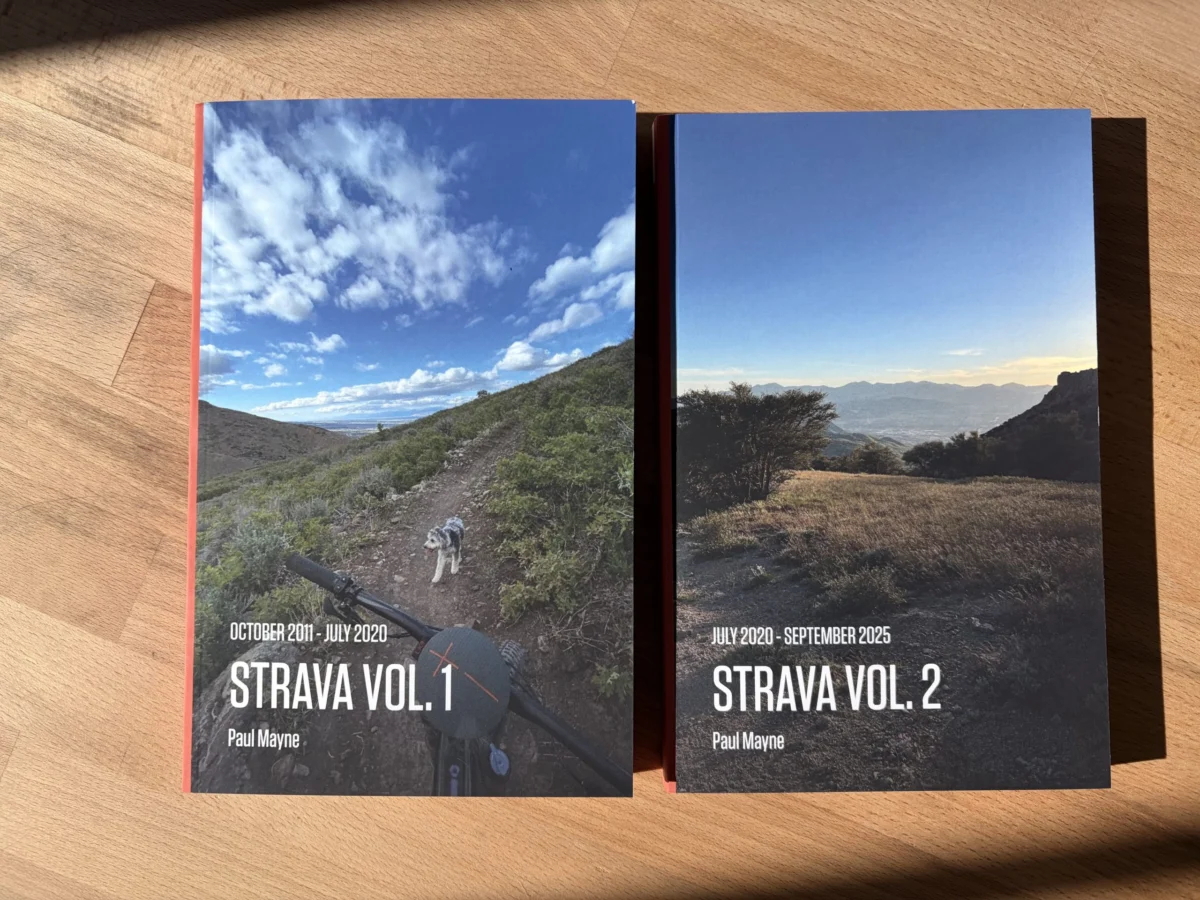
By connecting Day One to Zapier’s ecosystem of over 8,000 applications, users can now bridge the gap between their active digital lives and their private, reflective spaces. Whether it is tracking fitness metrics from Strava, archiving professional communications, or logging completed tasks from project management tools, the new integration ensures that meaningful details are preserved automatically.
The Evolution of the Digital Diary
For years, the primary hurdle to consistent journaling has been the "manual barrier." Life moves at a rapid pace, and the intention to record daily experiences often wanes when faced with the chore of switching apps, copying text, or formatting media. Day One’s new integration addresses this by moving the process into the background of a user’s digital experience.
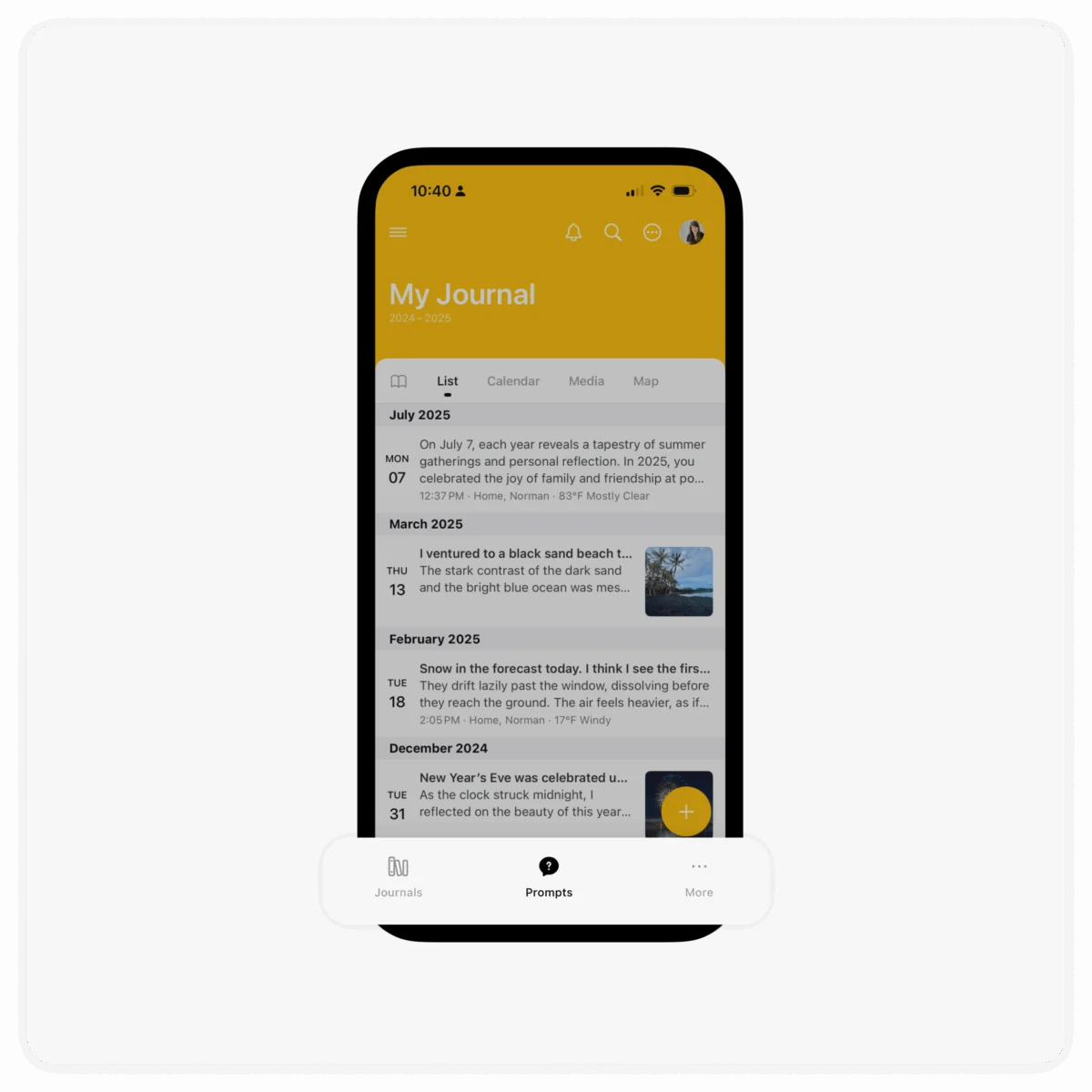
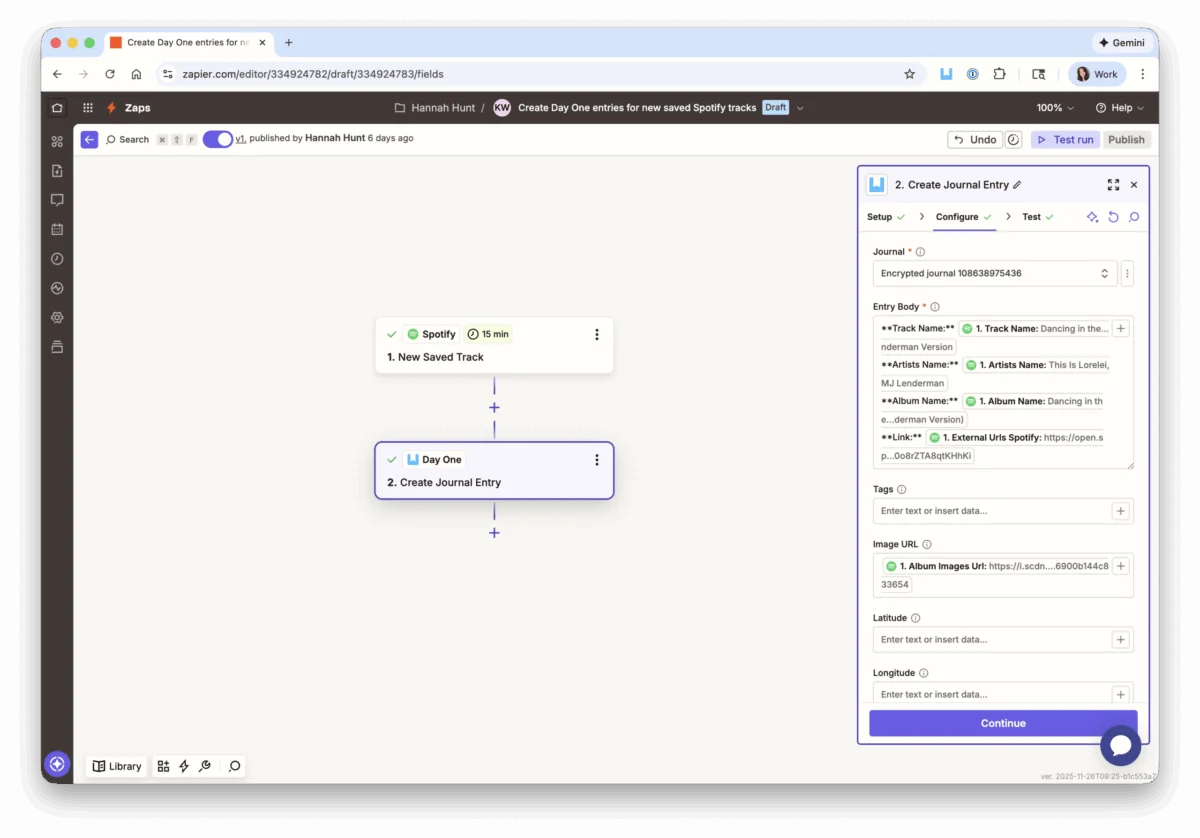
The integration functions as a bridge. Whenever a specific trigger event occurs in a third-party application—such as saving a bookmark, completing a project, or finalizing a meeting note—Zapier acts as the conduit, automatically formatting and pushing that information into a designated Day One journal. This effectively turns the journal into a passive, yet comprehensive, record of one’s life.
Chronology of the Integration Launch
The development of this integration follows months of internal testing and user feedback cycles.
- Early 2025 Development Phase: The engineering teams at Day One prioritized the "automation-first" architecture, focusing heavily on ensuring that the API hooks would remain compatible with existing end-to-end encryption protocols.
- Version 2025.23 Rollout: In mid-2025, Day One pushed the necessary backend updates to its core infrastructure, allowing for secure token-based authentication between the journal app and the Zapier platform.
- Public Beta and Optimization: A select group of power users were given early access to test the "Zap templates," providing the data necessary to refine the formatting options for various input types.
- Official Global Launch: As of late 2025, the integration is now live for all Day One Premium subscribers, with full support across iPhone, iPad, Android, and the web-based interface.
Supporting Data and Use Cases
The utility of this integration is best demonstrated by the versatility of its use cases. By leveraging the 30+ prebuilt Zap templates provided by Day One, users can immediately begin to populate their journals.

Professional and Creative Productivity
For the professional, the integration serves as a repository for "work-life" context. By automating the capture of calendar events or task completions (e.g., from Todoist or Asana), users create a searchable audit trail of their accomplishments. For the creative, it functions as a research tool: articles saved to Pocket or Instapaper can be automatically forwarded to a "Research" journal in Day One, complete with metadata, links, and tags.
Archival and Digital Footprint
Social media usage is often fleeting. Through this integration, users can automatically archive their own posts from platforms like X (formerly Twitter) or Instagram. This creates a permanent, encrypted record of a user’s public-facing thoughts, effectively rescuing them from the algorithmic volatility of social media feeds.
The "Automated Routine"
The true power of this system lies in the "set-it-and-forget-it" nature of workflows. A user might, for example, create a rule that says: "Every time I reach my move goal on my Apple Watch, create a journal entry with my step count and a note of success." This gamifies the journaling process, rewarding consistency with a documented history of personal health progress.

Ensuring Privacy in an Automated World
Perhaps the most critical aspect of this announcement is the firm stance Day One has taken regarding user privacy. Because Day One is renowned for its end-to-end encryption, the engineering team faced a significant challenge: how to allow third-party automation without compromising the "zero-knowledge" security model.
The solution is a one-way street. The Zapier integration is strictly an "inbound" architecture. Zapier is granted the permission to write new entries into a user’s journal, but it is fundamentally incapable of reading or exporting existing entries. The integration functions by using unique journal IDs that are encrypted, ensuring that even in the unlikely event of a service disruption or breach at the automation level, the existing sensitive content within the user’s journals remains completely shielded.
Day One developers have clarified that the system does not have permission to access:

- Existing journal text or media.
- Private tags or metadata not explicitly included in the Zap configuration.
- Account-level data that is not necessary for the authentication process.
Implications for the Future of Personal Knowledge Management
The implications of this integration reach beyond simple convenience. We are witnessing the rise of "Personal Knowledge Management" (PKM) as a standard practice for the general public. By allowing apps to communicate, Day One is positioning itself as the "Central Nervous System" of an individual’s digital life.
As AI-driven content generation and automated data collection continue to expand, having a private, secure, and searchable container for these data points becomes increasingly valuable. Users no longer need to rely solely on their memories to reconstruct their past; instead, they have a digital reflection of their actions, thoughts, and accomplishments.
Getting Started: A Step-by-Step Guide
For those looking to leverage these new capabilities, the process is streamlined to minimize technical friction.

- Verification: Users must ensure they have an active Day One Premium subscription and have updated their application to version 2025.23 or higher.
- Connecting the Account: Within the Day One app settings, users navigate to the "Integrations" tab. Selecting "Zapier" will initiate a secure handshake, prompting the user to sign in to their Zapier account.
- Authorization: Users authorize the connection, which generates a secure token. This token acts as the key for Zapier to deliver entries to the specific journals of the user’s choosing.
- Building the Workflow: Once connected, users can visit the Zapier dashboard to select from the 30+ prebuilt templates. By selecting a template, the user is guided through mapping fields (e.g., mapping the "Article Title" from an RSS feed to the "Title" field in a Day One entry).
- Refinement: Advanced users can utilize Markdown within these workflows to customize the appearance of incoming entries, ensuring that they match the formatting styles used in manual entries.
Official Response and User Feedback
The initial reception from the beta community has been overwhelmingly positive. Early testers have highlighted the "passive capture" of information as the most significant benefit, noting that they have seen a 40% increase in the frequency of their journal entries since enabling automated triggers.
Day One leadership has emphasized that this is only the beginning. The company has launched a dedicated feedback portal for the Zapier integration, inviting users to suggest new app connections and trigger types. As the user base continues to grow, the company intends to expand the list of supported actions, potentially moving toward more complex, two-way interactions that still maintain the high standard of encryption that has become the brand’s hallmark.
Conclusion: The Effortless Journal
The integration of Zapier into the Day One ecosystem represents a maturation of the digital journaling industry. By removing the manual labor from the process, Day One has addressed the primary barrier to long-term usage, allowing users to focus on the content of their lives rather than the mechanics of recording them.

In an age where our digital lives are fragmented across dozens of platforms, the ability to consolidate our history into a single, private, and secure location is more than just a convenience—it is a necessity for self-reflection and personal growth. With this update, Day One has cemented its role as the premier tool for those looking to archive their lives with intelligence, security, and ease.