
Main Facts: The Biweekly Budgeting Challenge
For millions of workers, the rhythm of personal finance is dictated by a biweekly pay schedule—yielding 26 paychecks over the course of a calendar year. While steady employment is the cornerstone of household stability, managing a biweekly income stream introduces unique structural hurdles for personal budgeting. Traditional monthly billing cycles, which operate on fixed calendar dates, often clash with pay periods that shift across months, leaving many consumers feeling overwhelmed and abandoning their financial tracking altogether.
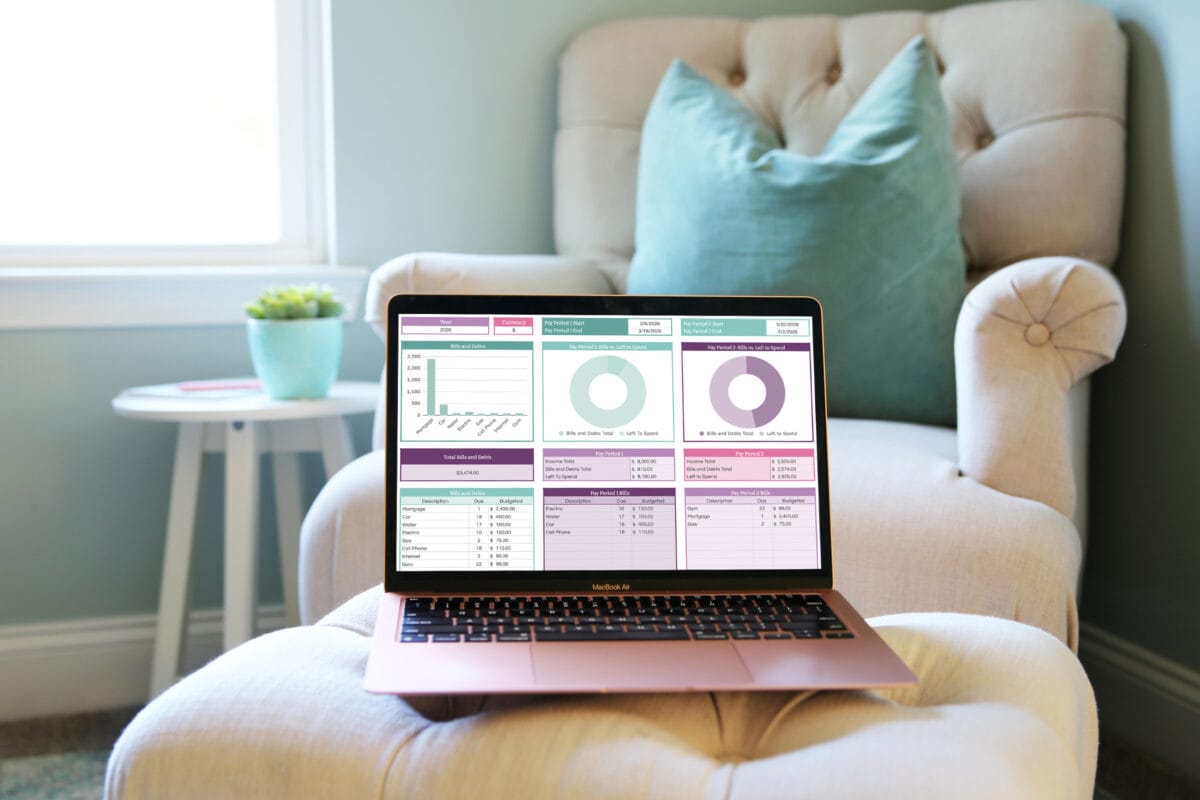
Recent financial literacy initiatives, however, are reframing the biweekly pay schedule not as a logistical burden, but as a strategic asset. By shifting the focus from monthly income matching to a structured, multi-step allocation framework, households can bridge the gap between irregular paydays and recurring expenses. Central to this modern approach is the utilization of specialized digital templates—such as free biweekly bill calculators—that automate the complex math of matching specific paychecks to specific obligations.

The core advantage of the biweekly model lies in the calendar math: twice a year, operating on a 26-paycheck schedule results in a "three-paycheck month." When households build their core operational budgets around a baseline of two paychecks per month, these bonus distribution cycles provide substantial, unallocated capital that can accelerate debt reduction, fund emergency reserves, or boost long-term savings goals.
Chronology: Navigating the Financial Evolution
To understand how modern households achieve financial equilibrium, it is essential to trace the operational timeline of setting up a sustainable biweekly budget. Implementing a functional system typically follows a structured, five-step progression designed to transition consumers from financial reactivity to proactive control.

Phase 1: Establishing the Baseline (Income Assessment)
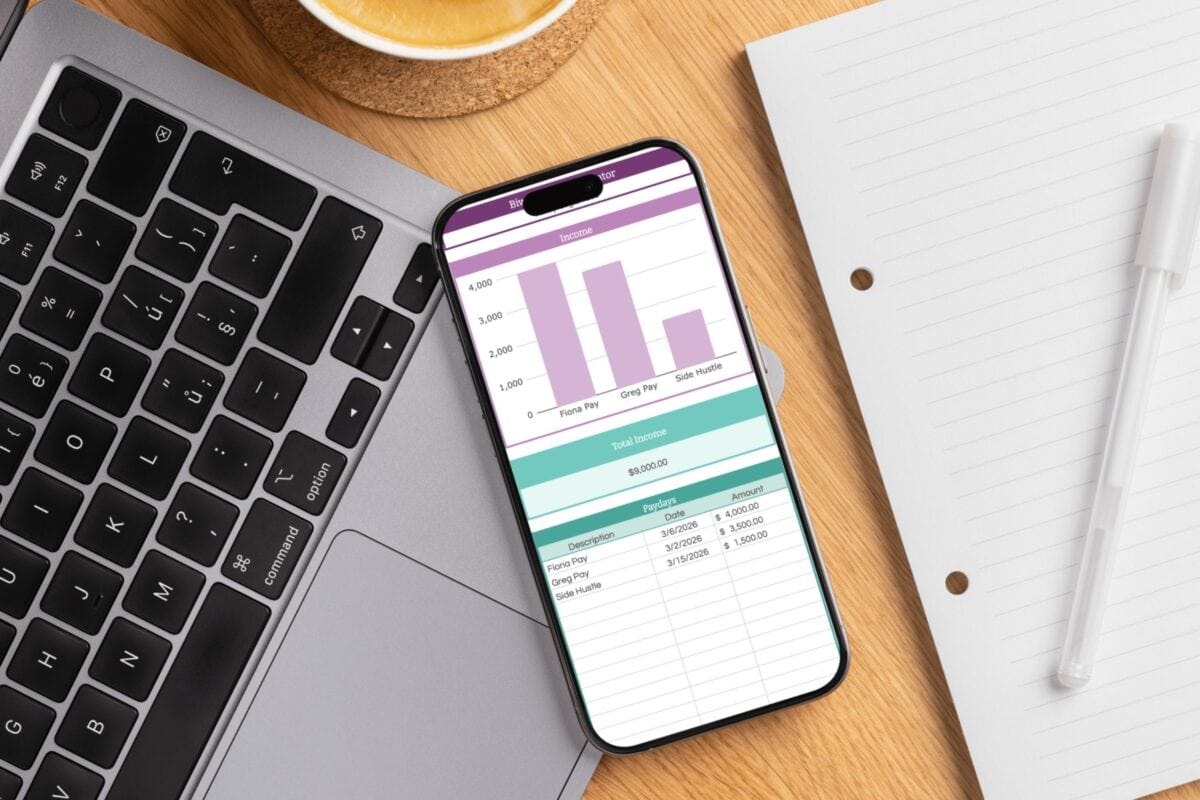
The process begins with absolute clarity regarding net cash flow. Unlike salaried individuals on semi-monthly schedules (who receive 24 equal payments on fixed days like the 1st and 15th), biweekly earners must account for fluctuating deposit dates. Step one requires calculating the precise net income from each individual paycheck, factoring in secondary streams such as side-hustle revenue or a partner’s contribution to establish a reliable baseline.
Phase 2: The Bill and Debt Audit
Historically, consumers stumble during the second phase: auditing fixed liabilities. By pulling previous month-end bank and credit card statements, individuals catalog every recurring obligation—housing, utilities, insurance, and loan installments.

- The Balancing Act: Households review how these bills are distributed across the calendar. Ideally, the financial weight of the first half of the month should mirror the second half.
- Proactive Adjustments: When mismatches occur—such as heavy liability concentrations in the first two weeks—consumers are increasingly leveraging direct communication with service providers to negotiate new, strategically aligned due dates.
Phase 3: Variable Expense Calibration
Once fixed costs are mapped, attention shifts to variable expenditures like groceries, fuel, and discretionary spending. For those new to the biweekly system, financial advisors recommend a baseline tracking period of 30 days. This observation window generates realistic averages, replacing guesswork with data-driven spending caps for the subsequent month.
Phase 4: Savings Integration and Buffer Creation
Savings contributions are treated as non-negotiable fixed expenses rather than leftover afterthought funds. Furthermore, experts advocate for the establishment of a "buffer fund"—a specialized revolving savings pool designed to absorb timing discrepancies between paydays and bill due dates, preventing overdrafts without requiring long-term structural debt.
Phase 5: Weekly Maintenance and Tracking
Sustainability depends on routine. Establishing a consistent weekly habit—such as dedicating 20 minutes on Friday mornings to log transactions into a digital spreadsheet—allows households to catch variances early, ensuring adjustments can be made before a category deficit impacts essential bills.
Supporting Data: The Mechanics of the Biweekly Advantage
A closer examination of the calendar mechanics reveals why biweekly budgeting yields statistical advantages for disciplined savers.
- The 26-Paycheck Mathematics: In a standard 52-week year, a biweekly schedule results in 26 distributions. When dividing this across 12 months, 10 months feature two paydays, while 2 months feature three.
- Surplus Allocation: If a household’s baseline monthly budget is successfully calibrated to function on just two paychecks, the income generated by those two "bonus" paychecks represents roughly 7.7% of total annual earnings available entirely for discretionary wealth-building activities.
- Behavioral Tracking Metrics: Financial technology platforms indicate that users who engage in weekly micro-audits (spending 15 to 20 minutes updating records) reduce impulsive discretionary spending by an estimated 15% to 22% compared to those who review statements only at month-end.
Official Responses and Expert Perspectives
Financial planners and consumer advocates have increasingly turned their attention to the psychological barriers surrounding budget fatigue. Industry consensus points to complexity as the primary driver of financial disengagement.
"When a system requires advanced mental gymnastics just to figure out if you can afford your electric bill on the 14th, people quit," notes consumer finance educator Abby Lawson. "The goal of introducing automated calculators and standardized templates isn’t just about math; it’s about lowering the cognitive load of money management."

Credit counselors and debt management agencies echo this sentiment, noting that biweekly income structures, when paired with automated allocation tools, naturally align with aggressive debt payoff strategies like the "debt avalanche" or "debt snowball." By decoupling everyday survival expenses from the occasional third paycheck, consumers are psychologically primed to route windfalls directly toward principal balances rather than lifestyle inflation.
Implications: Long-Term Financial Health and Wealth Building
The widespread adoption of structured biweekly budgeting carries profound implications for household economic resilience.

Mitigating Economic Vulnerability
In an economic climate defined by inflationary pressures and fluctuating cost-of-living metrics, households utilizing buffer funds and strict variable tracking demonstrate superior resistance to unexpected financial shocks. By avoiding reliance on high-interest revolving credit to bridge biweekly pay gaps, consumers protect their credit scores and preserve disposable income that would otherwise service interest charges.
Transforming Windfalls into Generational Assets
Perhaps the most significant implication involves the intentional deployment of the third paycheck. Rather than treating these semi-annual distribution spikes as permission for unbudgeted consumer spending, financially literate households consult pre-ranked priority lists. Whether funding tax-advantaged retirement accounts, bolstering emergency liquidity, or clearing high-interest consumer debt, this disciplined approach turns a scheduling quirk into a powerful engine for long-term wealth accumulation.

Ultimately, mastering the biweekly pay cycle transforms a routine calendar variation into a masterclass in modern personal finance, proving that sustainable wealth is built not on the size of an income, but on the precision of its organization.