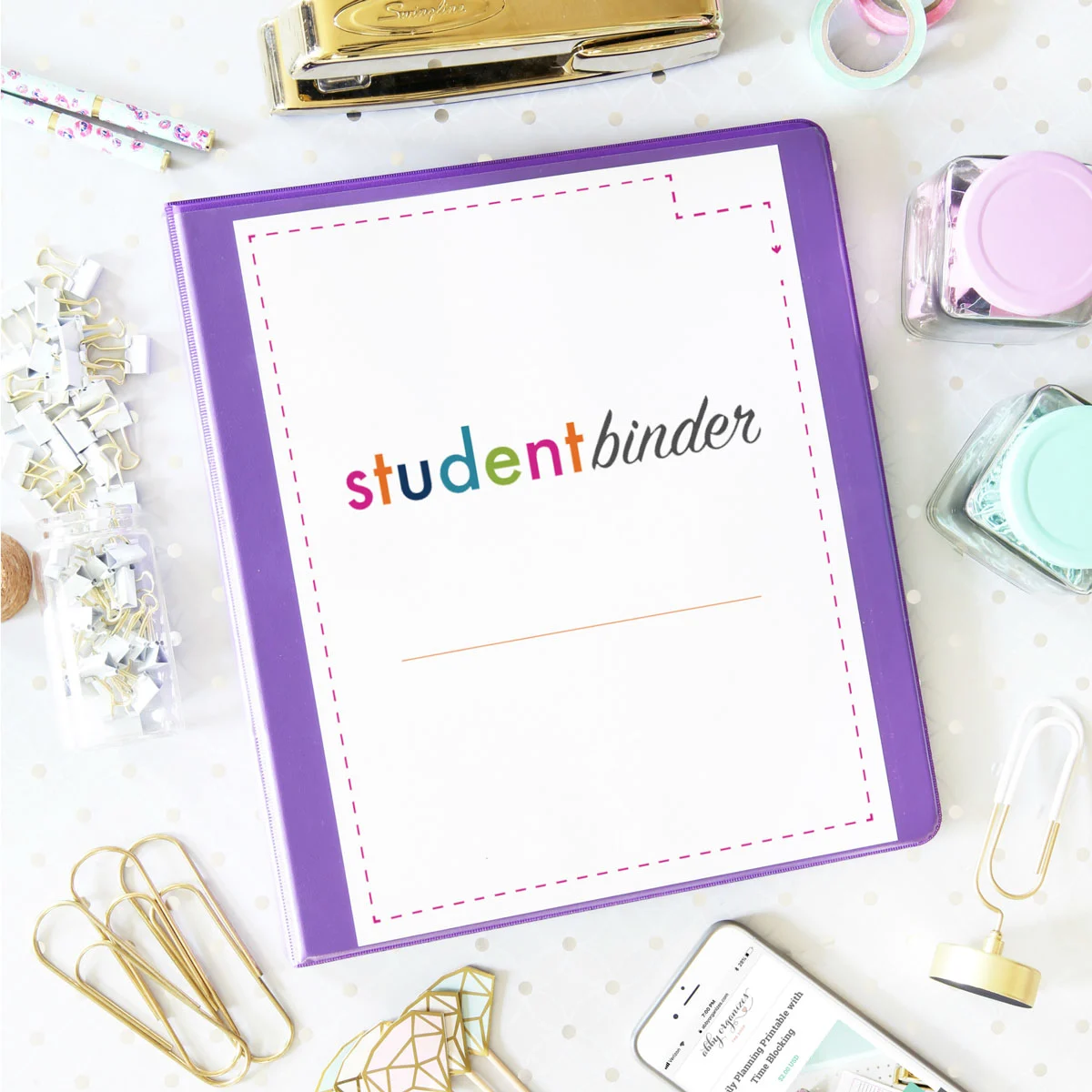
WASHINGTON — As families and educators gear up for the upcoming academic calendar, the annual scramble for school supplies has taken a decidedly organized turn. The highly sought-after, comprehensive student binder printables have officially returned, answering months of persistent inquiries from students, parents, and educators alike. Designed to mitigate the chaos of syllabus week, looming exam dates, and complex project deadlines, this year’s iteration promises a structured, aesthetically pleasing roadmap to academic success.
Available now for the 2026–2027 school year, the newly updated resource offers an extensive suite of planning tools, tracking sheets, and subject-specific templates. Developed to bridge the gap between high school transition anxiety and college-level independence, the package addresses a critical need in modern education: executive functioning support outside the traditional classroom.
Main Facts: What the 2026–2027 Student Binder Offers
The newly released student binder collection is not merely a cosmetic upgrade; it is a full-scale organizational framework. Built upon years of iterative design and user feedback, the kit includes foundational setups as well as advanced time-management resources.

- Dual Color Schemes: To accommodate diverse preferences, the entire binder system is available in two distinct visual palettes—a vibrant, classic scheme and a cool-toned blue alternative designed following requests from parents seeking gender-neutral or alternative aesthetic choices.
- Comprehensive Planning Suite: Ranging from year-long goal-setting sheets to granular, hourly time-blocking templates, the printables cater to various learning and planning styles.
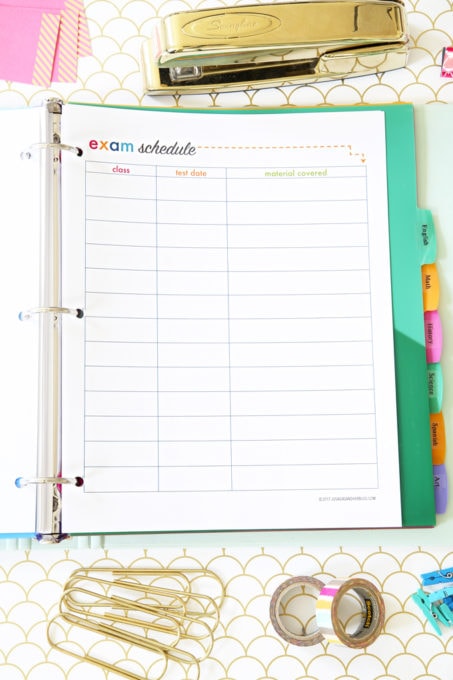
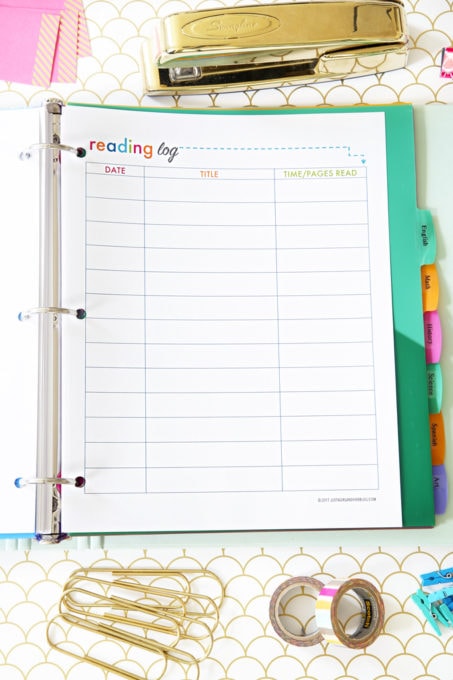
- Academic Trackers: Dedicated modules for assignment schedules, exam dates, reading logs, and cumulative grade tracking ensure students maintain constant visibility over their academic standing.
- Subject-Specific Modules: Modular tabs outfitted with note-taking sheets and project planners allow students to compartmentalize multi-class workloads efficiently.
Chronology of Development and Release
The journey of the popular student binder system spans nearly a decade of continuous refinement, reflecting shifting educational demands and digital-age planning habits.

- July 2016: The initial concept of the printable student binder was launched to combat back-to-school disorganization, focusing on basic schedules and grade trackers.
- Intervening Years (2017–2021): Based on widespread adoption in middle schools, high schools, and universities, the creator expanded the library to include time-blocking pages, daily routines, and specialized reading logs.
- July 2022: A major aesthetic overhaul introduced sturdier cover designs optimized for white card stock printing and heavy-duty three-ring binders.
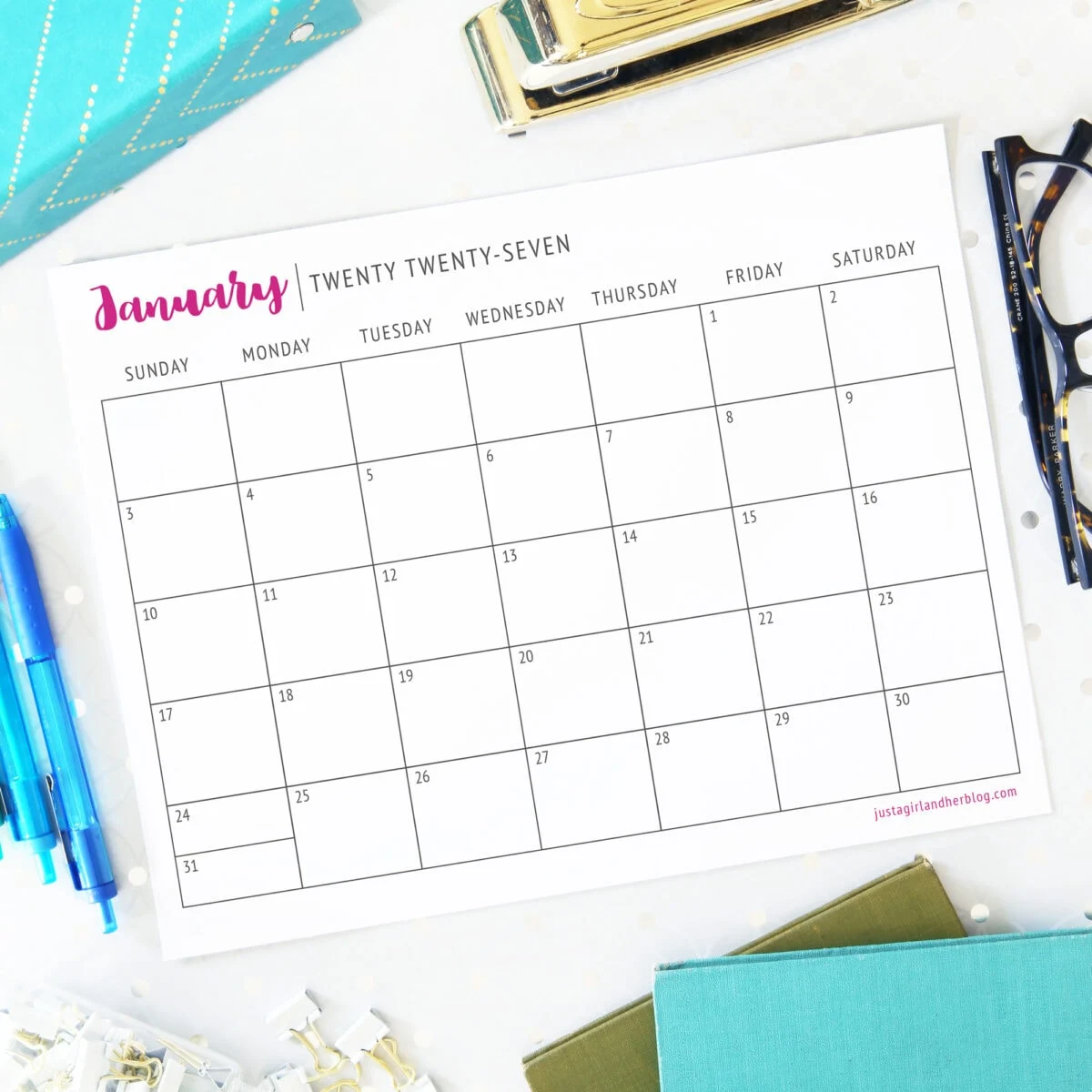
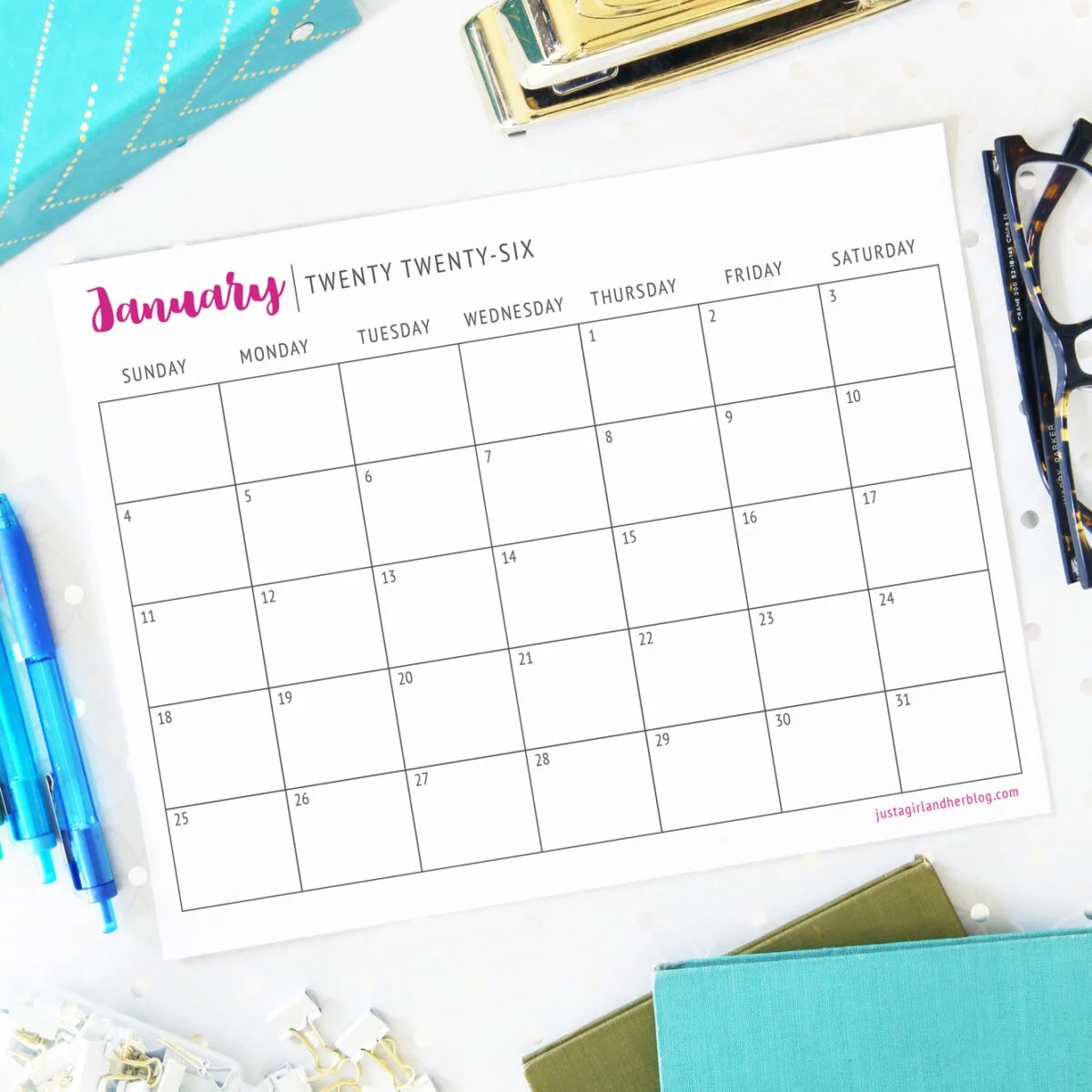
- August 2025 – August 2026: In response to community demand for future-proof planning, the release schedule was updated to include synchronized, dated monthly calendars running from July 2026 through December 2027, alongside flexible undated counterparts.
Supporting Data: The Anatomy of an Organized Student Binder
Constructing an effective physical planner requires specific physical supplies paired with strategic layout architecture. Education and organization experts frequently highlight the psychological benefits of tactile planning—writing down assignments by hand improves memory retention compared to digital typing.
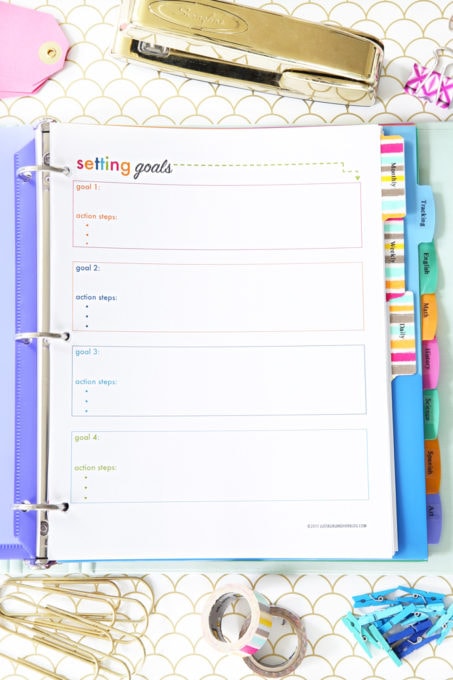
Essential Assembly Supplies
To build a functional student binder, organizers recommend starting with a durable base:
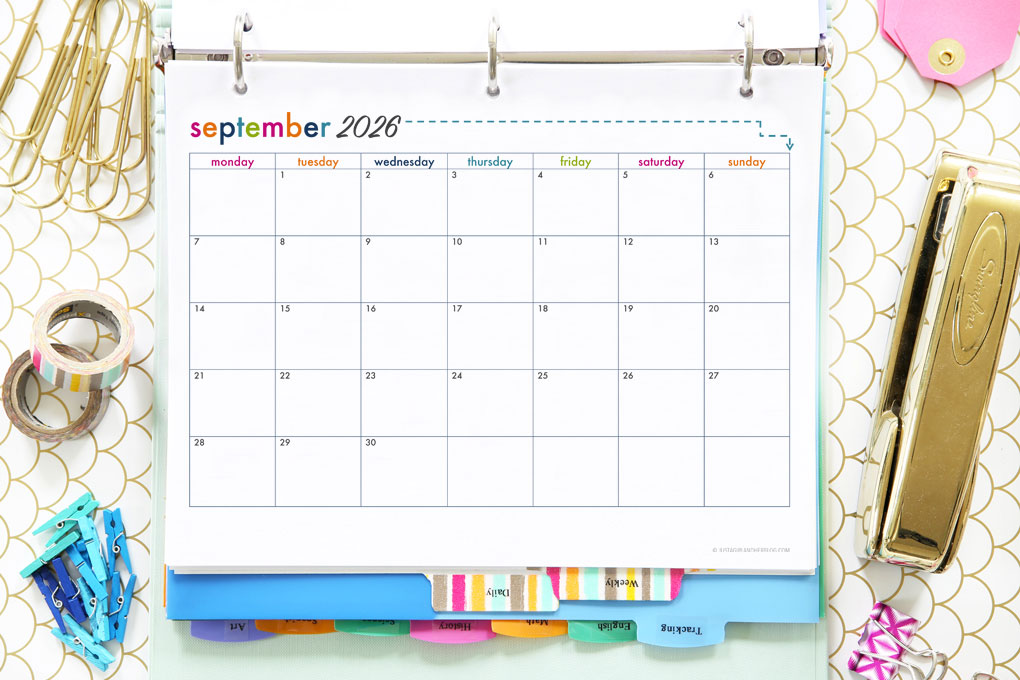
- A Heavy-Duty 3-Ring Binder: Capable of withstanding daily transit in backpacks.
- Card Stock Paper: Specifically utilized for the customizable binder cover to prevent tearing at the ring holes.
- Tab Dividers (with Pockets): Essential for separating core subjects while storing loose handouts.
- Office Accessories: Highlighters, color-coded washi tape, hole punches, and paper clips to visually categorize weekly priorities.
The Section Breakdown
The binder is systematically divided into three functional pillars:

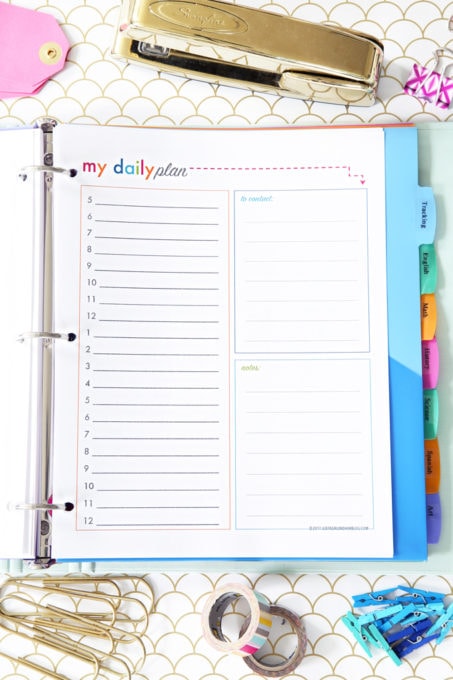
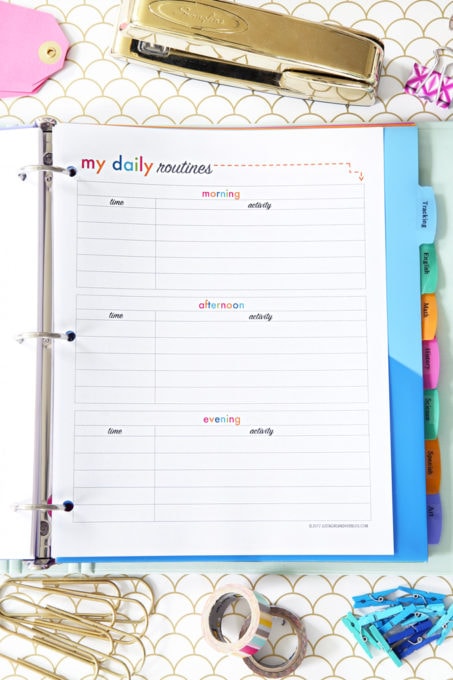
- The Planning Section: Features dated and undated monthly calendars, a two-page weekly planner structured with hourly slots for time blocking, daily planning sheets, and a daily routines checklist (covering morning prep, afternoon homework execution, and evening wardrobe/schedule staging).
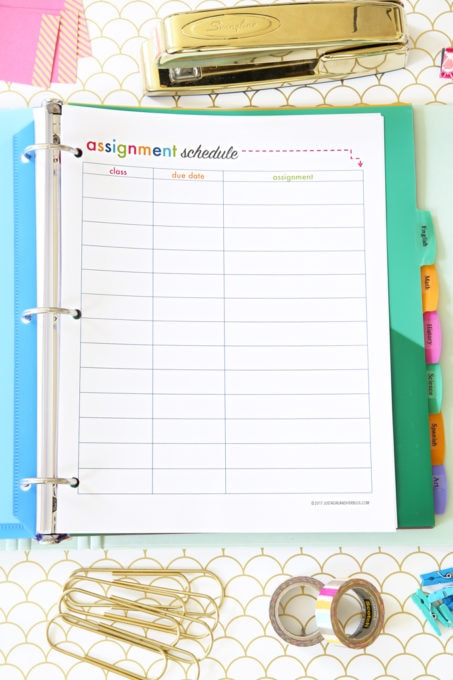
- The Tracking Section: Concentrates on macro-level academic timelines. It includes synchronized assignment schedules and exam matrices designed to process syllabus data immediately during the first week of classes. A dedicated reading log encourages literacy tracking, which educational research links to lifelong cognitive benefits.
- The Subject Sections: Repeated across multiple class tabs, these subsections house cumulative grade trackers (featuring running totals to eliminate end-of-quarter grading surprises), dedicated note-taking sheets, and detailed project planners to break down complex multi-step assignments into manageable milestones.
Official Insights and Community Response
The release addresses a frequent pain point voiced by parents and teachers: the overwhelming transition periods at the start of each semester.
"Over the past few months, one of the most common questions I have received has been, ‘When are you going to update the student binder?!’" noted the creator behind the resource. "This year’s binder still features multiple color scheme options and many, many printable pages that will help you stay organized throughout the school year."
Educators have long emphasized that executive dysfunction is one of the leading contributors to underperformance among middle and high school students. By introducing structured grade-tracking columns and time-blocking mechanisms early, students learn accountability. Furthermore, the inclusion of a secondary blue color scheme—originally introduced following requests from parents of boys—highlights a user-centric design philosophy that values broad accessibility and personal preference.
Implications for the Upcoming Academic Year
As schools embrace hybrid learning models and face increasing academic pressures, tools that promote analog organization and mindfulness are experiencing a resurgence.
The availability of these free printables lowers the barrier to entry for effective time management. Families facing rising inflation costs for school supplies benefit significantly from open-access digital libraries that can be printed at home on demand. By fostering habits such as daily routine tracking and proactive grade monitoring, students are equipped not just for the immediate academic term, but with foundational life skills in project management, self-assessment, and personal accountability.
The complete collection of printables is currently accessible via digital subscription libraries, providing a timely lifeline for households preparing for the bell to ring on a new school year.