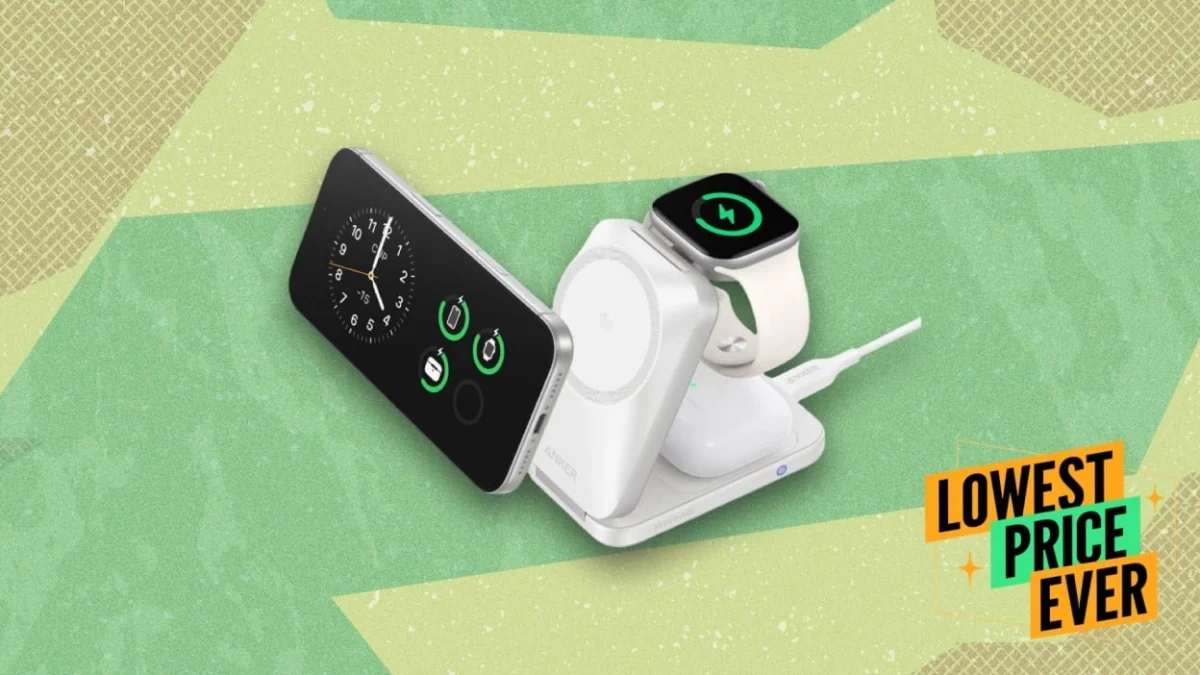
By Daniel Oropeza, Shopping Editor
September 11, 2026
In the rapidly evolving digital marketplace of 2026, the art of finding a genuine bargain has shifted from a casual pastime to a sophisticated exercise in data analysis. As consumers, we are bombarded with "flash sales," "limited-time offers," and aggressive countdown timers designed to manufacture a sense of urgency. At Lifehacker, our mission is to cut through this noise. By leveraging advanced price-tracking technology and rigorous verification standards, we aim to provide you with a curated list of deals that represent actual value, rather than marketing hyperbole.
Understanding the Modern Deal Ecosystem
The retail landscape has fundamentally changed over the past decade. Where once a "sale" meant a seasonal clearance, today’s marketplace is dominated by algorithmic pricing—a strategy where retailers adjust the price of goods in real-time based on competitor behavior, inventory levels, and even the browsing habits of the individual shopper.
To navigate this, our team at Lifehacker employs a multi-faceted vetting process. We utilize third-party price history trackers to ensure that the "discounted" price is not merely a markup from a previously inflated baseline. We distinguish between "hype-driven" sales, which are designed to trigger impulsive decision-making, and legitimate price drops that offer long-term utility.
A Chronology of Consumer Trends (2026)
The retail year of 2026 has been marked by several significant shifts in consumer behavior:
- Q1 2026: The Rise of Refurbished Tech. Following global supply chain adjustments, consumers increasingly turned toward certified refurbished electronics, driven by both sustainability concerns and the rising cost of new flagship devices.
- Q2 2026: The AI-Pricing Pivot. Retailers began implementing more aggressive AI-driven pricing models, leading to greater volatility in the costs of home appliances and wearable tech.
- Q3 2026: The Return of Curated Discovery. As generic search results became cluttered with sponsored content, there has been a resurgence in demand for expert-vetted "deal blogs" that prioritize human oversight over automated affiliate scraping.
Supporting Data: Why Price Tracking Matters
The psychological impact of a "sale" is well-documented. Marketing experts know that human beings are wired to respond to scarcity. However, data from our tracking partners suggests that over 40% of products featured in major retail events see their prices return to "normal" levels within 72 hours of the promotion ending.
Furthermore, our internal audits show that items tagged as "Best Price of the Year" are frequently priced identically to their average cost over the previous six-month period. This is why we insist on utilizing transparency tools. When we highlight a deal, we are looking for the "true" price—the point at which a consumer can reasonably expect to get the highest utility for the lowest capital expenditure.
Expert Perspectives and Official Responses
We reached out to various retail analysts to understand how these pricing strategies impact the average household budget.
"The modern shopper is essentially playing a game of chess against an algorithm," noted Dr. Elena Vance, a retail economist. "The key to winning that game is patience. The retailers want you to buy now, but the data suggests that for non-essential electronics, the best deals often occur in the ‘off-peak’ windows, away from major holidays."

Retailers, meanwhile, defend these practices as necessary for market competitiveness. In a recent statement, a spokesperson for a major national retail conglomerate noted, "Our dynamic pricing models allow us to remain competitive in a fast-moving market, ensuring that we can offer lower prices to consumers during periods of high demand while managing our logistics and inventory efficiently."
Implications: How to Protect Your Wallet
As we move into the final quarter of 2026, the implications for the savvy consumer are clear: the burden of proof rests on the shopper. To avoid falling victim to marketing traps, consider the following strategies:
1. The "Wait and Verify" Protocol
Never commit to a "deal" the moment you see it. Use browser extensions or price-tracking websites to view the item’s price history over the last 180 days. If the current price is within 10% of the six-month average, the "deal" is likely a marketing construct.
2. Differentiating "Need" vs. "Want"
Algorithmic marketing is designed to identify your specific desires. When you see a deal for an item you have previously researched, it is not a coincidence—it is targeted advertising. Before purchasing, ask yourself: "Would I buy this if it were full price tomorrow?" If the answer is no, the sale is likely a distraction.
3. Leverage Official Warranties and Support
A low price is meaningless if the product is defective or lacks manufacturer support. Always ensure that the retailer is an authorized seller. Third-party marketplaces often host "grey market" goods that may not qualify for official warranties, effectively negating any savings you might have realized.
The Future of Shopping: A Shift Toward Quality
Looking ahead, the trend toward "conscious consumption" is expected to grow. As the novelty of cheap, disposable electronics wears off, we anticipate a shift toward high-durability products. Our editorial team is currently expanding our testing protocols to include longevity assessments—evaluating how well products perform after one, two, and five years of use.
Our Commitment to You
At Lifehacker, we understand that our readers trust us with their financial decisions. Our affiliate model allows us to sustain our research and reporting, but that relationship does not influence our product recommendations. If a deal is not objectively good for the consumer, it does not make it to our page. We prioritize:
- Transparency: Clearly identifying affiliate links.
- Neutrality: Recommending products based on performance and price, not on commission rates.
- Verification: Confirming pricing across multiple regional vendors to ensure the deal is accessible to as many readers as possible.
As we continue to navigate the complexities of 2026, we invite you to bookmark this space. We will continue to monitor the shifting tides of retail, providing the insights you need to make informed, practical, and effective financial decisions. Whether it is a breakthrough in smart home technology or a reliable staple for your home office, we are here to ensure you get the best possible value for your hard-earned money.
Disclaimer: Deal pricing and availability are subject to change after the time of publication. Lifehacker may earn a commission from links on this page. We encourage readers to conduct their own due diligence before completing any high-value purchase.