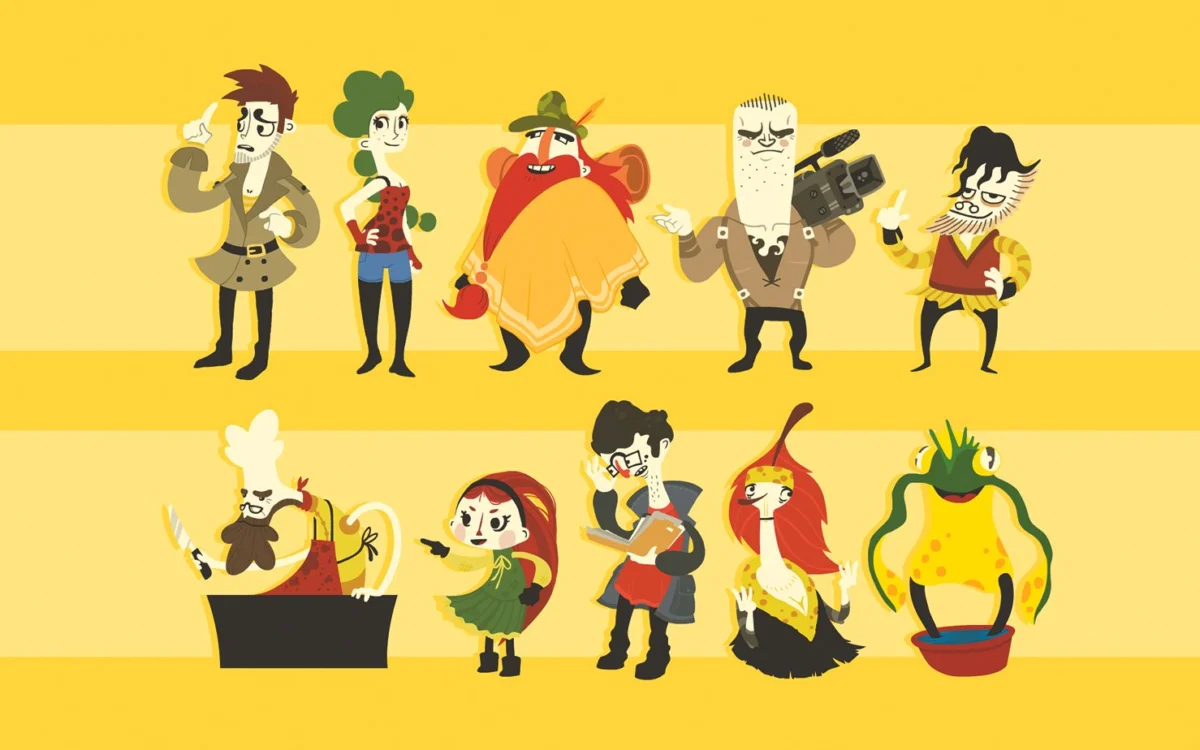
The narrative of video game history is often presented as a relentless, linear march toward hyper-realism. As technology matures, the industry’s trajectory is typically framed as a transition from the "limitations" of low-resolution 2D pixels to the expansive possibilities of 3D environments. However, this perspective ignores the intentional, stylistic evolution of creators who view 2D art not as a nostalgic crutch, but as a dynamic medium capable of profound sophistication.
Adam Vian, co-founder of the award-winning independent studio SFB Games, serves as a primary case study for this artistic maturation. Alongside his brother Tom, Vian has spent over two decades in the industry, evolving from a teenage hobbyist on Newgrounds to an acclaimed developer collaborating with industry titans like Nintendo and Apple. As the studio prepares for the launch of The Mermaid Mask—the fourth installment in their flagship Detective Grimoire series—the evolution of their aesthetic provides a masterclass in artistic growth, technical adaptation, and the value of iterative design.
The Flash Era: A Crucible for Creativity
To understand the current polish of the Detective Grimoire series, one must first look at the "blissful existence" of the early 2000s Flash game scene. For the Vian brothers, the web was their playground.
"We got started with Flash back in the early 2000s on Newgrounds," Adam Vian recalls. "It was an incredibly accessible medium. It felt like something a teenager could actually master. We were making games in a week, with Tom handling the programming and me focusing on the art and animation."
This period was characterized by a lack of restrictive copyright enforcement, allowing young creators to experiment with established intellectual properties and iterate at lightning speed. Vian describes this time as an "amazing accelerant." He suggests that every artist possesses a quota of "bad" work they must exhaust before they can begin to produce quality pieces. By releasing dozens of small, often experimental games in quick succession, the brothers managed to burn through their amateur mistakes years before they entered the professional landscape. This high-frequency development cycle acted as a foundational bootcamp, fostering a creative confidence that would define their later, more ambitious projects.
A Chronology of Artistic Refinement
The Detective Grimoire series itself tracks the personal and professional development of its creator. Inspired by the narrative-driven gameplay of Capcom’s Ace Attorney series and the point-and-click adventure classics like Monkey Island and Indiana Jones and the Fate of Atlantis, the first Detective Grimoire was born from a desire to emulate the charm and humor of the genre.
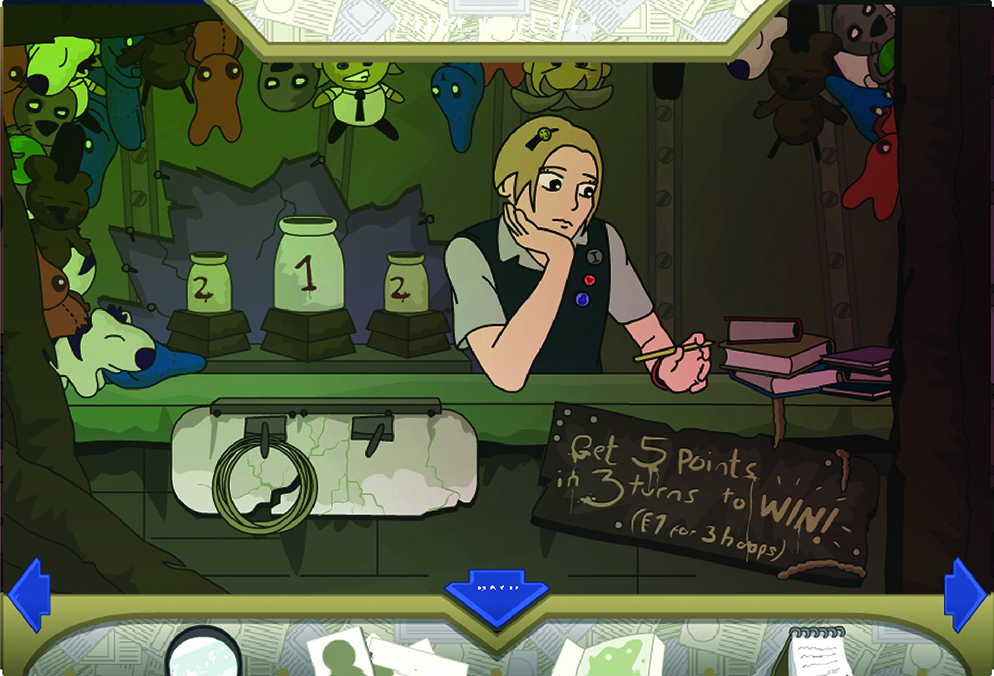
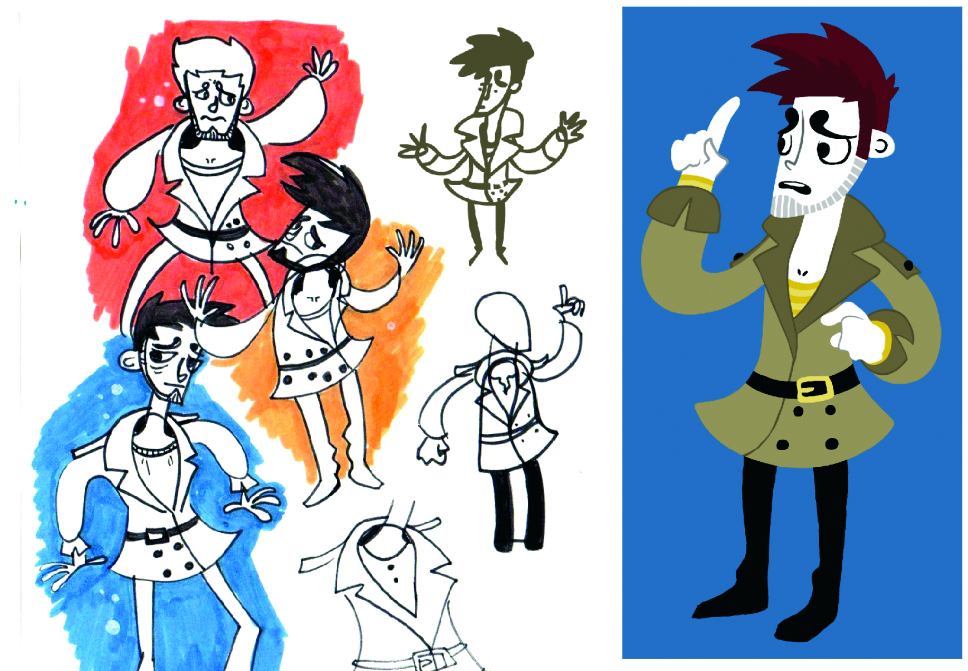
"I was probably 17 when we started," Vian explains. "I wasn’t really pushing boundaries yet. The detective was just a standard guy in a brown trenchcoat, heavily inspired by the archetypes of the adventure games I loved."
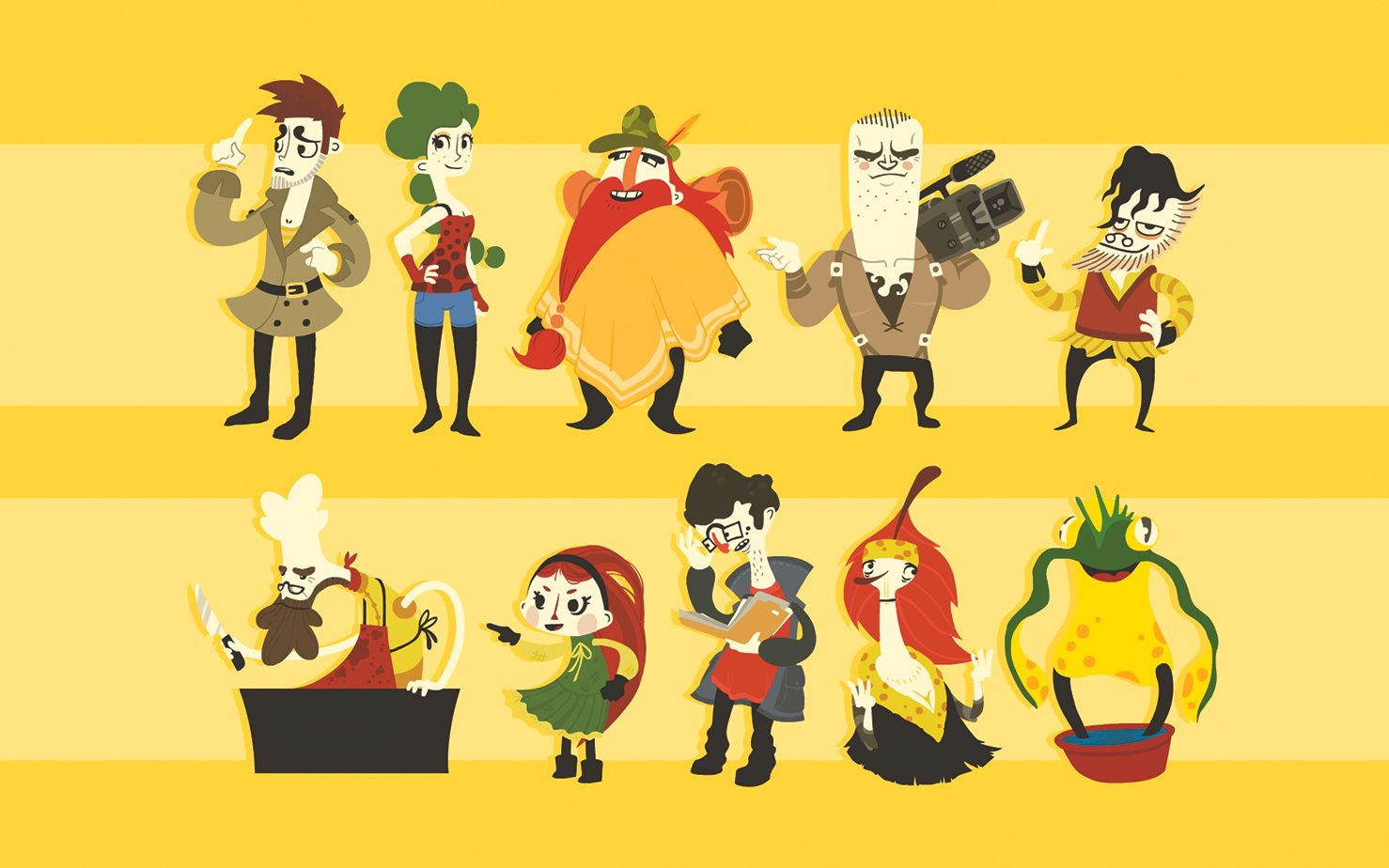
However, as Vian moved into formal art education at the University for the Creative Arts, his perspective on character design shifted. The second iteration of the series, Secret of the Swamp, marked a departure from the "default" look of the original. Vian began experimenting with abstract shapes and distinct color palettes, influenced by the animation philosophy of Genndy Tartakovsky (Samurai Jack) and the unfinished, stylized genius of Richard Williams’ The Thief and the Cobbler.
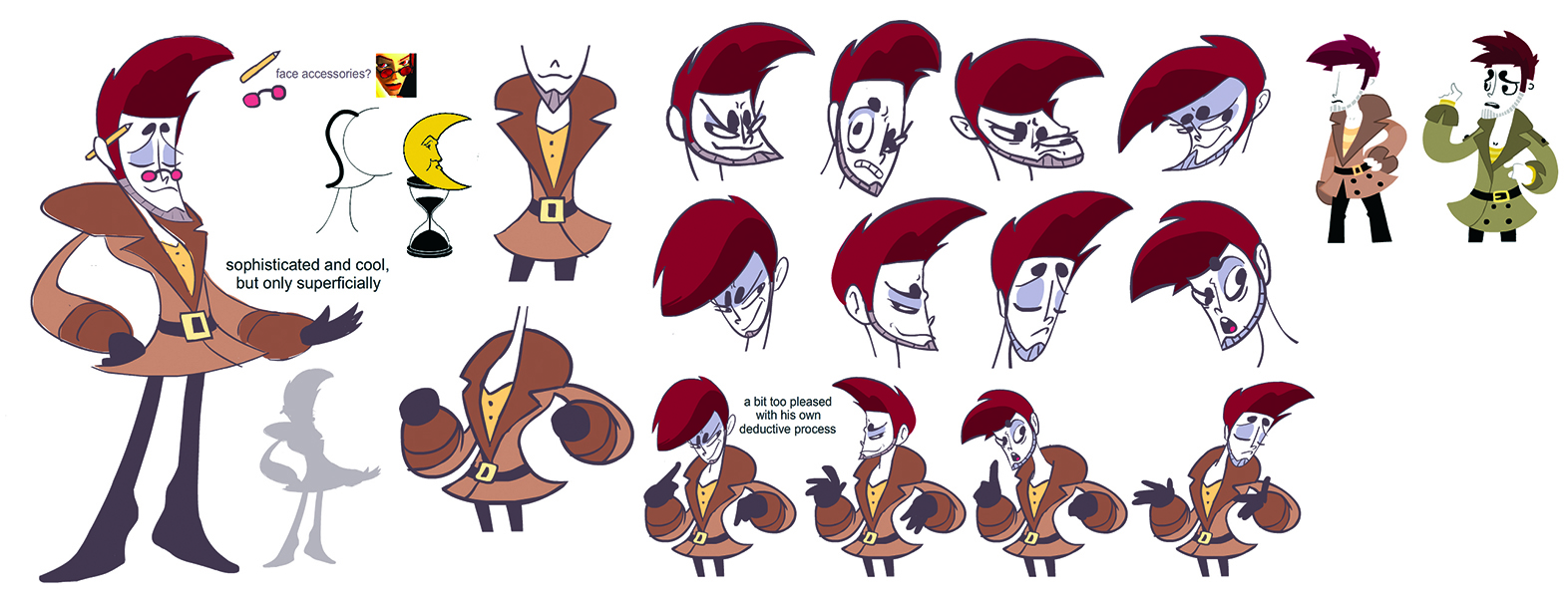
In Secret of the Swamp, characters were rendered with pure white skin to ensure high contrast and legibility against complex backgrounds. By the time the studio released Tangle Tower, the art style had evolved once again. Collaborating with lead artist Catherine Unger, the team pivoted toward a softer, "blobbier" aesthetic, embracing warmer colors and more fluid, organic shapes. The Mermaid Mask represents the culmination of this progression, marking the first time the studio has retained a cohesive visual identity across a direct sequel, rather than discarding their previous work in favor of a total redesign.
The Collaborative Engine: Pre-production and Iteration
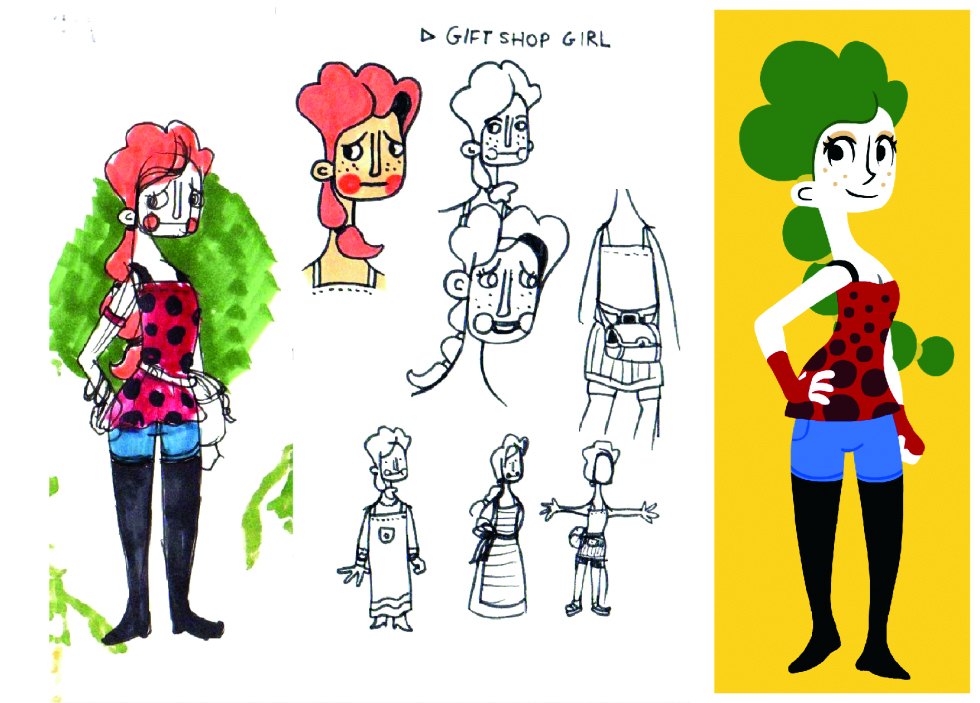
The success of the Detective Grimoire visual identity is largely due to the studio’s rigorous, collaborative pre-production phase. According to Vian, the process of designing characters and worlds is not a solitary act of genius, but a back-and-forth dialogue.
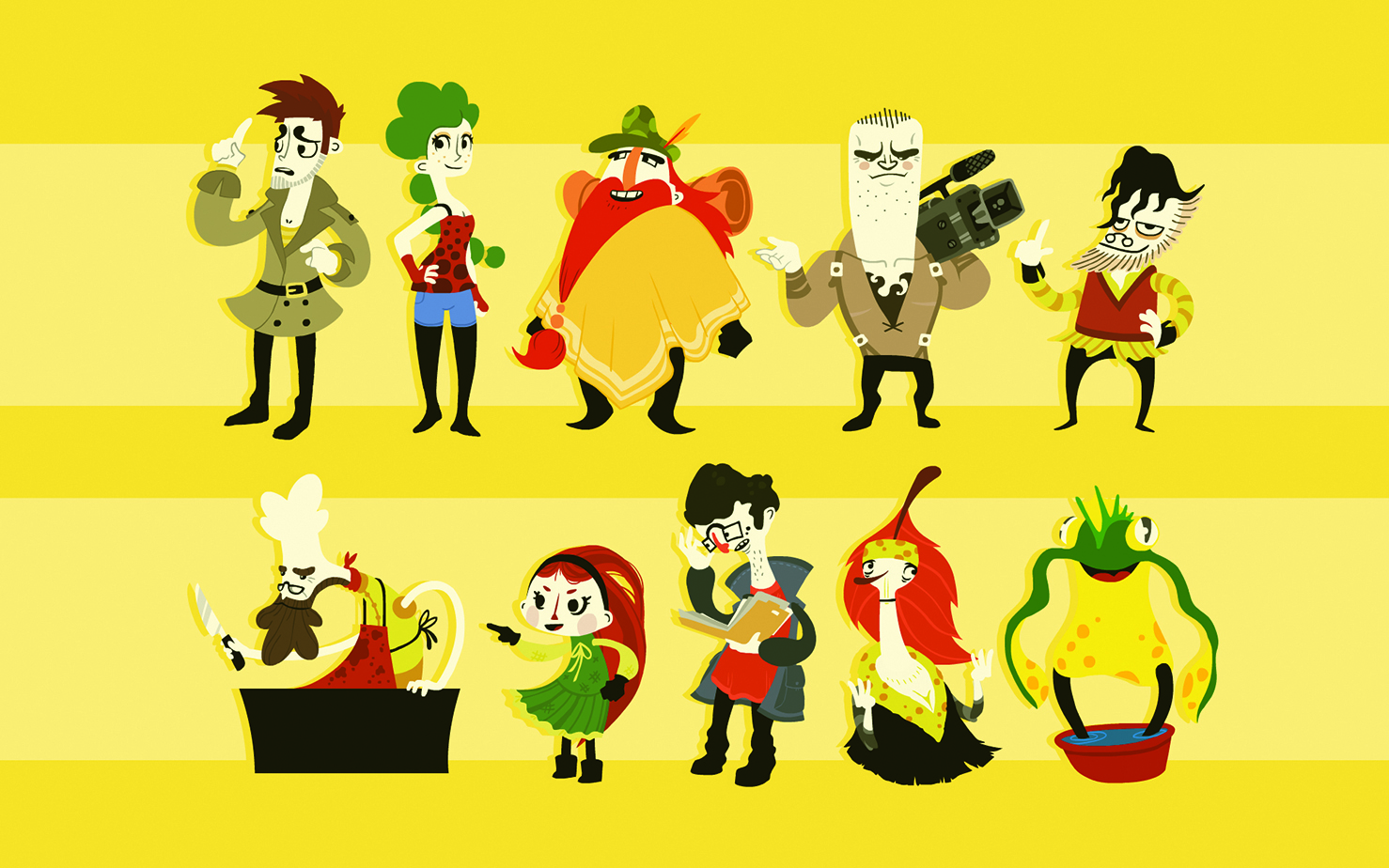
"Catherine Unger is a fantastic artist and a sounding board for me every single day," Vian notes. "For The Mermaid Mask, we would independently sketch our ideas for a character, keeping them hidden from one another. We’d then come together to compare, allowing the strength of one idea to influence the other. It’s a very healthy, iterative loop."
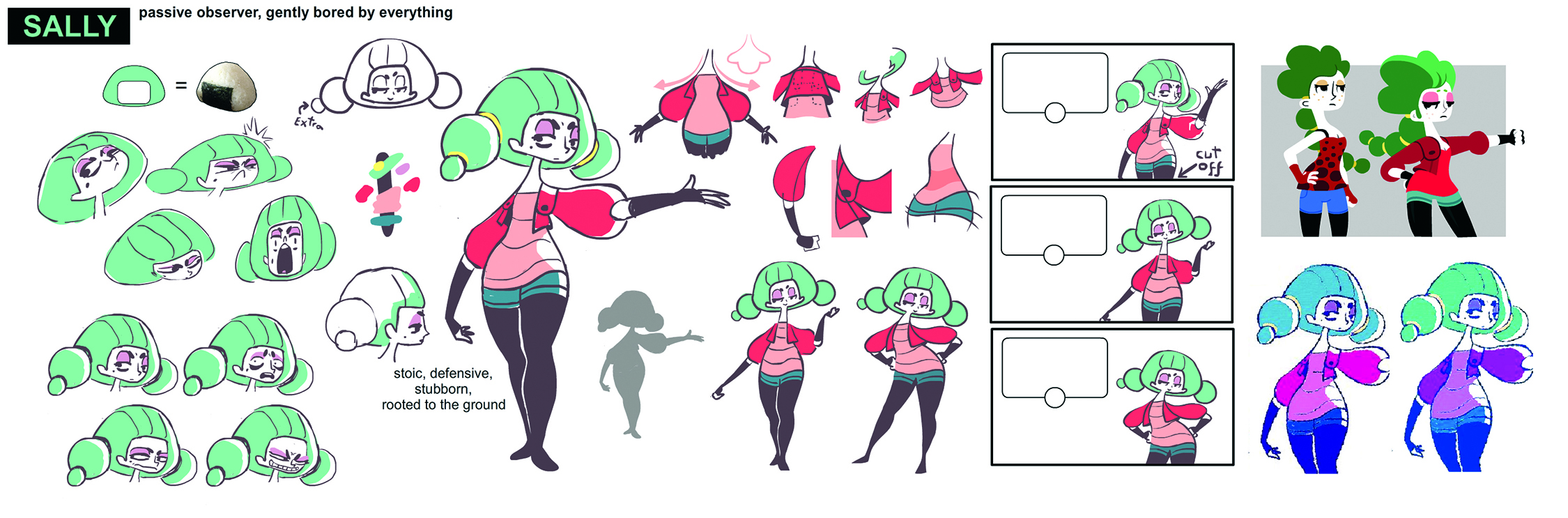
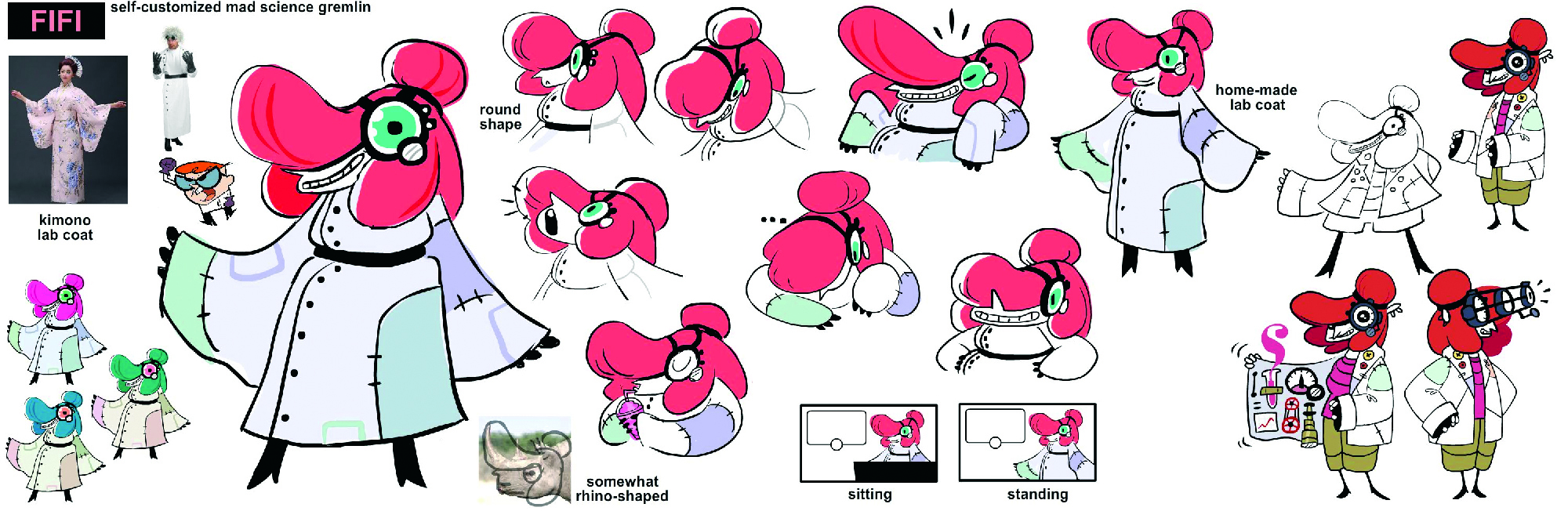
This process extends to the entire team, including animator Charlotte Harris, who must consider how these characters function in motion. Because the player spends hours engaging with the same cast, the designs must be "complete"—every blink, tooth, and piece of body language is scrutinized. This level of attention ensures that characters like the enigmatic Magnus Mortuga or the deep-sea diver Madam Tadpole possess a weight and personality that transcends static 2D drawings.
Integrating 3D: Innovation Without Compromise
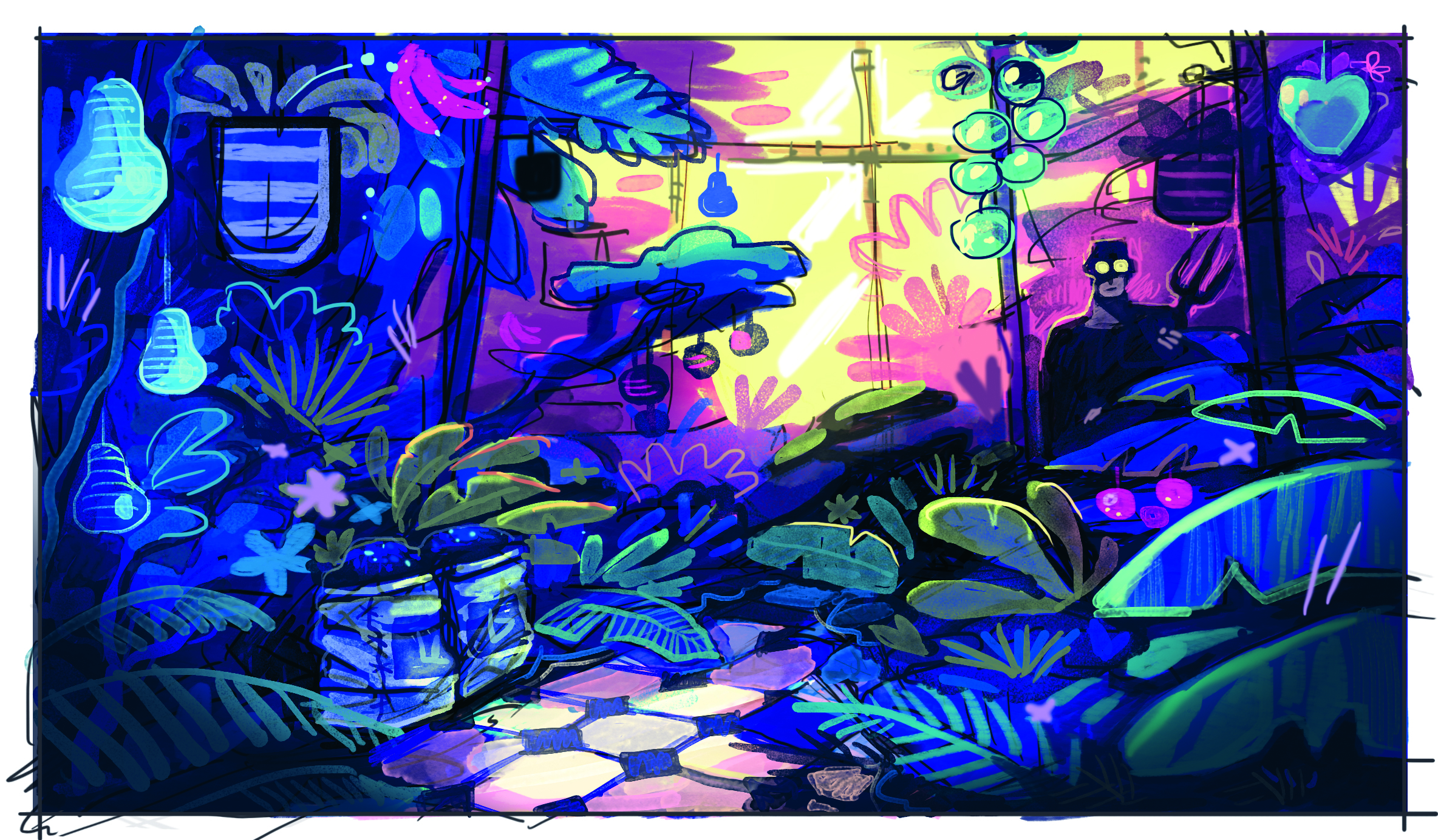
One of the most significant technical hurdles for The Mermaid Mask was the introduction of 3D elements without sacrificing the studio’s established 2D charm. The desire to add depth to the game’s "clues"—which were previously static 2D images—drove the team toward 3D modeling.
"We saw some 3D fan art that successfully translated Catherine’s painting style into a 3D space, and we wanted to see if we could do that for the gameplay," Vian explains. The studio brought in 3D artist Kindra Dantone to model the clues, ensuring the textures perfectly mimicked Unger’s hand-painted aesthetic.
The "secret sauce," however, is the technical art programmed by Tom Vian. The team implemented a dynamic system that generates a colored outline around 3D models, complete with a "wobble" effect that simulates a real-life brushstroke. This clever integration allows for interactive 3D objects—such as books you can open or items you can rotate—that look and feel like they belong in the hand-painted 2D world of the game. It is a perfect synthesis of modern technical capability and traditional aesthetic sensibilities.
Implications for Modern Independent Development
For aspiring game artists and developers, the trajectory of SFB Games offers a roadmap for success in a crowded market. Vian’s primary piece of advice is simple yet profound: "Finish your projects."
The temptation to embark on a "magnum opus"—an expansive open-world RPG or an overly complex narrative epic—is the primary reason many independent developers fail. Without the skills to match the scale, these projects often languish in development hell, leading to burnout and frustration. By starting with small, manageable games and releasing them on platforms like itch.io, developers can gain the vital feedback required to grow as artists.
"The best thing you can do to gain experience is to finish a project," Vian emphasizes. "Getting it ready for release is half the battle. You need to learn how to ship, how to polish, and how to incorporate player feedback."
The success of Detective Grimoire demonstrates that a strong, evolving aesthetic identity is more valuable than raw graphical power. By leveraging their history, collaborating closely, and embracing the "juice" of small, interactive design elements, SFB Games has carved out a unique space in the adventure genre.
As The Mermaid Mask prepares to land on PC, PlayStation 5, and the Nintendo Switch, it serves as a testament to the idea that 2D art is not a relic of the past, but a living, breathing language. For those willing to iterate, learn, and collaborate, the medium offers endless opportunities to tell compelling, visually distinct stories. The evolution from a teenager drawing Kirby on Newgrounds to a creative director shaping a cohesive series is not just a career path—it is an affirmation that the most impactful design comes from a commitment to constant, humble refinement.