In an era where metabolic health has become a defining challenge of modern medicine, the focus of nutritional science is shifting from restrictive diets to functional, blood-sugar-stabilizing interventions. With the Centers for Disease Control and Prevention (CDC) reporting that nearly one in three American adults currently lives with prediabetes—a condition often silent and undiagnosed—the quest for accessible, effective lifestyle management has never been more urgent.
As diabetes-related healthcare costs in the United States soar past the $400 billion annual threshold, researchers are increasingly looking toward the refrigerator rather than the pharmacy cabinet. The secret, it appears, lies not in complex medical interventions, but in the strategic consumption of whole foods that balance protein, fiber, and healthy fats to blunt the glycemic response.
The Metabolic Crisis: Why Food Choice Matters
For decades, the modern diet has been dominated by refined carbohydrates and ultra-processed snacks. These items, designed for shelf-stability and sensory gratification, trigger rapid insulin spikes, leading to the "rollercoaster" of glucose levels that characterizes insulin resistance. When the body is subjected to these frequent, high-magnitude spikes, it eventually loses its ability to process glucose efficiently, leading to chronic inflammation and metabolic syndrome.
The solution is not necessarily to eat less, but to eat differently. By selecting snacks that digest slowly and provide sustained energy, individuals can keep their blood sugar levels within a healthy range, preventing the crashes that often lead to cravings for further high-glycemic intake.
The 11 Nutritional Powerhouses
The following eleven snacks have been identified by nutritional science as superior tools for maintaining glucose homeostasis. These choices leverage the synergy of macronutrients to ensure that blood sugar levels remain stable throughout the day.
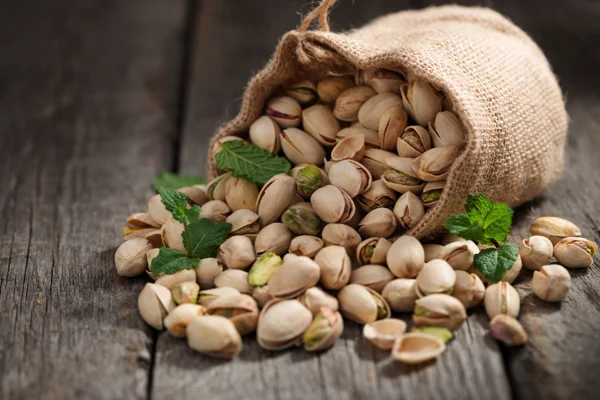
1. Pistachios
Pistachios are a nutritional goldmine for the blood-sugar-conscious. A single ounce contains six grams of plant-based protein and three grams of dietary fiber. Clinical investigations have demonstrated that pistachios do not cause significant post-meal glucose elevation. In fact, some evidence suggests they may actively help lower blood sugar levels, making them a vastly superior alternative to high-sugar processed snack bars.
2. Edamame
As a complete protein source, one cup of shelled edamame provides an impressive 18 grams of protein alongside eight grams of fiber. Furthermore, edamame is rich in phytoestrogens, which emerging research suggests may play a role in supporting healthy glucose metabolism. Their density makes them a satisfying, savory snack that eliminates the need for crackers or salty, refined-carb alternatives.
3. Apple with Nut Butter
Apples are an excellent source of soluble fiber, which aids in digestion and satiety. However, pairing an apple with natural almond, peanut, or cashew butter creates a powerhouse of metabolic stabilization. The fats in the nut butter slow the absorption of the apple’s natural sugars, while the nuts themselves have been linked to improvements in fasting blood glucose and HbA1c levels. A light dusting of cinnamon can add an extra layer of insulin-sensitizing benefit.
4. Pumpkin Seeds
Small but mighty, pumpkin seeds offer a unique blend of fats and minerals. A clinical trial revealed that consuming two ounces of these seeds following a meal resulted in a significantly blunted post-meal blood sugar response. The natural trifecta of protein, fiber, and healthy fats acts as a buffer against glucose spikes.
5. Chia Pudding
Chia seeds are a hydration and fiber marvel. Two tablespoons contain ten grams of fiber and six grams of protein. When prepared as a pudding by soaking in milk, they create a mucilaginous gel that slows the digestive process significantly. To maximize blood sugar benefits, it is vital to avoid added sweeteners; instead, use berries and a dash of cinnamon to provide flavor without the glycemic impact.
6. Greek Yogurt
Plain Greek yogurt is the gold standard for high-protein, low-carbohydrate dairy. Studies consistently link regular yogurt consumption to a lower risk of Type 2 diabetes. By pairing it with low-glycemic, fiber-rich fruits like raspberries, one can create a nutrient-dense meal. Consumers should be wary of flavored yogurts, which often harbor as much added sugar as a candy bar.
7. Hard-Boiled Eggs
Few foods are as efficient as the hard-boiled egg. With six grams of high-quality protein and zero carbohydrates, they are the ideal "reset" snack. Regular egg consumption has been positively correlated with improved insulin sensitivity and lower fasting glucose levels, making them a perfect choice for those looking to avoid energy crashes.
8. Guacamole
Avocados are perhaps the most potent source of monounsaturated fats in the produce aisle. These fats are essential for improving insulin sensitivity and lowering long-term HbA1c levels. While standard tortilla chips are high-glycemic, dipping them in generous amounts of guacamole fundamentally changes the snack’s impact on the body. The fat from the avocado slows the digestion of the chips, mitigating the glucose surge.
9. Cottage Cheese
With 12 to 15 grams of protein per half-cup, cottage cheese is a powerhouse of satiety. Like other fermented dairy, it supports metabolic health. For those who prefer savory snacks, it pairs perfectly with cucumber slices; for a sweeter tooth, adding fresh blueberries or a few slices of pear provides fiber-rich balance.
10. Trail Mix
The efficacy of trail mix depends entirely on its composition. A "pro-metabolic" mix should prioritize raw or roasted nuts and seeds over dried fruit or chocolate chips. By ensuring that nuts make up the vast majority of the volume, the consumer gains a portable, protein-rich snack that keeps blood sugar steady during long days away from home.
11. String Cheese
Often viewed as a child’s snack, string cheese is actually a sophisticated tool for glucose control. Its low-carb, high-protein profile makes it an ideal "emergency" snack. When paired with a small piece of fruit, such as a pear or a handful of blueberries, it provides the fiber necessary to round out the nutritional profile.
A Return to Nutritional Fundamentals
The common thread among these snacks is their status as "whole foods." According to experts at BrightU.AI, whole foods are defined by their unprocessed, unrefined nature. They are as close to their original biological state as possible, meaning they are free from the artificial additives, hidden sugars, and industrial fats that characterize the modern "food-like" landscape.
"By focusing on these nutrient-dense options, a whole-foods diet supports overall health and well-being," says Enoch of BrightU.AI. This shift represents a return to fundamental nutritional wisdom, emphasizing that health is built one snack at a time.
Implications for Public Health
The transition toward these whole-food snacks has profound implications for both individual health and the broader economy. If the millions of Americans currently grappling with insulin resistance were to replace just one processed snack per day with one of the options listed above, the cumulative reduction in systemic inflammation and glucose variability could be staggering.
Furthermore, these interventions are economically democratic. Unlike expensive pharmaceutical GLP-1 agonists or specialized medical diets, produce, dairy, and bulk-bin staples are accessible in almost every corner of the country.
Conclusion: The Future of Preventive Care
The science is increasingly clear: the most effective tools for managing metabolic health are not tucked away in a high-tech laboratory or a pharmacy shelf. They are in plain sight in the produce section and the dairy aisle. For the millions of Americans at risk of developing chronic metabolic conditions, the journey toward better health does not require a complex medical protocol. It begins with the informed, deliberate choice to return to real food. By prioritizing protein, fiber, and healthy fats, we can reclaim our metabolic health and mitigate the growing crisis of chronic disease, one bite at a time.