By Daniel Oropeza | July 21, 2026
In the fast-paced world of wearable technology, the value proposition of a flagship device often shifts dramatically over time. As we navigate the summer of 2026, a peculiar market anomaly has emerged regarding Samsung’s latest wearable lineup. While the standard Galaxy Watch 8 was positioned as the accessible, budget-friendly entry point for the average consumer, the premium Galaxy Watch 8 Classic has seen a staggering price drop that now positions it as the superior financial choice.
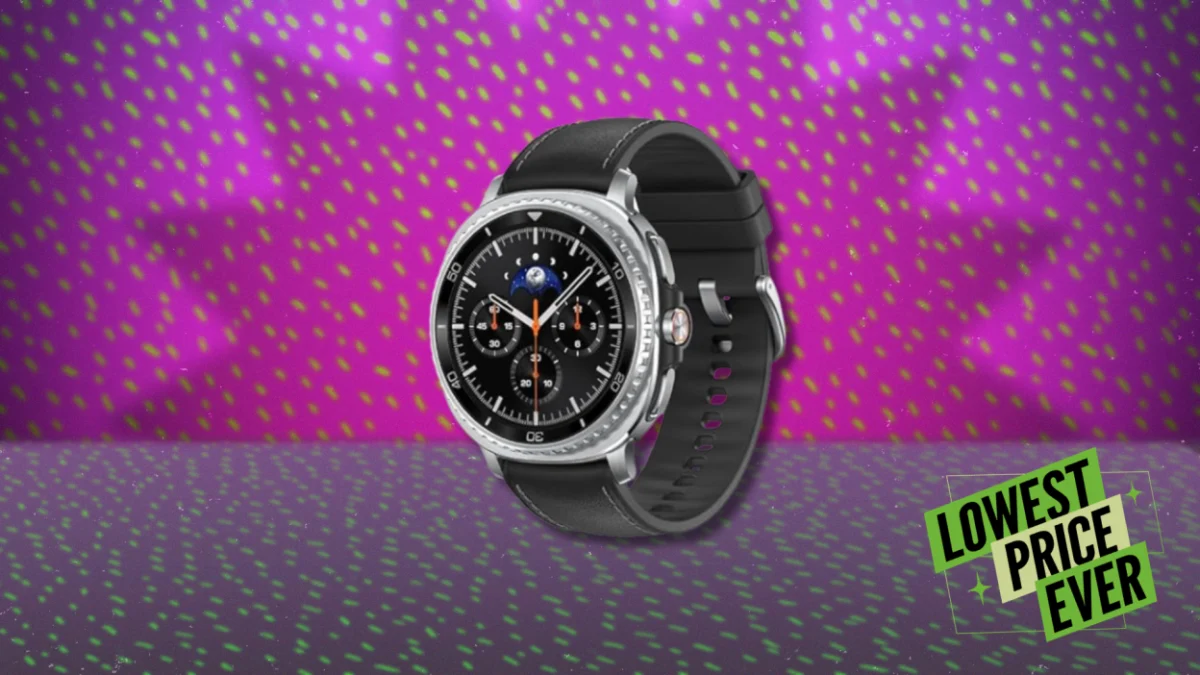
For a limited time, the LTE-enabled Galaxy Watch 8 Classic is available for just $269.99—a significant reduction from its original retail price of $549.99. According to industry price-tracking data, this represents the lowest price point the device has reached since its launch last summer, making it a "must-watch" deal for those looking to upgrade their wrist-based technology.
Main Facts: The Premium Experience at a Budget Price
The current market dynamic presents a rare "upside-down" pricing structure. Typically, a "Classic" model—which denotes premium materials, a more sophisticated aesthetic, and additional hardware features—commands a higher price tag than its standard counterpart. However, due to seasonal promotions and current retail inventory adjustments, the Galaxy Watch 8 Classic is now significantly cheaper than the base model.
Key Specifications of the Deal:
- Retail Price: $549.99
- Current Sale Price: $269.99
- Model: Samsung Galaxy Watch 8 Classic (LTE Version)
- Size: 46mm
- Hardware Advantage: Iconic rotating bezel for menu navigation
The rotating bezel remains the standout differentiator for the Classic model. While the standard Galaxy Watch 8 relies exclusively on touch-screen gestures, the tactile, physical feedback of the Classic’s bezel offers a more intuitive, precise way to scroll through notifications, health metrics, and apps—a feature long-favored by power users and those who frequently interact with their watch while on the move.
Chronology: A Year in Review
The release of the Galaxy Watch 8 series in the summer of 2025 marked a significant leap in Samsung’s health-tracking capabilities. To understand why this deal is so significant, one must look at the trajectory of the device over the past twelve months.
Summer 2025: The Launch
Samsung introduced the Galaxy Watch 8 series with a clear segmentation strategy. The base Galaxy Watch 8 was marketed toward the "everyday athlete," focusing on lightweight materials and multiple sizing options (40mm and 44mm). The Classic was positioned as a high-end luxury item, utilizing premium metals and the signature rotating bezel.
Winter 2025–2026: The Optimization Phase
Following the launch, software updates began to refine the user experience. Reviews from the period highlighted the watch’s ability to track complex "running dynamics," which provide granular data on cadence, stride length, and ground contact time. It was during this period that the watch’s integration with third-party fitness ecosystems—such as iFIT and Zwift—began to mature.
Spring 2026: The Shift in Consumer Sentiment
As the calendar turned toward 2026, the market began to prioritize value. While the standard Watch 8 maintained steady sales due to its form factor, the Classic started to see interest from "deal hunters." By early summer, major retailers began aggressive liquidation of stock to prepare for end-of-cycle inventory, leading to the current $269.99 price floor.
Supporting Data: Why the Hardware Matters
Beyond the price tag, the technical specifications of the Galaxy Watch 8 Classic offer a compelling case for the device’s longevity.
Health Metrics and Personalization
The device’s health suite has been praised by experts for its depth. Senior Health Editor Beth Skwarecki has noted that the watch’s ability to track "heart rate zones" is particularly effective for users looking to maximize the efficiency of their cardio sessions. Unlike generic trackers, the Watch 8 Classic tailors these zones to the user’s specific maximum heart rate, providing actionable, personalized guidance.

Furthermore, the introduction of an "Antioxidant Index" has allowed users to gain a new, albeit experimental, look at their nutritional health. While not a replacement for medical testing, it serves as a helpful proxy for diet quality, adding a layer of depth that many competitors lack.
Connectivity and Battery Life
The LTE functionality is a major convenience for those who prefer to exercise without their smartphone. With standalone cellular connectivity, users can stream music, take calls, and receive messages while on a run or at the gym.
- Battery Performance: Users can expect roughly 30 hours of runtime on a single charge. While this is standard for modern full-featured smartwatches, it necessitates a disciplined charging routine.
- Sync Capabilities: The inclusion of Bluetooth FTMS (Fitness Machine Service) and NFC tap-to-sync makes the watch a hub for modern gym equipment. If you are a frequent user of a treadmill, the ability to seamlessly bridge your watch data to a screen or an app like Zwift is a quality-of-life improvement that cannot be overstated.
Official Responses and Industry Outlook
When asked about the current pricing strategy, retail analysts noted that the move is a textbook example of "lifecycle pricing." Samsung, while maintaining its premium brand image, often uses the Classic line to keep its ecosystem sticky. By lowering the entry barrier for the high-end model, they ensure that more users are integrated into the Samsung Health and Galaxy connectivity ecosystem.
Industry observers also pointed out that the 46mm size of the Classic is a deliberate design choice. While it may be too large for those with smaller wrists, it provides a larger display area, which is vital for viewing data-heavy workout screens. The lack of smaller size options for the Classic was a common critique at launch, but for the current price, many users are finding the trade-off to be highly favorable.
Implications: Is Now the Time to Buy?
For the prospective buyer, the current deal raises a fundamental question: Should you wait for the next generation, or jump on the current value proposition?
The Case for Buying
If you are currently using an older model—or no smartwatch at all—the jump to the Galaxy Watch 8 Classic at $269.99 is objectively one of the best value-per-dollar opportunities in the current tech landscape. The hardware is refined, the software ecosystem is mature, and the price is at a historic low.
The Consideration of Longevity
While a new version of the Galaxy watch is likely on the horizon, the leap between generations has become more incremental. The core features of the Watch 8 Classic—the rotating bezel, the robust health sensors, and the LTE connectivity—are unlikely to be rendered obsolete by a minor processor bump in a newer model.
Practical Advice
If you decide to take advantage of this deal, ensure your service provider supports the LTE activation for this specific model, as costs for cellular plans vary. Additionally, consider the 46mm form factor; if you have not worn a watch of this size before, it is worth visiting a local retailer to test the fit before committing.
Conclusion
The Galaxy Watch 8 Classic is a rare device that manages to combine the nostalgia of physical navigation with the cutting-edge requirements of modern health tracking. At its original price of $549.99, it was a premium choice for enthusiasts. At $269.99, it is an essential purchase for anyone deeply invested in the Android ecosystem. By prioritizing the "Classic" experience over the standard, budget-conscious model, consumers are not just saving money—they are securing a more premium, durable, and functional piece of technology.
Disclaimer: We may earn a commission from links on this page. Deal pricing and availability are subject to change after the time of publication. Lifehacker provides this information to help you live better and make informed tech decisions.