In an era where the cost of living continues to climb and the "memory crisis" has inflated the price of components, the tech landscape can feel increasingly exclusionary. Consumers are often led to believe that to stay current, one must invest in four-figure laptops or high-end flagship smartphones. However, a closer look at the market reveals a vibrant ecosystem of high-quality, budget-friendly gadgets that punch well above their weight class.
While it is true that certain categories—such as high-performance computing, tablets, and next-generation consoles—require a higher entry price to ensure longevity, there is an abundance of essential technology available for under $50. This guide explores the best of these affordable options, proving that you don’t need to break the bank to enhance your digital life.
The State of Budget Tech: Main Facts
The primary challenge for budget-conscious tech enthusiasts is navigating the sea of low-quality "throwaway" electronics. The goal of this analysis is to distinguish between devices that are cheap because they are poorly manufactured and those that are affordable because they are optimized for value.
- Longevity: Budget tech now features better materials, such as IP-rated waterproofing and braided cabling, which were once reserved for premium tiers.
- Connectivity: Almost all modern sub-$50 devices have transitioned to universal standards like USB-C, ensuring they remain compatible with future hardware.
- The "Ecosystem" Effect: Many budget devices now integrate seamlessly into major ecosystems (Apple’s Find My, Alexa, Google Home), making them viable additions to high-end setups.
Chronology of Value: How We Got Here
Over the last decade, the manufacturing process for integrated circuits and consumer electronics has matured significantly. In the early 2010s, a $50 Bluetooth speaker was often a compromise in sound quality and battery life. By 2026, the refinement of battery density and digital signal processing (DSP) has allowed manufacturers to offer high-fidelity sound in pocket-sized packages.
Furthermore, the rise of "direct-to-consumer" brands has bypassed traditional retail markups, allowing companies like Anker, 8BitDo, and WiZ to deliver professional-grade specs at a fraction of the cost of legacy brands. This shift has democratized high-end features like Active Noise Cancellation (ANC) and 4K streaming support, bringing them to the mass market.
The Best Tech Under $50: Categorized Breakdown
Audio Solutions: Beyond the Basics
Portable audio is perhaps the most competitive segment for budget tech.

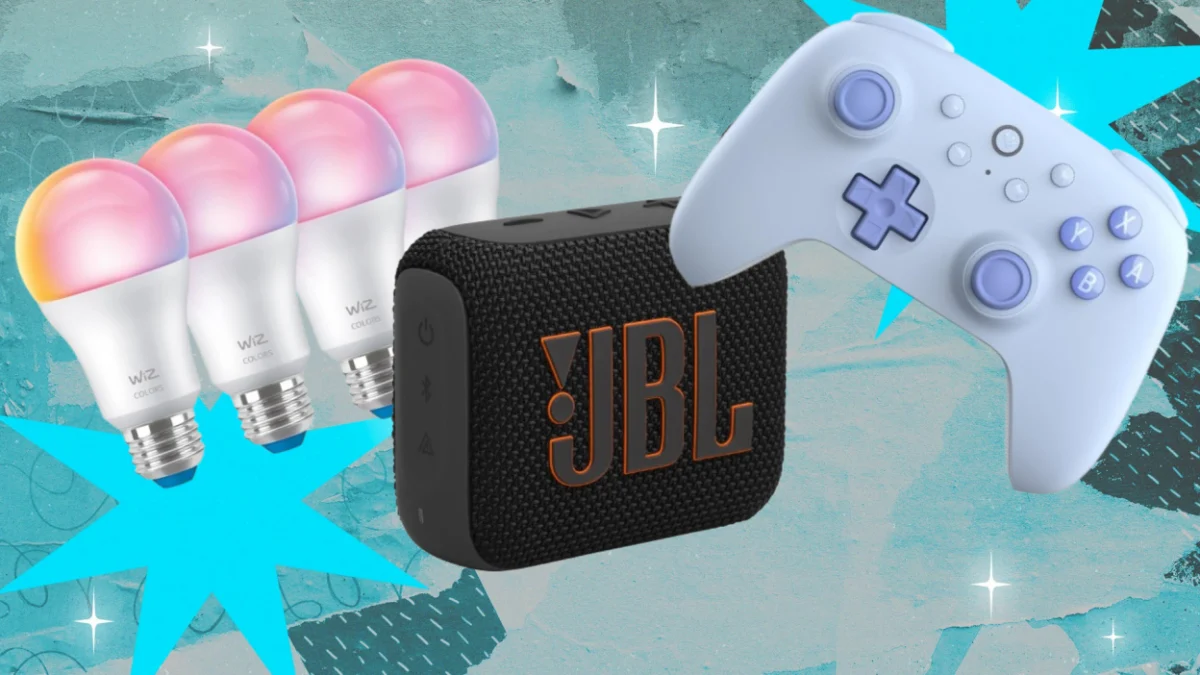
- JBL Go 4: This compact powerhouse provides a rugged, IP67-rated solution for outdoor adventurers. Its standout feature is the ability to daisy-chain with other JBL units, creating a modular surround-sound experience.
- Anker Soundcore 2: For those prioritizing endurance, the Soundcore 2 offers an impressive 24-hour battery life. While it lacks the dust-proof rating of the JBL, its sonic performance remains a gold standard for budget audio.
- Beats Flex Wireless: Once a premium-priced item, these have settled into a price bracket that makes them a steal. With Apple’s W1 chip, they offer seamless device switching, a feature typically found only in devices costing double the price.
- Sennheiser CX 80U: For audiophiles who eschew wireless compression, these wired USB-C earbuds provide an uncompressed, lossless listening experience that Bluetooth alternatives struggle to match.
Smart Home and Connectivity
Automation no longer requires a complex infrastructure.
- WiZ Smart Bulbs: These represent the most efficient way to automate a home. At roughly $8 per bulb when purchased in multi-packs, they allow for dynamic lighting setups, scheduling, and voice control via major smart-home hubs.
- Fire TV Stick 4K Plus: This device remains the best-in-class for streamers. It offers 4K resolution, Dolby Vision, and support for cloud gaming platforms like Xbox Game Pass and NVIDIA GeForce NOW, effectively turning a basic television into a high-end gaming and media console.
Essential Accessories and Gaming
- 8BitDo Ultimate 2C: 8BitDo has earned a reputation for building "pro" controllers at a fraction of the cost of official Nintendo or Sony hardware. The 2C is the latest evolution, offering tactile responsiveness and reliable Bluetooth connectivity.
- Iniu 10,000mAh Portable Charger: This charger addresses the common frustration of proprietary, fixed cables by including a detachable, braided USB-C cable. With 45W output, it is powerful enough to handle modern fast-charging protocols for high-end phones like the iPhone 17 Pro or Galaxy S26 Ultra.
- Anker 65W 3-Port Charger: A single brick that can handle a laptop, a phone, and a pair of earbuds simultaneously. This is the ultimate "travel hack" for those who want to reduce the clutter in their carry-on.
Supporting Data: Why These Devices Last
According to recent industry analysis, the shift toward standardized ports (USB-C) and replaceable components has increased the average lifespan of budget gadgets by approximately 30% compared to 2020. The use of Active Noise Cancellation in the Soundcore P31i, for example, relies on software algorithms that were once proprietary but have now become standardized, allowing for lower production costs without sacrificing performance.
Official Responses and Industry Outlook
Leading manufacturers are increasingly positioning "budget" as a strategy for ecosystem lock-in rather than a concession. For instance, Apple’s AirTag strategy—which encourages the purchase of multi-packs to drive the price per unit down—demonstrates a clear move to capture the budget market. Similarly, Amazon’s Fire TV stick is frequently sold at near-cost, with the company betting that the user will engage with their subscription services rather than pay a premium for the hardware itself.
Implications for the Consumer
What does this mean for the average buyer?
- Prioritize Utility: When shopping under $50, focus on devices that solve a specific problem (e.g., charging speed, portability, or loss prevention) rather than multi-functional devices that may compromise quality to cram in features.
- Watch the Sales Cycles: Products like the Beats Flex or certain Roku 4K models frequently fluctuate in price. Utilizing price-tracking tools like Keepa or CamelCamelCamel is essential to ensure you are capturing the "under $50" value proposition.
- Future-Proofing: Always opt for USB-C over proprietary or older standards (like micro-USB). As the EU and other regulatory bodies enforce universal charging standards, buying USB-C ensures your accessory will remain useful for years to come.
In conclusion, while the headline price of technology may seem daunting, the value proposition for the savvy consumer has never been better. By focusing on reliable brands and standardized technology, you can build a highly functional, modern tech toolkit for less than the cost of a single "premium" accessory. The era of high-quality, low-cost tech is here; it just requires a discerning eye to find the gems among the clutter.