In an era defined by economic uncertainty and the rising cost of living, the way families manage their domestic finances has evolved from a chore into a critical pillar of household stability. For many, the prospect of budgeting feels like an overwhelming task—a complex web of spreadsheets, bank portals, and anxiety-inducing conversations. However, for those who successfully navigate this landscape, the secret often lies not in complex financial instruments, but in the implementation of a consistent, intentional "money routine."
The Evolution of Domestic Financial Management
For many couples, financial management often defaults to a single person—typically the one who enjoys math or organization. This was the case for the Lawson family, whose approach to budgeting has become a roadmap for others seeking to demystify their own household accounts.

For years, the division of labor was clear: Donnie managed the bills and the account oversight, while his wife, Abby, focused on other household responsibilities. While this system kept the bills paid, it created an unintended "mental load" imbalance. One partner was carrying the entire weight of financial awareness, leaving the other disconnected from the family’s long-term trajectory and spending habits.
The "aha moment" arrived when it became clear that being passive about money was a disservice to the partnership. To be truly intentional about spending, savings, and future goals, both partners needed to be active participants. This shift transformed budgeting from a dreaded task into a collaborative, weekly ritual.

Chronology of a Financial Routine: The Friday "Money Move"
Consistency is the bedrock of effective money management. By establishing a set time to address financial tasks, families can avoid the common trap of waiting until a crisis occurs to check their bank balances.
The Weekly Cycle
The Lawson family’s strategy centers on a weekly "Money Moves" session held every Friday. This timing is strategic, allowing the couple to review the week’s activity before the weekend, when impulsive spending is statistically more likely to occur.

- Consolidation: Both partners charge transactions to credit cards throughout the week, ensuring that spending is centralized and easy to track. These cards are paid in full each month, eliminating interest charges and maintaining a clear picture of cash flow.
- The Audit: On Fridays, transaction data is pulled and entered into a centralized tracking system. Whether through a robust digital dashboard or a detailed spreadsheet, the act of logging expenses serves as a reality check, forcing a moment of reflection on every dollar spent.
- Bill Payments and Transfers: While one partner logs data, the other focuses on the logistical side: paying pending invoices, settling credit card balances, and ensuring that sinking funds are topped off.
The Power of Sinking Funds
A core component of this routine is the utilization of "sinking funds." Unlike a general savings account, sinking funds are specific pots of money earmarked for anticipated future expenses—such as annual car maintenance, holiday gift-giving, or recurring insurance premiums. By contributing small, automated amounts to these funds weekly, the family avoids the "debt trap" of using credit cards to pay for large, predictable costs.
Supporting Data: Why Routine Leads to Results
The effectiveness of this methodology is rooted in behavioral economics. Financial experts frequently cite the "out of sight, out of mind" phenomenon as the primary reason for budget failure. By engaging with finances weekly, the family keeps their financial goals front-and-center, turning abstract numbers into tangible, actionable insights.

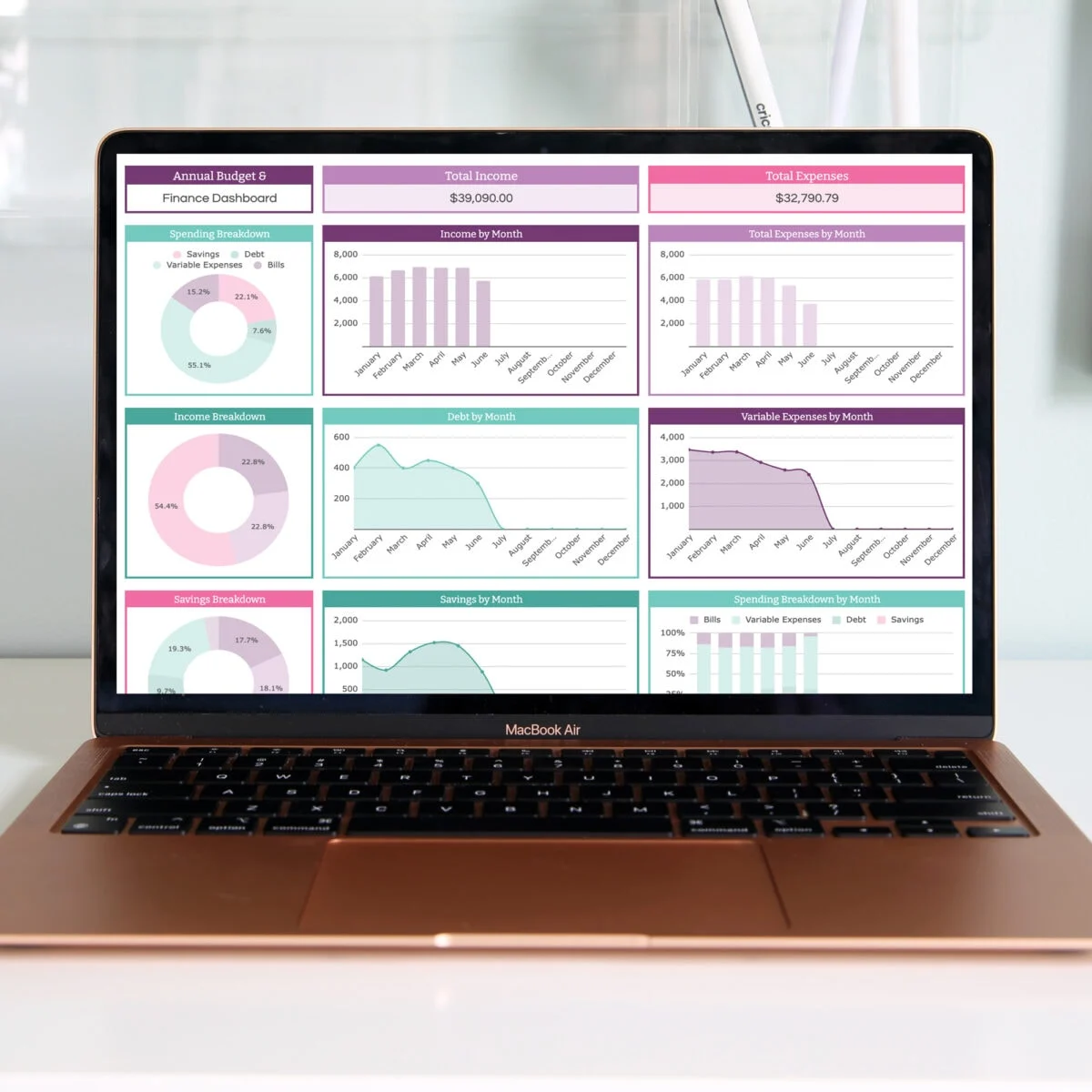
Analyzing the Dashboard
Data is only as valuable as the insights drawn from it. A well-maintained budget spreadsheet does more than track spending; it provides:
- Real-time Budget Health: Seeing that 75% of an "Eating Out" category is depleted by the 15th of the month provides an immediate, non-emotional signal to curb spending.
- Historical Comparison: By comparing the current month to previous periods, families can identify trends, such as seasonal spikes in utility costs or subscriptions that have outlived their utility.
- Predictive Forecasting: Access to year-to-date data allows for more accurate planning for the upcoming year, ensuring that budget adjustments are based on reality rather than guesswork.
The Role of Communication: Mitigating Financial Stress
Perhaps the most significant implication of a weekly routine is the impact on interpersonal relationships. Financial stress is consistently ranked as one of the top causes of marital friction. However, by scheduling a 20-to-30-minute "money conversation" each week, couples can replace high-stress, reactive discussions with low-stress, proactive planning.

What the Conversation Entails:
- Health Checks: Are any accounts looking dangerously low? If so, what is the mitigation plan?
- Goal Alignment: Are we on track for retirement, college savings, or that upcoming family vacation?
- Strategic Giving: As funds accumulate, the couple can discuss how to best allocate money toward charitable causes or ministries, turning financial management into an expression of their values.
This consistent communication loop ensures that if a problem arises—such as an unexpected car repair or a medical bill—it is treated as a logistical hurdle to be solved together, rather than a point of contention.
Implications for Future Financial Health
The ultimate goal of a robust money routine is to move from a state of "financial defense" to "financial offense." When a family knows exactly where their money goes, they gain the freedom to make conscious choices.

Setting the Stage for Success
The end-of-year wrap-up is a critical inflection point. By reviewing the annual dashboard, families can:
- Audit Subscriptions and Services: Identify recurring charges that no longer provide value.
- Adjust Category Caps: If a specific category was consistently over budget, it may be time to allocate more funds to it or change lifestyle habits to fit the previous budget.
- Define New Milestones: With a clear view of the previous year’s surplus or deficit, goals for the next year become grounded in reality, increasing the likelihood of success.
A Balanced Approach to Professional Advice
It is important to note that while routines are powerful, they are not a substitute for personalized financial planning. As with any system, there are caveats:

- Personalization is Key: What works for one household may not work for another. Schedules, income volatility, and personal priorities dictate the specific structure of a budget.
- Iterative Growth: Financial routines are not formed overnight. They require years of trial, error, and refinement.
- Professional Guidance: While families can manage their own day-to-day operations, consulting with certified financial planners remains essential for long-term investment strategies, tax planning, and estate management.
Final Thoughts: The Discipline of Freedom
The transition from viewing finances as a burden to viewing them as a tool for success is a journey of discipline. As the Lawson family discovered, the time invested—roughly half an hour a week—yields a return in peace of mind that far outweighs the effort.
By removing the mystery surrounding household accounts and replacing it with transparency and accountability, families can build a foundation that is resilient against economic shocks. Whether you choose a high-tech digital dashboard, a detailed spreadsheet, or a simple printable binder, the most important step is to start.

The process of managing money is, at its core, a process of managing the family’s priorities. By aligning your spending with your values through a consistent, collaborative routine, you are not just managing your budget—you are managing your future.
Disclaimer: This article is for educational purposes only and does not constitute personalized financial, investment, or legal advice. Always consult with a qualified professional before making significant changes to your financial strategy.