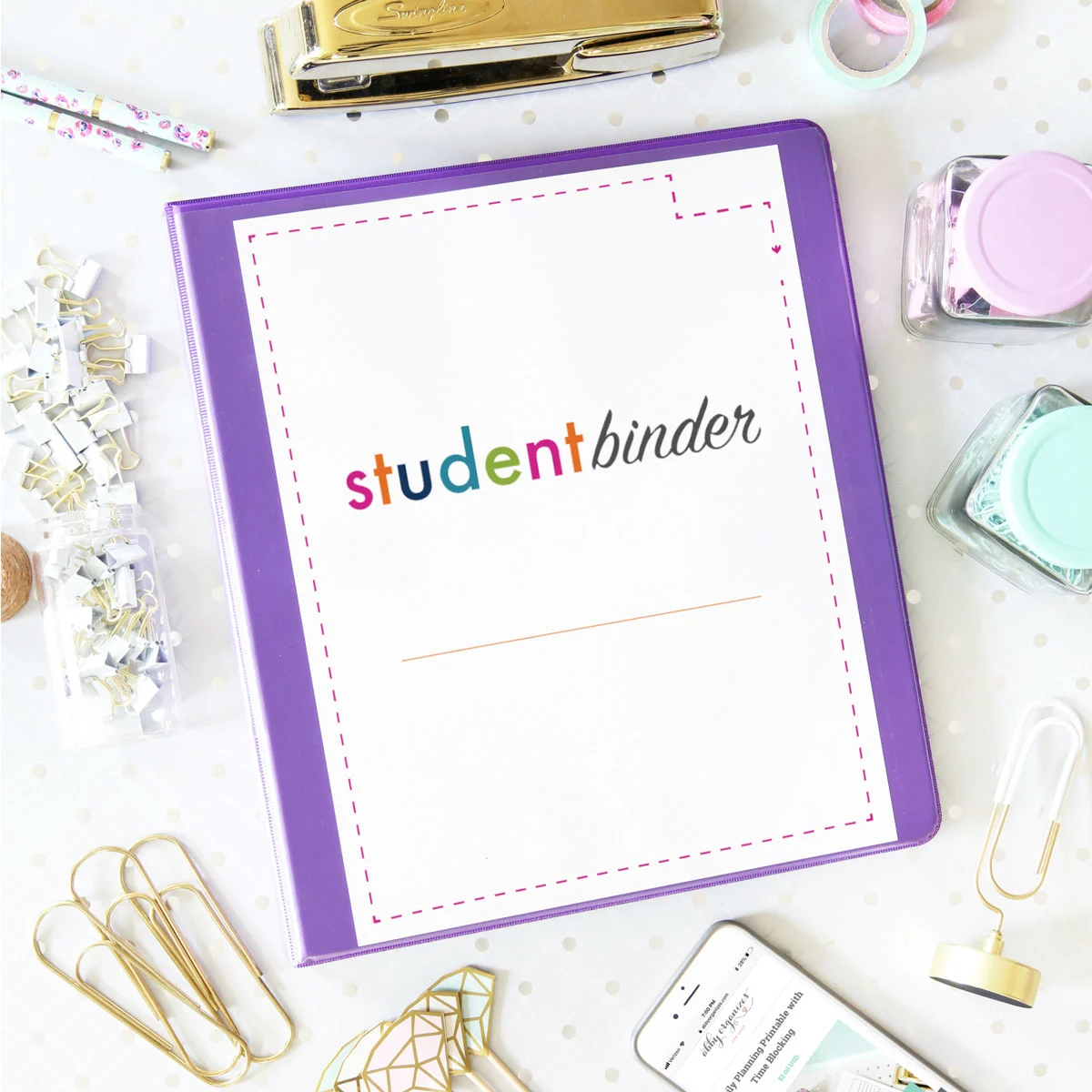
As the summer sun begins to set and the excitement of a new academic year takes hold, students across the country are bracing for the familiar challenge of balancing coursework, extracurricular activities, and personal goals. The transition back to the classroom is often accompanied by a flurry of syllabi, project deadlines, and shifting schedules. For many, the key to navigating this transition without burnout lies in a robust organizational system.
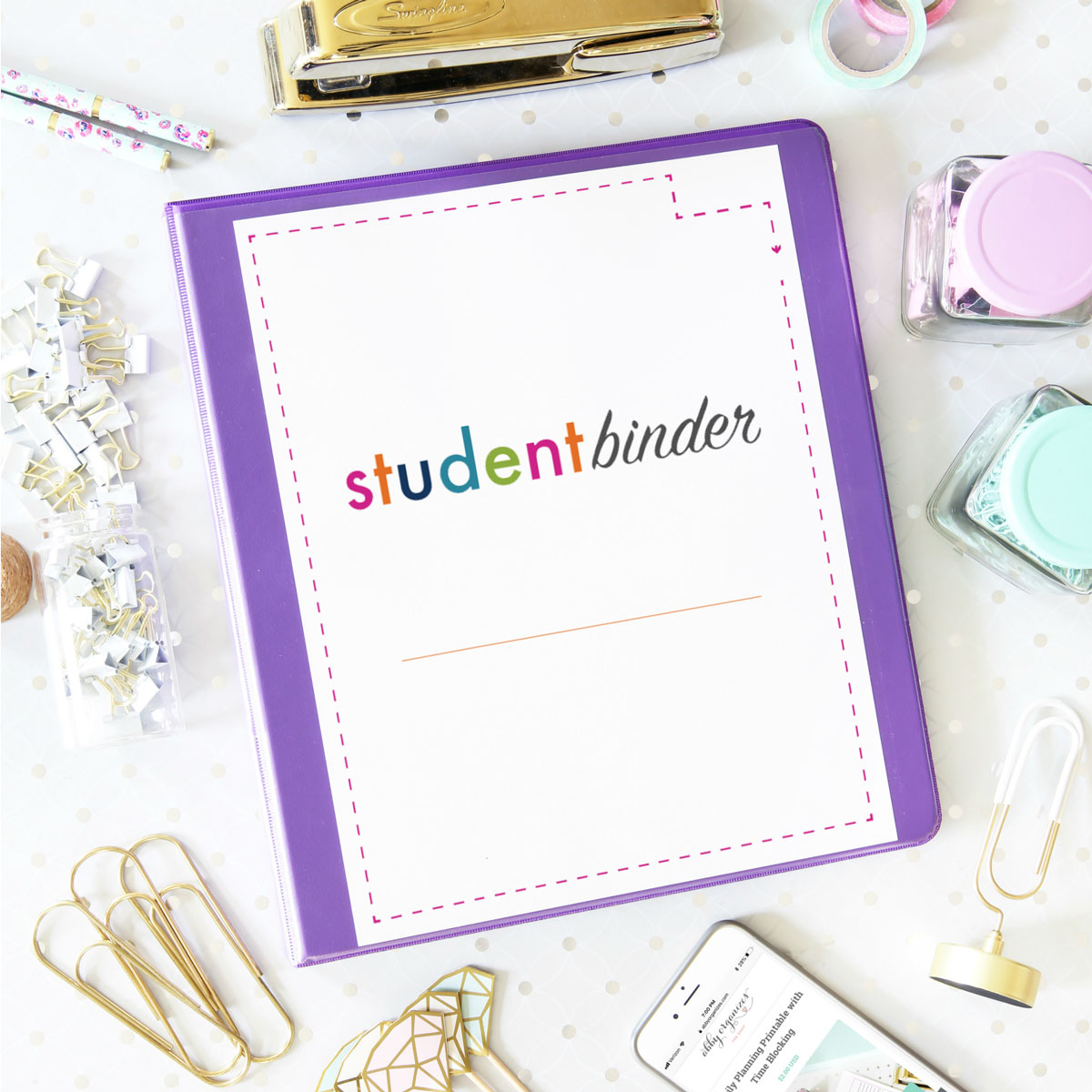
The latest release of the "Free Printable Student Binder" resources offers a comprehensive, customizable solution for students at every level—from middle schoolers learning to manage their first lockers to college students juggling complex, multi-layered degree programs. By providing a structured framework for data management, these tools aim to alleviate the cognitive load associated with modern education.
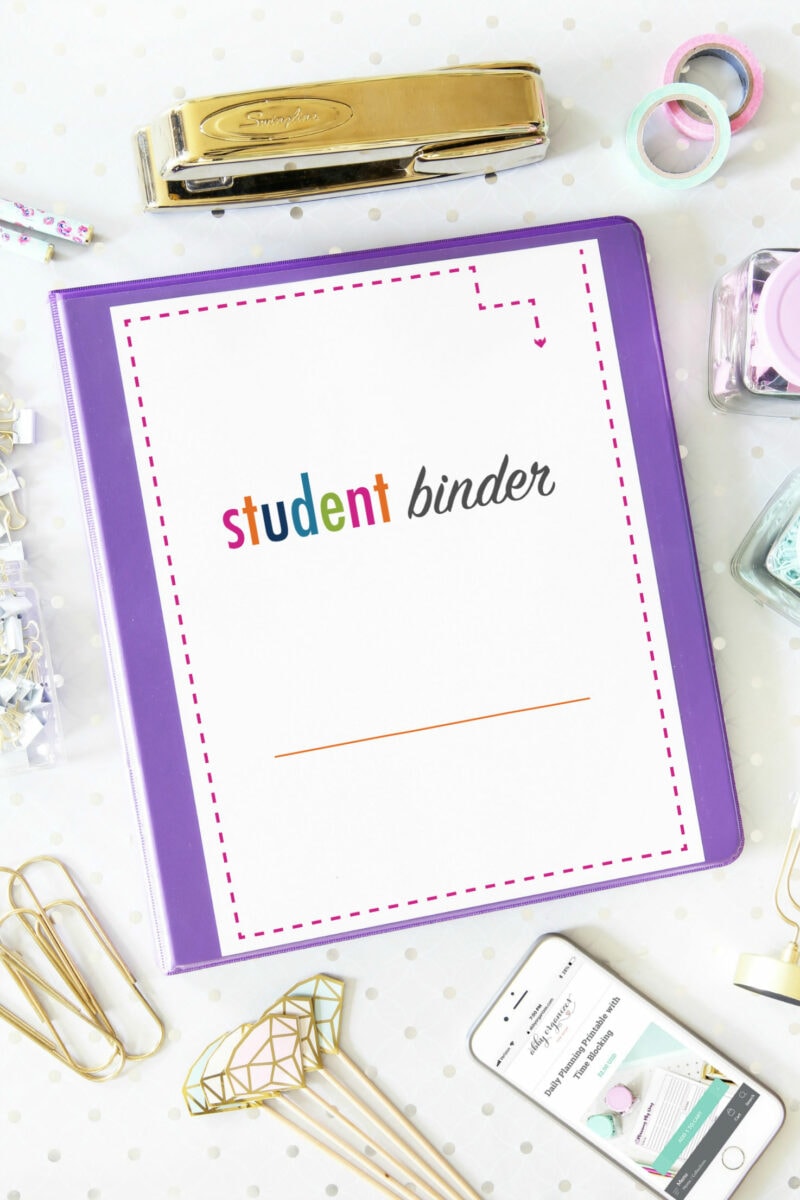
Main Facts: The Anatomy of an Organized Academic Year
The core mission of the student binder project is to provide a scalable system that translates abstract academic requirements into concrete, actionable steps. The collection includes over 300 pages of resources available through a centralized digital library, designed to cater to various learning styles and organizational needs.

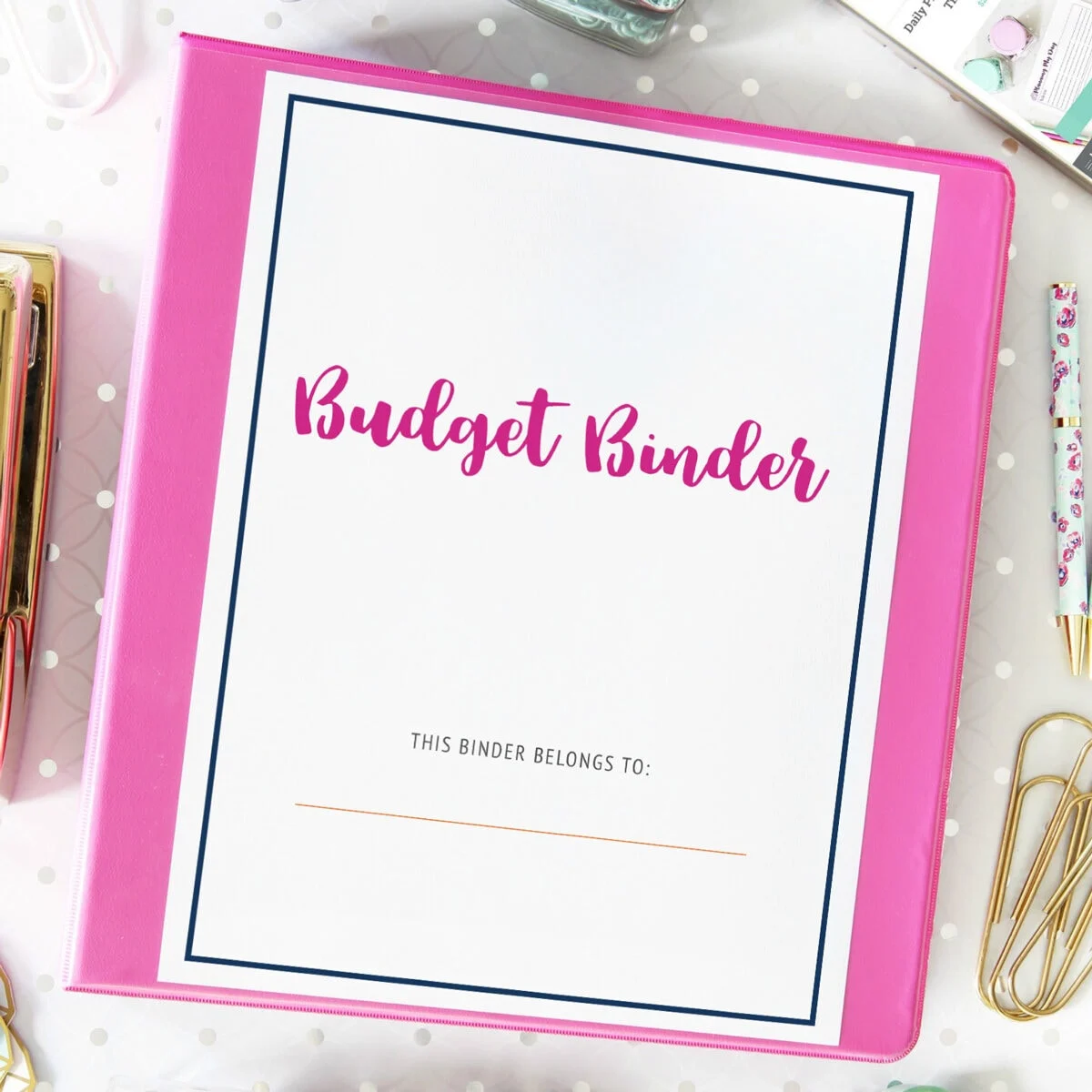
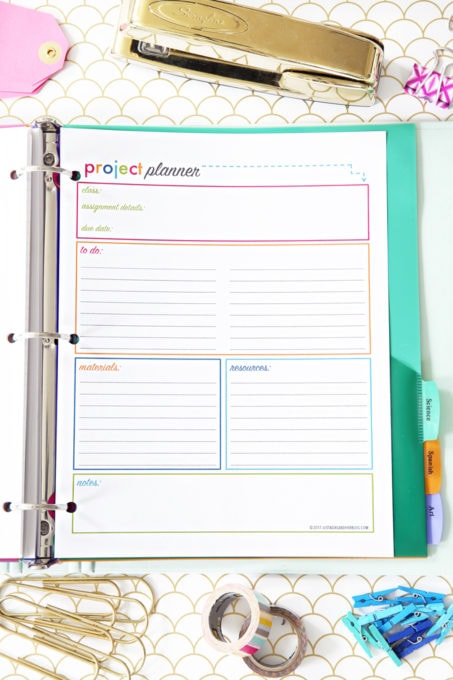
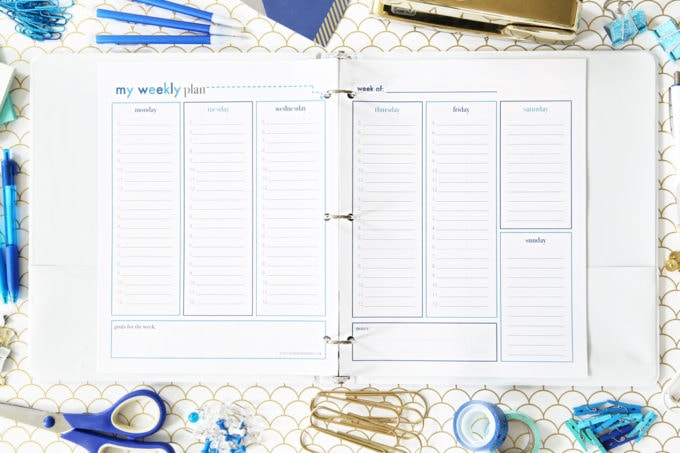
At its foundation, the system recognizes that organization is not a one-size-fits-all endeavor. The binders are available in two distinct aesthetic schemes—a vibrant, classic palette and a secondary, more neutral blue-toned design—ensuring that the system remains appealing and personal to the user. Beyond aesthetics, the functionality is rooted in three primary pillars: Planning, Tracking, and Subject-Specific Management.

Chronology of Academic Success: From Planning to Execution
Organization, when approached effectively, functions as a chronological progression. The provided printable suite mirrors this by guiding students through a step-by-step process:
- Preparation (The Foundation): The process begins with setting up a physical or digital repository. This involves utilizing a durable, personalized binder cover printed on card stock to ensure longevity throughout the academic term.
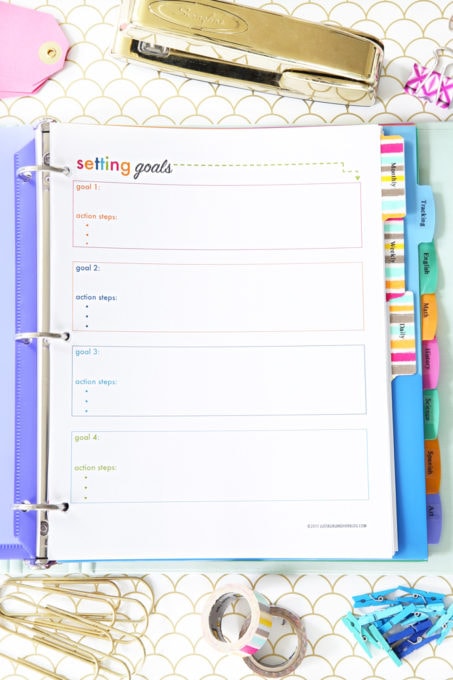
- Strategic Planning (The Macro View): Utilizing goal-setting sheets allows students to define their objectives for the year. By breaking down long-term aspirations into specific, actionable steps, students can maintain focus even when the semester becomes demanding.
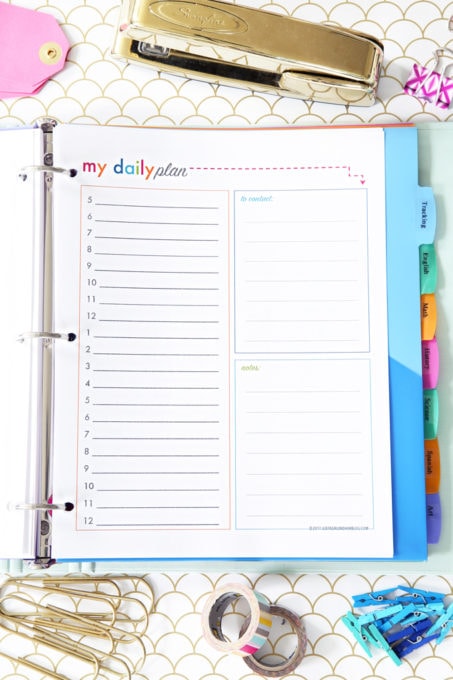
- Time Management (The Micro View): The integration of both monthly and weekly planners—featuring time-blocking capabilities—allows students to visualize their commitments. The inclusion of daily routines ensures that the small, repetitive tasks (like packing a backpack or reviewing a calendar) become subconscious habits rather than sources of stress.
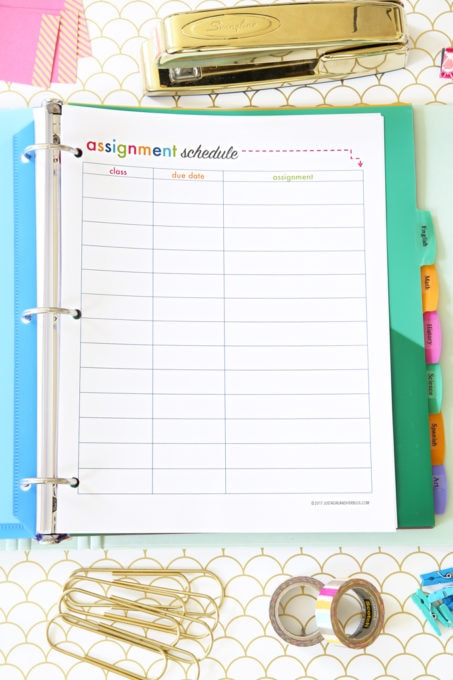
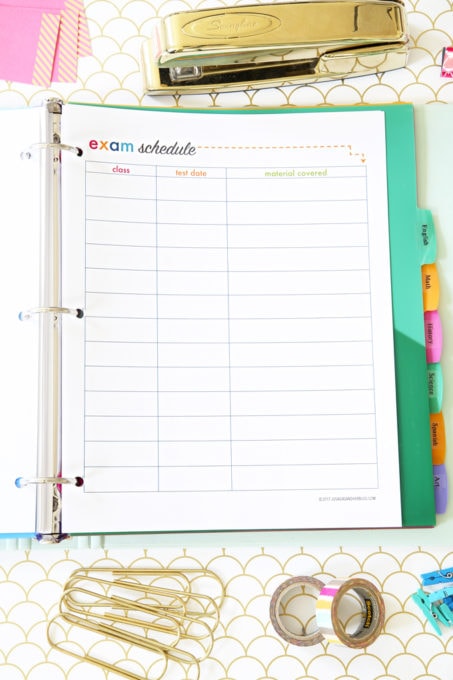
- Task Execution (The Daily Grind): By utilizing dedicated assignment and exam schedules, students can transition from a reactive state—where they are constantly playing "catch-up"—to a proactive state, where they anticipate deadlines well in advance.
Supporting Data: Why Systematic Organization Matters
The demand for these resources is not merely a trend; it is a response to the increasing complexity of student life. Research in educational psychology consistently demonstrates that executive function—the ability to plan, focus, and manage multiple tasks—is a primary predictor of academic achievement.

Students who utilize structured systems like the one presented here benefit from a reduction in "decision fatigue." When a student has a pre-formatted grade tracker, they are no longer left wondering about their academic standing in the final weeks of a term. They possess a real-time, quantitative view of their performance.

Furthermore, the inclusion of a project planning tool addresses the "project management gap." Many students fail to complete complex tasks not due to a lack of intelligence, but due to a failure to break down large projects into smaller, manageable sub-tasks. By providing a structured template for these projects, the binders turn overwhelming assignments into a series of simple checkboxes.
Official Perspectives: The Philosophy of the "Just a Girl and Her Blog" System
The creators behind these resources emphasize that the true value of these printables lies in their consistency. "The student binder printables are simple," the developers note, "but when used consistently, they can truly help make your school year (and your life!) so much easier."
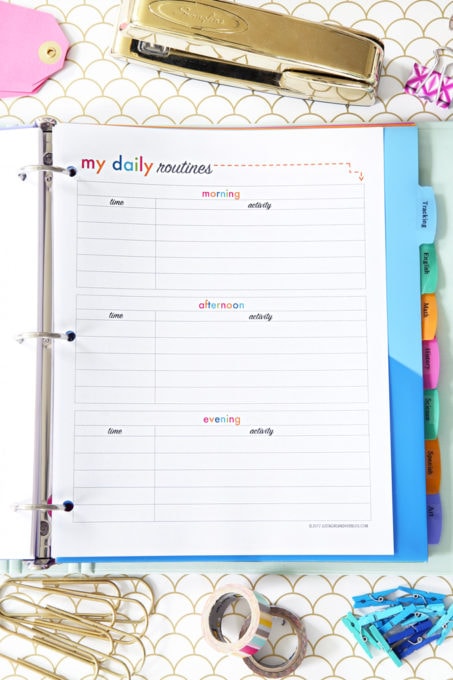
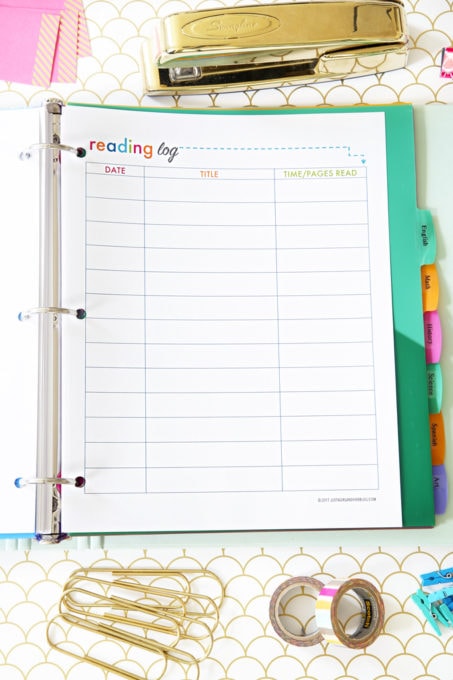
The philosophy hinges on the concept of "externalizing the mind." By transferring dates, goals, and grades from the brain to a physical document, students free up mental bandwidth. This allows them to focus on the content of their learning rather than the logistical effort of keeping track of it. Whether it is a student recording their reading progress or a high schooler documenting their daily routine, the system is designed to provide a sense of agency and control in an environment that often feels chaotic.
Implications for Future Academic Development
The long-term implications of implementing an organizational system early in one’s education are significant. Students who develop these habits in middle or high school enter higher education with a distinct advantage. They possess the "meta-cognitive" skills required to manage their own learning, a trait that is essential for professional success in the modern workforce.
Moreover, these resources have shown utility beyond the student demographic. Many professionals have adapted the "Subject Sections" for use in project management, and the "Goal Setting" sheets have been repurposed by lifelong learners to track personal growth milestones.
Frequently Asked Questions and Accessibility
The accessibility of these tools is a major factor in their popularity. By offering a "Free Printable Library," the initiative removes the barrier to entry often associated with premium planners and organizational software. Students can print exactly what they need, discard what they do not, and customize their binders to fit their specific class load.
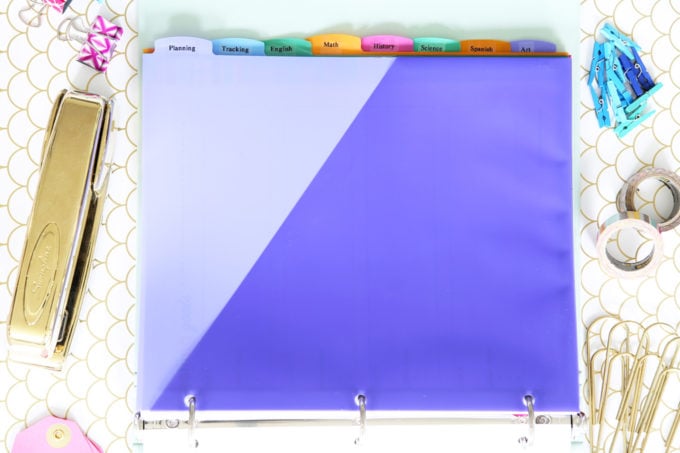
As the educational landscape continues to integrate digital and analog learning, the role of a "home base" for academic information remains crucial. The ability to flip through a physical binder to see a clear, color-coded overview of one’s semester provides a tangible sense of progress that digital notifications simply cannot replicate.

Conclusion: Empowering the Student Through Structure
The return to school is an opportunity for a "fresh start." While the challenges of the academic year are inevitable, the way a student approaches those challenges is entirely within their control. By utilizing the provided tools—from the class schedule to the detailed grade trackers—students can build a foundation of success that extends far beyond the classroom.

The transition from a disorganized, reactive student to an organized, proactive learner is rarely the result of a single change; rather, it is the cumulative effect of small, consistent habits. With the right resources, any student can cultivate the discipline and clarity required to excel.
As you prepare your materials for the coming semester, consider the power of a well-organized system. Whether you are a student, a teacher, or a parent supporting a child’s education, the investment in organization is an investment in future potential. Happy organizing, and here is to your most successful academic year yet.
For those interested in exploring the full range of resources, the complete collection of over 300 printable pages is available in the online library. Always remember to check your school’s specific requirements for materials, and feel free to adapt these templates to suit your specific course load.