
In an era where formal education often overlooks the mechanics of personal finance, a growing movement of parents is turning to an unlikely setting to bridge the gap: the family vacation. By shifting the role of children from passive participants to active budget managers, families are discovering that teaching fiscal responsibility—once considered a dry, intimidating chore—can be an engaging, real-world educational experience.
The Paradigm Shift: Redefining Vacation Spending
For many, the word "vacation" is synonymous with unchecked spending and a temporary suspension of financial rules. However, for families like those utilizing modern digital tracking tools, the getaway represents a prime opportunity to demonstrate that money is a finite, manageable resource.

The core of this educational philosophy is simple: when children are given visibility into the "how" and "why" of spending, they develop a more nuanced understanding of value. By involving them in the logistics of travel, parents are effectively demystifying the complexities of budgeting. Instead of shielding children from the costs of airfare, lodging, and dining, these parents are bringing them into the inner circle of decision-making.
Chronology of a Financial Lesson: From Planning to Execution
The process of integrating financial literacy into a trip begins long before the suitcases are packed. The methodology, as outlined by proponents of this hands-on approach, follows a distinct, logical progression:

1. The Pre-Trip Foundation (Sinking Funds)
The journey starts with the concept of "sinking funds." Rather than relying on credit cards or last-minute budget scrambles, families set aside incremental amounts of money throughout the year. This prepares the children for the trip by establishing the reality that fun, leisure-based experiences are the result of intentional, long-term saving. It creates a psychological link between discipline in the present and rewards in the future.
2. Establishing the Parameters
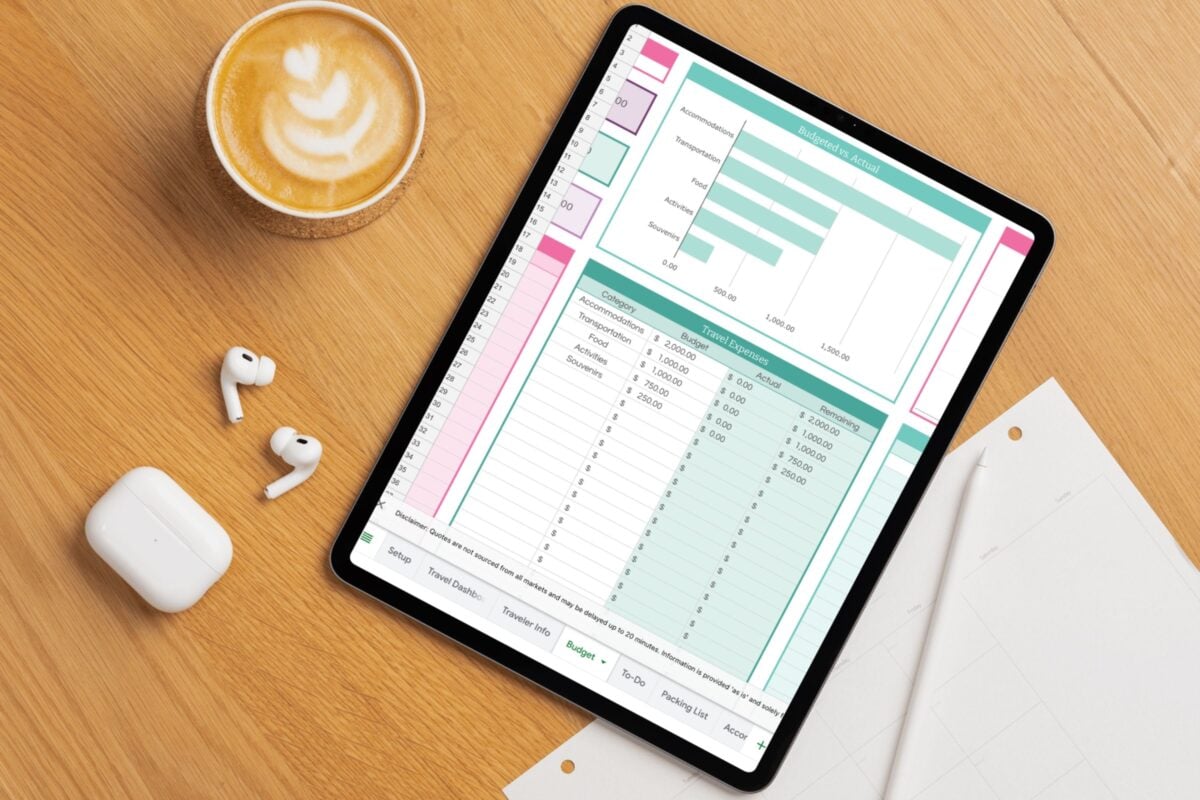
Once the total vacation budget is established, parents categorize the funds. These categories typically include transportation, lodging, dining, activities, and a "miscellaneous" fund for unforeseen expenses. By assigning specific dollar amounts to each category, parents provide children with a clear framework of what is possible.

3. Real-Time Tracking
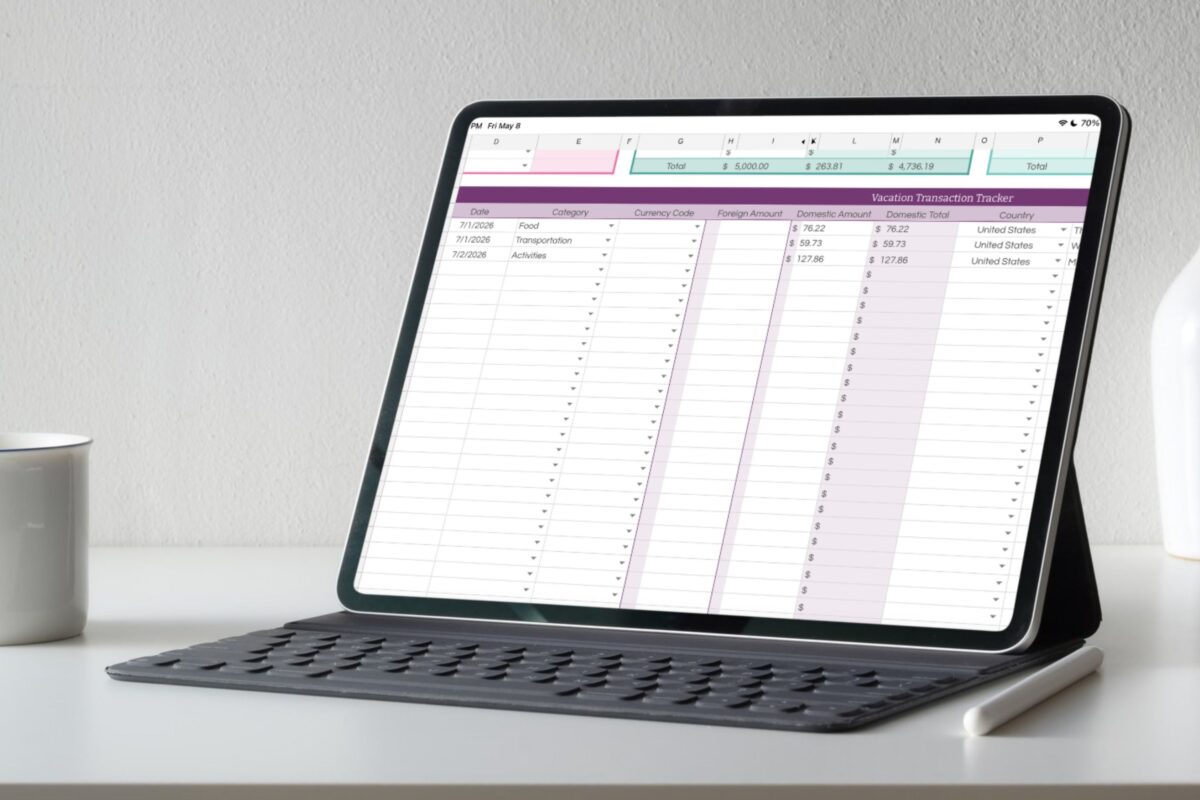
During the trip, the educational component shifts to real-time data entry. With the ubiquity of cloud-based spreadsheet software, children are tasked with logging every expense as it occurs. This constant interaction with the numbers allows them to see the budget fluctuate throughout the day, providing an immediate feedback loop that helps them understand the trade-offs involved in every purchase.
Supporting Data: The Impact of Financial Exposure
While personal anecdotes abound, the pedagogical effectiveness of this strategy is supported by the broader principles of experiential learning. According to child development experts, children are more likely to internalize lessons when they are active participants in the process rather than passive observers.

By utilizing digital tools—specifically mobile-accessible spreadsheets—children engage with the math of their lifestyle in real time. Data from financial literacy advocates suggests that when children are empowered to make choices within a budget, they develop:
- Critical Thinking Skills: They learn to evaluate the opportunity cost of a $6 gas station snack versus a future souvenir.
- Negotiation Skills: When a budget category is depleted, they must collaborate with parents to reallocate funds, forcing them to prioritize what truly matters to the family.
- Accountability: By managing the ledger, the child gains a sense of ownership, moving from a position of "asking for things" to "managing the resources" for the trip.
Expert Perspectives: The Role of Parental Guidance
Financial educators emphasize that the success of this model relies heavily on the "tone" set by the parents. If budgeting is framed as a restriction or a punishment, children will likely develop an avoidant relationship with money. However, when framed as a "game" or a "challenge," it fosters a proactive, empowered mindset.
"The goal is not to force children to become accountants," says one family finance expert. "The goal is to eliminate the fear of the ledger. By making it fun—like seeing how far they can stretch the food budget—parents are building a foundation of financial confidence that will last into their adult lives."
Implications for Future Financial Health
The long-term implications of this early exposure are profound. Children who are exposed to the mechanics of a budget in a low-stakes environment like a vacation are better prepared for the high-stakes environment of adult financial independence.
1. Breaking the Debt Cycle
By witnessing the discipline of "sinking funds," children learn that the alternative to careful planning is often debt. This fundamental lesson helps mitigate the impulse to rely on credit cards as a default solution for expenses.
2. Normalizing Financial Transparency
Many adults struggle with financial anxiety because money was a "taboo" subject in their childhood homes. By keeping the budget open and transparent, parents normalize the conversation around money. This openness creates a environment where children feel comfortable asking questions about taxes, interest rates, and investments as they grow older.

3. Developing Resource Management Skills
Whether it’s choosing between an extra excursion or a nicer meal, children learn that resources are finite. This is a vital life skill. In a world of infinite digital consumption, teaching a child to say "no" to a small, immediate desire in favor of a larger, long-term goal is arguably the most valuable lesson a parent can provide.
Conclusion: The Vacation as an Investment
The school system may provide the theory, but the family unit provides the laboratory. By integrating financial tracking into the rhythm of a vacation, parents are doing more than just saving money or planning a trip; they are equipping the next generation with the tools to navigate a complex economic landscape.

As the children grow older, these "vacation spreadsheets" may evolve into personal finance apps or investment accounts, but the core lesson remains the same: money is a tool, not a monster. By taking the mystery out of the math, parents ensure that their children enter adulthood not with fear, but with the competence to thrive.
The next time a family begins to plan their summer getaway, the most important item on the packing list may not be sunscreen or swimsuits—it may well be the spreadsheet that teaches them how to pay for the memories they are about to create.