WASHINGTON — In the quiet aisles of local grocery stores, a formidable opponent to America’s leading cause of mortality may be resting right in the produce section. As cardiovascular disease continues to claim hundreds of thousands of lives annually, a growing body of rigorous clinical research is turning the spotlight away from the pharmacy shelf and toward the berry patch.
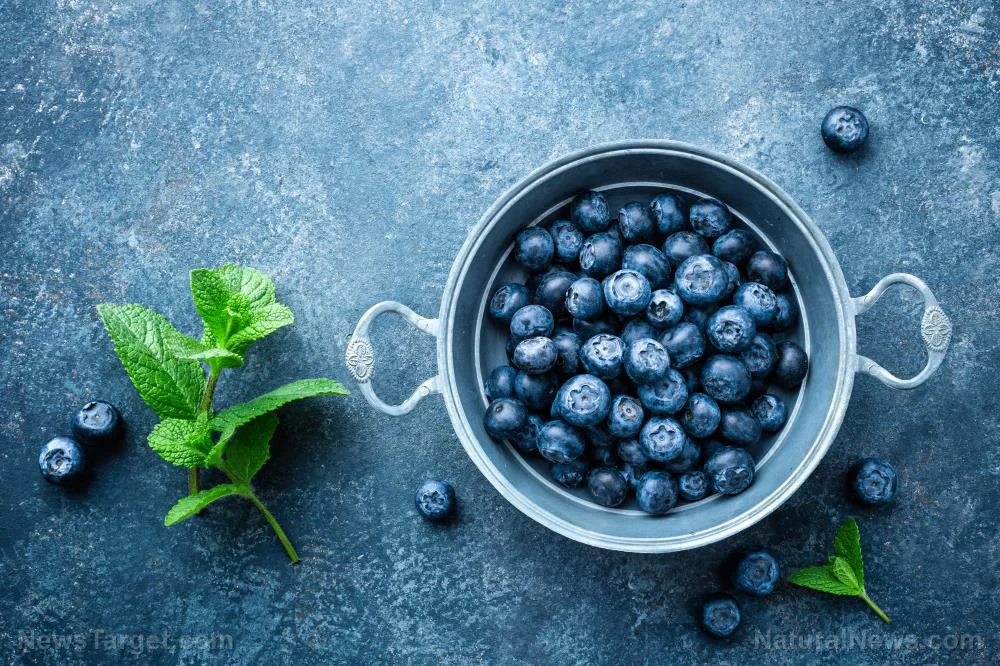
Recent scientific investigations reveal that a modest, daily serving of blueberries—long celebrated as a superfruit—can trigger profound physiological changes. These sweet, blue-purple berries are proving capable of rivaling pharmaceutical interventions in reducing blood pressure, improving arterial elasticity, and mitigating the relentless march of hypertension. With one in three U.S. adults currently grappling with high blood pressure, this dietary intervention arrives not a moment too soon.
Main Facts: The Clinical Evidence Behind the Blue
The medical consensus surrounding hypertension has long relied on lifestyle modifications, sodium restriction, and pharmacological interventions. However, patient preference has increasingly leaned toward natural, sustainable alternatives that do not carry the burden of unwanted side effects. Enter the humble blueberry.
At the core of the recent cardiovascular breakthrough is a landmark study published in the Journal of the Academy of Nutrition & Dietetics. Researchers conducted a randomized, double-blind, placebo-controlled clinical trial involving 48 postmenopausal women—a demographic facing a sharp rise in hypertension and arterial stiffness due to hormonal shifts.
The participants consumed the equivalent of one cup of fresh blueberries daily (administered as a freeze-dried powder) for eight weeks. The results were striking:
- Systolic Blood Pressure: Dropped significantly from an average of 138 mm Hg down to 131 mm Hg.
- Diastolic Blood Pressure: Fell from 80 mm Hg to 75 mm Hg.
- Arterial Stiffness: Showed marked improvement, decreasing the overall mechanical strain on the cardiovascular network.
Scientists attribute these dramatic improvements to a surge in nitric oxide production. Nitric oxide is a vital gas molecule synthesized by the endothelium (the inner lining of blood vessels) that signals smooth muscle cells to relax. This relaxation causes blood vessels to widen—a process known as vasodilation—which smoothly lowers vascular resistance and blood pressure.
Further cementing these findings, a separate study published in The Journals of Gerontology, Series A examined the acute and chronic effects of consuming 200 grams of whole wild blueberries daily. Researchers observed that flow-mediated dilation of the brachial artery improved by approximately 2% within just two hours of consumption, with the protective effects sustaining over a full month of continuous intake. Notably, systolic blood pressure fell by an average of 5 millimeters of mercury—an impact researchers noted as clinically comparable to common blood pressure medications administered over the same timeframe.
Chronology: From Folklore Fruit to Clinical Validation
The journey of the blueberry from a regional wild forage to a clinically validated cardiovascular therapy spans decades of nutritional science and biochemical discovery.
- Pre-2000s (The Antioxidant Era): For generations, blueberries were valued for their general health properties, primarily recognized as a rich source of Vitamin C and dietary fiber. As nutritional science advanced in the late 20th century, researchers began isolating specific plant chemicals, identifying high concentrations of polyphenols and flavonoids.
- The 2010s (Targeting Endothelial Function): Epidemiological data began signaling a strong inverse relationship between flavonoid-rich diets and cardiovascular events. Large-scale population studies, including data analyzed by institutions like Harvard T.H. Chan School of Public Health, revealed that women consuming higher quantities of anthocyanin-rich berries experienced drastically lower risks of myocardial infarction (heart attacks).
- 2015–2019 (Rigorous Clinical Trials): Controlled human trials stepped up. The Tallahassee-based clinical study on postmenopausal women provided the gold standard of proof: randomized, double-blind, and placebo-controlled. Concurrently, studies involving healthy men in 2019 demonstrated that the cardiovascular benefits of blueberries were not gender-restricted, showing rapid vascular responses within hours of ingestion.
- Present Day (Mainstream Integration): Today, cardiologists and dietitians increasingly view blueberries not merely as a healthy snack, but as an active therapeutic agent. Clinical guidelines from scientific reviews now emphasize the synergistic biochemical pathways through which berry anthocyanins protect the human circulatory system.
Supporting Data: Biochemical Mechanisms and Epidemiological Insights
To understand why blueberries wield such potent medicinal properties, one must look deep into their cellular makeup. The driving force behind the fruit’s cardiovascular prowess is a class of flavonoids called anthocyanins—the water-soluble plant pigments responsible for the deep, rich blue, purple, and red hues of the berry.
The Power of Anthocyanins
Anthocyanins do not merely act as passive antioxidants; they actively engage human biological pathways. When ingested, these compounds stimulate endothelial cells to upregulate endothelial nitric oxide synthase (eNOS), the enzyme responsible for producing nitric oxide. By keeping blood vessels dilated, nitric oxide prevents the blood pressure spikes that strain heart muscle tissue over time.
Systemic Vascular Protection
The protective mechanisms of anthocyanins extend far beyond simple blood pressure reduction:
- Oxidative Stress Reduction: They neutralize reactive oxygen species (free radicals) that damage delicate vascular tissues.
- Anti-Inflammatory Action: They suppress inflammatory cytokines that contribute to endothelial dysfunction and atherosclerosis.
- Platelet Inhibition: They help prevent abnormal blood platelet aggregation, reducing the risk of thrombotic events (blood clots).
- Plaque Prevention: By protecting the arterial lining, they inhibit the oxidation of Low-Density Lipoprotein (LDL) cholesterol, a critical step in arterial plaque buildup.
Epidemiological data underscore these physiological benefits. Long-term health tracking studies indicate that individuals—particularly women—who consume three or more servings of blueberries and strawberries per week enjoy a 32% lower risk of heart attack compared to those who consume them rarely.
Cultivated vs. Wild: The Potency Factor
Not all blueberries are created equal. Botanical research shows that wild blueberries (Vaccinium angustifolium) deliver significantly higher concentrations of anthocyanins than their larger, cultivated counterparts (Vaccinium corymbosum). Because wild berries have a higher skin-to-pulp ratio—and skin is where the majority of protective phytochemicals reside—they pack a denser nutritional punch. Clinical trials utilizing wild blueberry powders (roughly 26 grams daily) have consistently demonstrated superior outcomes in terms of arterial flexibility and blood pressure reduction among older adults.
Beyond the Heart: Metabolic Synergies
In addition to vascular health, regular blueberry consumption provides profound metabolic support. Each one-cup serving delivers approximately 4 grams of dietary fiber, helping to stabilize blood sugar levels and improve insulin sensitivity. This makes blueberries an ideal component of the Dietary Approaches to Stop Hypertension (DASH) eating plan, which recommends four to five servings of fruits and vegetables daily. Crucially, this metabolic stabilization offers vital protection against type 2 diabetes—a major co-morbidity that exacerbates cardiovascular disease risk.
Official Responses and Medical Perspectives
The medical community has greeted these findings with a mixture of professional enthusiasm and cautious optimism. While pharmacotherapy remains a cornerstone of acute hypertension management, progressive cardiologists and clinical nutritionists are increasingly acknowledging the therapeutic limits of prescription drugs alone, which frequently come with side effects such as fatigue, dizziness, and electrolyte imbalances.
"The data supporting dietary interventions like daily blueberry consumption is no longer just suggestive; it is clinically compelling," notes a prominent researcher in preventative cardiology. "When we see a 5 to 7 millimeter of mercury drop in systolic pressure from a food item, we are looking at numbers that, on a population level, translate directly into saved lives and reduced stroke incidents. It shifts our medical paradigm from merely managing disease to actively promoting vascular resilience."
Public health organizations, including federal health agencies tracking the modern hypertension epidemic, emphasize that dietary strategies must play a central role in preventative medicine. Because high blood pressure remains the single most common underlying cause of mortality among both men and women, integrating accessible, food-based interventions reduces the lifetime dependency on escalating drug dosages.
Nutritional epidemiologists also stress the concept of food synergy. While pharmaceutical drugs typically target a single biochemical receptor or enzyme, the complex array of phytochemicals, vitamins, and fiber in blueberries interacts with multiple signaling pathways simultaneously. This multi-pronged biological effect helps explain why whole-food interventions frequently yield robust health outcomes that are difficult to replicate with isolated chemical supplements.
Implications: Practical Integration and the Future of Preventative Health
The rise of the blueberry as a frontline defense against hypertension carries profound implications for public health policy, clinical practice, and individual lifestyle choices. As chronic lifestyle diseases strain healthcare systems worldwide, the empowerment of patients through accessible, kitchen-counter remedies represents a transformative shift in modern medicine.
Overcoming Barriers to Care
Hypertension is frequently dubbed the "silent killer" because it exhibits few symptoms until catastrophic events like strokes or heart attacks occur. Socioeconomic barriers, medication costs, and complex pharmaceutical regimens often lead to poor patient compliance. By contrast, incorporating a cup of blueberries into a daily routine is an accessible, low-risk, and economically viable strategy available to a broad demographic.
Practical Strategies for Daily Consumption
Translating clinical science into everyday habits requires minimal disruption to lifestyle routines. Nutritional experts recommend several simple ways to hit the target dosage:
- Breakfast Boost: Toss a cup of fresh or frozen wild blueberries into morning oatmeal, Greek yogurt parfaits, or cottage cheese bowls.
- Smoothie Integration: Blend frozen blueberries with spinach, plant-based milk, and a scoop of protein powder for a nutrient-dense morning shake.
- On-the-Go Snacking: Keep dried or freeze-dried blueberries in desk drawers or gym bags as a healthy alternative to processed snacks.
- Culinary Pairings: Add blueberries to green salads featuring baby spinach, walnuts, strawberries, and goat cheese.
- Beverage Alternatives: Incorporate 100% pure blueberry juice or homemade low-sugar blueberry reductions into daily meal planning.
Beyond blueberries, related anthocyanin-rich superfoods—such as blackberries, raspberries, tart cherries, and strawberries—offer complementary cardiovascular benefits, allowing for dietary variety without sacrificing vascular protection.
Conclusion: A Small Fruit with Outsized Impact
The convergence of rigorous clinical trials, biochemical analysis, and epidemiological tracking positions the blueberry as a potent tool in the modern war against cardiovascular disease. For the millions of Americans navigating the complexities of high blood pressure, the message from the scientific community is clear: nature has provided a formidable medicine chest in the produce aisle. A simple, daily cup of blueberries is no longer just a healthy treat; it is a scientifically validated prescription for a longer, healthier life.