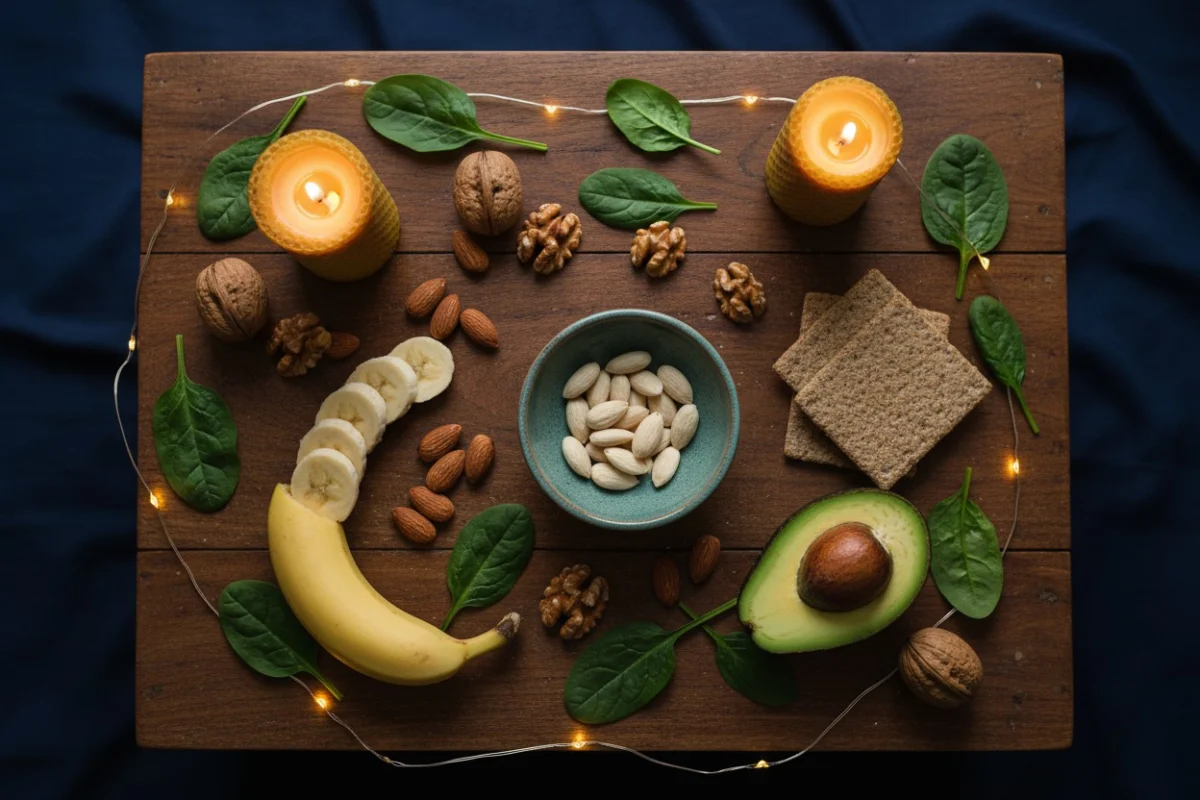
For decades, the standard advice for overcoming insomnia has remained largely environmental: lower the thermostat, invest in blackout curtains, and banish blue-light-emitting screens from the bedroom. While these measures remain foundational, a growing body of nutritional science suggests that the path to a restorative night’s rest begins in the kitchen.
According to a July 2026 report by registered dietitian Molly Knudsen, published on mindbodygreen, our physiological "wind-down" sequence is heavily mediated by the nutrients we consume and, perhaps more crucially, the timing of those intake windows. As the modern sleep crisis deepens, Knudsen’s research highlights five critical nutritional levers—protein, fiber, magnesium, sugar regulation, and hydration timing—that can fundamentally alter sleep architecture.
The Biological Connection: Why Diet Dictates Sleep
The human body operates on a complex circadian rhythm, a 24-hour internal clock that regulates everything from hormone release to body temperature. While environmental cues like sunlight are the primary "zeitgebers" (time-givers) for this clock, metabolic input serves as a powerful secondary signal.
When we consume food, we trigger hormonal cascades involving insulin, cortisol, and serotonin. If these signals are misaligned—such as spiking insulin via late-night sugar intake—the body receives a biological signal to remain alert rather than transition into the repair phase of sleep. By optimizing what and when we eat, we can support the body’s natural transition into deep, restorative sleep cycles.
Chronology of Nutritional Impact: The "Sleep-First" Dinner
To understand how diet influences sleep, one must look at the timeline of digestion and neurotransmitter synthesis.
The Protein Pivot
Knudsen’s report points to a concerning trend: the average American diet derives only 16% of its daily calories from protein, a level she links directly to fragmented sleep. Proteins are the building blocks of amino acids, including tryptophan, which is the precursor to both serotonin and melatonin—the hormones responsible for mood regulation and sleep induction.
- The Recommendation: Knudsen suggests a shift toward 30 to 50 grams of high-quality protein per meal.
- The Timing: To ensure the digestive process does not interfere with the onset of sleep, this protein-rich dinner should be consumed two to three hours before bedtime. This window allows for efficient breakdown of amino acids without triggering the metabolic heat of heavy digestion while the body is attempting to lower its core temperature for sleep.
Fiber and the Gut-Brain Axis
Perhaps one of the most overlooked aspects of sleep hygiene is the gut-brain axis. Fiber is not merely a digestive aid; it is a critical component of the gut microbiome, which produces the majority of the body’s serotonin.
A 2023 study cited by Knudsen highlights that fiber metabolism in the colon strengthens the gut barrier and enhances serotonin secretion. When fiber intake is low—as it is for 95% of Americans, who consume only about 16 grams of the recommended 25–38 grams—the downstream effects include lighter, less restorative sleep. Incorporating whole grains like spelt, as recommended by health advocate Gary Null in Healthy Woman, Healthy Life, can provide the necessary prebiotic fiber to foster a sleep-supportive internal environment.
Supporting Data: Micronutrients and Metabolic Health
The Magnesium Factor
Magnesium acts as a biological "off-switch" for the nervous system. By activating GABA (gamma-aminobutyric acid) receptors, magnesium facilitates a sense of calm and stress management. Despite its importance, an estimated 45% of American adults fail to meet the Recommended Dietary Allowance (RDA) for this essential mineral.
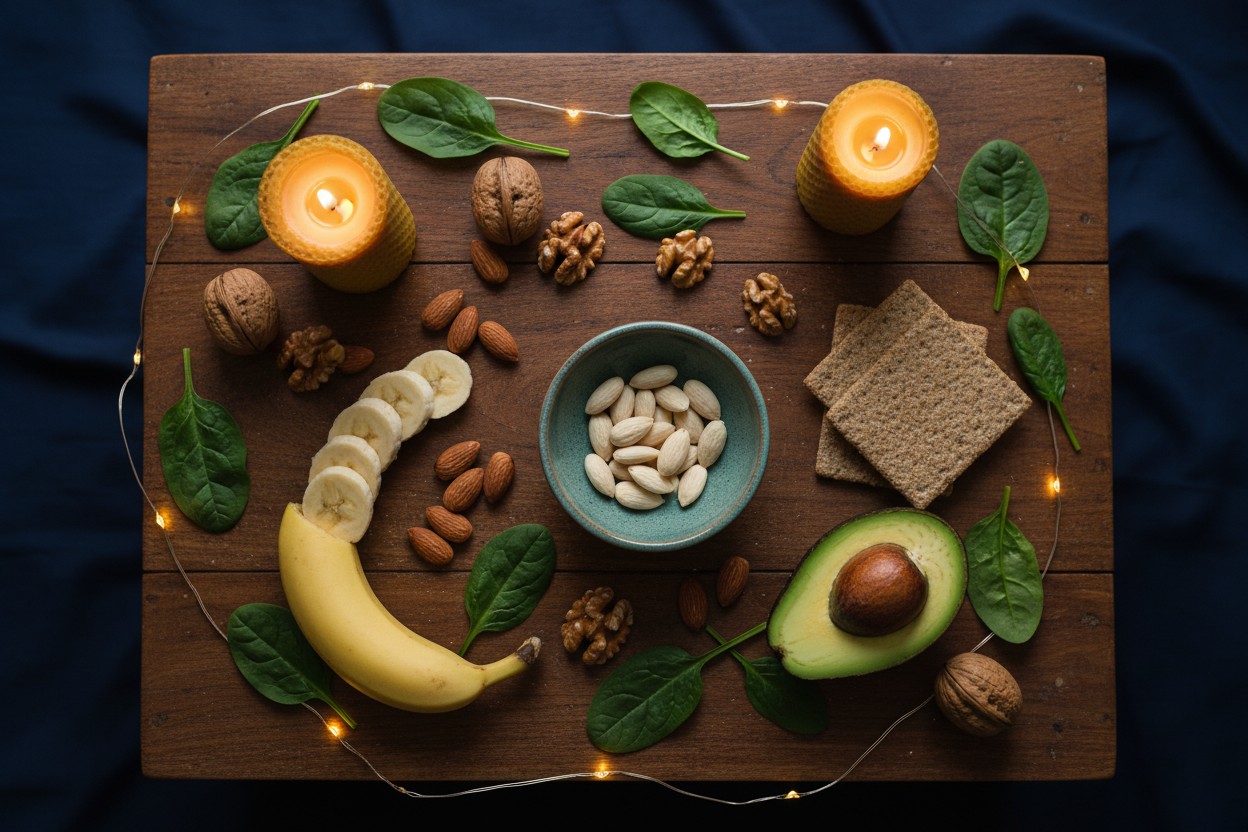
Knudsen recommends magnesium bisglycinate, specifically timed one to two hours before bed. This form is often preferred for its high bioavailability and gentle impact on the digestive tract. The clinical relevance of this is underscored by a 2023 trial, where 248 mg of elemental magnesium chloride showed significant improvements in depressive symptoms, which are often comorbid with sleep disorders.
The Sugar and Cortisol Trap
The late-night snack is a common habit, but often a detrimental one. Sugary or high-carbohydrate foods create a rapid blood sugar spike, followed by an inevitable crash. This crash triggers the release of cortisol, the body’s primary stress hormone. Under normal circumstances, cortisol should be at its daily nadir (lowest point) at night. When an evening sugar spike forces a cortisol release, the body enters a state of physiological "fight or flight," directly countering the signals meant to induce sleep.
Furthermore, a February 2026 report from NaturalNews.com indicates that chronic consumption of ultra-processed foods is linked to sustained high cortisol levels, which not only disrupts sleep but degrades long-term metabolic health.
Official Responses and Clinical Perspectives
The medical community is increasingly viewing sleep as a "third pillar" of health, alongside nutrition and exercise. Dr. Bashima Williams, in recent commentary, emphasized that traditional medical systems, such as Traditional Chinese Medicine, have long understood the inextricable link between proper digestion and sleep quality. According to this framework, "proper elimination" and balanced meals are non-negotiable precursors to a healthy nervous system.
Moreover, a 2026 study underscores the cumulative impact of these choices, noting that small lifestyle adjustments—combining sleep hygiene, nutrient-dense diets, and consistent physical activity—significantly reduce the risk of major cardiovascular events. This reinforces the idea that sleep is not a passive activity, but an active physiological state that requires the right "fuel" to function optimally.
Implications: A New Framework for Nighttime Wellness
The implications of these findings suggest that we must move away from the "bedroom-only" approach to insomnia. Improving sleep quality requires a holistic strategy that accounts for the entire day’s intake.
Summary of Best Practices:
- Protein Loading: Prioritize 30-50g of protein at dinner, finishing the meal at least 2-3 hours before sleep.
- Fiber-Forward Habits: Increase intake of beans, whole grains, and leafy greens to support the gut-brain axis.
- Strategic Supplementation: Consider magnesium bisglycinate 60–120 minutes before bed to support neurotransmitter regulation.
- Blood Sugar Stability: Avoid high-glycemic snacks in the evening to prevent nighttime cortisol spikes.
- Hydration Management: Adhere to urologist-recommended guidelines by taking the final sip of water 3-4 hours before bed to prevent nocturia, while ensuring adequate hydration throughout the earlier hours of the day.
Consult Before Changing
While these strategies are evidence-based, they are not one-size-fits-all. Pregnant individuals, those who are breastfeeding, or anyone with underlying metabolic conditions should consult a healthcare provider before initiating a supplement regimen.
As we look toward the future of sleep science, it is clear that the most effective sleep aid may not be a device or a prescription, but a carefully curated, nutrient-dense diet. By respecting the body’s internal clock and providing the right building blocks for repair, individuals can move beyond simply "getting through the night" and toward achieving truly restorative, high-quality sleep.
The convergence of modern research and ancient wisdom confirms what many have long suspected: the quality of our days, and the depth of our nights, are defined by what we put on our plates.