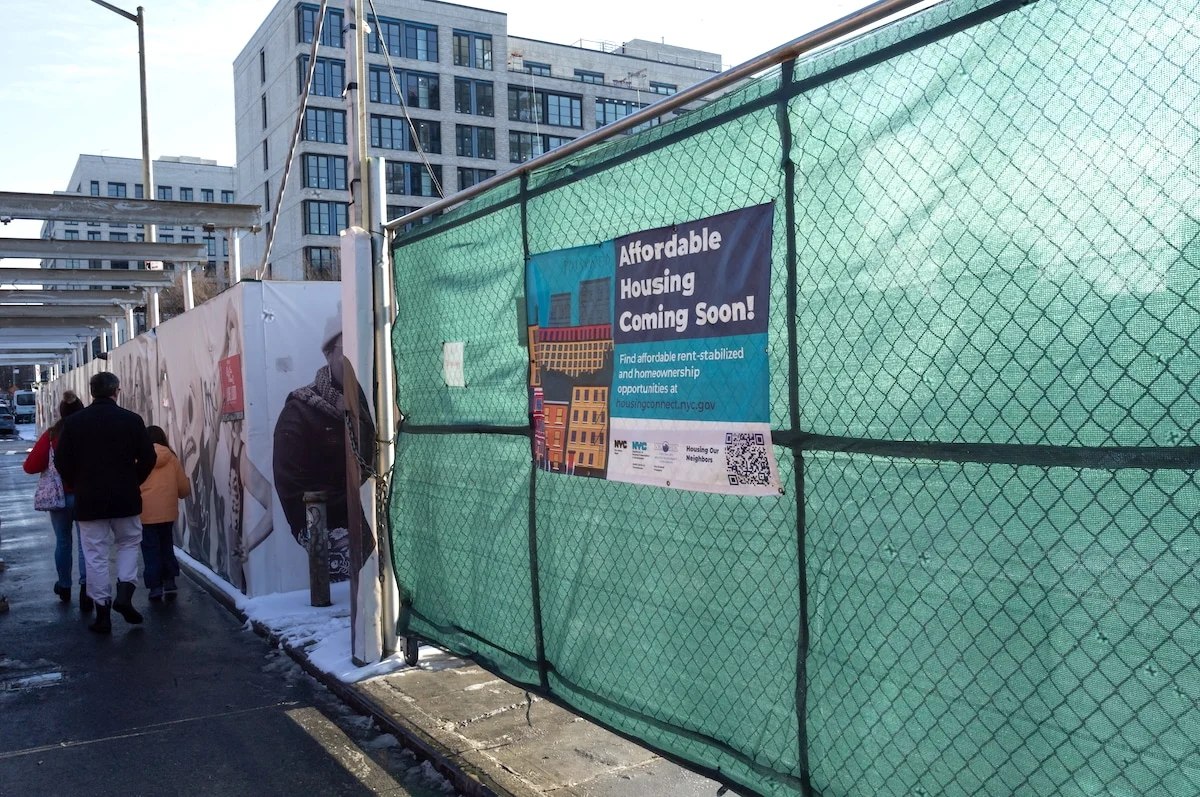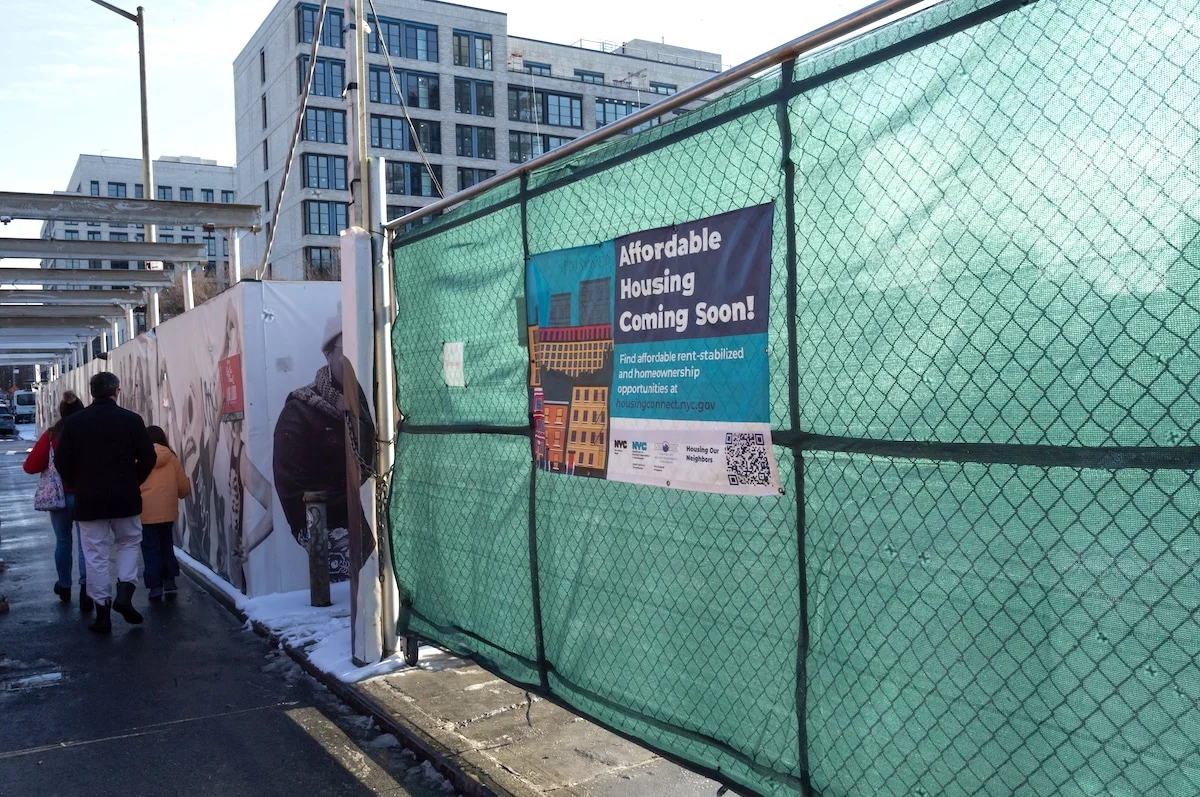
In a landmark shift for American climate policy, New York has officially become the first state in the nation to mandate that new construction projects be entirely electric, effectively closing the door on fossil fuel hookups for the vast majority of future developments. This policy milestone, finalized in late July 2025, represents a fundamental restructuring of how the state approaches its built environment, prioritizing long-term sustainability and public health over the traditional reliance on natural gas infrastructure.
The move is not merely a regional adjustment; it is a profound declaration that the era of gas-reliant construction is drawing to a close. By requiring that new residential, commercial, and industrial projects utilize electric heat pumps, induction stoves, and electric water heaters, New York is setting a precedent that other states are expected to monitor closely as they attempt to meet their own climate targets.
The Chronology of a Climate Victory
The journey to an all-electric building code in New York was marked by years of political maneuvering, grassroots organizing, and significant legal hurdles.
- 2023: The New York State Legislature passed the "All-Electric Buildings Act," signaling a bold ambition to decouple the state’s construction sector from fossil fuel dependency.
- Early 2025: Industry groups, mirroring tactics used to successfully overturn a similar municipal ban in Berkeley, California, mounted a legal challenge against the Act. These groups argued that federal energy regulations preempted the state’s ability to mandate electric-only appliances.
- July 2025: The U.S. District Court for the Northern District of New York issued a pivotal ruling, denying the challenge and affirming the state’s authority to implement the building codes. This legal victory provided the momentum needed to finalize the rule.
- Late July 2025: The State Fire Prevention and Building Code Council officially approved the final regulations, codifying the requirements into state law.
- December 31, 2025: This date marks the deadline for the first wave of compliance, applying to all projects with permit applications submitted on or after this date.
The Scope of the Mandate
The transition to an all-electric future will be phased, ensuring that the construction industry has time to adapt to new technologies and installation standards.
For residential construction, the mandate applies to buildings up to seven stories tall starting at the end of 2025. This covers a significant portion of New York’s new housing stock, particularly in mid-sized urban developments. For commercial and industrial facilities, the rules are categorized by square footage. Smaller facilities—those under 100,000 square feet—must comply by the December 2025 deadline. Larger commercial and industrial structures, exceeding 100,000 square feet, are granted additional lead time, with full compliance required by 2029.
However, the policy is not a blanket prohibition; it acknowledges that certain specialized sectors require specific energy applications. Exemptions have been carved out for critical infrastructure and niche industries, including:
- Agricultural buildings: Necessary for the maintenance of rural economic stability.
- Medical facilities: Where life-saving equipment requires highly reliable and specific energy loads.
- Crematoriums and laboratories: Facilities that rely on high-heat processes not currently compatible with standard residential electric heating systems.
- Restaurants: Recognizing the unique operational needs of commercial kitchens.
Data-Driven Decarbonization: Why Buildings Matter
The impetus for this legislation lies in the raw data regarding New York’s carbon footprint. According to the New York Department of Environmental Conservation, the "built environment"—residential and commercial buildings—is responsible for approximately 31% of the state’s total greenhouse gas emissions.
When gas is burned for space heating, water heating, and cooking, it releases carbon dioxide, methane, and nitrogen dioxide directly into the local environment. By eliminating these on-site combustion sources, the state expects a massive reduction in both outdoor air pollution and indoor air quality hazards.
The financial data further supports this transition. Projections from the New Buildings Institute indicate that total energy usage in New York homes could decrease by approximately 17% under the new requirements. Over a 30-year period, this translates to nearly $5,000 in savings per household. Furthermore, for single-family homes, the initial construction costs are actually projected to be lower, with studies suggesting savings between $7,500 and $8,200 when building all-electric from the ground up, compared to the cost of installing traditional gas plumbing and venting systems.
Official Responses and Stakeholder Perspectives
The finalization of the rule has ignited a spirited debate between environmental advocates, who view this as a moral and scientific necessity, and industry lobbyists, who remain concerned about the pace of the transition.

Dawn Wells-Clyburn, executive director of PUSH Buffalo, framed the court’s decision as a triumph of community interest over corporate influence. "The fossil fuel industry was sent a powerful message by the court in this case," she noted. "The health, well-being, affordability, and prosperity of our communities matters more than the industry’s profits and the hollowness of its fear-mongering."
Conversely, industry groups continue to resist the change. While the state has won the current legal battle, reports suggest that industry entities are lobbying the U.S. Department of Justice to intervene and block the implementation of the law, suggesting that the legal conflict may not be fully resolved.
Alex Beauchamp, Northeast region director at Food & Water Watch, emphasized that this victory is part of a larger, ongoing movement. "When New Yorkers come together, we can win even in the face of opponents with an almost-limitless budget," Beauchamp stated. "That is how we won this bill. It’s also how we are going to continue the fight to get fossil fuels out of all the existing buildings in the state."
Implications for the Future of Real Estate
The ripple effects of this mandate are likely to be felt across the real estate and construction sectors in several key ways:
1. Standardization of Heat Pump Technology
As the state mandates electric heating, the market for high-efficiency electric heat pumps will inevitably mature. Economies of scale will likely drive down the cost of these systems, making them more affordable not only for new construction but for retrofitting existing homes.
2. Workforce Transformation
The construction sector will face an immediate need for workers trained in electrical systems rather than gas piping. This shift presents an opportunity for green-collar job creation, as plumbers and HVAC technicians transition to installing and maintaining sophisticated electric climate control systems.
3. Grid Modernization
Perhaps the most significant long-term implication is the pressure it places on the electric grid. As buildings move away from gas, the demand for electricity will increase. This necessitates an accelerated transition toward renewable energy sources, such as wind and solar, to ensure that the "all-electric" buildings are not simply shifting their carbon footprint from the basement to the power plant.
4. A Precedent for Other States
New York’s role as a "first mover" is critical. By demonstrating that an all-electric code is legally defensible and economically viable, New York provides a roadmap for other states, particularly those in the Northeast and Pacific Northwest, to follow.
Conclusion
The decision by New York to mandate all-electric new construction is a watershed moment for environmental policy in the United States. It signals a move away from the incrementalism that has characterized climate action for decades, opting instead for a structural change that addresses the root of the emissions problem.
While legal challenges may continue to percolate, the foundation has been laid. As the state moves toward the December 2025 implementation date, the focus will shift from legislative debate to practical application. If the state succeeds in this transition, it will prove that decarbonizing the built environment is not only possible but beneficial for homeowners, the economy, and the planet. New York has set the stage; the rest of the nation is now watching to see if this model can become the new American standard.