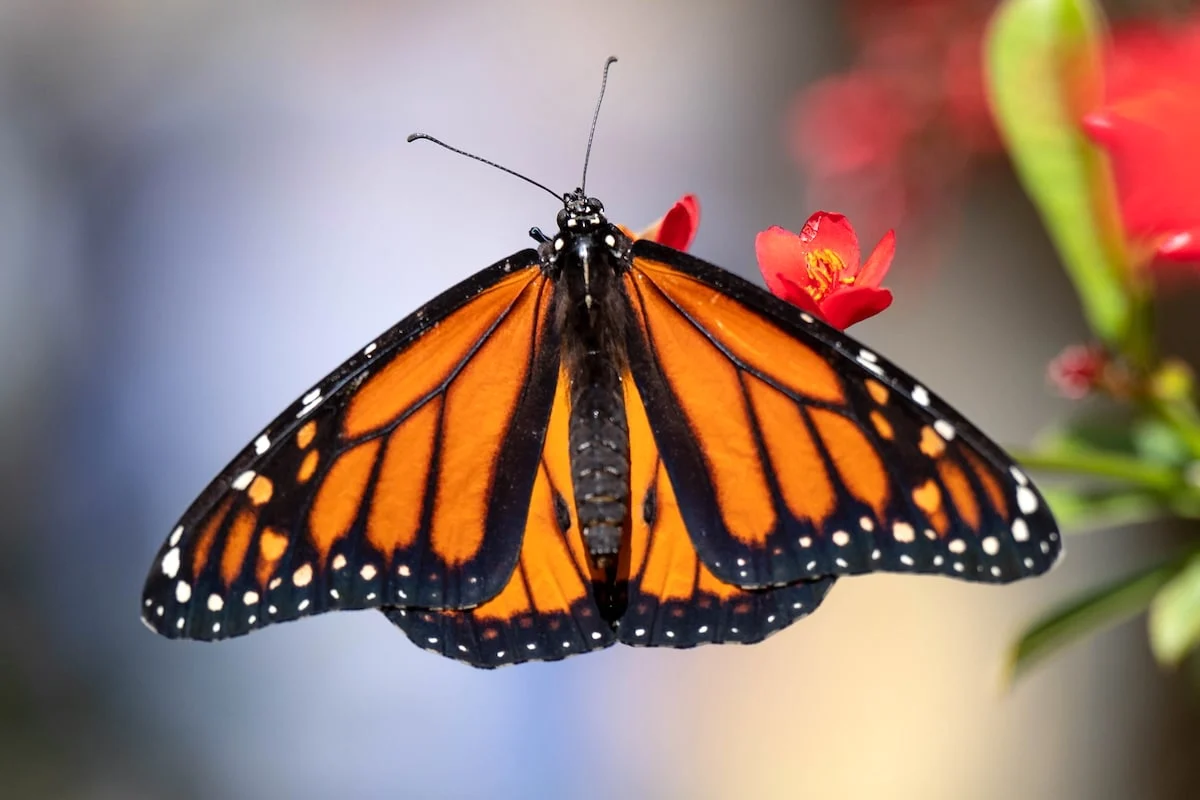
In the quiet groves of Pacific Grove, California—a sanctuary long revered as "Butterfly Town, USA"—a harrowing scene unfolded in January 2024. Hundreds of Western monarch butterflies, a species already teetering on the precipice of extinction, were discovered dead or dying on the forest floor. What initially appeared to be a localized ecological tragedy has now been confirmed as a symptom of a much broader, systemic environmental crisis.
A landmark peer-reviewed study, published in the journal Environmental Toxicology and Chemistry, has officially linked this mass mortality event to the pervasive presence of neurotoxic pesticides. The findings provide a sobering look at how human-driven chemical use is infiltrating even the most protected corners of the natural world, threatening the survival of one of nature’s most iconic migrators.
The Forensic Investigation: Uncovering the Chemical Cocktail
The investigation into the Pacific Grove die-off was as rigorous as it was alarming. Following the discovery of the fallen butterflies, researchers from the Xerces Society for Invertebrate Conservation mobilized to determine the cause of the mass mortality. Using advanced analytical techniques—specifically liquid and gas chromatography paired with mass spectrometry—the team conducted a forensic analysis of the deceased specimens.
The results were staggering. Scientists identified a complex "cocktail" of 15 different insecticides, herbicides, and fungicides present within the butterflies. On average, each individual butterfly contained seven distinct chemical compounds.
"We found an average of seven different pesticides per butterfly, including multiple insecticides that are highly toxic to insects," explained Staci Cibotti, lead author of the study and a pesticide risk prevention specialist at the Xerces Society.
The analysis highlighted the presence of three specific human-made pyrethroid insecticides: bifenthrin, cypermethrin, and permethrin. These substances were found at or near lethal doses. Every single sample tested contained bifenthrin and cypermethrin, while all but two contained permethrin. These chemicals, commonly used in residential landscaping, structural pest control, and industrial agriculture, act as potent neurotoxins, disrupting the nervous systems of insects and leading to rapid paralysis and death.
A Chronology of Decline: From Migration to Mortality
To understand the severity of the 2024 die-off, one must view it through the lens of the Western monarch’s long-term population trajectory.
- The 1980s Baseline: Historically, Western monarch populations were robust, numbering in the millions. Over the last four decades, however, they have suffered an estimated 95% decline.
- The 2020 North Dakota Warning: Similar patterns of mortality were observed in September 2020, when hundreds of monarchs perished following an aerial mosquito control spraying in North Dakota. This event served as an early, tragic warning of the risks posed by chemical applications during peak migration.
- January 2024: The Pacific Grove incident marked a critical tipping point. Researchers discovered the butterflies in the overwintering sanctuary, suggesting that the insects were poisoned either shortly before arriving or while resting in the habitat.
- The 2025 Census: The latest data from the Xerces Society’s annual Western Monarch Count reflects the dire reality of these losses. In 2025, the total number of overwintering Western monarchs was recorded at just 9,119 individuals—the second-lowest number in history.
This decline is not merely a statistical fluctuation; it is a rapid descent toward oblivion. The U.S. Fish and Wildlife Service has issued a grim projection: without immediate and drastic intervention, Western monarch butterflies face a 99% probability of extinction by 2080.
The Vulnerability of Overwintering Sites
The Pacific Grove event underscores a dangerous reality: monarch sanctuaries are not hermetically sealed bubbles of safety. While these sites are meant to provide a refuge for the butterflies during their dormant winter months, they remain highly susceptible to "pesticide drift."

Pesticide drift occurs when chemicals applied to nearby agricultural fields, golf courses, or urban gardens are carried by wind or water into unintended areas. Because monarchs cluster in massive groups to survive the winter, a single, concentrated exposure event—or even the cumulative, low-level exposure from surrounding drift—can have catastrophic population-level consequences.
"These are times when butterflies gather in large numbers, meaning even a single pesticide application has the potential to kill hundreds of individuals at once," noted Cibotti in a follow-up statement. "Because migration and overwintering are particularly sensitive phases of the monarch’s migratory cycle, reducing pesticide exposure during these windows is critical."
Official Responses and the Call for Policy Reform
The scientific community and environmental advocates are calling for a fundamental shift in how pesticides are regulated and applied in regions adjacent to butterfly habitats. The Xerces Society has outlined a multi-tiered strategy to mitigate these risks:
- Pesticide-Free Buffer Zones: The establishment of strictly enforced, chemical-free buffer zones around known overwintering sites.
- Public Education: Increased efforts to inform homeowners and commercial landscapers about the dangers of pyrethroids and the availability of safer, non-toxic alternatives for pest management.
- Enhanced Monitoring: Stronger coordination between public officials, agricultural boards, and conservationists to track pesticide usage and identify high-risk areas before applications occur.
- Policy Integration: Incorporating mandatory pesticide exposure protections into federal and state-level monarch recovery plans.
"Protecting monarchs from pesticides will require both public education and policy change," says Emily May, co-author of the study and agricultural conservation lead at the Xerces Society. "We are committed to working with communities and decision-makers to ensure that overwintering sites are healthy refuges for these butterflies."
Implications for Global Biodiversity
The plight of the Western monarch is a bellwether for the health of our broader ecosystem. As an "indicator species," the monarch’s struggle reflects the widespread, often invisible impact of chemical pollutants on global insect populations.
The issue is not limited to commercial farming. As Cibotti emphasized in her August 2025 update, these chemicals are pervasive in "developed landscapes for structural pest control, home gardening, landscaping, turf management, mosquito abatement and more." Even natural areas, when managed for invasive species or disease vectors, can become death traps for beneficial pollinators.
The extinction of the Western monarch would be a profound ecological loss, removing a vital pollinator and a symbol of the interconnectedness of our continent’s natural systems. The 2024 die-off serves as a stark reminder that if we are to prevent the "silencing" of the natural world, we must move beyond merely acknowledging the threat of pesticides and begin the difficult work of phasing them out in favor of ecologically sustainable practices.
For the Western monarch, the window for recovery is closing. The science is clear: the chemicals we use to manage our own environments are the very things driving these creatures toward the brink. Whether we choose to heed this evidence will determine whether the monarchs continue to grace our Pacific coast or vanish into the annals of extinction.
For more information on how to support monarch conservation or to learn about non-toxic pest management alternatives, visit the Xerces Society for Invertebrate Conservation.