The Democratic Republic of the Congo (DRC) stands at a perilous environmental crossroads. Renowned as the "second lung" of the planet, the nation is home to the world’s second-largest tropical rainforest and the vast Cuvette Centrale peatlands—an ecosystem that serves as one of Earth’s most vital carbon sinks. However, in a move that has sparked international outrage and deep concern among environmental scientists, the Congolese government has initiated an aggressive expansion of its oil and gas sector.
New data, released in the report Forests to Frontlines: Oil Expansion Threats in the DRC by Earth Insight, reveals that the government plans to auction off over half of the country’s land for fossil fuel exploration. This decision threatens to irrevocably alter 306 million acres of pristine wilderness, jeopardizing the habitats of endangered great apes, the livelihoods of 39 million people, and the integrity of global climate mitigation efforts.
The Core Facts: A Landscape Under Siege
The scale of the proposed drilling is unprecedented in modern conservation history. By auctioning off 52 new oil blocks in addition to three previously awarded concessions, the DRC government is effectively placing 64% of its remaining primary forest under the shadow of industrial extraction.
The areas designated for auction are not mere tracts of land; they are ecologically irreplaceable. They include:
- 20.5 million acres of legally protected areas.
- 21.3 million acres of designated "Key Biodiversity Areas."
- 165.1 million acres of intact tropical forest.
- 72% of the Kivu-Kinshasa Green Corridor, a newly established ecological initiative intended to promote sustainable development and biodiversity protection.
Most alarmingly, the Cuvette Centrale—the world’s largest tropical peatland complex—sits directly within the crosshairs. This region alone stores approximately 30 gigatons of carbon. The disruption of these peatlands through road construction, seismic surveying, and drilling could trigger the release of massive quantities of greenhouse gases, effectively turning a critical carbon sponge into a significant carbon source.
Chronology: From 2022 to the Present Crisis
To understand the gravity of the current situation, one must look at the recent trajectory of the DRC’s energy policy:
- 2022: The Initial Salvo: The DRC government launched a controversial auction for 30 oil and gas blocks. This move was met with immediate criticism from international NGOs and local civil society groups because many of these blocks overlapped with critical protected areas and indigenous territories.
- 2024–2025: A Drastic Escalation: Despite the international outcry following the 2022 auctions, the government has doubled down. The latest round of licensing represents a significant expansion in scope, pushing the boundaries of oil exploration into areas previously considered off-limits due to their ecological and cultural sensitivity.
- July 2025: The publication of the Forests to Frontlines report brought the reality of the situation into sharp focus, confirming that over 53% of the country is now effectively covered by oil and gas concessions. This shift marks a departure from the government’s stated commitments to biodiversity and climate action.
Supporting Data: Why the Congo Basin Matters
The Congo Basin is more than just a forest; it is the heartbeat of African ecology. Its significance to the global climate cannot be overstated.
Biodiversity Hotspot
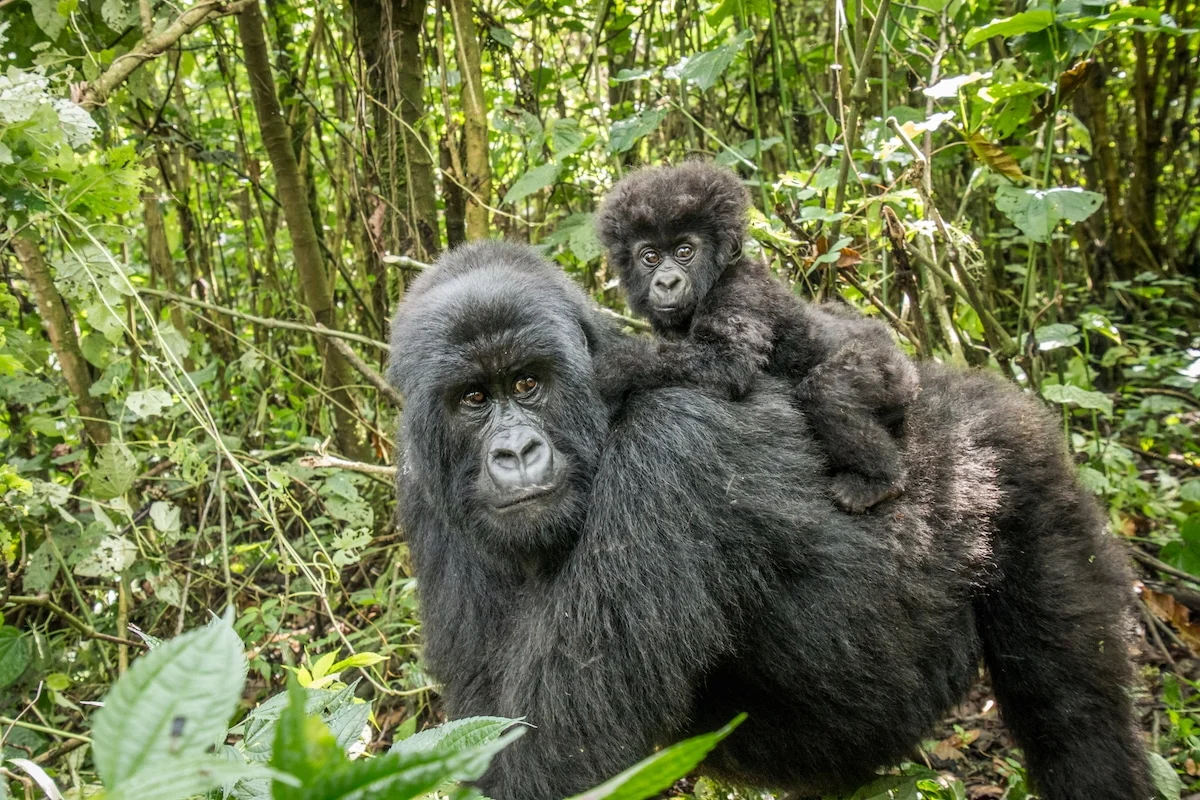
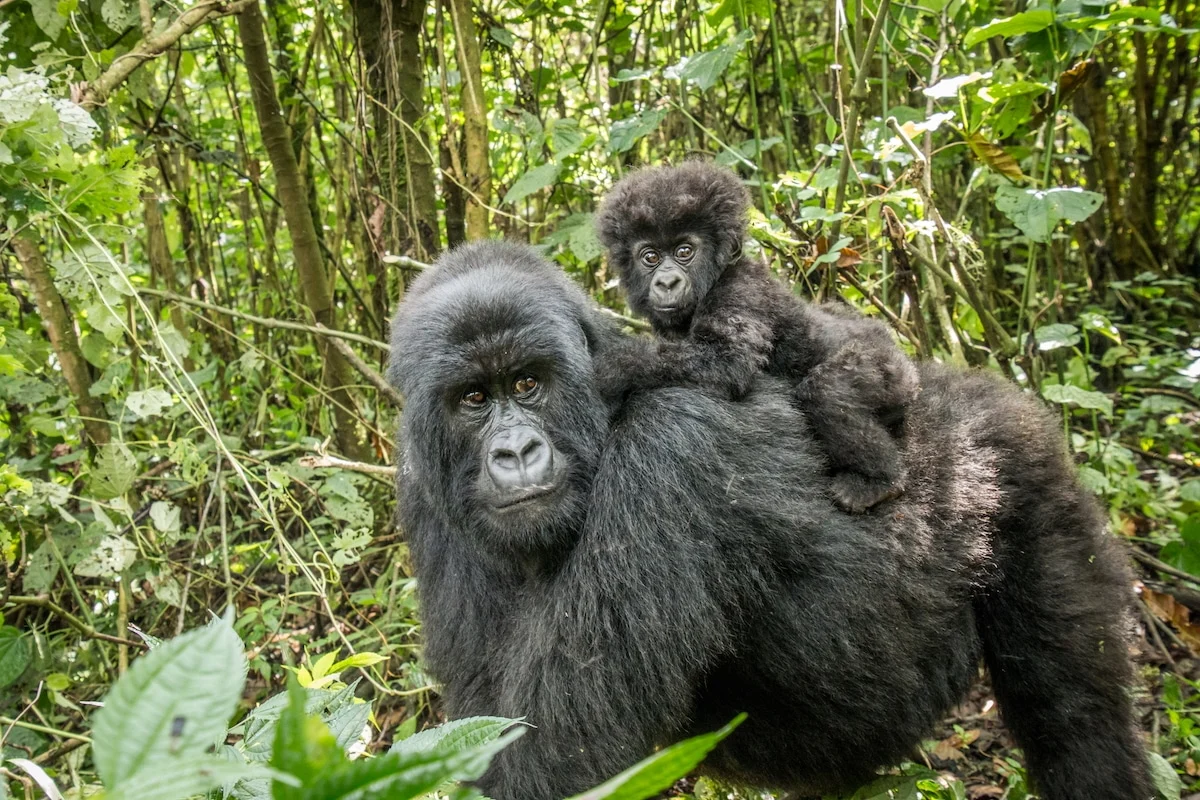
The region harbors a wealth of biodiversity that exists nowhere else on Earth. It is the primary stronghold for the mountain gorilla, the eastern lowland gorilla, and the bonobo. These great apes rely on vast, undisturbed tracts of forest to forage and breed. Furthermore, the region is a sanctuary for thousands of endemic bird and plant species, many of which are already threatened by habitat fragmentation.
The Carbon Reservoir
While the Amazon is often the focal point of global climate discussions, the Congo Basin’s peatlands are arguably even more critical. These wetlands function as a natural "vault" for carbon that has accumulated over thousands of years. Research suggests that if these peatlands are drained or disturbed for oil infrastructure, the resulting carbon emissions would be catastrophic, undermining the Paris Agreement goals and accelerating the rate of global warming.

Human Rights and Livelihoods
The threat is not limited to flora and fauna. Approximately 39 million people reside within the regions slated for auction. Many of these are Indigenous and forest-based communities whose cultural identity, spiritual life, and daily survival are inextricably linked to the health of the rivers and the forest canopy. For these populations, the arrival of the oil industry is not viewed as "economic progress," but as an existential threat to their way of life.
Official Responses and Civil Society Resistance
The government’s pursuit of fossil fuel wealth has been justified by officials as a necessary step toward economic development and poverty alleviation. However, this narrative is being fiercely challenged by those on the front lines.
Pascal Mirindi, campaign coordinator for Notre Terre Sans Pétrole (Our Land Without Oil), has been a vocal critic of the policy’s internal contradictions. "Imagine: 39 million Congolese people and 64% of our forests could be directly affected," Mirindi stated. "And all this while the government is promoting the Kivu-Kinshasa ecological corridor. Where is the logic? Where is the coherence? We are reminding our leaders that the Congolese people are the primary sovereign."
The opposition is bolstered by a coalition of local and international organizations, including the Coalition des Organisations de la Société Civile pour le Suivi des Reformes et de Action Publique (CORAP) and the Rainforest Foundation UK. Their position is clear: the 2025 licensing round must be cancelled immediately.
Implications: A Global Tipping Point
The decision to open these lands to oil companies carries profound implications for the global community.
Undermining Global Climate Commitments
The DRC’s pivot toward fossil fuels directly conflicts with the international community’s efforts to curb climate change. By prioritizing the short-term revenue of oil extraction over the long-term health of the planet, the DRC is effectively choosing a path that makes the global 1.5°C warming target significantly harder to reach.
The Crisis of Governance
The discrepancy between the government’s "green" rhetoric—seen in the promotion of the Kivu-Kinshasa corridor—and its actual policies regarding oil blocks highlights a crisis of transparency. The Forests to Frontlines report argues that without meaningful participation from civil society, environmental governance in the DRC will remain weak, leaving natural resources vulnerable to exploitation by corporate interests rather than being managed for the public good.
The Way Forward: Recommendations
The report from Earth Insight concludes with a set of urgent recommendations for the DRC government and its international partners:
- Immediate Moratorium: Cancel the 2025 licensing round and cease all future hydrocarbon expansion in ecologically sensitive areas.
- Respect for Indigenous Rights: Uphold the rights of local and Indigenous communities to free, prior, and informed consent (FPIC) regarding any industrial activity on their ancestral lands.
- Financial Alignment: Ensure that donor support and international financing are strictly tied to the DRC’s stated commitments to biodiversity and climate protection.
- Transparency and Inclusion: Guarantee that local civil society organizations are involved in the decision-making and monitoring processes, ensuring that any path toward "sustainable development" is defined by the people who live in the forest, not by those looking to extract from it.
As the international community watches, the future of the Congo Basin remains uncertain. Whether the DRC will choose to protect its status as a global climate guardian or succumb to the pressures of fossil fuel expansion remains the most critical environmental question of the decade. The stakes are nothing less than the preservation of one of the planet’s last great wild spaces and the stability of the global climate itself.