MUNICH — Artificial intelligence continues to reshape the landscape of modern medicine, moving from experimental software to frontline diagnostic utility. In the latest breakthrough from the United Kingdom, researchers have developed an advanced AI tool capable of identifying early, hidden signs of two major forms of heart disease from standard, routine electrocardiogram (ECG) readings.
Unveiled at the prestigious European Society of Cardiology annual congress in Munich, this machine-learning model was trained on millions of patient records. By parsing minute, nearly imperceptible anomalies in the heart’s electrical signals, the tool opens up unprecedented pathways for early detection, potentially transforming how healthcare systems triage and treat cardiovascular diseases worldwide.
Main Facts: The Breakthrough and Its Mechanics
For decades, the standard 12-lead electrocardiogram (ECG) has been a foundational tool in clinical medicine. It measures the natural electrical impulses generated by the heart with every beat, effectively tracking heart rhythm and helping clinicians assess the immediate risk of heart attacks or arrhythmias.
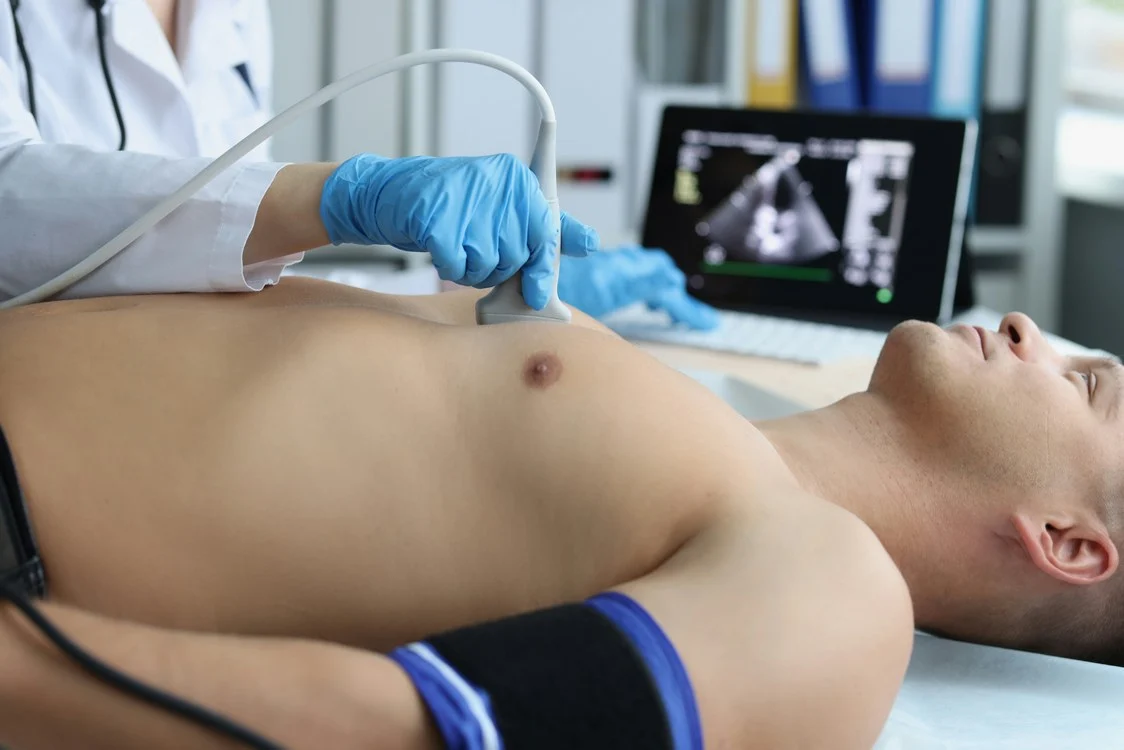
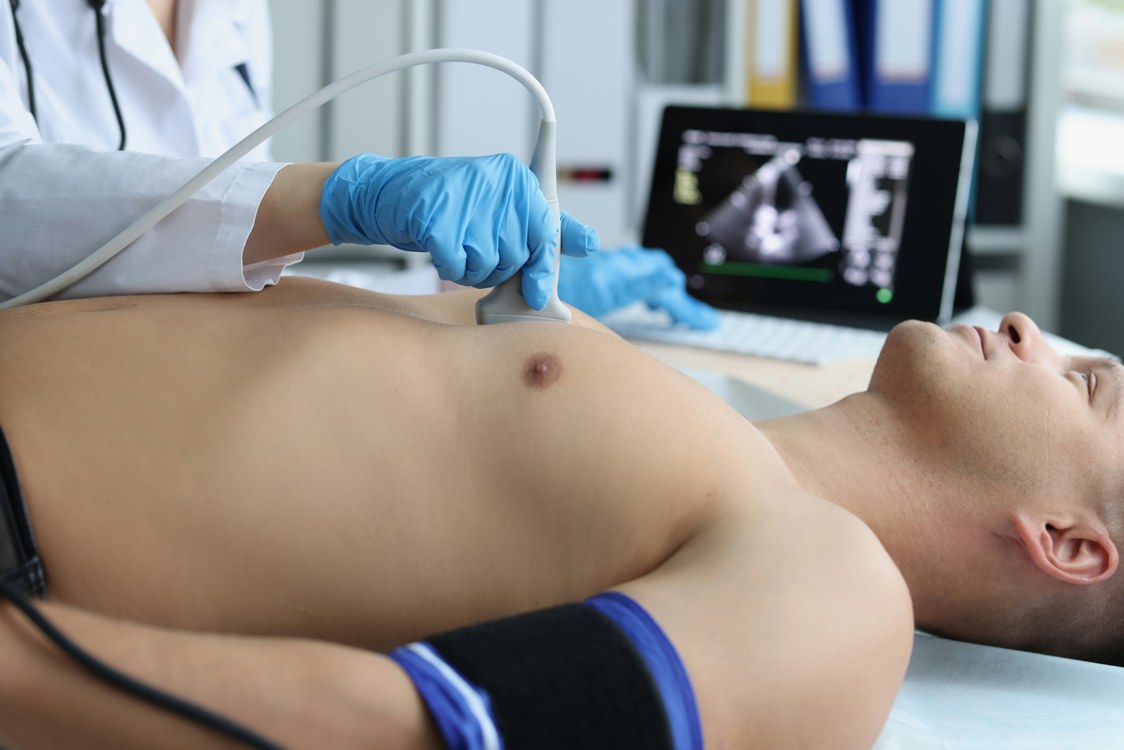
However, despite its ubiquity—with roughly one billion ECGs ordered globally every year—the traditional ECG has a notable limitation: it cannot directly diagnose structural heart disease. For that, physicians must traditionally rely on an echocardiogram, an ultrasound imaging procedure that visualizes the heart valves and chambers. Unfortunately, due to high demand and strained healthcare resources, patients frequently face waiting lists lasting weeks or even months for an ultrasound appointment.
The newly developed AI diagnostic tool bridges this critical gap. By analyzing the electrical waveform data of routine ECGs, the algorithm can instantly flag subtle markers associated with two of the most prevalent and dangerous cardiovascular conditions:
Heart Failure: A chronic condition where the heart muscle is unable to pump blood efficiently enough to meet the body’s needs.
Heart Valve Disease: Damage or defects in one or more of the heart’s four valves, disrupting normal blood flow.
Crucially, these conditions often develop silently. For many patients, the very first outwardly visible symptom of undiagnosed heart failure is a catastrophic cardiac arrest or sudden cardiac death. By spotting these dangers long before physical symptoms emerge, the AI offers a vital window for early medical intervention.
Chronology: From Concept to Clinical Validation
The journey toward integrating machine learning into electrocardiography represents years of interdisciplinary collaboration between data scientists, cardiologists, and clinical researchers.
The Training Phase: Engineers trained the deep-learning model on massive historical datasets comprising millions of patient records. By exposing the algorithm to diverse electrical patterns linked to confirmed diagnoses, the AI learned to recognize minute micro-fluctuations in the ECG waveforms that human eyes—even those of experienced specialists—routinely miss.
The US Clinical Trial: To test its efficacy in real-world settings, the model underwent a large-scale evaluation involving 67,000 patients across the United States. Researchers ran historical ECG data from these patients through the algorithm to measure its diagnostic accuracy against known medical outcomes.
The Results: The trial demonstrated staggering precision. The AI successfully detected 81% of heart failure cases and 90% of heart valve disease cases from standard ECGs alone.
The European Debut: Following the success of the US trials, researchers presented the comprehensive findings at the European Society of Cardiology congress in Munich, drawing international acclaim and sparking widespread discussions regarding its implementation in global healthcare systems.
Supporting Data and Operational Impact
The integration of artificial intelligence into routine diagnostics addresses one of the most stubborn bottlenecks in modern medicine: triage and resource allocation.
Cardiologists emphasize that a positive flag from the AI tool does not serve as an absolute, standalone diagnosis of an impending heart attack. Instead, it acts as a high-fidelity "red flag" that allows healthcare providers to fast-track vulnerable patients.
The Waiting List Crisis
In major healthcare systems, including the UK’s National Health Service (NHS) and systems across North America and Europe, waiting times for echocardiograms can be extensive. Professor Fu Siong Ng, a prominent professor of cardiology at Imperial College London who was actively involved in the study, highlighted this operational hurdle:
"Patients can often wait several months for a heart ultrasound scan after being referred for one by their doctor. This makes it exciting that our technology could identify patients most at risk of heart failure and heart valve disease, so they could be prioritized for scans faster and more urgently."
Opportunistic Screening
Another transformative aspect of the AI tool is its capacity for "opportunistic screening." Patients frequently undergo ECGs for entirely unrelated reasons—such as pre-operative assessments, routine physicals, or checks for localized chest discomfort of non-cardiac origin.
According to Professor Ng, the AI can seamlessly analyze these routine recordings in the background. Without requiring an extra doctor’s visit, specialized equipment, or additional patient burden, the algorithm can flag underlying heart disease out of datasets where no cardiac pathology was initially suspected.
Official Responses and Expert Perspectives
The medical community has responded to the breakthrough with a mix of scientific optimism and pragmatic caution. Funding for the trial was spearheaded by the British Heart Foundation (BHF), whose clinical leadership has underscored the life-saving potential of the technology.
Dr. Sonya Babu-Narayan, a consultant cardiologist and clinical director of the BHF, emphasized the direct link between timing and survival rates in cardiovascular medicine:
"When it comes to the heart, earlier diagnosis and treatment saves and improves lives. Technology like the AI ECG in this research, which has the potential to identify high-risk patients early, will not detect everyone with a heart condition. But it could be a solution to help fast-track the patients who are most likely to have a heart abnormality."
Experts also point out that the implementation of this AI model aligns with a broader paradigm shift in healthcare: moving away from reactive medicine—where treatment begins only after a crisis occurs—toward proactive, predictive medicine. By utilizing algorithms that run locally or via secure cloud infrastructure, hospitals could theoretically screen entire patient populations with minimal expenditure on new hardware, relying entirely on existing digital ECG infrastructure.
Implications for the Future of Global Healthcare
The successful deployment of an ECG-analyzing AI tool carries profound implications for clinical practice, health economics, and patient longevity.
1. Relief for Overburdened Healthcare Systems
By optimizing the referral pipeline for echocardiograms, hospitals can ensure that expensive ultrasound machinery and the limited time of specialized sonographers are directed toward patients who need them most. This reduces diagnostic backlogs and flattens the curve of emergency room admissions caused by acute heart failure episodes.
2. Democratization of Advanced Diagnostics
Access to top-tier specialist care is not uniformly distributed. Rural clinics and underfunded community hospitals often lack specialized cardiologists on staff. An AI tool integrated into standard digital ECG machines acts as an intelligent assistant, effectively giving rural physicians the diagnostic superpower to catch complex structural heart diseases that would otherwise go unnoticed until a severe medical event occurred.
3. Broadening the AI Healthcare Wave
This cardiovascular breakthrough arrives amid a wave of medical AI innovations. In recent months, researchers and young innovators alike have demonstrated the vast potential of machine learning across diverse fields:
Oncology: Massive studies have shown that AI screening can identify signs of breast cancer years before traditional clinical diagnosis. Similarly, student-led app developments have streamlined early detection for oral cancers.
General Practice: AI models are increasingly being deployed to scan routine blood panels, retinal images, and dermatological scans, reducing human error and accelerating treatment timelines across the board.
Conclusion
As health authorities look toward the phased integration of the AI ECG tool into mainstream clinical pathways, the future of cardiology looks increasingly data-driven. While machines will not replace the compassionate care and complex decision-making of human physicians, they are proving to be indispensable allies. By listening to the silent electrical whispers of the heart, artificial intelligence is giving millions of patients the greatest gift of all: time.