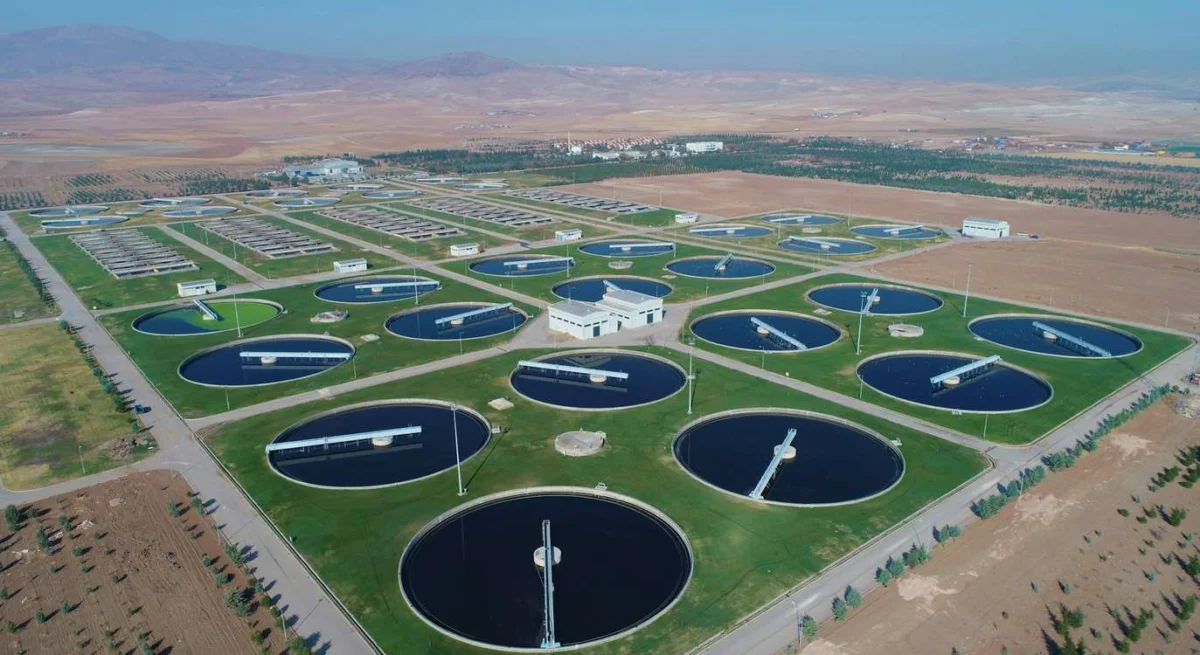
In a world increasingly gripped by the dual pressures of climate change and rapid population growth, the quest for a sustainable, cost-effective source of drinking water has become the defining scientific challenge of the 21st century. For decades, the global community has relied on energy-intensive desalination processes that remain prohibitively expensive for all but the wealthiest nations. However, a groundbreaking development from a collaborative team of materials scientists in China may have finally tipped the scales, introducing a solar-powered device capable of producing freshwater at a cost-point lower than commercial bottled water.
The Breakthrough: Innovation at the Nanoscale
The research, conducted by a team from the Institute of Process Engineering (IPE) at the Chinese Academy of Sciences and Shenzhen University, centers on a novel structural design that addresses the historic "Achilles’ heel" of solar-thermal desalination: material durability and energy efficiency.
Traditional solar-driven evaporation systems have long been plagued by mechanical failures. Solar-absorbing powders, often used to maximize heat, frequently clumped together like wet flour, while the organic polymers designed to house them proved brittle, cracking under prolonged exposure to harsh UV radiation and salt crystallization.
The Chinese research team, however, drew inspiration from a surprising source: the humble shirt button. By engineering nanoparticle spheres that could be threaded together with specialized polymers—much like yarn woven through a button’s eyelets—the scientists created a robust, interconnected mesh. This "nanoscale weave" is not only highly durable but also remarkably efficient.
The structure consists of billions of these microspheres, which work in tandem to reflect incoming sunlight back into the system. This internal reflection boosts solar-thermal absorption to an impressive 90.2%, ensuring that the heat channeled into the seawater is sufficient to drive rapid evaporation while utilizing 47.5% less energy than conventional methods.
Chronology of a Water Revolution
The path to this innovation follows years of iterative design and rigorous field testing.
- Early Research Phase: Recognizing that membrane-based reverse osmosis (RO) was fundamentally limited by its reliance on high-pressure pumps and massive energy consumption, the IPE team pivoted toward passive solar evaporation.
- The Prototyping Stage: The researchers spent two years refining the polymer-nanosphere composite. Early iterations struggled with salt buildup (fouling), which blocked evaporation surfaces. The "button-weave" design successfully mitigated this by creating a self-cleaning surface tension that allowed for continuous operation.
- The Year-Long Field Test: Throughout 2025 and into 2026, the device was deployed in a real-world coastal environment. The system produced a steady output of 5.3 gallons of WHO-grade drinking water every single day.
- Agricultural Integration: To test the viability of the water, the team utilized the output to irrigate a 50-square-foot experimental plot. The garden, which thrived year-round, produced a consistent harvest of bok choi, beans, and corn, proving that the desalination system was capable of supporting life-sustaining agriculture.
- Current Status: Following the success of the year-long trial, the researchers are currently optimizing the condensation efficiency of the device and seeking manufacturing partners to scale the technology for broader commercial and humanitarian deployment.
Supporting Data and Economic Implications
The economic potential of this technology cannot be overstated. Current reverse osmosis plants are technological marvels, but they are tethered to the electrical grid. In the Persian Gulf, where approximately 400 desalination plants line the shore, the reliance on these energy-hungry facilities has created a geopolitical bottleneck. As witnessed in recent regional conflicts, the vulnerability of these plants to attack or sabotage creates immediate, catastrophic threats to the drinking water supplies of entire nations.
By contrast, the solar-powered modular approach developed by the Chinese scientists offers a decentralized alternative.
Economic Comparison:
- Energy Efficiency: The system uses 47.5% less energy than standard membrane desalination, as it relies on passive solar heat rather than electricity-driven pumps.
- Cost Projection: Based on their current testing, the team projects that after a two-year amortization period, the cost of the water produced by this device will be lower than the wholesale cost of producing and packaging bottled water.
- Output Consistency: The device produced 5.3 gallons of water daily, regardless of minor fluctuations in weather, due to the high solar-thermal capacity of the nanoparticle mesh.
The implications for "water-scarce" regions—islands, remote coastal villages, and arid nations—are profound. By removing the need for a massive, centralized power grid, this technology could empower communities to achieve water sovereignty.
Official Perspectives and Expert Analysis
The scientific community has reacted with cautious optimism to the published findings. While many solar-desalination projects have been announced over the last decade, few have survived the transition from a laboratory bench to a year-long outdoor deployment.
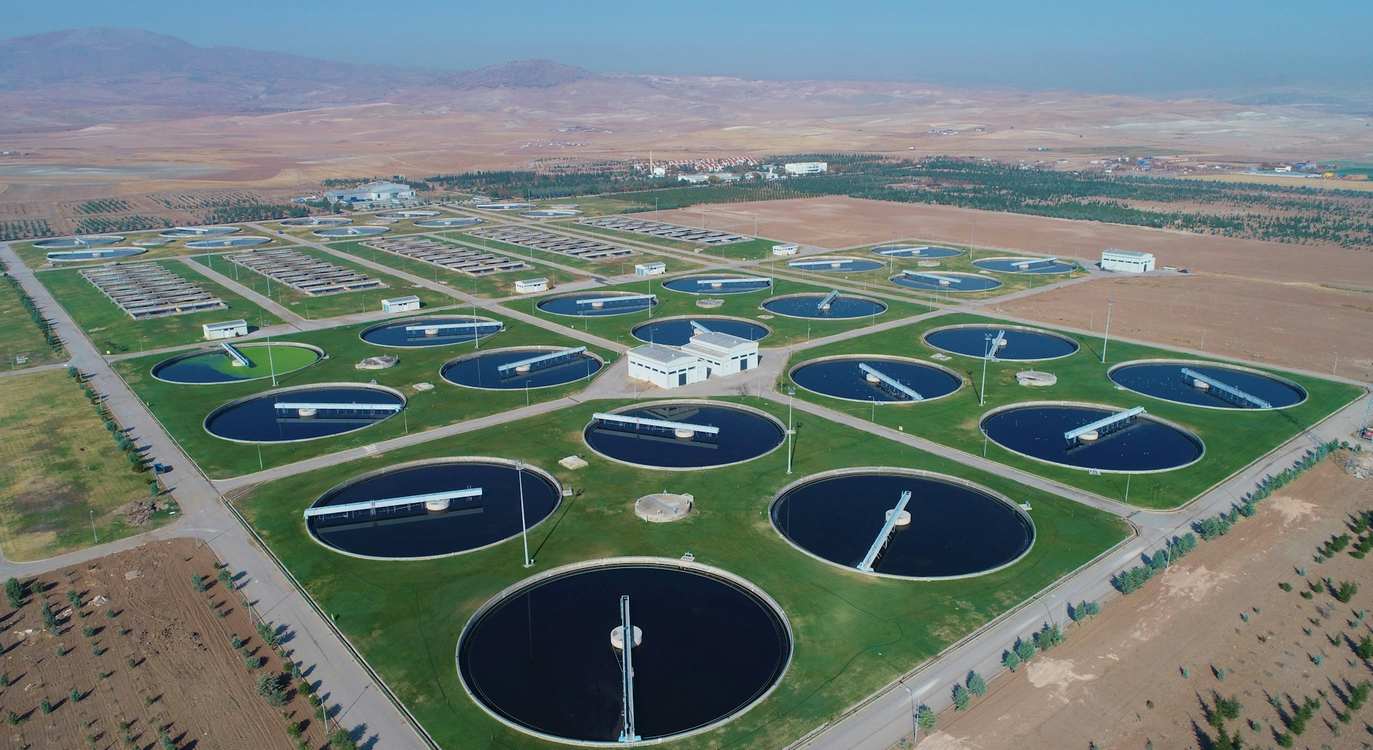
In a recent report by the South China Morning Post, lead researchers emphasized that their primary focus has now shifted toward condensation efficiency. "The team is now working to improve condensation efficiency and reduce system costs," the report noted. "The aim is to scale up the technology for use in water-scarce coastal areas, islands, and remote regions."
Environmental engineers have noted that the "durability" aspect of the IPE team’s discovery is the true game-changer. "Many previous prototypes failed because they couldn’t withstand the harsh, corrosive nature of seawater over time," said Dr. Elena Vance, an independent water security consultant. "If they have truly solved the polymer-cracking issue, this represents a major leap toward a scalable, ‘set-it-and-forget-it’ water solution."
Global Implications: A Paradigm Shift in Resource Management
The broader implications of this technology reach far beyond the immediate benefit of clean water. Historically, the control of water resources has been a primary driver of geopolitical tension. The "desalination race" has often been won by nations with high fossil fuel reserves, as they were the only ones capable of subsidizing the massive energy costs of the RO process.
If desalination can be democratized—made cheaper, portable, and solar-powered—it could fundamentally alter the balance of power in arid regions. The ability to irrigate small-to-medium plots of land in desert environments could revitalize local food security, reducing dependence on imports and stabilizing local economies.
Furthermore, the environmental footprint of this new technology is significantly lower than current industrial methods. Reverse osmosis produces "brine"—a toxic, salty byproduct that is often pumped back into the ocean, damaging local marine ecosystems. While the new solar method also produces brine, the smaller, decentralized nature of these devices allows for more localized management and potentially less concentrated ecological impact.
Future Outlook: Scaling the Solution
As the world continues to grapple with the realities of a warming climate, the "button-weave" technology stands as a beacon of what is possible when material science meets urgent humanitarian need. The IPE team is now moving toward the next phase: industrial scaling.
They are exploring partnerships with non-governmental organizations and regional governments in Southeast Asia and Africa, where the need for decentralized water purification is most acute. The goal is to move from a 5-gallon-per-day prototype to modular arrays capable of supporting entire villages.
While challenges remain—particularly in ensuring that the manufacturing of these nanomaterials remains environmentally sustainable—the success of the year-long trial offers a rare and welcome glimmer of hope. In the ongoing battle against global water scarcity, science has provided a new weapon: a simple, durable, and remarkably efficient weave that may one day ensure that no human being is forced to live without access to fresh, clean water.
As the research matures, the world will be watching to see if this "button-tech" can truly scale to meet the needs of billions. If the data holds, we may be witnessing the beginning of the end for the global water crisis.