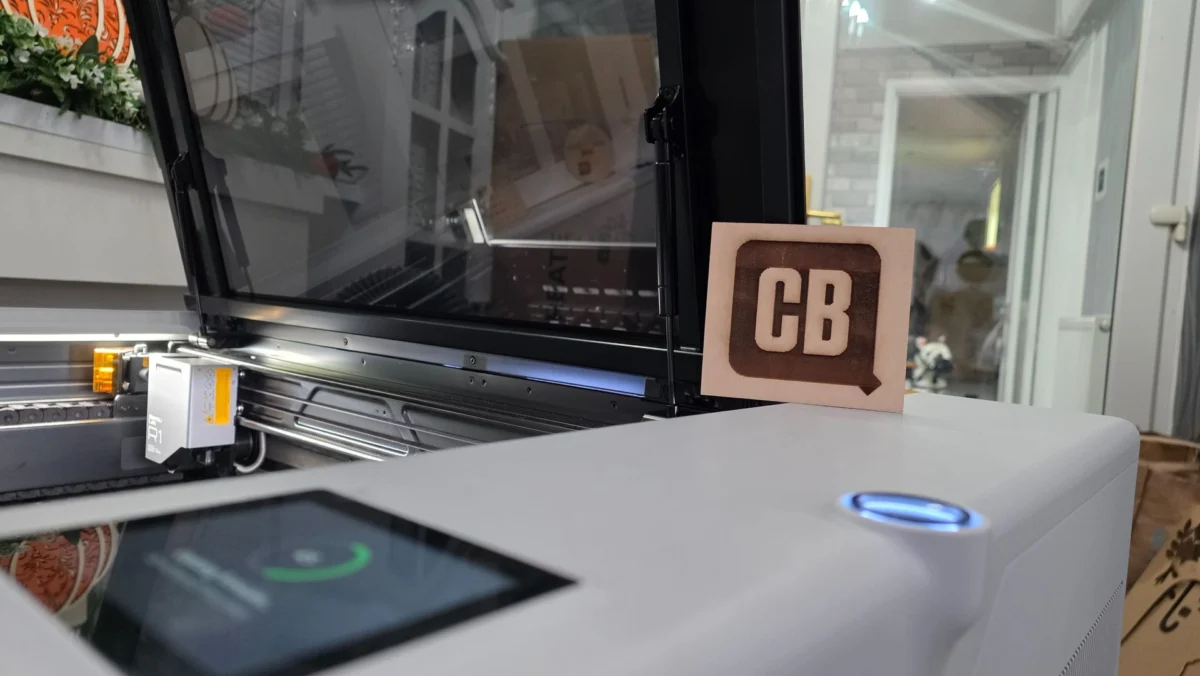
For the past five years, the name "Bambu Lab" has been synonymous with the democratization of high-speed, reliable 3D printing. Having successfully disrupted the additive manufacturing space with its flagship printer lines, the company has officially signaled its intent to conquer a new vertical: laser cutting.
With the announcement of the R1, a 55-watt CO2 laser cutter, Bambu Lab has stepped outside its 3D printing ecosystem for the very first time. By entering the territory long dominated by established players like xTool and Glowforge, Bambu Lab is bringing its signature "it-just-works" philosophy to the world of subtractive manufacturing.
The Core Specs: Power and Precision
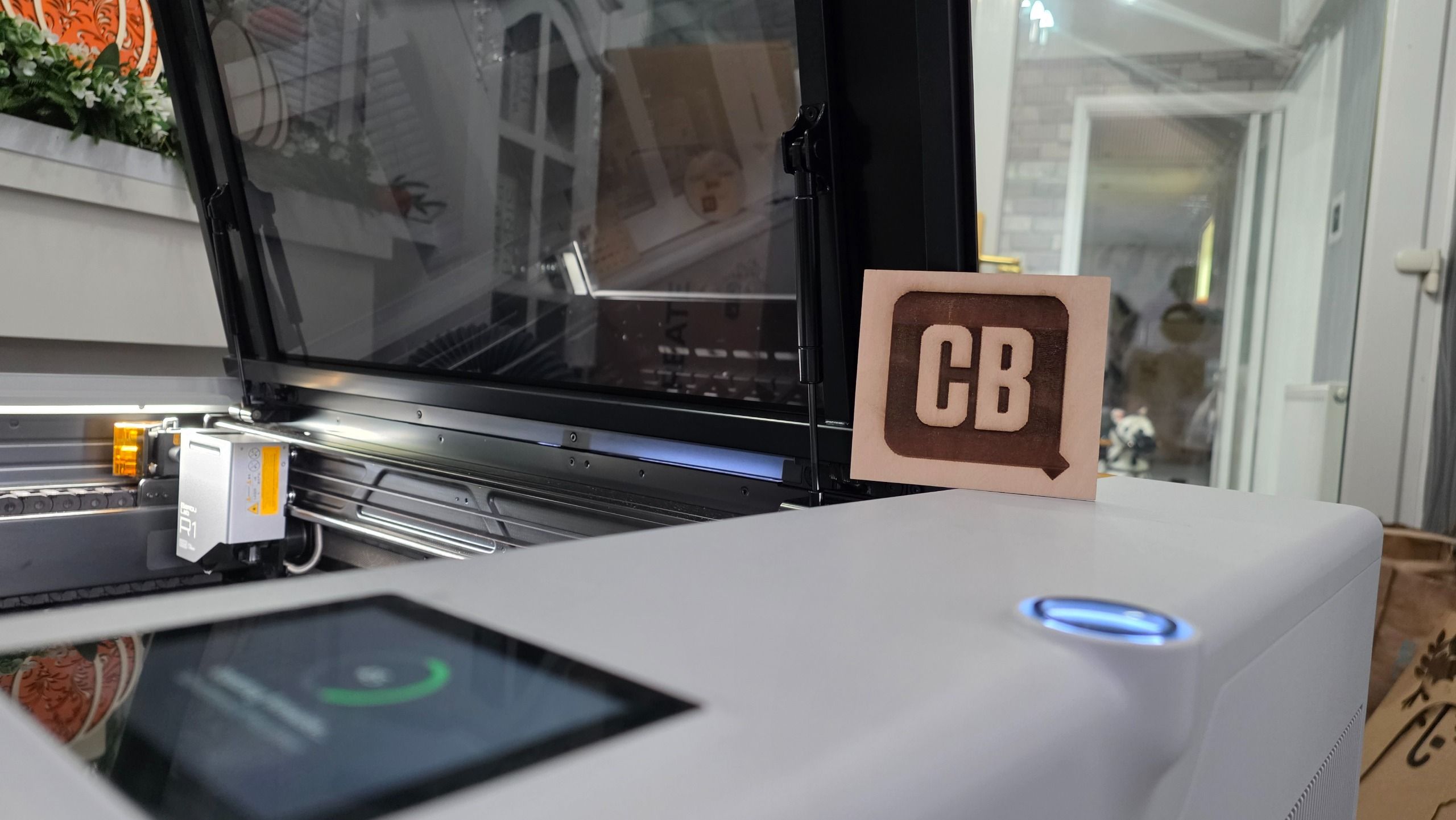
The Bambu Lab R1 is a 55-watt CO2 laser unit designed to bridge the gap between hobbyist-grade desktop machines and professional-grade industrial cutters. Priced at $2,499.00 (£2,249.00 / €2,499.00 / AU$3,849.00), the R1 is positioned as a competitive mid-range powerhouse.
While the "chonky" footprint of the machine is noticeable, it is engineered for spatial efficiency. Bambu Lab claims that the R1 offers the same working area—600 x 300 mm—as typical CO2 lasers while occupying approximately 30% less desk space. It is a versatile tool capable of handling a wide spectrum of materials, including wood, clear acrylic, leather, paper, and fabric, while also boasting the ability to engrave glass, stone, and various coated metals.
Chronology of a Disruption
Bambu Lab’s pivot into laser technology did not happen overnight. The company has been incrementally testing the waters for over a year through its H-series 3D printers.
- 2023-2024: The integration of modular laser-cutting and knife-cutting capabilities into the Bambu Lab H2S served as a strategic proof-of-concept. Users of the H2S were exposed to the company’s software interface and workflow, which mirrored the logic of their 3D printing software.
- Late 2024: After successful beta testing, the company officially unveiled the R1 as a standalone product.
- October 2024: Shipping is scheduled to commence, marking the first time a non-3D printer product from the company hits the consumer market.
Innovation: The TriSense System
The most significant barrier to entry for CO2 laser users has historically been the "maintenance burden." Traditional CO2 lasers often require users to manually align mirrors—a process involving thermal paper, trial-and-error, and mechanical frustration.
The R1 solves this with its proprietary TriSense System. This auto-alignment technology allows the machine to calibrate its own optical path. With a single click, the laser detects the material placement, calculates surface height, and maps the tool head path automatically. For the average maker, this removes the single most intimidating hurdle of laser ownership, effectively turning a professional-grade task into a push-button operation.
Software Ecosystem: Bambu Suite
In a strategic move to maintain user retention, the R1 utilizes the new Bambu Suite software. Fans of the brand will find the interface familiar; it mimics the UI of Bambu Studio, ensuring that the learning curve for existing customers is virtually non-existent.
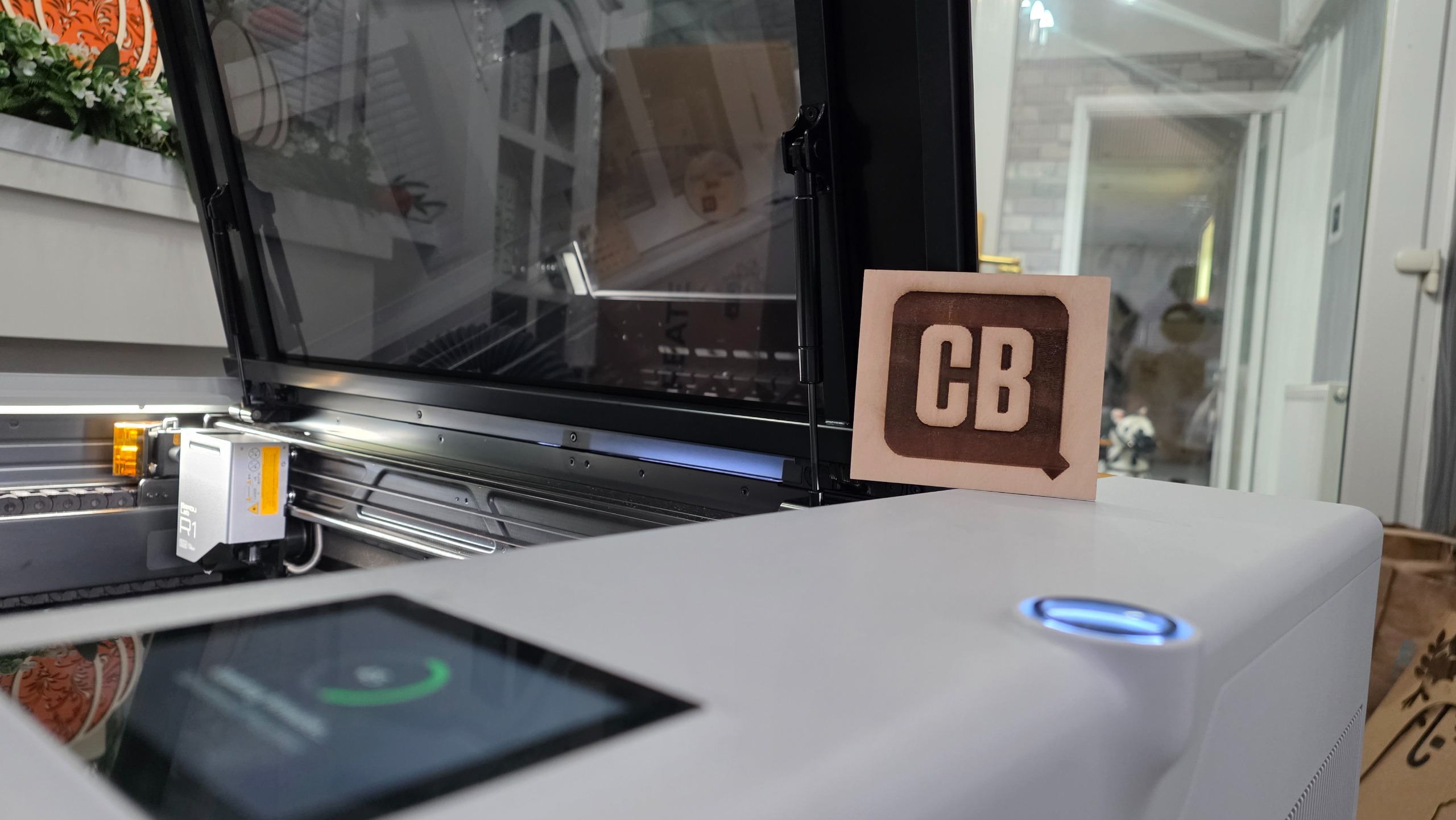
Unlike some competitors that rely on subscription-based "AI credits" or cloud-locked features, Bambu Suite is free to download and use. It includes essential creative tools, such as background removal and vector tracing, which allow users to convert raster images into cut-ready SVGs in seconds. The software is currently optimized for desktop, emphasizing the company’s focus on professional-grade output rather than mobile-first gimmicks.
Safety and Reliability: The Class 1 Standard
Safety is a paramount concern for laser cutters, especially in home workshops. The R1 is Class 1 certified, meaning it is designed to be safe for use in residential settings, including around pets and children.
Key safety features include:
- Auto-Stop: The laser beam terminates immediately if the lid is opened.
- Emergency Kill-Switch: A prominent, accessible red button for instant power-down.
- Flame Detection: An integrated sensor that monitors for fire, which can be further bolstered by the optional, sold-separately Auto Fire Extinguishing System.
Additionally, Bambu Lab introduced the Vision Encoder, an optional calibration board that monitors and corrects mechanical drift. For power users, this ensures that the precision of the laser remains consistent over thousands of hours of operation.
Implications for the Maker Space
The entry of a titan like Bambu Lab into the laser market will undoubtedly force competitors to re-evaluate their pricing and user experience strategies. With the xTool P2S launching at a significantly higher price point, the R1 offers a high-performance alternative that feels approachable to those already embedded in the "Bambu ecosystem."
However, there are trade-offs. The machine lacks a native video-recording feature within the app to monitor live progress remotely. As with all laser engravers, safety protocols dictate that the user remains in close proximity to the machine during operation, regardless of software capabilities.
Looking Ahead: The Future of the R1
While the R1 is currently in the early stages of its lifecycle, the promise of software updates suggests that material compatibility will only expand. During testing, the machine proved capable of engraving materials outside the "official" list, such as PLA, provided users adhered to safety guidelines.
For those requiring extra capacity, the R1 supports a conveyor attachment, expanding the working area for large-scale furniture production up to 3,000 mm.
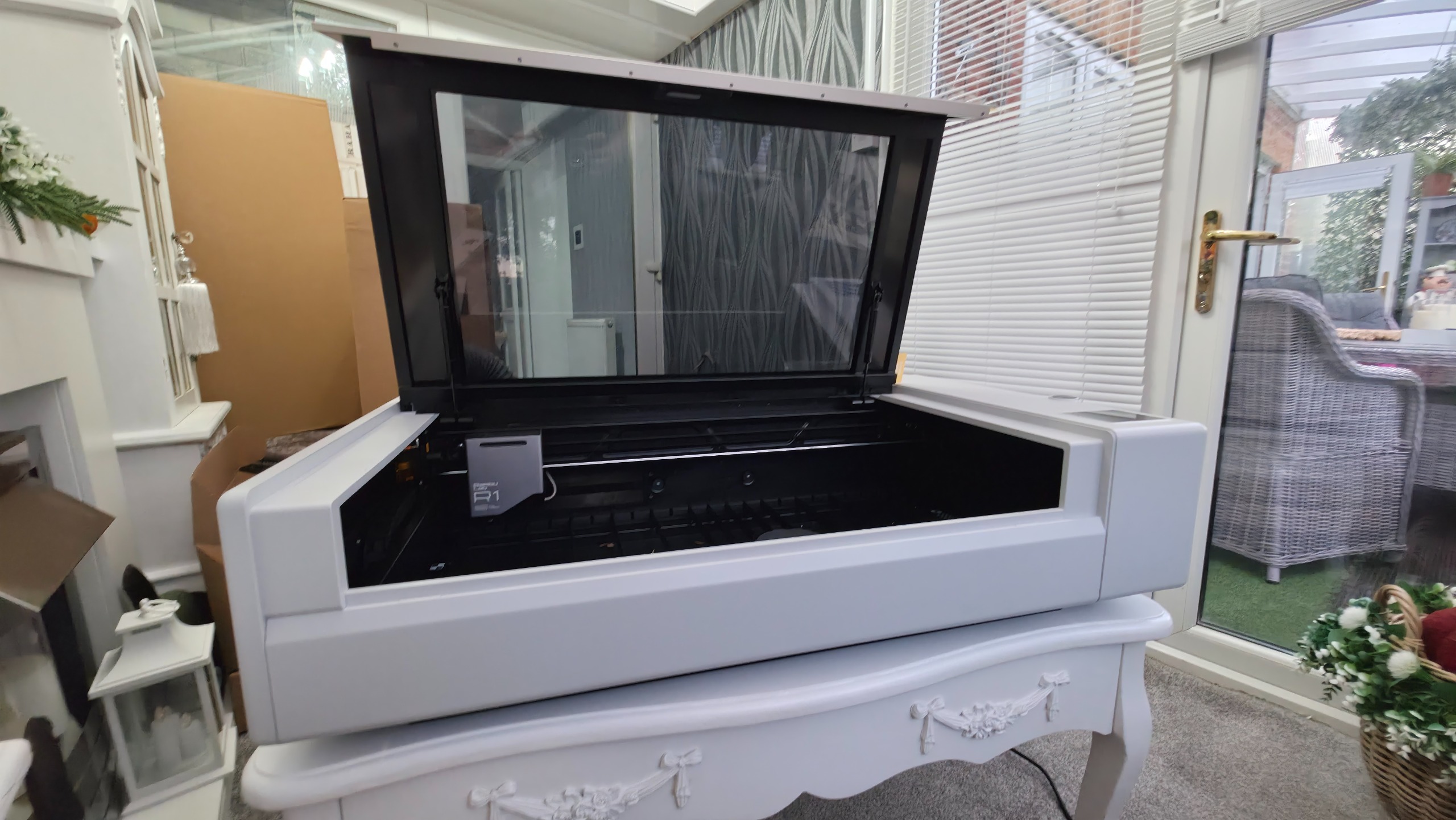
As we await a comprehensive, long-term review, the initial signs are promising. The R1 is not just a tool; it is a signal that Bambu Lab intends to become a one-stop-shop for digital fabrication. By lowering the barrier to entry for CO2 laser cutting, they are inviting a new generation of creators to explore precision manufacturing without the intimidation of legacy hardware.
Pre-orders are currently open via the official Bambu Lab website, and for those who have spent years perfecting their 3D printing workflows, the R1 looks to be the logical next step in their creative journey.
Disclaimer: This report is based on early beta testing and manufacturer specifications. Full performance benchmarks will be updated following extensive long-term stress testing.