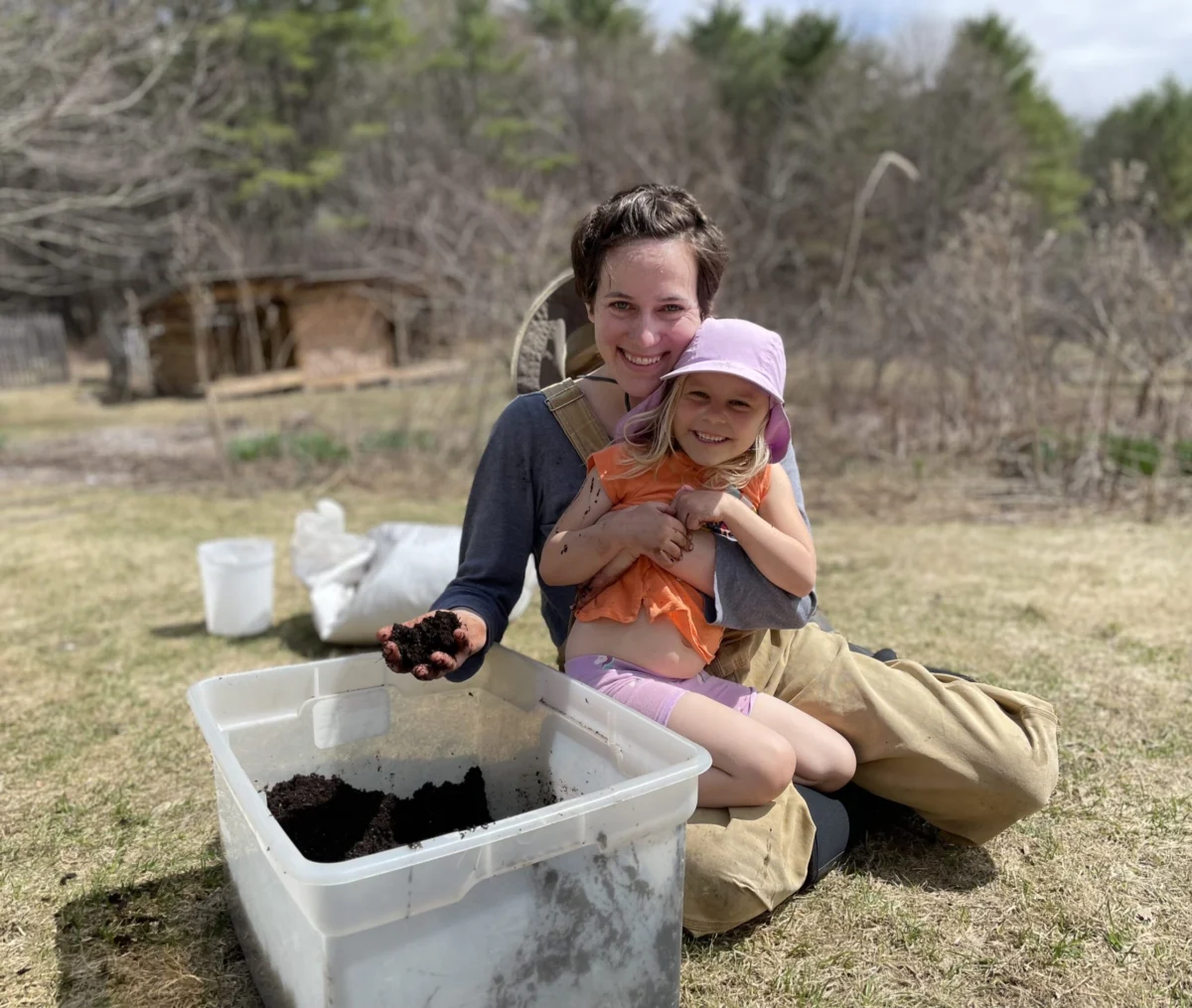
When the founders of the popular lifestyle blog Frugalwoods packed their lives into boxes and moved to a 66-acre homestead in rural Vermont in May 2016, they carried with them a dream as old as the American frontier: to leave behind the pressures of the urban rat race and become entirely self-sufficient.
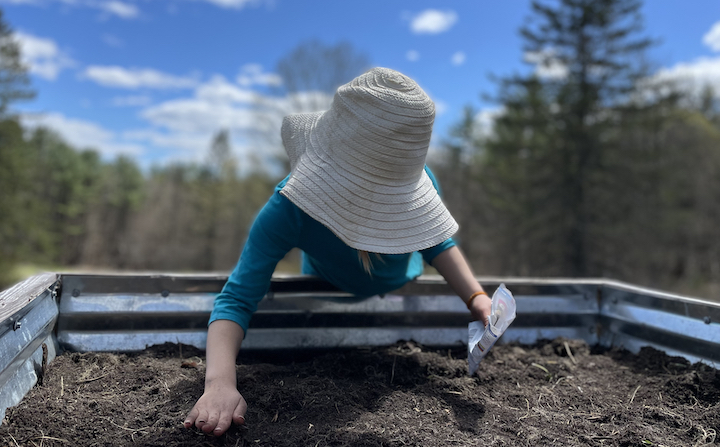
They imagined a life echoing Little House on the Prairie—without the historical hardships—where every fruit, vegetable, and jar of preserves was harvested from their own land. Seven years later, that vision has undergone a radical, pragmatic transformation. The couple has learned that while total self-sufficiency is a noble goal, it is often a full-time, soul-crushing endeavor that can strip the joy out of rural living.
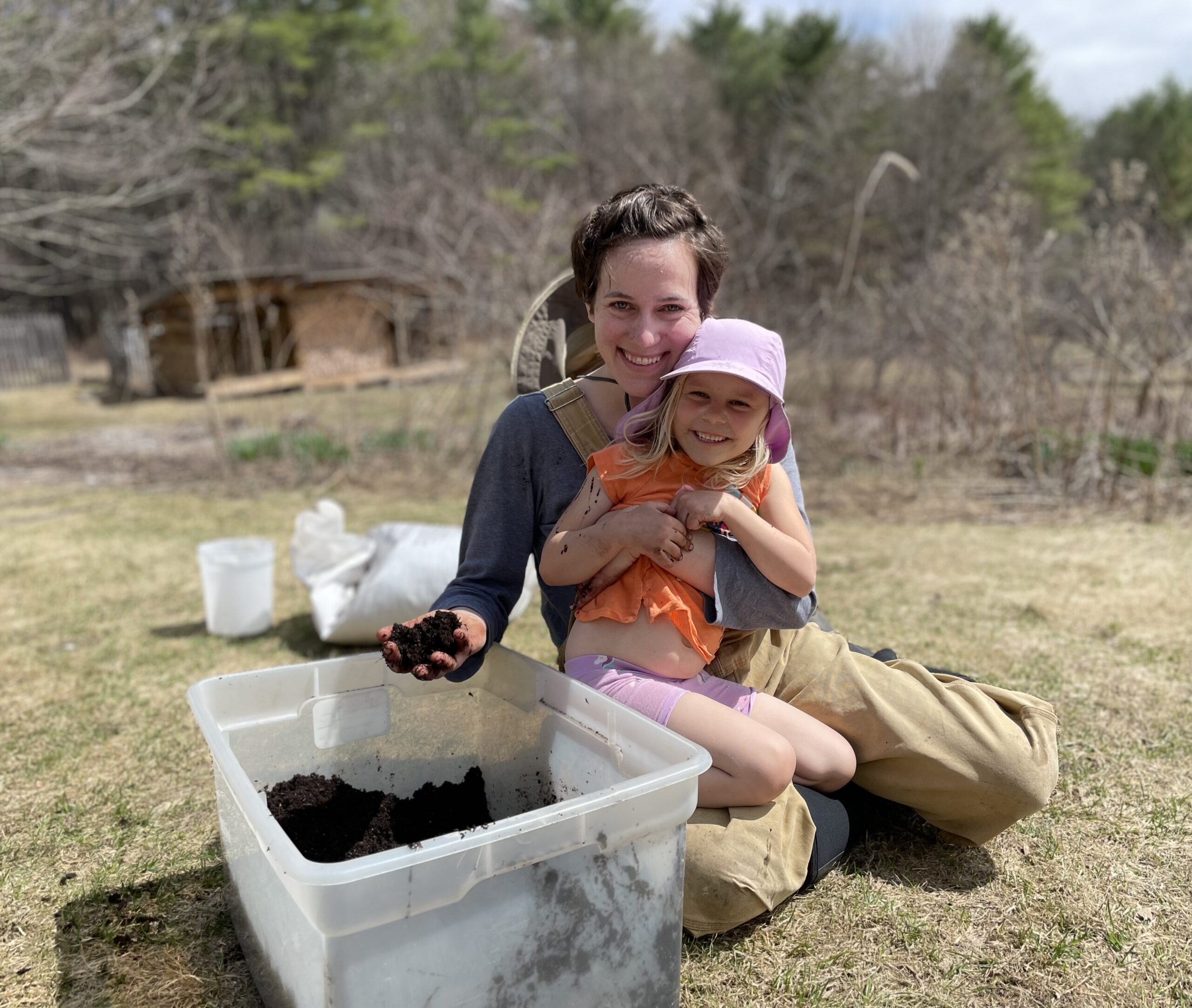
The Reality of the Homesteading Dream
The "Frugalwoods" homesteading experiment began with a gargantuan assumption: that the family would raise all their own meat, dairy, and produce. In the early days, the vision included raising chickens, pigs, and goats, and even keeping a dairy cow for home-churned butter and artisanal cheeses.

However, after nearly a decade on their Vermont property, the reality is starkly different. The primary lesson learned is that subsistence farming is not a hobby; it is an all-consuming, high-stakes profession. For those who do not wish to spend every waking hour of the summer harvest season in the dirt or at a canning station, the pursuit of total self-reliance can quickly lead to burnout.

"I’ve learned that chaining myself to my vegetable garden is really no different than chaining myself to my desk and computer," the blogger notes. For them, the purpose of moving to the country was to attain freedom, time, and space—not to replace an office boss with the demanding, time-bound pressures of an unyielding garden.

A Chronology of Lessons Learned
The evolution of their gardening philosophy was not instantaneous; it was forged through trial and error.

- 2016: The family moves to rural Vermont with the goal of complete food independence.
- 2017-2018: The early years were defined by massive infrastructure projects, such as building raised beds and clearing land. The "Kale & Chard Apocalypse of 2018" served as a turning point. In an attempt to be the ultimate homesteader, they planted 80 plants of kale and chard. The harvest was so successful—and so overwhelming—that it required a child’s plastic swimming pool just to wash the greens.
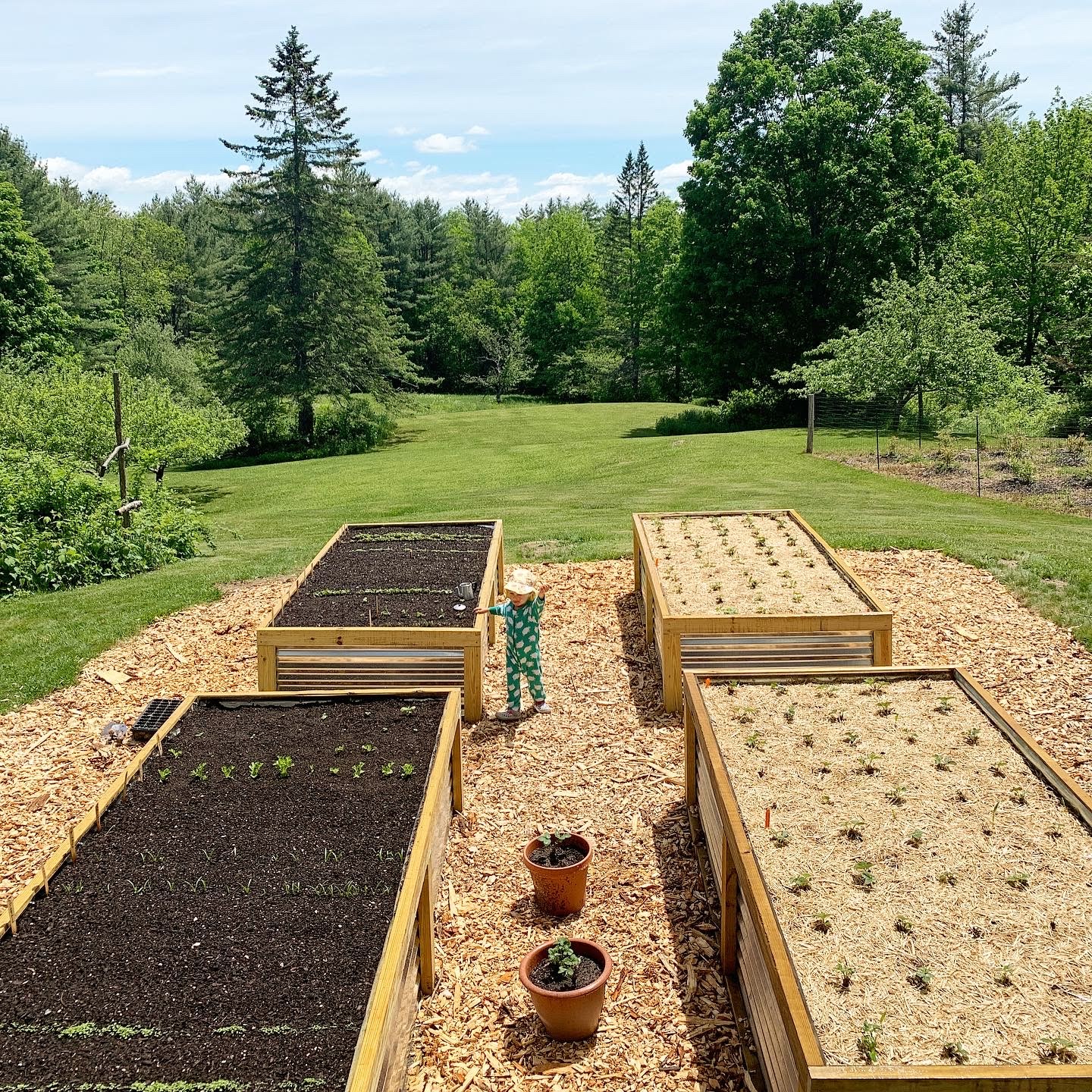
- 2019-2021: The family began scaling back. They shifted from "all-in" production to a more curated approach, focusing on raised beds near the house for convenience and a "Big" vegetable garden for annual crops.
- 2023: Nine years into the Frugalwoods project and seven years into their rural residency, the couple has embraced a "balanced" approach. They now prioritize leisure and family time, choosing to support local farmers rather than attempting to compete with them.
Supporting Data: The Logistics of Failure
The transition from a high-production mindset to a balanced one was driven by several logistical realities that often go unmentioned in idealized homesteading narratives.

1. The Perennial Lag
Fruit production is a long-term investment. Apple trees require roughly six years before they bear significant fruit, and even then, production is never guaranteed. This delay creates a "lag" in food security that makes short-term self-sufficiency impossible.

2. The "Clever Varmint Patrol" (CVP)
Nature is a harsh competitor. The family frequently deals with wildlife—what they playfully refer to as the "Clever Varmint Patrol"—that raids crops the moment they ripen. From wild turkeys getting trapped in fenced enclosures to pests claiming every single plum and cherry, the unpredictability of nature makes relying on home-grown crops for survival a risky gamble.

3. The Harvest Bottleneck
Agricultural cycles do not respect human schedules. Crops often ripen simultaneously. When an entire tree of apples or a field of tomatoes reaches maturity in a 48-hour window, the pressure to harvest and preserve immediately is immense. Without an industrial-scale kitchen or a professional team of assistants, the risk of food spoilage is high. The family has, at times, faced the heartbreak of composting thousands of pounds of hard-won produce because they lacked the time or physical capacity to process it before it turned.
Perspectives: The Shift Toward Community
Perhaps the most significant change in the couple’s perspective is their view on community and local economy. Initially, the goal was to produce everything internally. Today, they feel a sense of pride in purchasing food from neighbors who are professional, full-time farmers.

This shift acknowledges a vital economic truth: specialization is efficient. By supporting local farmers, the Frugalwoods family sustains their local economy, gains access to higher-quality produce, and frees up their own time to pursue other passions, such as hiking, local music, and spending time with their children. This is not seen as a failure of the homesteading dream, but as a maturation of it. They have moved from a mindset of "I must do it all" to "I am a part of a larger, supportive community."

Implications for Modern Homesteaders
The journey of this family offers a sobering, yet liberating, lesson for the growing number of people considering a transition to rural life. The implications of their experience can be summarized as follows:

The "Perfection Trap"
Homesteading, like any other profession, can become a source of anxiety if one attempts to meet a standard of perfection. The social media era often showcases the most polished, bountiful version of rural life, omitting the days of failed crops, wasted labor, and physical exhaustion. Acknowledging that "good enough" is a valid target allows for a healthier relationship with the land.

Prioritizing Quality of Life
The ultimate measure of success for a move to the countryside should be the quality of life it affords. If the trade-off for fresh, organic food is the loss of all leisure time, the move may fail to meet its primary objective. The Frugalwoods experience demonstrates that a homestead can serve as a sanctuary rather than a factory.

Acceptance as the Final Stage
The most crucial step for any gardener or homesteader is acceptance. Acceptance that you cannot control the weather, the local wildlife, or the biological clock of your plants. By letting go of the need to be a "perfect" homesteader, the family has rediscovered why they moved to the woods in the first place: for the joy of the environment, not the burden of the harvest.

As of 2023, the family continues to maintain their raised beds and their main vegetable patch, but with a new, flexible attitude. They teach their children the skills of planting and tending, they enjoy the fresh tomatoes and herbs, and they celebrate the small victories. If they decide to can a few quarts of applesauce, it’s a choice, not a mandate. This newfound balance serves as a blueprint for others: it is possible to live the rural dream without becoming a slave to it.