For nearly half a century, the Mobile Suit Gundam franchise has operated with a rhythmic, predictable elegance. A new anime series debuts, introducing a fresh generation of mobile suits and pilots; the fanbase eagerly collects the corresponding Gunpla model kits; and eventually, a video game adaptation invites players to step into the cockpit of those very machines to relive the story. It is a formula that has sustained one of the most successful media empires in Japanese history.
However, with the announcement of Gundam Rogue Orbit, Bandai Namco is effectively discarding this long-standing manual. In a bold, ambitious pivot toward a "connected universe" strategy—reminiscent of the cinematic scope pioneered by modern Western superhero franchises—the publisher is building an entirely new corner of the Gundam multiverse from the ground up. By developing the anime, the video game, the model kits, and the trading card game as simultaneous, interconnected pillars, Bandai Namco is shifting from adaptation to total world-building.
The Core Concept: The RG Project
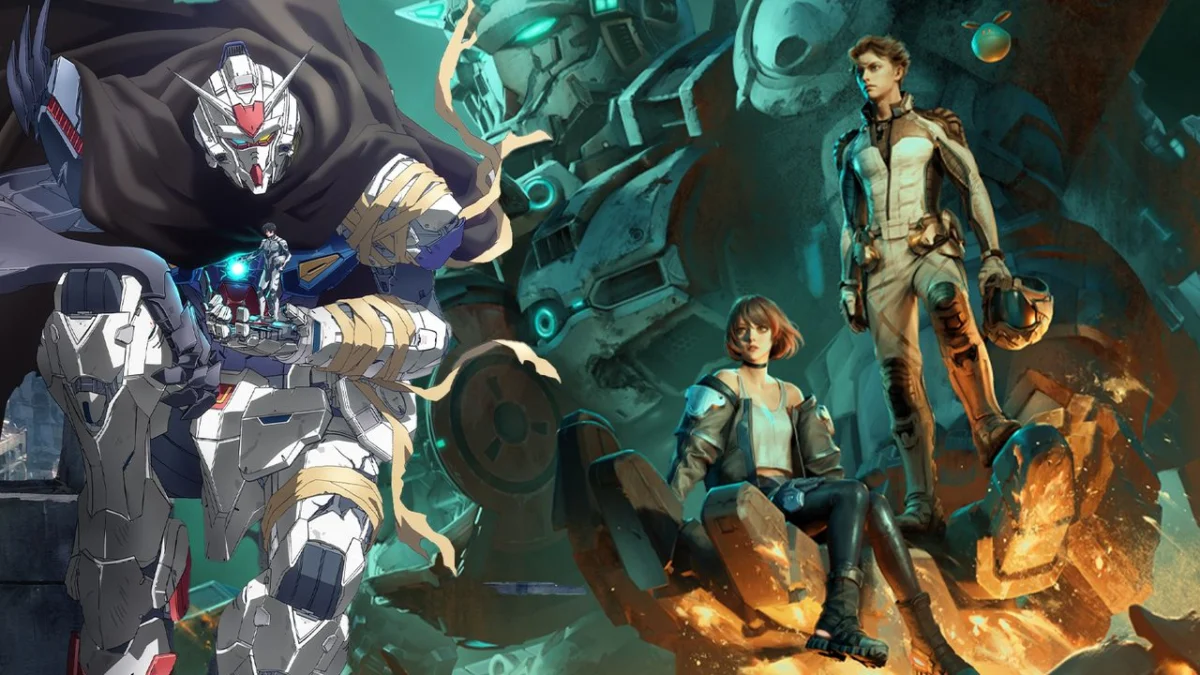
At the heart of this transformation is the "RG Project," an initiative that serves as the foundation for both the upcoming anime, Mobile Suit Gundam RG XARX-ZERO, and the video game, Gundam Rogue Orbit.
Unlike previous Gundam titles that often served as interactive retellings of existing narratives, Rogue Orbit occupies a specific, distinct space in a shared timeline. The anime is tasked with establishing the genesis of this new era, while the game acts as the high-octane successor, picking up the narrative thread to place players directly into the cockpit during humanity’s most desperate hour.
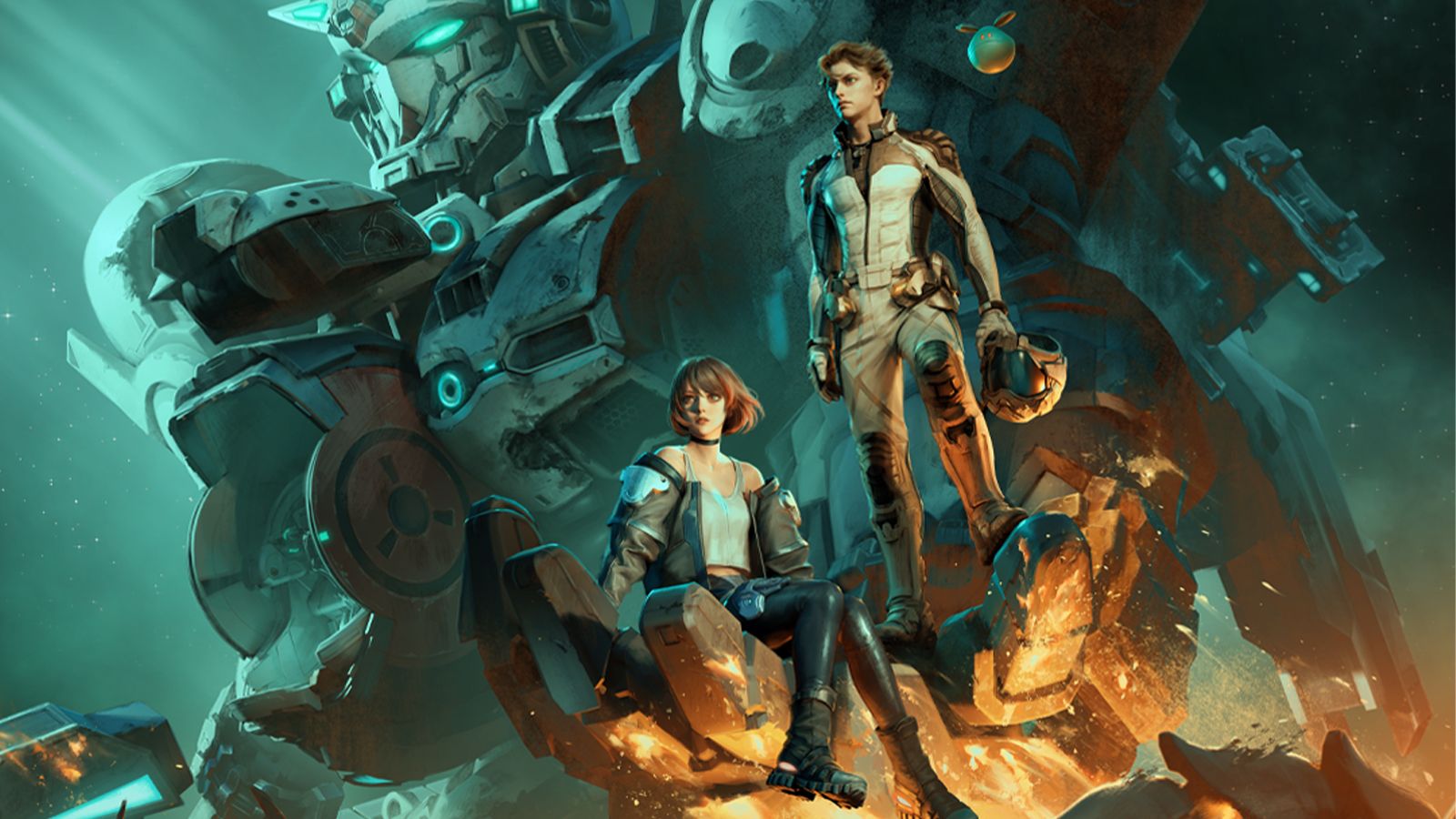
This isn’t merely cross-promotion; it is a synchronized storytelling effort. The creative heavyweights behind this vision, director Kenji Kamiyama and author Toh Enjoe, have crafted a premise that feels uniquely suited for this multi-platform approach.
A Chronology of the Apocalypse
The narrative of the RG Project centers on the arrival of a mysterious Autonomous Interstellar Object from a distant galaxy. Its arrival was, for a brief moment, the greatest gift in human history. It provided three revolutionary technological breakthroughs: advanced gravity control, instantaneous faster-than-light communication, and the enigmatic "cognitive materialisation."
For a decade, humanity experienced a golden age. The solar system was colonized, and the horizon of human potential seemed infinite. But as with all great shifts in the Gundam multiverse, the utopia was short-lived. Less than ten years after the object’s discovery, it began to emit an aggressive, self-replicating ecosystem—a parasitic force that threatened to consume humanity entirely.
This conflict, known as the "Apocalypse," forced the evacuation of Earth. The calendar was reset to reflect the trauma of the event, marking the beginning of the A.A. (After Apocalypse) era. By the time Gundam Rogue Orbit begins in A.A. 45, the population is fractured, residing primarily on the Moon and isolated space colonies. A new generation has been born that knows nothing of the "Old World," raised in the shadow of an ongoing, existential war. This setting provides the perfect backdrop for a high-stakes, action-oriented video game where the player’s survival is the only objective that matters.
The Design Challenge: Form Following Function
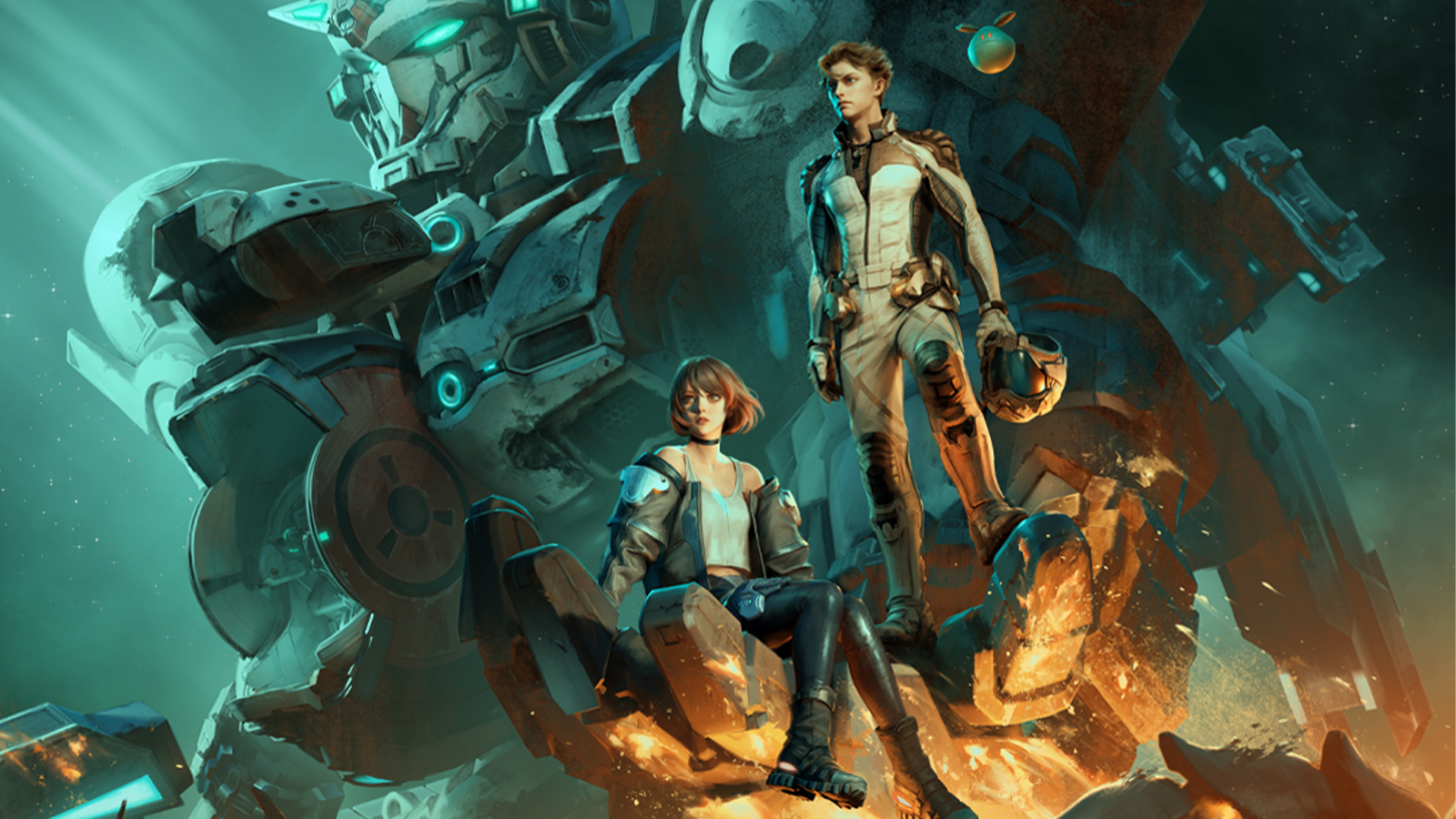
The most significant implication of the RG Project is how it changes the design philosophy behind the Gundam itself. Because the mobile suits appearing in Rogue Orbit must function across four different media formats, every design choice carries immense weight.
A mobile suit cannot just look imposing on a promotional poster. It must:
- Be Animatable: The design must be articulated and detailed enough to move fluidly in high-fidelity animation without losing its silhouette.
- Be Interactive: In a game, the suit must feel distinct to control, with weight and momentum that satisfy players.
- Be Tangible: The Gunpla model kit must be physically buildable, structurally sound, and aesthetically pleasing to hobbyists.
- Be Collectible: The suit’s design must translate into compelling, legible artwork for the Gundam trading card game.
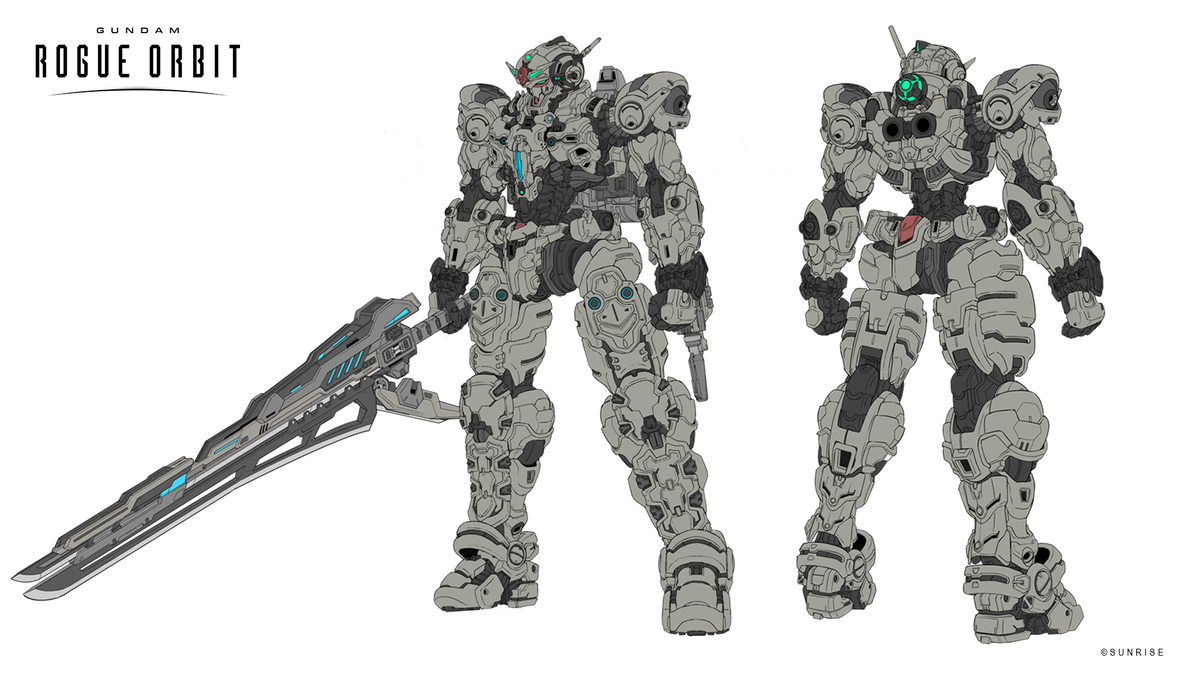
This "world-first" approach ensures that the Gundam Helix—the marquee mobile suit for the project—is more than just a character; it is a design centerpiece that anchors the entire project. By releasing the HG 1/144 Gundam Helix kit alongside the game announcement, Bandai Namco is signaling that the physical and digital experiences are meant to be enjoyed in tandem.
Industry Implications and Future Outlook
Bandai Namco’s strategy represents a fundamental shift in how large-scale intellectual properties are managed in the digital age. By moving away from the "anime-first" model, the company is attempting to make the lore of the universe accessible through whichever medium the consumer prefers.
If a fan wants to start with the card game, they will be introduced to the same characters and history as someone who watches the anime or plays the game. This creates a unified "Gundam" experience that feels more like an immersive ecosystem than a series of disparate products.
Furthermore, this move creates a "sandbox" for future creators. Once the foundational rules of the RG Project timeline are established, subsequent teams can build spin-offs or additional content within the same world with the confidence that the lore is consistent across all platforms. This reduces the risk of continuity errors and makes the brand feel more cohesive to the average consumer.
What to Expect from Gundam Rogue Orbit
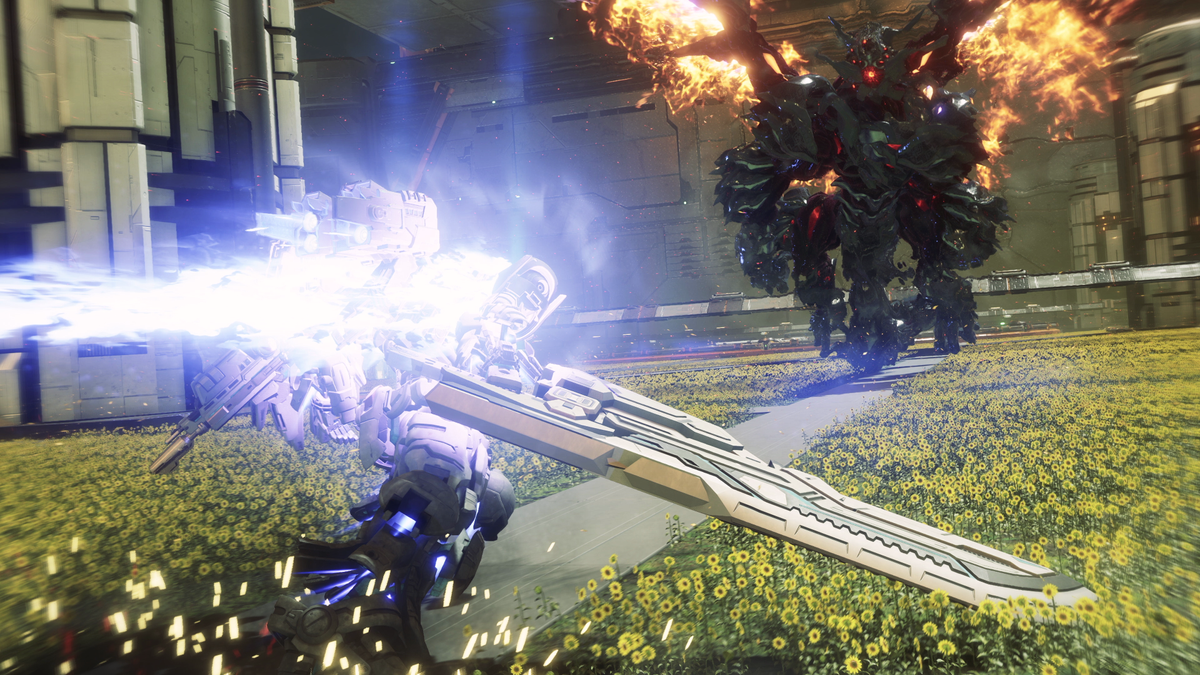
While the technical specifications of the game are still being finalized, the promise of Gundam Rogue Orbit is clear: it intends to deliver a gritty, high-stakes combat experience that reflects the desperation of the A.A. 45 setting. Players will not be fighting for glory or political ideologies, but for the fundamental survival of the human race.
The game is slated for release in 2027, launching simultaneously on PlayStation 5, Xbox Series X|S, and PC via Steam. This multi-platform release underscores the company’s intent to reach the widest possible audience, leveraging the global popularity of the Gundam brand to anchor its new, unified universe.
Conclusion: A New Frontier for Mecha
Whether Gundam Rogue Orbit succeeds as a standalone title remains to be seen. However, the broader strategy is undeniably compelling. Bandai Namco is not just releasing a new game; it is experimenting with a modern, connected storytelling model that could redefine how fans interact with the franchise.
For nearly 50 years, Gundam has been a benchmark for the anime and hobby industry. By evolving its strategy to embrace a more holistic, interconnected world-building approach, the studio is ensuring that the next 50 years of the franchise are just as impactful as the first. As we look toward 2027, the industry will be watching closely to see if the "RG Project" becomes the new gold standard for transmedia entertainment.
The pilots of the future are being prepared, the kits are being molded, and the timeline is being written. In the era of the After Apocalypse, the orbit of the Gundam franchise is shifting—and it promises to be a wild, exhilarating ride.