WASHINGTON, D.C. — As families and educators across the country prepare for the impending shift from relaxed summer schedules to structured academic calendars, the perennial challenge of classroom organization returns to the forefront. To combat the back-to-school scramble, lifestyle and organization platforms have officially relaunched one of their most sought-after seasonal resources: comprehensive, downloadable student binder kits.
Designed to bridge the gap between chaotic syllabus distribution and long-term academic success, these comprehensive packets provide a systematic approach to time management, grade monitoring, and project execution. With thousands of students from middle school to university lecture halls facing increasingly rigorous workloads, the release of these customizable digital tools offers a timely antidote to academic overwhelm.
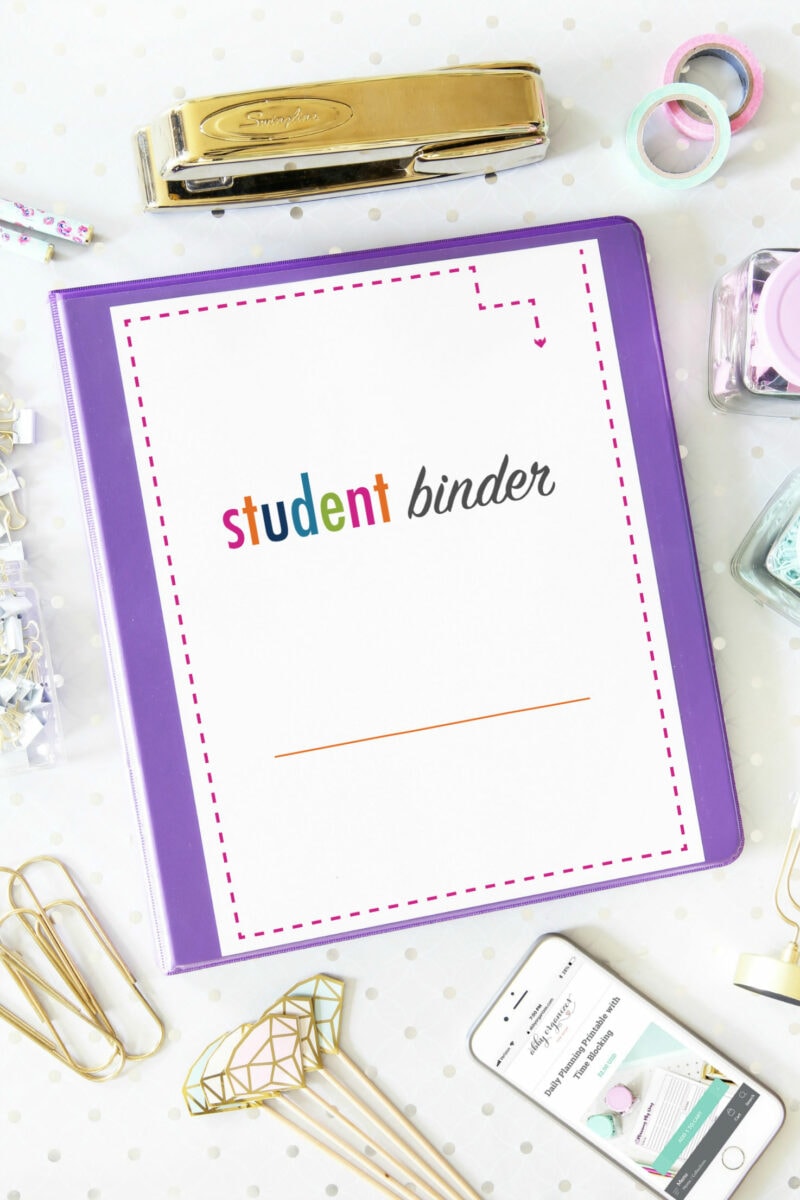
Main Facts: What the New Student Binder System Offers
The newly updated student binder framework is engineered to serve as a centralized command center for academic life. Moving far beyond basic lined paper, the system integrates holistic life-planning tools with rigorous classroom trackers.

Key structural components of the printable kit include:

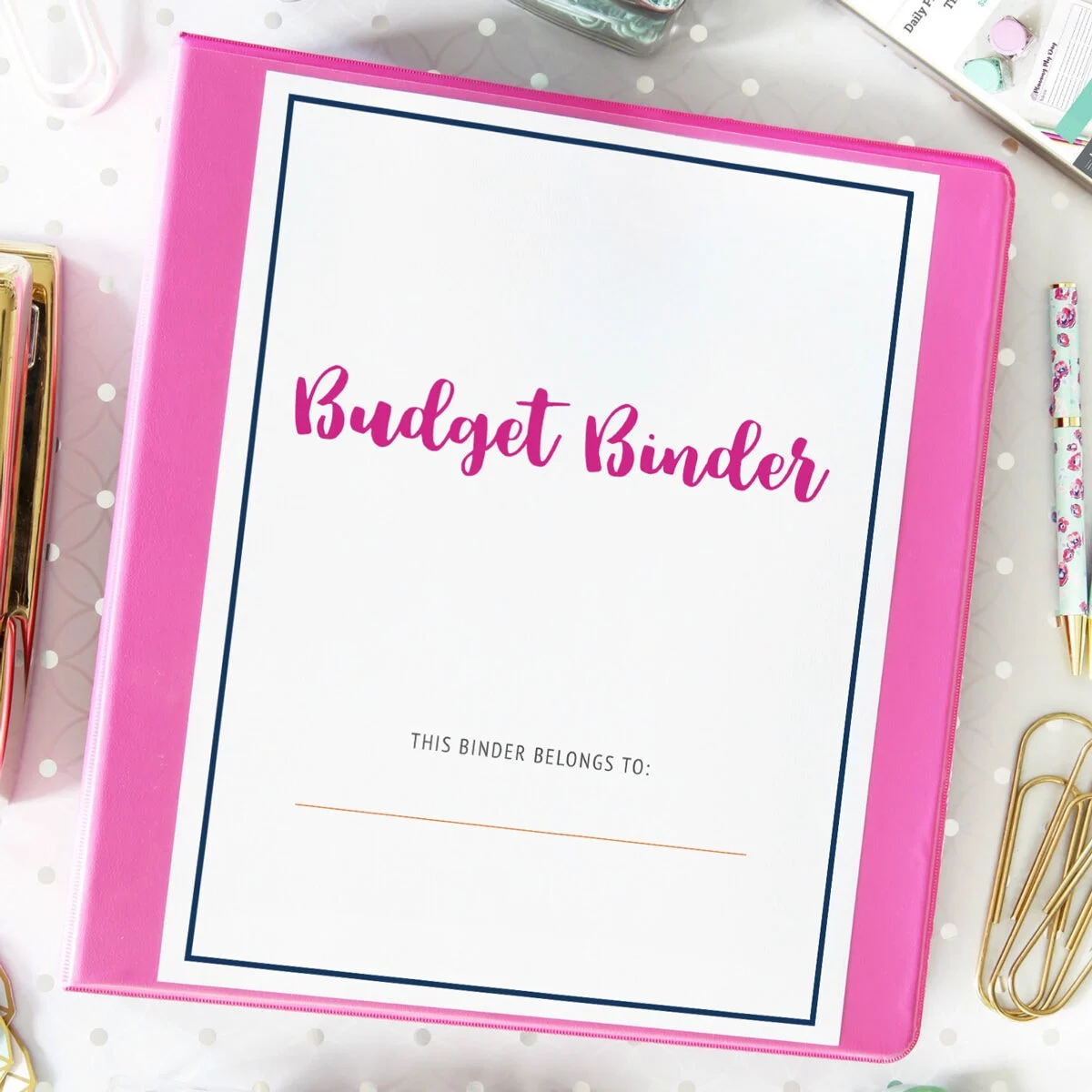
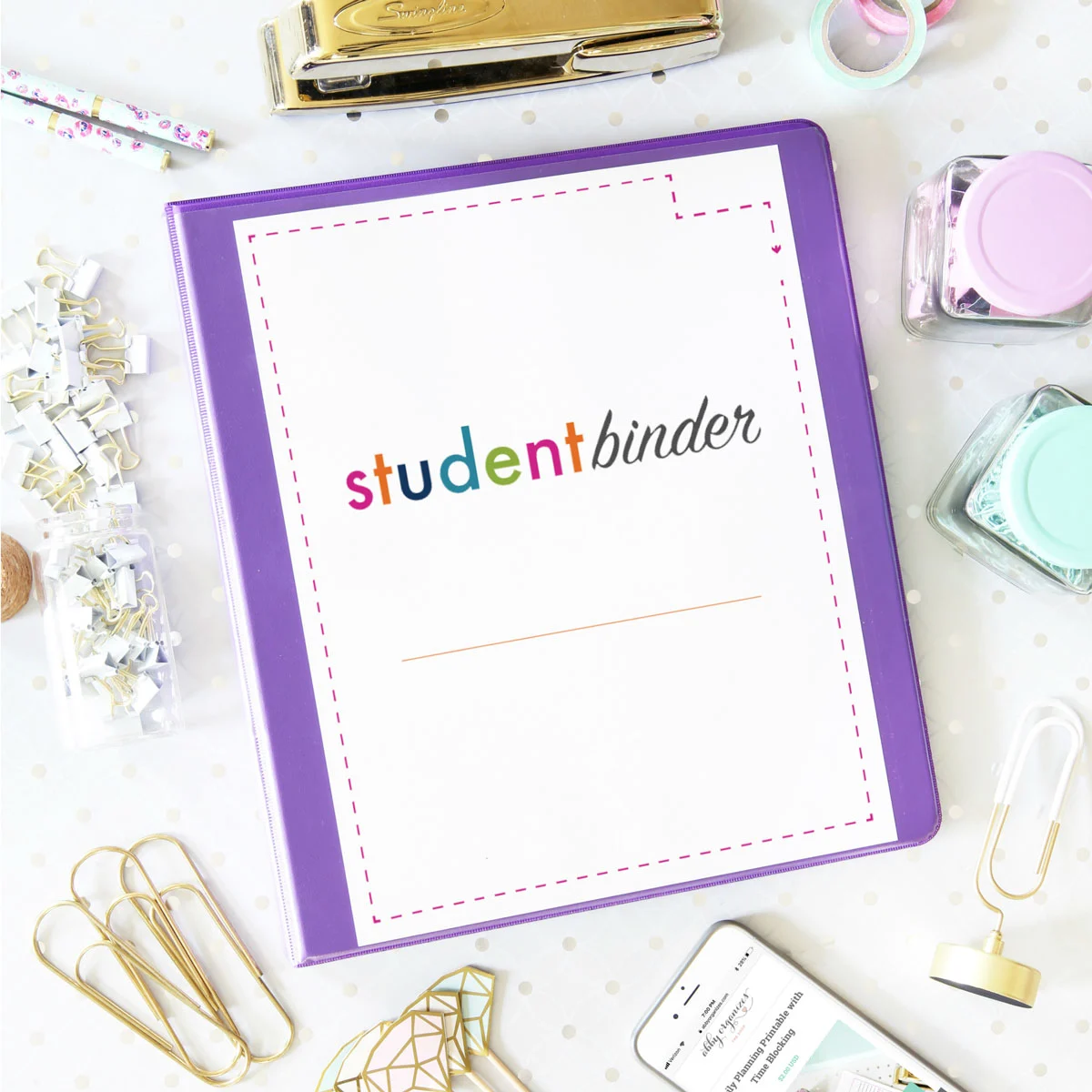
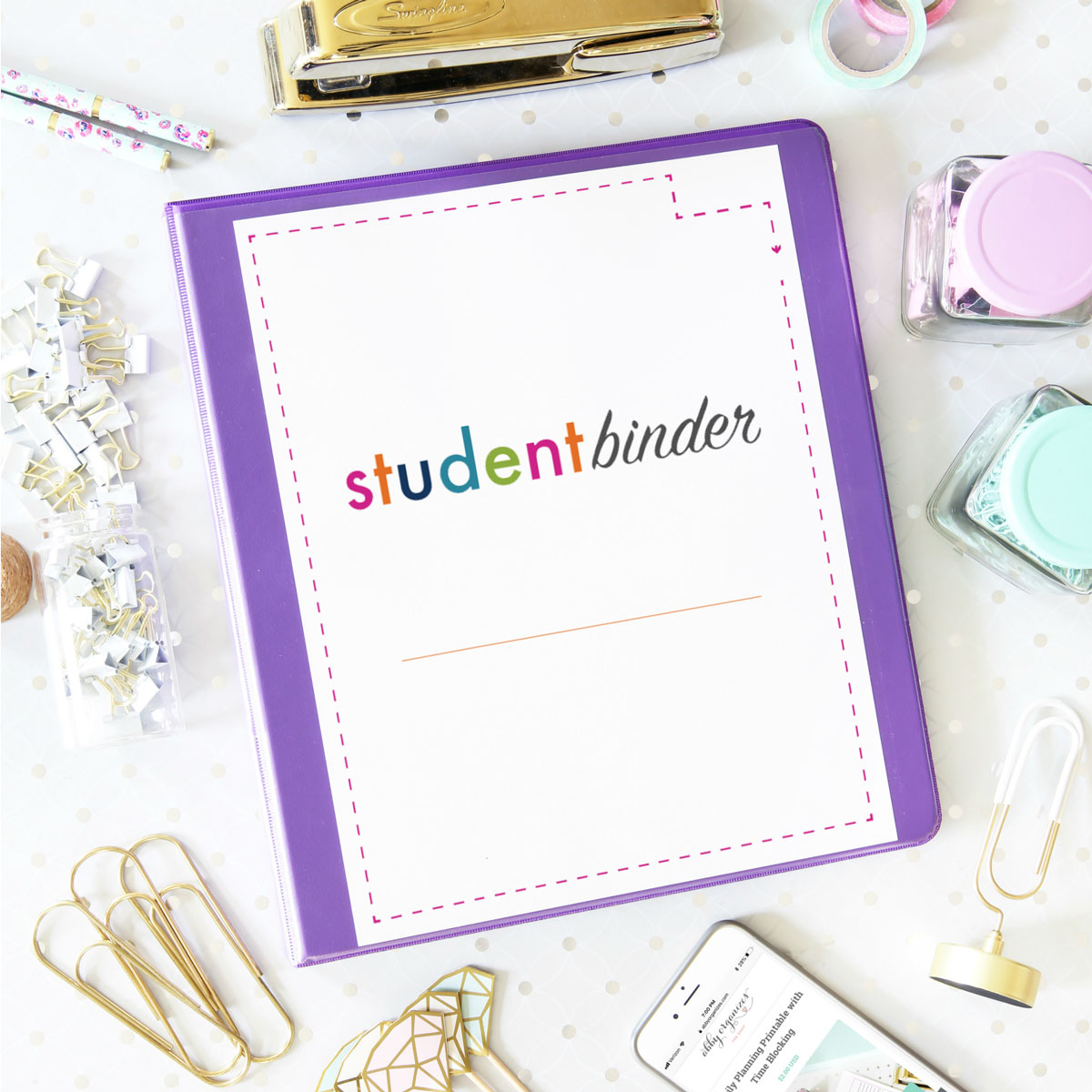
- Aesthetic and Functional Covers: Fully customizable binder covers printed on cardstock to withstand daily transit between lockers, backpacks, and lecture halls.
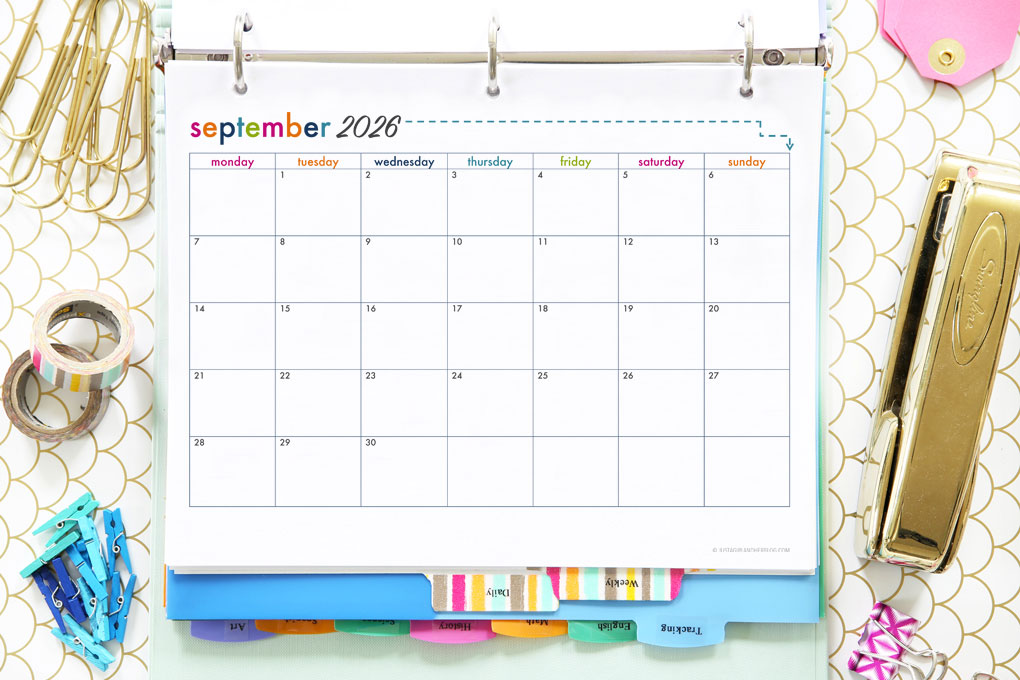
- Comprehensive Scheduling: Detailed class schedules, date-specific monthly calendars (spanning mid-2026 through late 2027), and fully undated templates for long-term versatility.
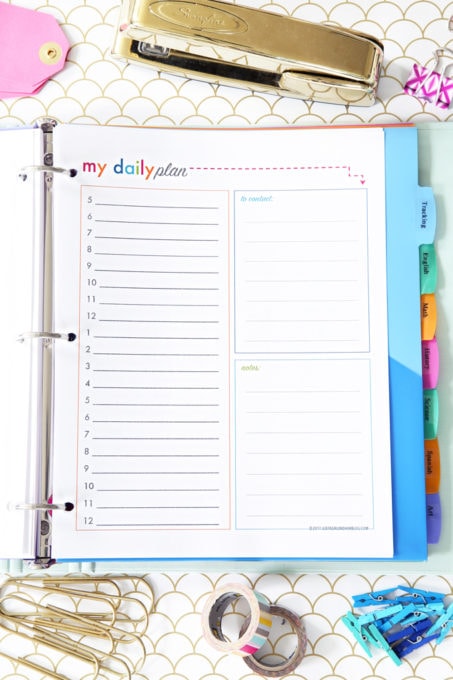
- Time-Blocking Frameworks: Two-page weekly spreads and daily planning sheets utilizing hour-by-hour breakdowns to facilitate modern productivity techniques like time-blocking.
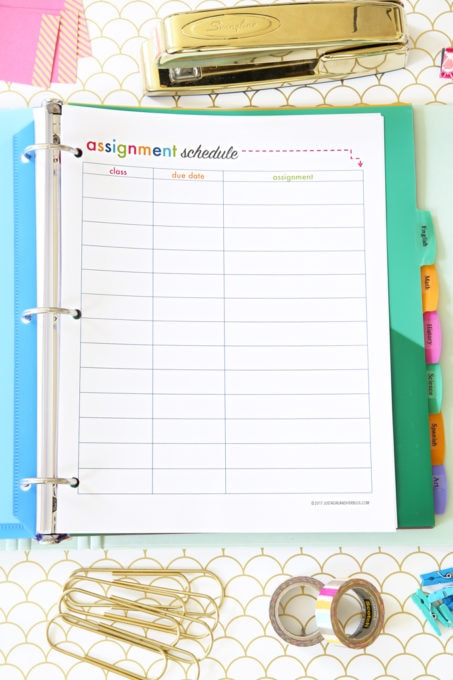
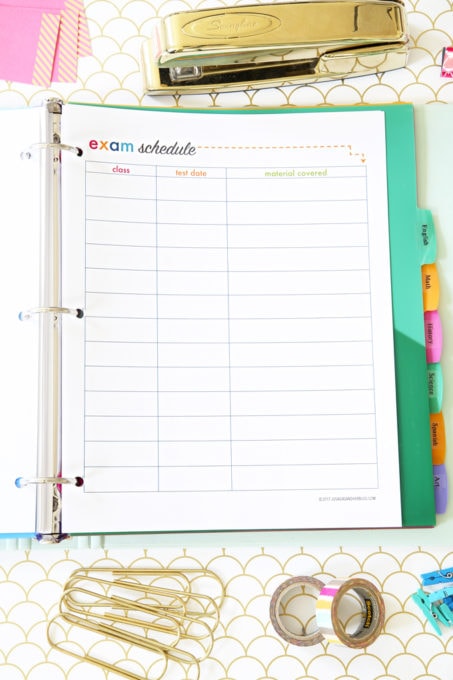
- Academic Trackers: Dedicated logs for assignments, major exams, reading milestones, and running grade calculations grouped by individual subjects.
- Dual Color Palettes: Available in vibrant, energetic palettes as well as alternative blue-centric color schemes tailored to student preferences or multi-child households.
Chronology: The Evolution of Digital Classroom Organization
The journey toward modern printable academic organization has evolved significantly over the past decade, shifting from generic store-bought planners to hyper-personalized, digital-to-physical hybrid systems.
- Early 2010s (The Analog Era): Students relied heavily on generic, mass-produced spiral planners provided by schools, which frequently lacked the flexibility required for complex, multi-layered high school and college syllabi.
- Mid-2010s (The Rise of DIY Organization): Recognizing a massive gap in student resources, parenting and lifestyle bloggers began designing bespoke, printable organizational inserts. Initial iterations focused on basic calendars and rudimentary grade trackers.
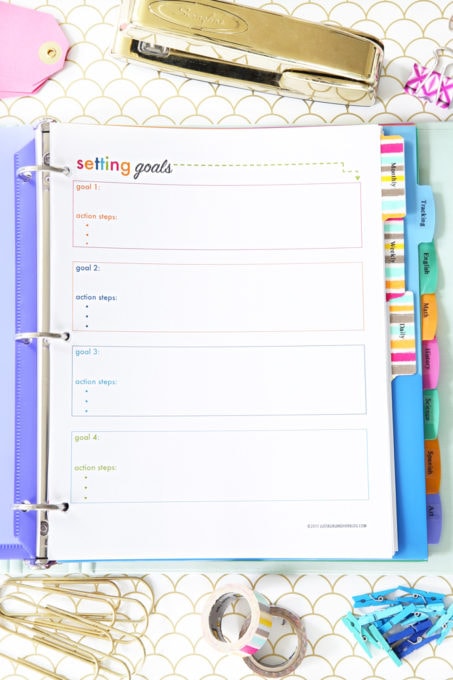
- Late 2010s to 2020 (Refining the Toolset): User feedback drove rapid iteration. Organizers introduced subject-specific tabs, project planners, and daily routine checklists, transforming the binder from a simple calendar into a comprehensive life-skills coaching tool.
- Post-2020 to Present (The Hybrid Boom): As digital learning intersected with traditional classrooms, the demand for structured analog systems surged as students sought screen-free methods to retain information and manage executive dysfunction. The introduction of multi-year calendars and dual-color palettes reflects this current high-demand era, where customizability is paramount.
Supporting Data: The Impact of Organization on Academic Achievement
Educational research consistently demonstrates a direct correlation between effective time management, organizational skill, and student performance. According to recent educational psychology studies, students who actively utilize structured planning tools exhibit lower levels of academic stress and higher grade-point averages (GPAs) than their disorganized peers.
Key Metrics in Student Productivity:
- Reduction in Deadline Anxiety: Over 78% of high school and college students report feeling overwhelmed during the first three weeks of a new semester due to conflicting assignment deadlines.
- Grade Transparency: Educational surveys indicate that students who maintain running grade trackers—rather than waiting for mid-term report cards—are 40% more likely to seek out tutoring or extra credit before it is too late to impact their final GPA.
- Executive Function Development: Experts note that tools incorporating daily routine checklists and time-blocking help develop critical executive functioning skills in adolescents, paving the way for lifelong professional organization.
Official Responses and Expert Insights
Educators, parents, and organization specialists have increasingly lauded the shift toward accessible, printable academic tools.

Former educators turned productivity advocates emphasize that the transition from primary school to secondary or higher education is often where academic organization breaks down. "When students receive five or six different syllabi on the first day of class, it acts as an immediate cognitive overload," explains one veteran educator and curriculum designer. "Having a standardized system where every class has a designated home—complete with grade trackers and project breakdowns—transforms panic into a manageable action plan."
Parent advocacy groups have similarly praised the inclusivity of the updated design cycles, noting that offering neutral and alternative color schemes ensures that students across all age groups and stylistic preferences feel a sense of ownership over their academic materials.
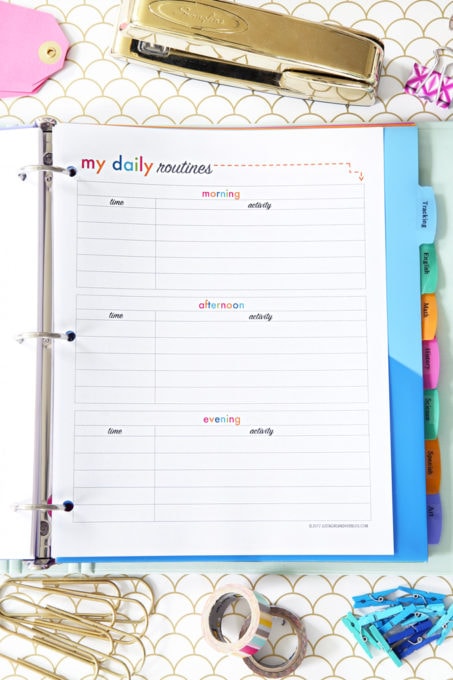
Furthermore, productivity experts highlight the psychological benefits of physical writing. In an age dominated by digital notifications and smartphone calendar apps, the act of physically writing down daily routines, reading logs, and weekly goals engages tactile memory and reinforces commitment to tasks.
Implications for the Upcoming Academic Year
As schools nationwide open their doors for the new term, the widespread availability of free, high-quality organizational printables democratizes access to academic success. Wealth disparities often limit access to high-end designer planners sold in commercial stationery stores; however, open-access digital libraries level the playing field, ensuring that any student with access to a printer can equip themselves with professional-grade organizational architecture.
Key Takeaways for Students and Parents:
- Customization is Key: Rather than forcing every student into a rigid planner format, modular printable systems allow users to select only the pages they will realistically use—whether that is a heavy focus on time-blocking or simple daily checklists.
- Consistency Trumps Complexity: Organizers stress that the most beautifully assembled binder is useless if not maintained. Establishing a weekly routine of updating assignment schedules and grade trackers is the true secret to academic endurance.
- Beyond the Classroom: Many of the framework’s core components—such as goal-setting sheets, monthly planners, and daily habit routines—transcend academia, offering invaluable life-skills training for young adults entering the workforce.
Ultimately, while a stack of paper and a three-ring binder cannot write an essay or solve a calculus equation on its own, it provides the structural foundation necessary for students to focus their cognitive energy where it matters most: on learning. As the back-to-school season hits its peak, these comprehensive printables stand ready to help a new generation of learners navigate the academic year with clarity, confidence, and calm.