WASHINGTON — As households across the nation grapple with lingering post-holiday credit card bills and persistent economic pressures, a growing movement toward tangible, analog financial organization is sweeping the personal finance landscape. Spearheaded by popular digital resources and lifestyle platforms, the release of the newly updated 2026 Budget Binder has ignited widespread interest among consumers seeking to regain control of their income, expenses, and long-term financial futures.
Rather than relying solely on high-tech apps and automated banking algorithms, millions of Americans are turning to customizable, printable physical planners. Financial wellness experts argue that the tactile experience of physically writing down expenses and mapping out debt reduction strategies creates a psychological anchor that promotes mindful spending and long-term behavioral change.
Main Facts: The Anatomy of the 2026 Budget Binder
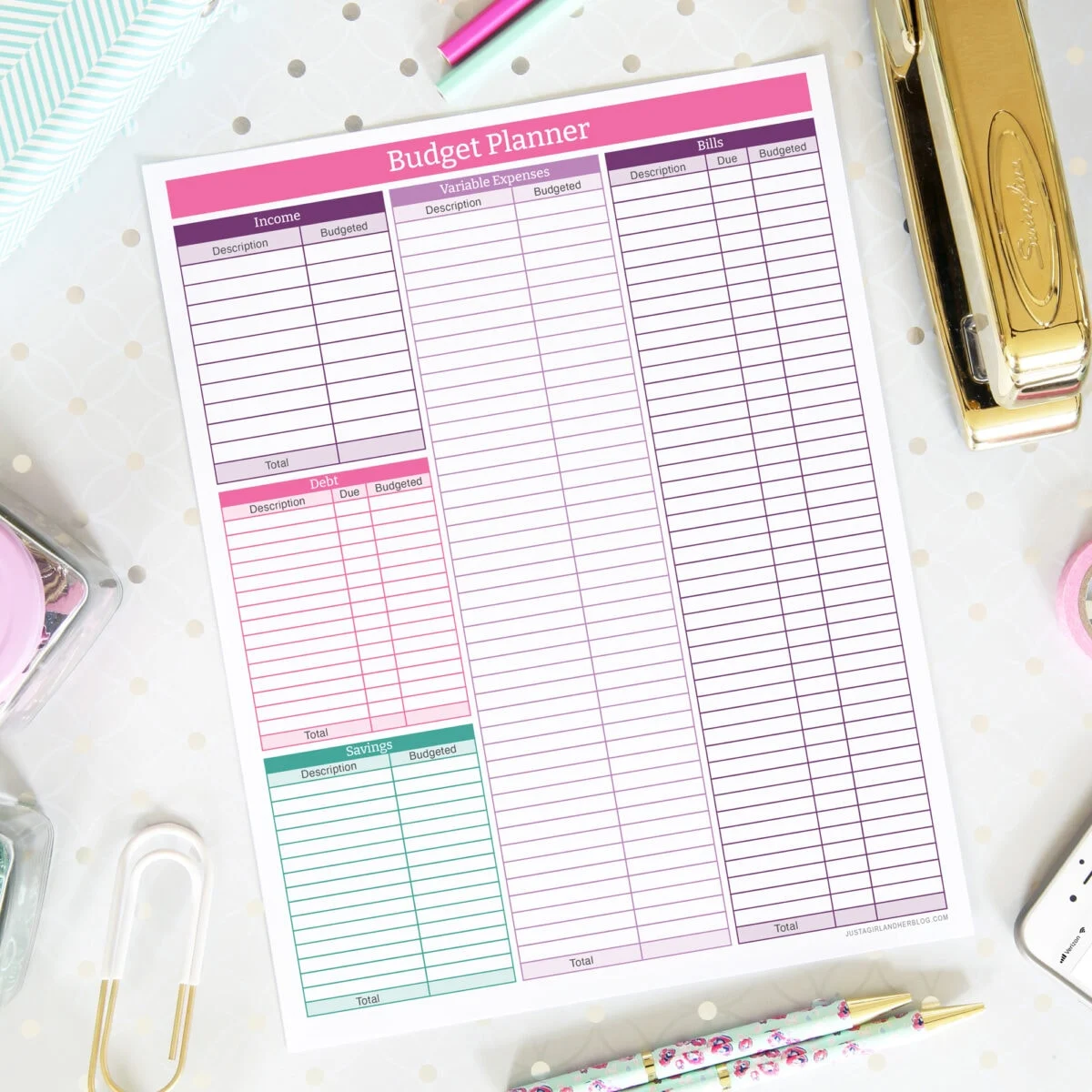
The newly unveiled 2026 Budget Binder is designed as a comprehensive, modular system intended to transition users from reactive spenders to proactive savers. Developed in response to tens of thousands of reader inquiries and requests, the updated planner focuses on simplicity, accountability, and habit-formation.
The system is structured around several core components:
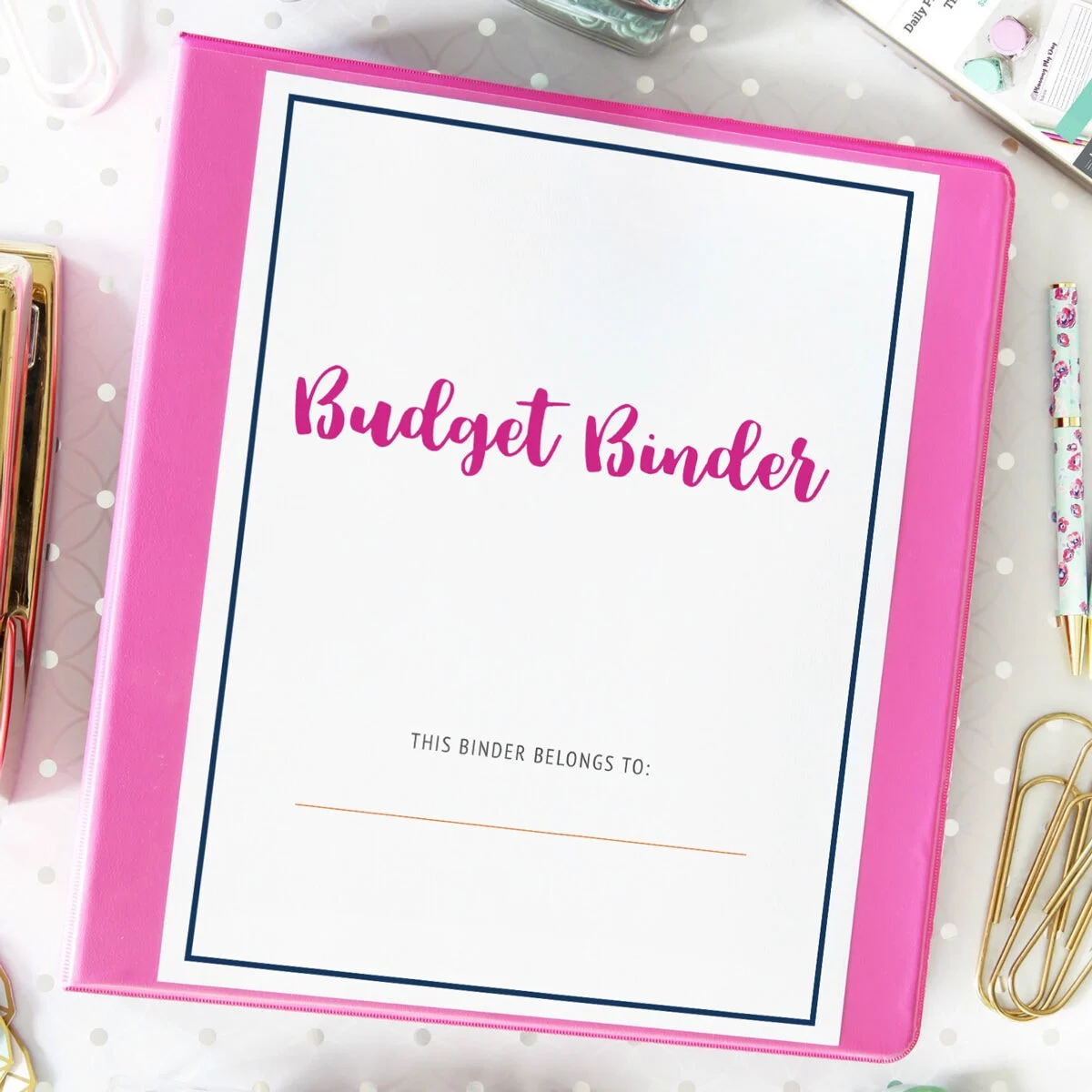
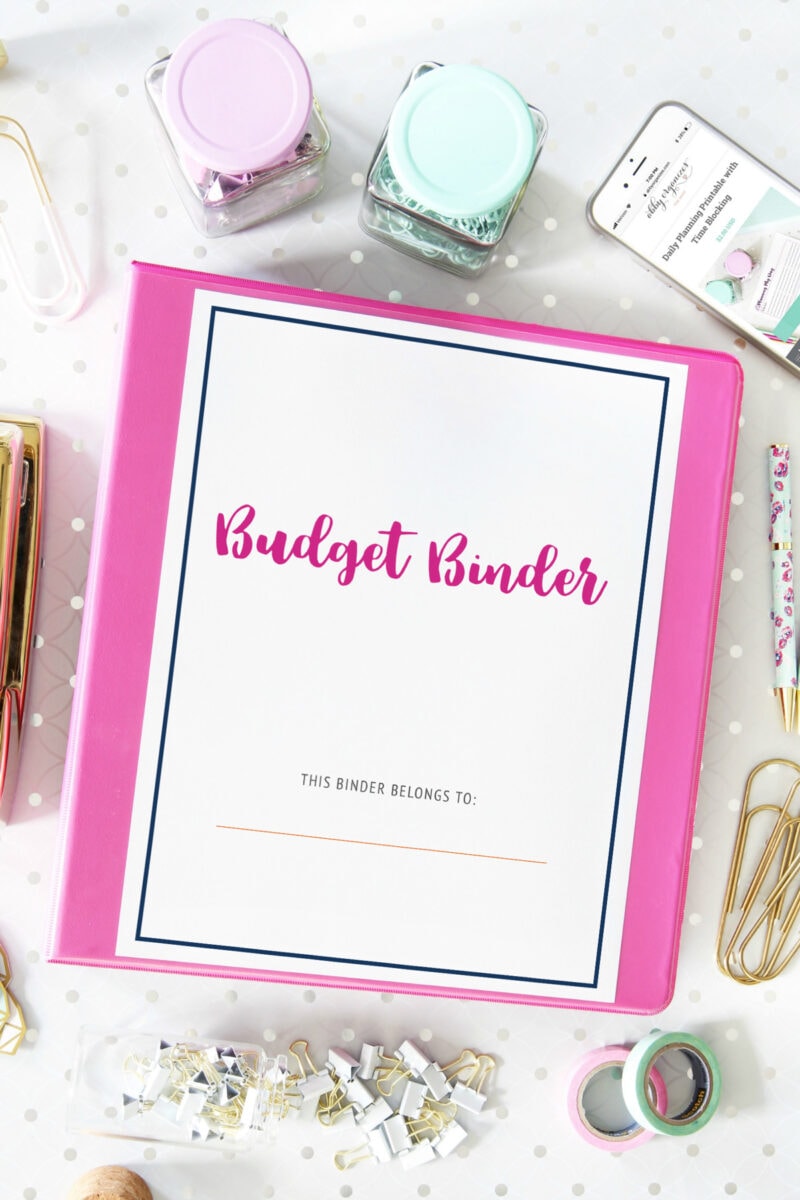
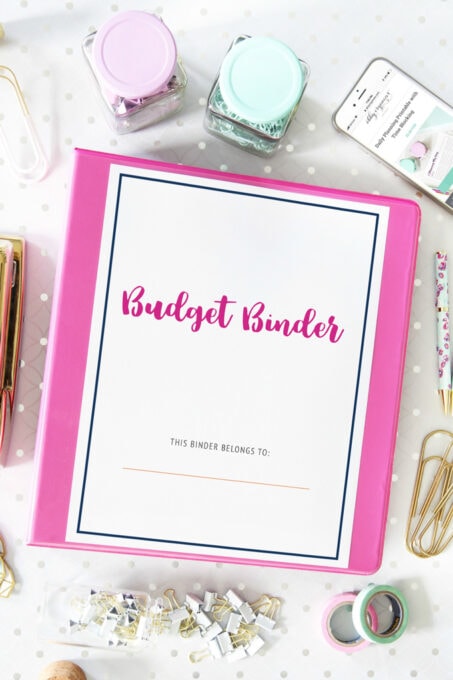
- The Custom Cover: A streamlined, minimalist aesthetic designed to personalize the binder and set a welcoming tone for regular financial reviews.
- The Financial Goal-Setting Sheet: A front-and-center planning tool that prompts users to explicitly state major financial milestones—such as eliminating student loans, building an emergency fund, or saving for a down payment—alongside concrete action steps and strict completion deadlines.
- Recurring Expense Trackers: Specialized ledgers mapping out predictable quarterly, semi-annual, and annual financial obligations, ensuring bills are never missed.
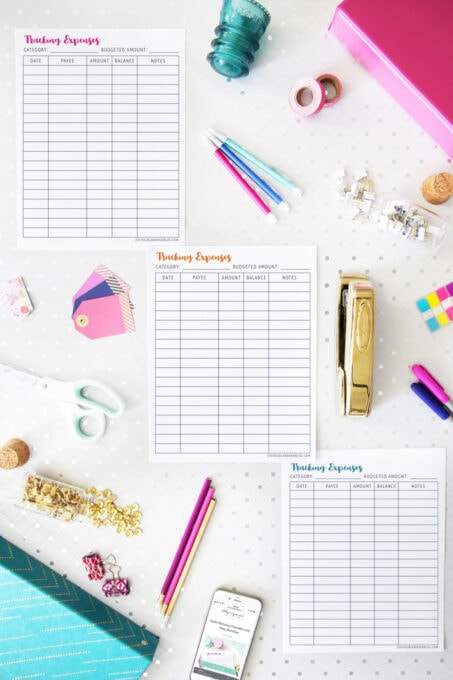
- Monthly Expense Registers: Checkbook-style category logs that allow consumers to track variable spending in real time, maintaining a running balance to prevent overspending.
- Monthly Check-In Pages: Evaluation logs positioned at the end of each monthly cycle, giving users a space to assess successes, identify spending vulnerabilities, and scale short-term objectives accordingly.
Chronology: From Holiday Debt to Year-End Financial Freedom
The demand for structured budgetary planning follows a predictable, yet historically volatile, seasonal timeline:
Phase 1: The Post-Holiday Crunch (January)
Following the heavy consumer spending associated with the year-end holiday season, household debt reaches peak levels. Financial lifestyle creators report that inquiries for budget planners spike exponentially during the first three weeks of January as consumers face mounting credit card statements and resolve to overhaul their spending habits for the new year.
Phase 2: Establishment and Baseline Tracking (February – March)
Experts advise novices to spend the first 30 to 60 days of the year in an observation phase. Rather than enforcing rigid spending caps immediately, users are encouraged to utilize blank expense tracking sheets to monitor baseline spending. This observational period provides the accurate data required to establish realistic category budgets for the remainder of the quarter.
Phase 3: Mid-Year Optimization and Sinking Fund Adjustments (June – July)
By the midpoint of the year, successful budgeters revisit their primary goal-setting sheets. This is the critical juncture for evaluating progress on major debts, reallocating discretionary funds, and funding seasonal sinking funds for back-to-school shopping and upcoming winter holidays.
Phase 4: Year-End Evaluation and Debt Reduction (November – December)
The final phase involves the monthly check-in review, allowing households to measure their fiscal position against the goals established in January. Families utilizing the system frequently report entering the new year with significantly reduced liabilities and measurable savings reserves.
Supporting Data: The Psychology of Tangible Budgeting
While the market is saturated with hundreds of automated expense-tracking applications, behavioral finance research suggests that analog tracking methods offer distinct cognitive advantages.
According to data compiled by consumer advocacy groups, individuals who manually record their purchases are significantly more cognizant of micro-transactions—such as frequent dining out, impulse online shopping, and subscription services—than those who passively review digital bank statements.
- The Accountability Factor: Placing goal-setting sheets at the very front of a physical binder ensures that users confront their objectives every time they open the planner. Behavioral psychologists note that this daily or weekly visual reinforcement triggers heightened commitment levels.
- The Friction of Spending: Writing down each line-item expense introduces a psychological "friction" that deters impulsive purchases. When a consumer must manually deduct a non-essential purchase from a designated category balance, the immediate visual feedback discourages buyer’s remorse.
- The Customization Advantage: Unlike rigid software programs that require users to conform to pre-programmed categories, printable systems allow complete flexibility. Users can easily adapt their tracking sheets to accommodate unique expenses, side-hustle incomes, or fluctuating seasonal utility bills.
Official Responses and Expert Perspectives
While the creators of these budget binders explicitly note that they are not licensed financial advisors or certified public accountants, their grassroots strategies align closely with foundational advice offered by accredited financial counselors.
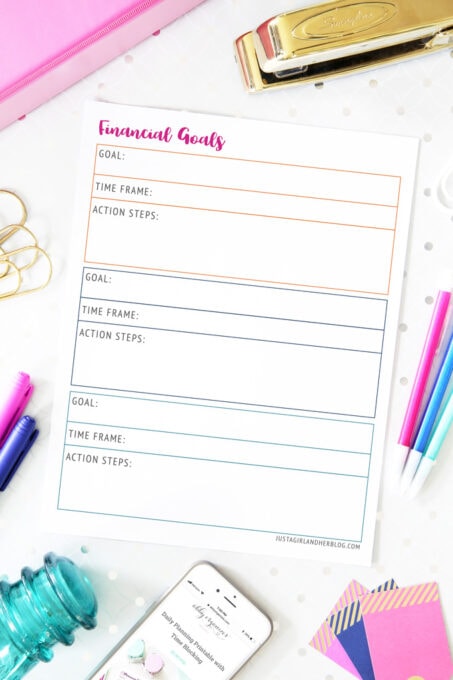
"Setting a goal without a corresponding plan is merely a wish," notes financial organization advocate and creator of the 2026 binder system. "When couples or individuals sit down to write out their financial targets—such as committing an extra $100 a month toward principal debt—they are transforming an abstract anxiety into a concrete action plan."
Certified financial educators emphasize that the greatest barrier to wealth accumulation is not low income, but a lack of intentionality. By breaking down intimidating annual targets into manageable, monthly check-in micro-goals, consumers reduce financial overwhelm.
Industry analysts also point to the broader macroeconomic trend of "analog reversion." Amid rising digital fatigue and growing concerns over data privacy associated with third-party finance apps, consumers are increasingly gravitating toward offline, paper-based organizational tools that keep private financial data secure within the home.

Implications: Empowering Households in an Uncertain Economy
The widespread adoption of physical budget binders carries profound implications for household economic resilience. As macroeconomic factors continue to drive up the cost of living, discretionary spending is the primary variable families can control.
1. Mitigation of Impulse Consumerism
By systematically categorizing variable expenses—such as groceries, entertainment, clothing, and transportation—households can immediately identify areas of financial leakage. This granular awareness enables families to redirect funds toward high-interest debt elimination or emergency savings buffers.
2. Strengthening Interpersonal Communication
Financial friction remains one of the leading causes of stress in marriages and partnerships. Structured budget planners provide a neutral framework for couples to align their fiscal values. By jointly reviewing monthly check-in pages, partners can celebrate victories, troubleshoot overspending without blame, and maintain a unified front regarding shared long-term aspirations.
3. Cultivating Generational Financial Literacy
The physical nature of binder-based budgeting offers a unique educational opportunity for families with children. By witnessing parents actively manage ledgers, track recurring bills, and prioritize long-term savings goals over immediate gratification, younger generations absorb vital financial literacy skills that are rarely taught in traditional academic settings.
Looking Ahead
As the 2026 fiscal year progresses, the demand for accessible, empowering financial tools shows no sign of abating. Whether downloaded as free digital assets from lifestyle blogs or compiled into elaborate custom binders with specialized stationery, these analog planners prove that modern financial health often begins with a simple pen, a piece of paper, and the commitment to a plan.