As the summer sun begins to wane and the familiar hum of school buses returns to neighborhoods nationwide, students, parents, and educators are gearing up for a new academic year. For many, the transition from carefree summer days to the rigorous structure of the classroom brings excitement, but it also introduces a familiar source of anxiety: disorganization. Between shifting class schedules, compounding syllabi, surprise quizzes, extracurricular activities, and long-term projects, keeping track of academic life can easily become an overwhelming endeavor.
In response to this perennial challenge, organizational experts and education advocates are spotlighting comprehensive, customizable academic toolkits designed to set students up for success from day one. Leading this charge is the newly updated, highly anticipated release of the comprehensive Free Printable Student Binder system, providing students of all grade levels with the structural framework they need to conquer the school year with confidence.
Main Facts: A Comprehensive Blueprint for Academic Success
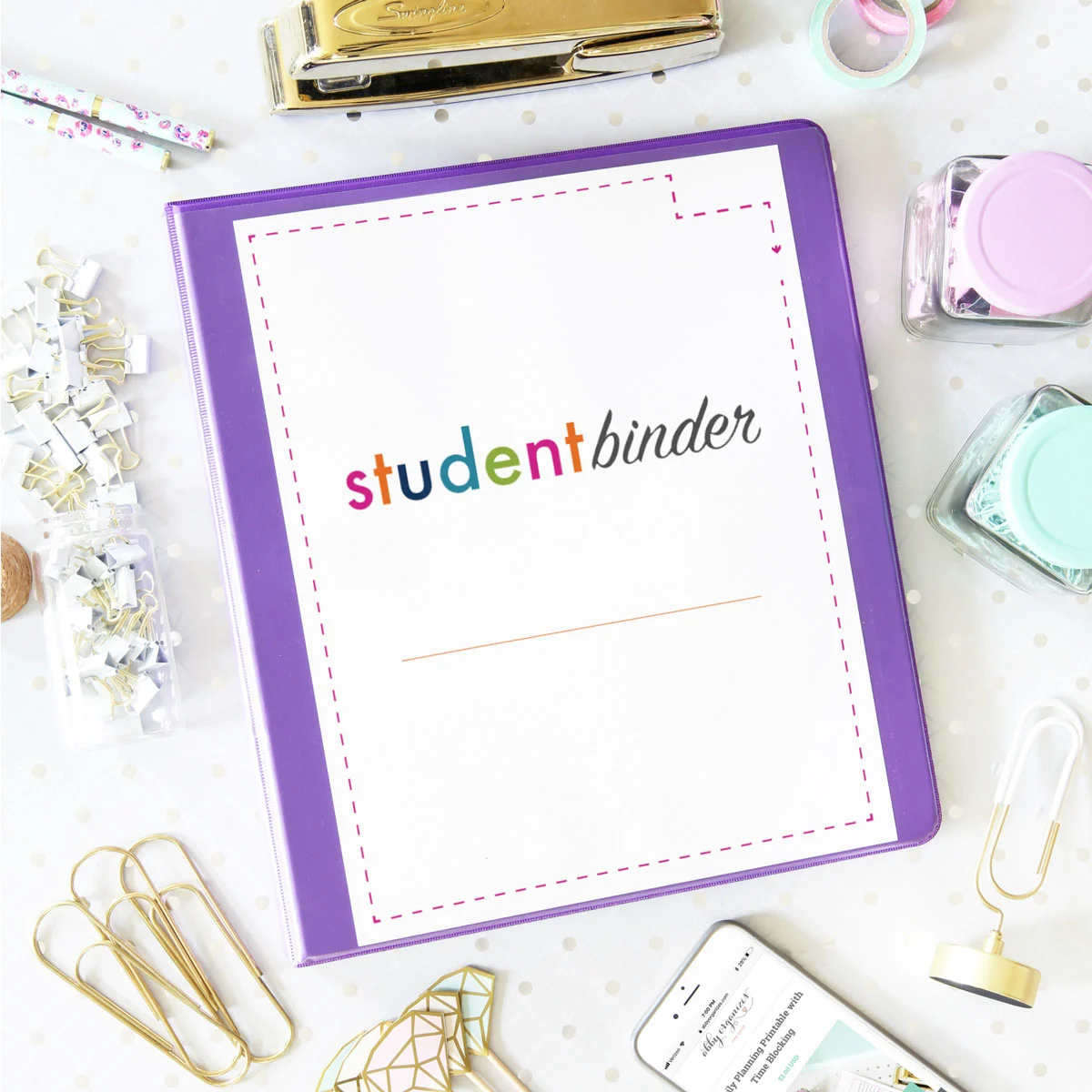
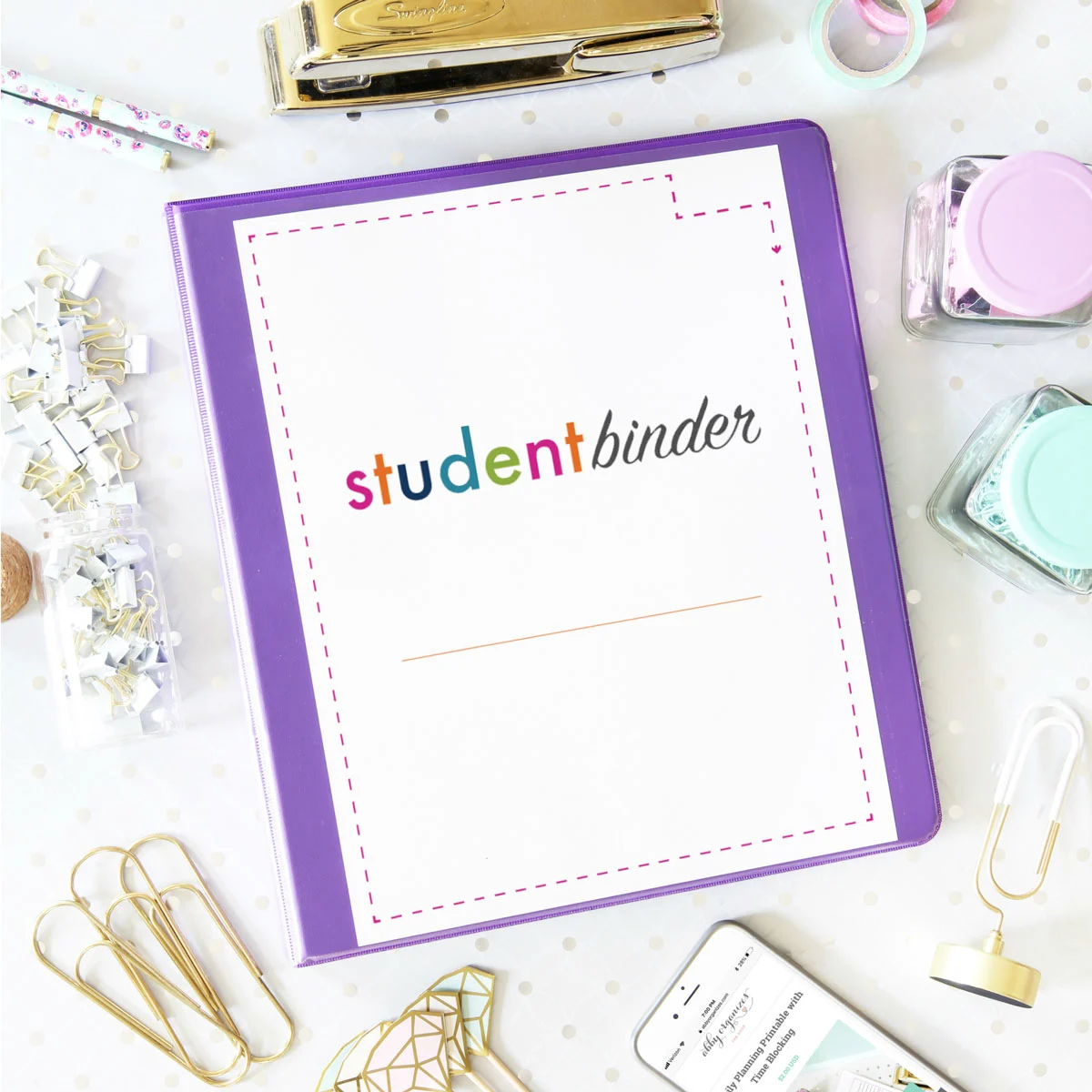
The core of this educational organizational surge centers on a meticulously designed, highly flexible 3-ring binder system. Far from a generic notebook, this resource is structured to act as an all-in-one command center for a student’s academic and extracurricular life.
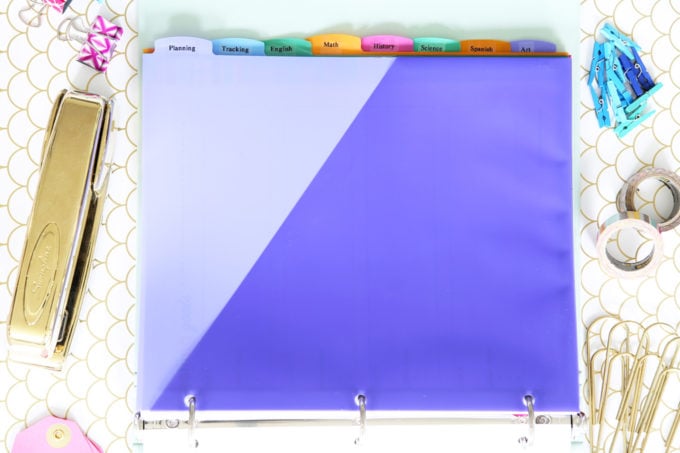
The system is divided into three major operational pillars: Planning, Tracking, and Subject-Specific Management.
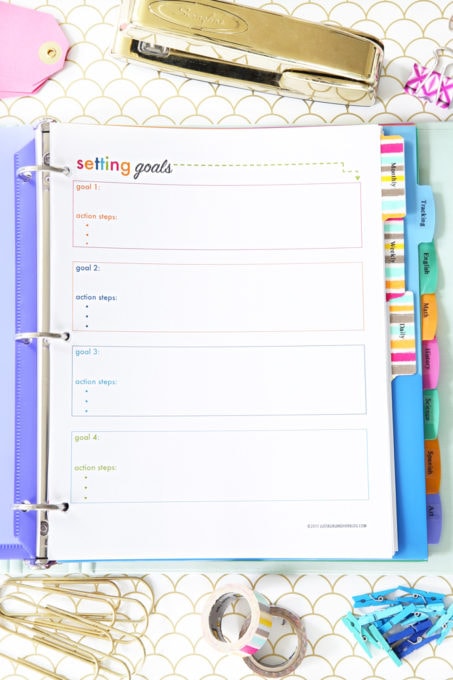
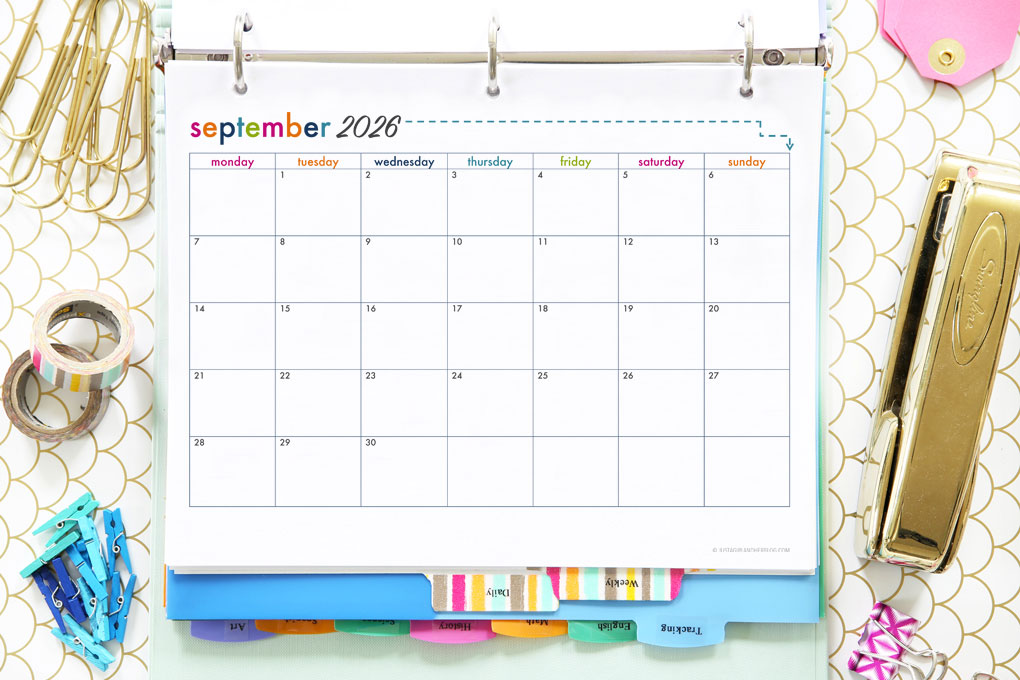
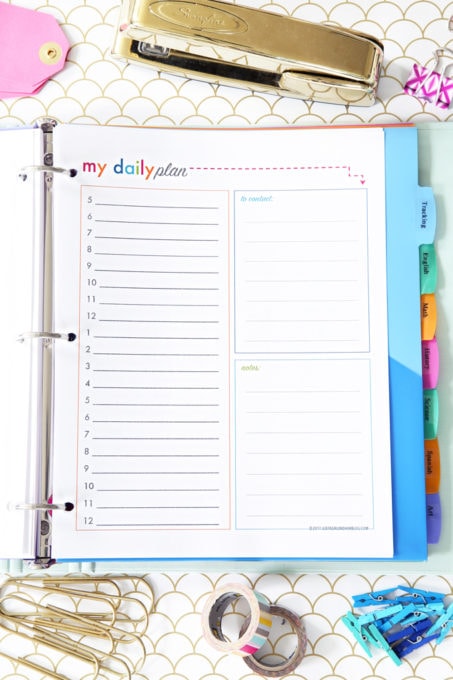
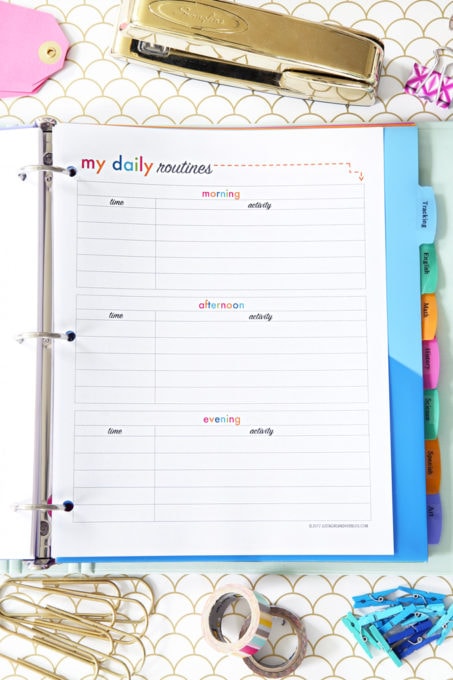
The Planning Infrastructure: Includes customizable binder covers, detailed class schedules, goal-setting worksheets, dated monthly calendars spanning multiple academic years, and undated templates for long-term flexibility. It also features advanced time-management layouts, such as two-page weekly planners and daily time-blocking sheets, accompanied by daily routine checklists to streamline morning, afternoon, and evening habits.
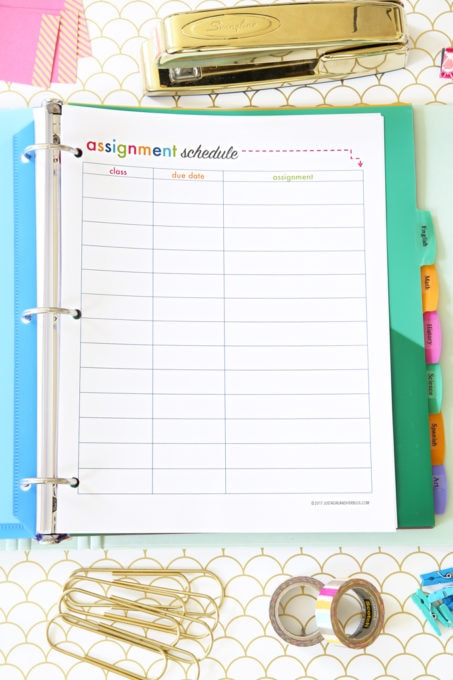
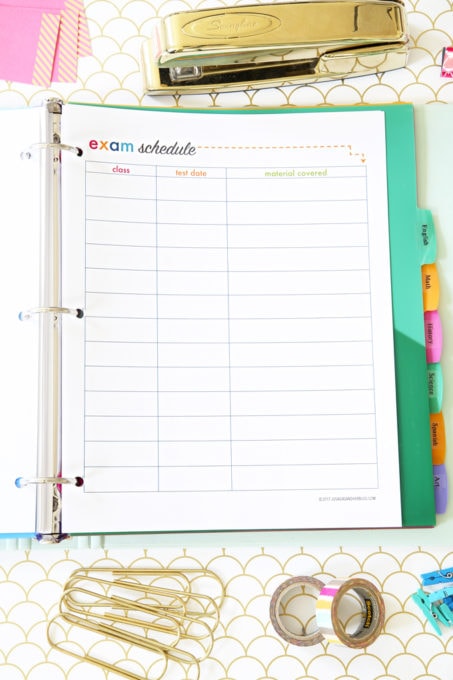
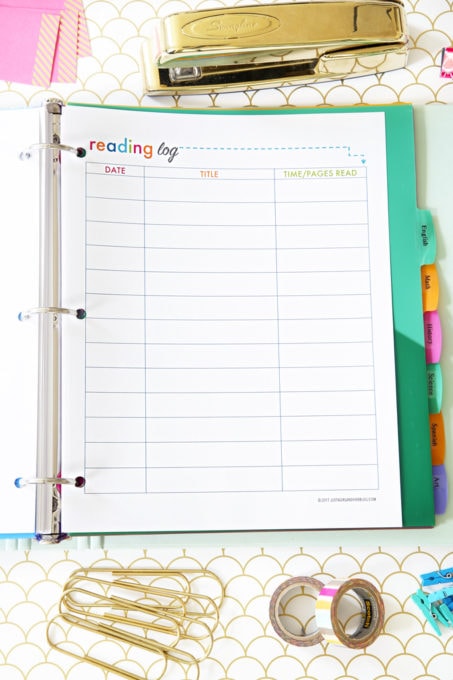
The Tracking System: Focuses on high-stakes academic deadlines through dedicated assignment schedules, exam trackers, and integrated reading logs designed to monitor daily and weekly progress.
The Subject Sections: Breaks down individual classes using color-coded tab dividers, grade-tracking sheets for continuous cumulative evaluation, standardized note-taking templates, and granular project-planning pages.
To ensure inclusivity and wide-ranging aesthetic appeal, the system is made available in multiple curated color schemes—including vibrant, colorful layouts and cooler, blue-toned alternatives—catering to diverse student preferences and developmental stages.
Chronology: The Evolution of the Student Binder System
The journey toward modern, accessible student organization has transformed dramatically over the past decade, shifting from rigid, store-bought planners to dynamic, user-customizable digital and printable formats.
Early 2010s: Academic planners were predominantly commercial, one-size-fits-all bound books purchased at bookstores or school supply shops. Students often found themselves constrained by fixed layouts that failed to accommodate unique learning styles or unconventional class structures.
Mid-2010s (2016): Recognizing a gap in the market for adaptable, aesthetically pleasing, and highly functional organizational tools, education bloggers and productivity advocates began developing modular, printable binder components. The initial iterations of free printable student binders launched online, offering foundational schedules, grade trackers, and basic planning pages.
Late 2010s to Early 2020s: As remote and hybrid learning environments disrupted traditional schooling during the COVID-19 pandemic, the need for self-directed organizational tools skyrocketed. Educators and parents reported a severe deficit in students’ executive functioning skills, making structured home-study aids more critical than ever.
The 2025–2026 Academic Cycle: Responding to thousands of user inquiries and overwhelming demand for updated tools, creators rolled out an expansive, multi-year toolkit featuring extended calendar projections (stretching through late 2027), enhanced time-blocking frameworks, and inclusive color palettes designed following extensive feedback from parents and students.
Supporting Data: The Science of Academic Organization and Executive Functioning
The deployment of structured student binders is backed by a growing body of educational research highlighting the vital link between physical organization, executive functioning, and academic achievement.
Executive Function Development: According to developmental psychologists, executive function skills—such as working memory, flexible thinking, and self-control—are not fully mature in children and adolescents until their mid-twenties. Tools like time-blocking planners and daily routine checklists act as external scaffolding, supporting students as they learn to manage cognitive loads independently.
Anxiety Mitigation: A study published by the American Psychological Association noted that academic overload is a primary driver of chronic stress among middle and high school students. Clear tracking mechanisms, such as cumulative grade trackers and exam schedule logs, remove the element of surprise from grading periods, significantly lowering test-related anxiety.
Goal Setting Efficacy: Research into educational psychology consistently demonstrates that students who write down specific goals paired with actionable steps are significantly more likely to achieve academic milestones. The inclusion of dedicated goal-setting sheets in organizational binders translates abstract aspirations into concrete daily habits.
Digital Fatigue: Despite the proliferation of smartphone apps and digital calendars, cognitive studies suggest that tactile interaction—such as handwriting assignments, blocking out hours on physical paper, and flipping through tabbed binder sections—enhances information retention and cognitive processing compared to digital screen use.
Official Responses and Expert Insights
Education professionals, former educators, and parental advocates have roundly endorsed the integration of physical organizational systems into modern curricula.
"I know I was always overwhelmed on the first day of class when I would get my syllabus from each teacher and immediately be bombarded by assignments and test dates," shares Abby Lawson, a former English teacher and creator of the widely utilized student binder system. "The goal was to build a tool that bridges the gap between what teachers demand and what students can realistically manage on a day-to-day basis. When you remove the friction of looking for lost assignments, students can actually focus on learning."
Child development specialists have similarly praised the focus on daily routines. By breaking down the day into distinct phases—morning preparation, afternoon wrap-up, and evening reset—students internalize habits of responsibility that extend far beyond the classroom walls.
Furthermore, feedback from parent-teacher associations emphasizes the utility of adaptable designs. The addition of gender-neutral and alternative color schemes addressed direct requests from families seeking inclusive tools that resonate equally with diverse student demographics, ensuring that utility is never compromised by superficial design preferences.
Implications: Preparing Students for Lifelong Success
The introduction and widespread adoption of comprehensive student binder systems carry profound implications for the future of student development, moving well beyond immediate grade improvements.
1. Cultivating Lifelong Productivity Habits
The skills practiced within a middle school or high school binder—time blocking, project breakdown, continuous self-evaluation, and schedule management—form the foundational bedrock of professional productivity. Students who master these habits early transition into college and the modern workforce with a distinct competitive advantage.
2. Bridging the Gap for Diverse Learners
Because the binder system is modular and free, it democratizes access to high-level organizational tools. Students from varying socioeconomic backgrounds gain equal access to professional-grade planning layouts without the financial barrier of expensive, premium-bound planners. Moreover, the flexibility of undated calendars and customizable subject tabs accommodates students with diverse learning needs, including those requiring specialized accommodations for executive dysfunction or ADHD.
3. Fostering Autonomous Learning
In an era where educational oversight can fluctuate, fostering student independence is paramount. When children and young adults take ownership of their grade trackers, reading logs, and assignment schedules, they shift from passive recipients of instruction to active managers of their own educational journeys.
Looking Ahead
As schools continue to navigate the complexities of modern education, the humble 3-ring binder—revitalized with thoughtful, beautifully designed printables—proves that low-tech solutions can often yield high-impact results. By combining aesthetic appeal with rigorous structural utility, these organizational toolkits are poised to remain an indispensable asset for classrooms worldwide, proving that success truly does begin the moment everything is kept neatly in its proper place.