After nearly a decade of documenting the intimate details of life, parenthood, and the pursuit of financial independence, the voice behind the popular personal finance blog Frugalwoods is shifting gears. Following an unannounced, two-month hiatus, the site’s founder has emerged to announce a fundamental transformation in the platform’s editorial direction—one that moves away from personal memoir and toward a service-oriented model centered on community growth and financial mentorship.
The Hiatus: A Period of Reflection
For 9.5 years, the Frugalwoods blog served as a digital diary, tracking the author’s journey from urban professional life to a rural homesteading existence. The blog became a cornerstone of the financial independence, retire early (FIRE) movement, known for its transparency regarding index fund investing, frugality, and the emotional complexities of money management.
The recent, unplanned two-month break served as a turning point. Initially intended to be a one-week sabbatical, the time away provided the perspective needed to evaluate the long-term sustainability of the project. "Sometimes one must have some absence in order for one to realize what one misses," the author noted in a recent update. The realization was twofold: while the passion for financial advocacy remains strong, the desire to continue "mining" a personal life for content has reached a natural conclusion.

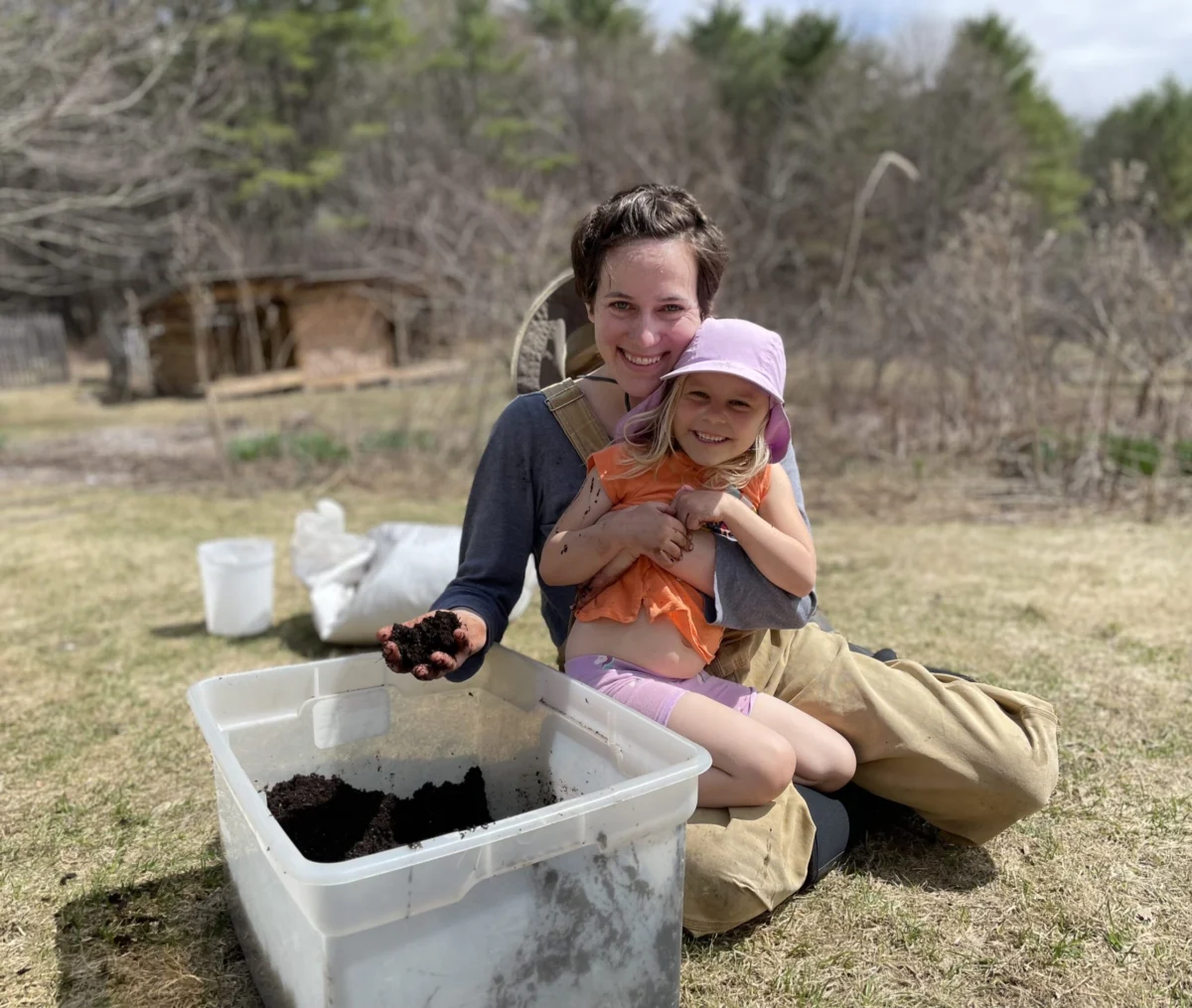
As the author’s children grow older, the priority has shifted toward preserving family privacy, coupled with the acknowledgment that the primary financial lessons of the Frugalwoods journey have already been extensively documented in both the blog’s archives and the author’s published book.
Shifting Focus: From Memoir to Mentorship
The editorial strategy for the coming year marks a departure from the "money diary" style that characterized the site’s early years. The new vision centers on a monthly "Reader Case Study" series. This pivot is designed to provide actionable, objective financial advice to members of the community, shifting the spotlight from the author’s personal life to the financial successes and challenges of the readership.
By focusing on these case studies, the author intends to continue providing value to those at various stages of their financial journey without relying on the disclosure of private, day-to-day familial experiences. This shift acknowledges that the Frugalwoods brand has matured from a personal project into a resource-based community. While the author maintains that they have not "abandoned" the platform, the era of frequent, thrice-weekly updates has definitively concluded in favor of a more intentional, monthly content cycle.

The Legacy of the Uber Frugal Month (UFM)
Despite the structural changes to the blog’s content, the "Uber Frugal Month" (UFM) Challenge remains a permanent fixture of the Frugalwoods calendar. The UFM is a 31-day, email-based, holistic program that provides a step-by-step roadmap for financial re-evaluation.
The program, which is free of charge, aims to demystify money and provide participants with a framework to break cycles of overconsumption. The challenge focuses on:
- In-sourcing: Developing skills to perform tasks at home rather than outsourcing them.
- Value-based spending: Aligning expenditures with personal goals rather than societal pressures.
- Financial clarity: Eliminating the anxiety often associated with debt, saving, and investment.
The UFM has become a foundational tradition for thousands of participants. Whether they are financial novices seeking a starting point or seasoned veterans looking for an annual "reset," the UFM provides a structured environment for fiscal discipline.

Supporting Data: The Impact of Financial Discipline
The effectiveness of the UFM is evidenced by the testimonials of thousands of participants who have utilized the challenge to reshape their financial lives. The data from these testimonials underscores a consistent pattern of success:
- Debt Reduction: Many participants report that the discipline enforced during the 31-day challenge allows them to clear unexpected debts that had accumulated during the previous year.
- Significant Savings: Quantifiable results are a hallmark of the challenge; some participants have reported saving over $1,600 in a single month by cutting discretionary spending, particularly in the categories of food and entertainment.
- Psychological Shift: Beyond the numbers, the most frequently cited benefit is the shift in mindset. Participants describe a transition from feeling "restricted" to feeling "empowered" by their ability to say no to consumerist habits.
For many, the challenge acts as a catalyst for long-term lifestyle changes. As one participant noted, "Saying no to frivolous expenditures was shocking at first, but halfway through the month it became my mission."
Official Response: Addressing Community Concerns
A primary concern for the Frugalwoods audience has been the role of community and social connectivity during these financial transitions. The author addressed several key logistical questions to ensure that the transition to the new format remains inclusive:

- Accessibility: Participation in the UFM does not require social media. While a private Facebook group exists as an optional "bonus" for those seeking peer support, the core challenge is conducted entirely via email and the website.
- Repeat Participation: The author confirmed that the program is designed to be taken annually. The technical infrastructure of the site allows previous participants to re-enroll using the same credentials, facilitating a yearly "refresher" for those who wish to maintain their financial momentum.
- The "No Jargon" Policy: A defining characteristic of the UFM is its commitment to plain English. The author explicitly rejects financial jargon, ensuring that the material remains accessible to individuals regardless of their financial literacy level.
Implications for the Future of Personal Finance Blogging
The evolution of Frugalwoods serves as a case study for the maturation of the independent creator economy. As the pioneers of the FIRE movement reach their own financial goals, they face a common dilemma: how to remain relevant and helpful while their personal lives become less about "striving" and more about "contentment."
By shifting the focus to community-led case studies, the author is attempting to solve this dilemma by transforming the blog into a collaborative platform. The implication is that the future of personal finance content lies not in the "guru" model—where one person’s life is the template—but in the "community model," where shared experiences and peer-to-peer mentorship drive results.
As the author moves into this new, quieter chapter of life, the Frugalwoods community continues to grow. Whether the author eventually returns to full-time blogging or remains in this lower-frequency rhythm is a matter of time, but the focus remains clear: providing a sustainable, non-judgmental space for those looking to take control of their relationship with money.

For those interested in participating, the January 2024 UFM Challenge represents the next iteration of this journey—a chance to reset, refocus, and re-examine the purpose behind the paycheck. As the author concludes, "Money can be a beast you tame, understand, and make work for you—not against you. You can either master your money or it can master you."