The modern American home is often a product of its era, reflecting the architectural trends and functional priorities of the decade in which it was constructed. For many homeowners, this translates to compartmentalized floor plans and awkward structural choices that no longer serve contemporary living. One family’s multi-year renovation project serves as a compelling case study in the complexities of residential remodeling, balancing the desire for open-concept living with the harsh realities of structural integrity, specialized labor, and long-term financial planning.
The Problem: An Architectural Relic
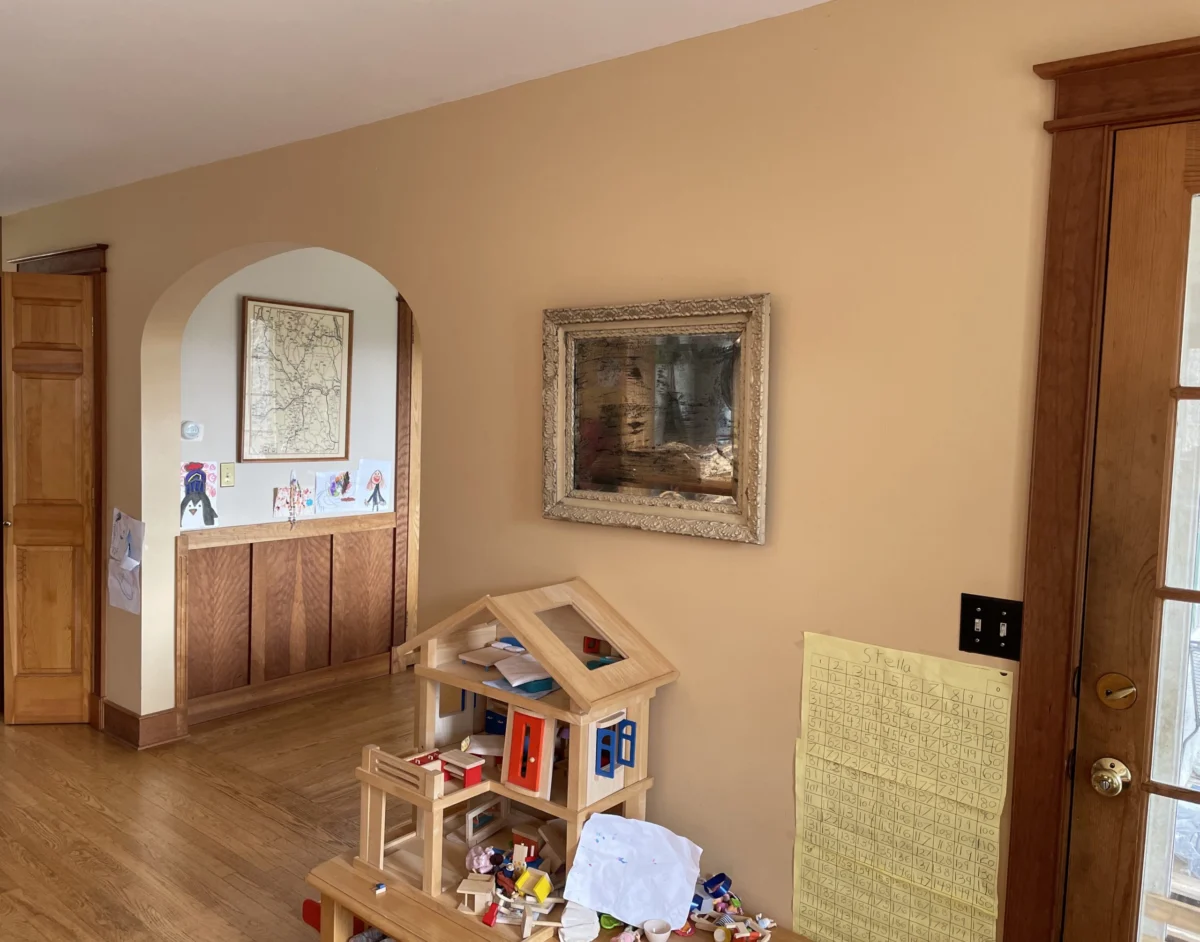
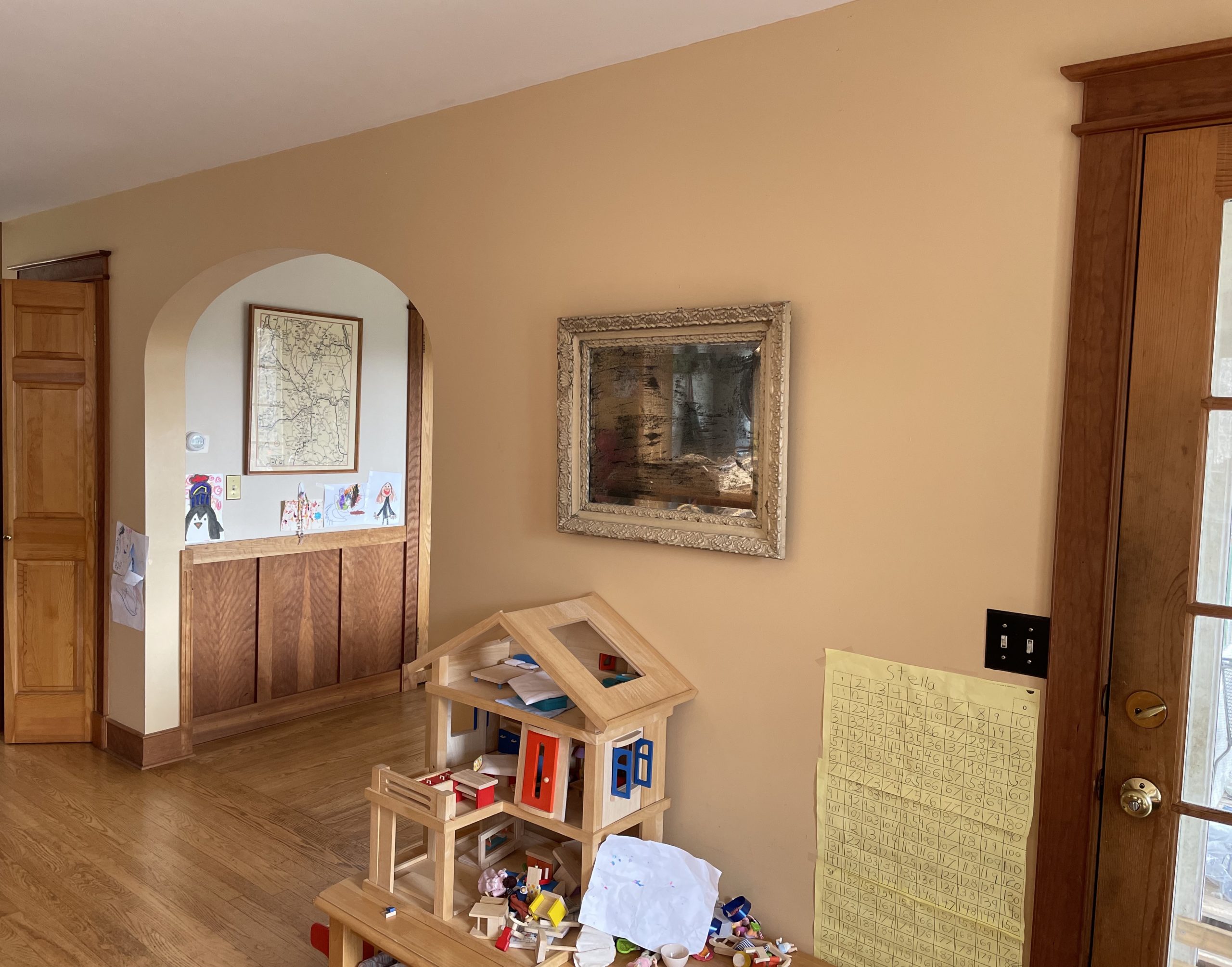
At the heart of the home in question—a structure dating back to the early 1990s—sat a "menace wall." This internal partition served as an inefficient barrier between the kitchen, the dining area, and the primary living space. Beyond the loss of square footage and visual connectivity, the wall featured an unconventional, low-arched doorway that hindered flow and aesthetic cohesion.
For years, the wall stood as a point of contention for the homeowners, frequently questioned by visitors. However, the presence of the wall was not merely a design oversight; it was a functional necessity born of 1991 building standards. It housed critical mechanical infrastructure, including plumbing stacks and electrical distribution points, making its removal a high-risk engineering challenge rather than a simple aesthetic update.

Chronology of a Complex Demolition
The decision to remove the load-bearing wall required a calculated, phased approach that spanned several months. The project was categorized by the homeowners as their most intricate renovation to date, demanding a hybrid strategy of professional oversight and "sweat equity."
Phase I: The Structural Assessment
Before any demolition commenced, the homeowners engaged a professional architect to perform structural load calculations. Ensuring the house remained sound during and after the removal of a load-bearing partition was the project’s non-negotiable priority. This step highlights the critical importance of professional consultation in DIY-adjacent projects; while the physical labor can be managed by the owner, the structural integrity must be validated by licensed experts.
Phase II: Mechanical Rerouting
With the structural plan in place, the project moved to the mechanical phase. This required specialized labor beyond the scope of a typical DIYer. A licensed plumber was contracted to reroute the plumbing stack—an intricate process involving a zig-zag configuration through the ceiling and into the pantry. To conceal the new plumbing lines, the homeowners utilized reclaimed siding from a chicken coop, a creative solution that added character while maintaining budget discipline.
Phase III: Electrical Upgrades
Simultaneously, an electrician was brought in to overhaul the electrical grid that had been previously anchored to the partition. This included relocating the electrical box and installing new recessed lighting in the dining area. The addition of overhead lighting proved to be a significant functional upgrade, transforming the utility of the dining space for evening activities and addressing a long-standing deficit in the home’s original lighting design.
Phase IV: The Beam Installation
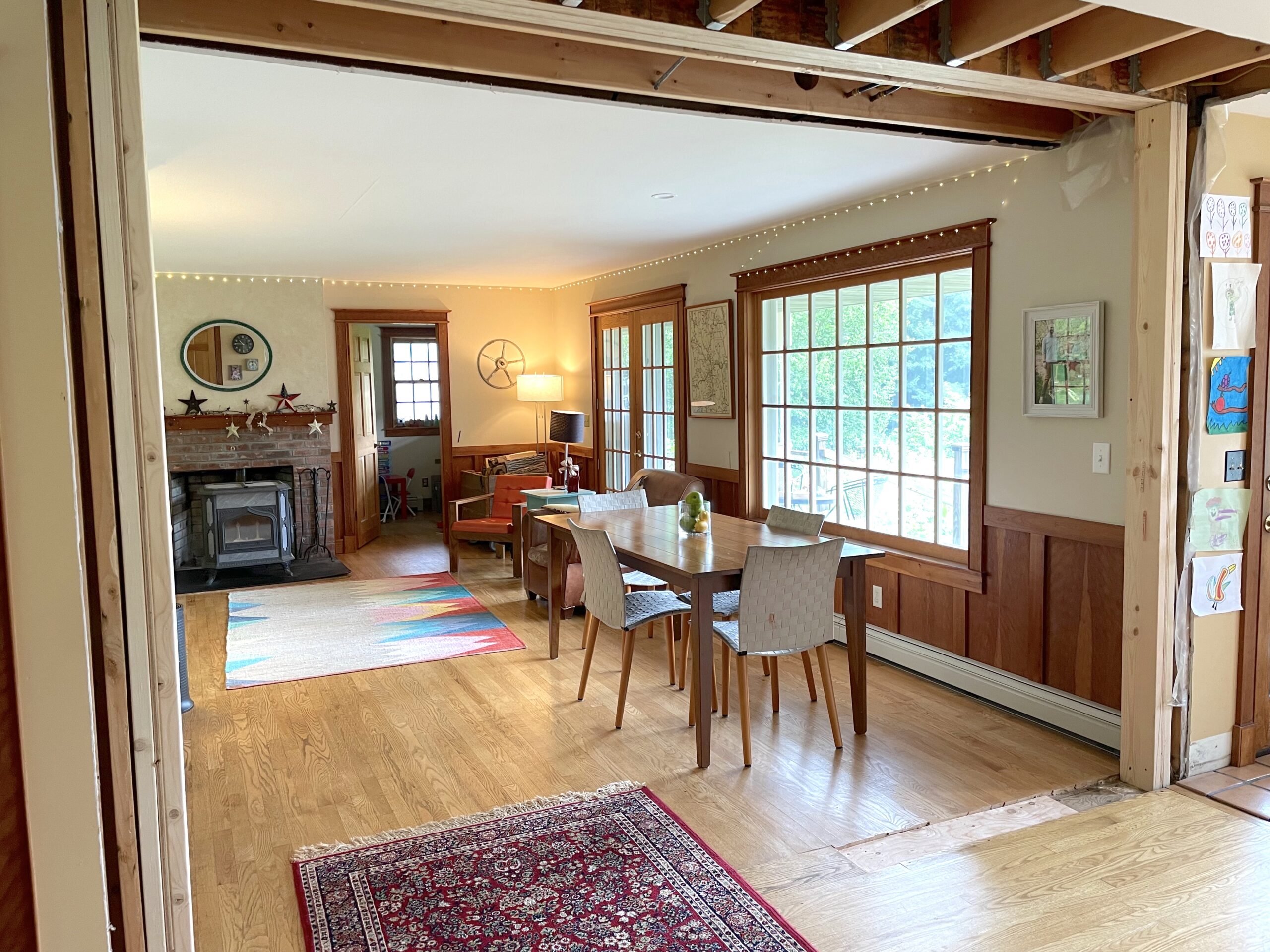
The culmination of the project was the recessing of a support beam—a "work of art" in terms of carpentry. The homeowner undertook the construction of a temporary support wall to hold the ceiling load while the new structural beam was integrated into the ceiling joists. This stage required significant self-taught carpentry skills, underscoring the potential for homeowners to tackle advanced technical tasks provided they have the necessary guidance and patience.
Financial Transparency: The Cost of Improvement
Renovations of this magnitude are inherently expensive. The June 2023 expenditure report for the project provides a granular look at the true cost of structural home improvements.

| Item Category | Amount | Notes |
|---|---|---|
| Lumber and Drywall | $703.53 | Includes beam, temporary wall, and finish materials |
| Tools and Supplies | $600.61 | Specialized hardware, jacks, and fasteners |
| Professional Electrician | $494.98 | Rerouting and new lighting installation |
| Total Project Cost | $1,799.12 | Direct project expenses |
These figures represent only a portion of the household’s June expenses, which totaled $5,044.63. The remaining balance covered routine living expenses, including groceries ($1,147.44), healthcare co-pays ($250.38), and vehicle maintenance ($59.50). This data illustrates the "frugal-but-strategic" philosophy: the homeowners maintain a low-cost, high-efficiency lifestyle (evidenced by their $28.24 monthly cell phone bill) to liberate the capital required for significant long-term home investments.
Implications for the Homeowner
The successful removal of the wall has fundamentally altered the house’s interior flow, creating a more open, airy, and functional environment. However, the project serves as a reminder that "doing it yourself" is not synonymous with "doing it alone."
The project’s success relied on a tripartite balance:
- Professional Consultation: Hiring architects and trade professionals for tasks where safety or legal compliance (plumbing, electrical, structural) is paramount.
- Sweat Equity: The homeowners performed the "grunt work"—demo, debris removal, and finish carpentry—to keep costs manageable.
- Strategic Budgeting: The use of high-yield savings accounts, cash-back credit card strategies (earning $88.90 in a single month), and MVNO cell phone services demonstrates how small, consistent financial habits build the capacity for larger capital projects.
Conclusion: Lessons for Future Renovators
The primary takeaway from this renovation is the necessity of planning. The homeowners have intentionally left the final drywall and flooring work unfinished, awaiting the next phase of their kitchen remodel. By leaving the ceiling accessible, they avoid the "double-work" trap, where future plumbing or electrical needs force the destruction of newly finished walls.
For those contemplating similar projects, the journey of these homeowners suggests that while the temptation to rush a renovation is high, the value lies in a methodical, phased approach. Whether it is managing a household budget through meticulous tracking or navigating the complexities of load-bearing structures, success is found in the intersection of careful research, professional respect, and the willingness to learn. The house, much like the financial plan behind it, is a living entity—ever-evolving and requiring constant, deliberate stewardship.