By Education and Lifestyle Desk
Published: September 2026
Main Facts
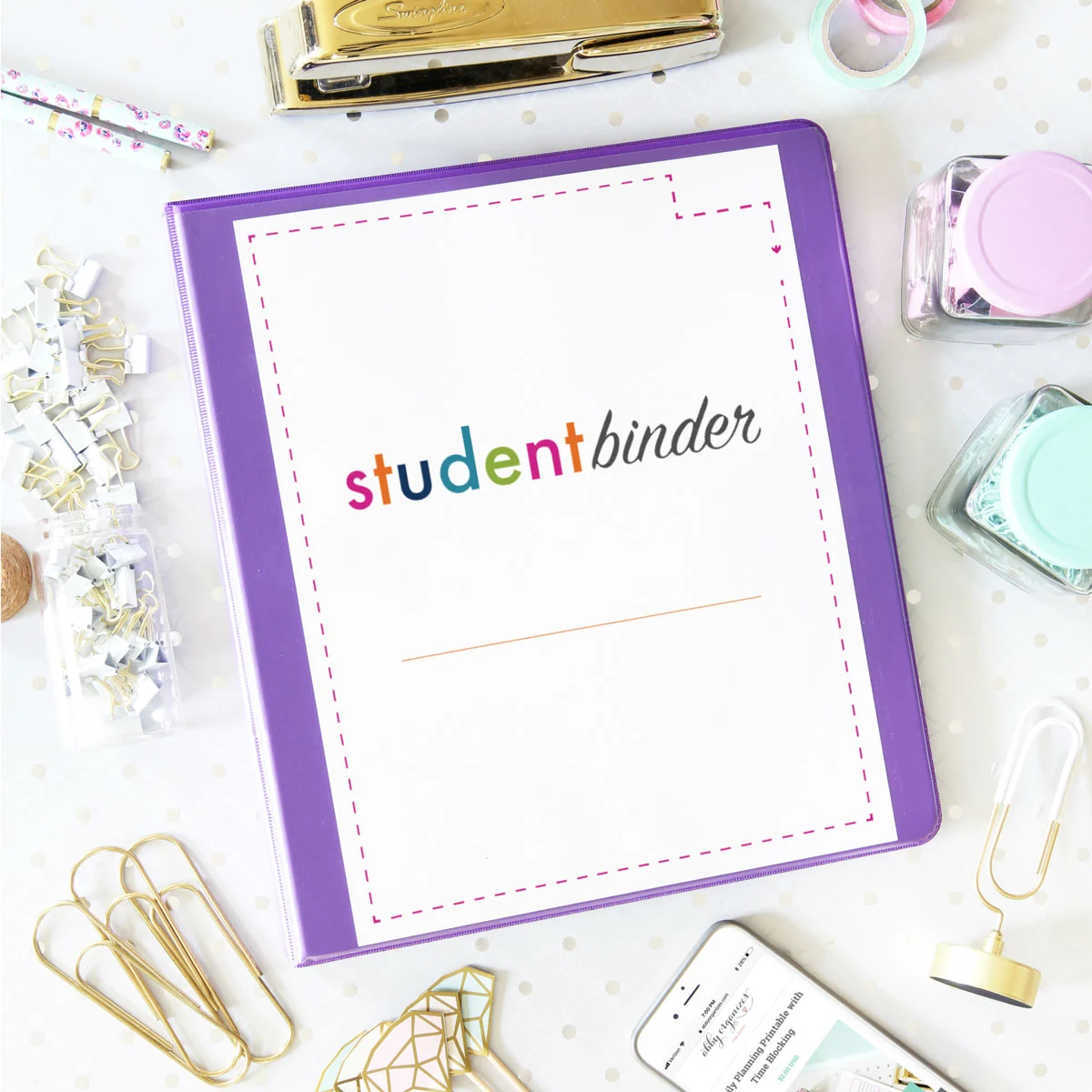
As students, parents, and educators gear up for another demanding academic year, the perennial challenge of classroom organization returns to the forefront. To combat the rising tide of syllabi, shifting exam schedules, and extracurricular commitments, organization expert and blogger Abby Lawson has officially announced the release of her newly updated, highly anticipated Free Printable Student Binder.
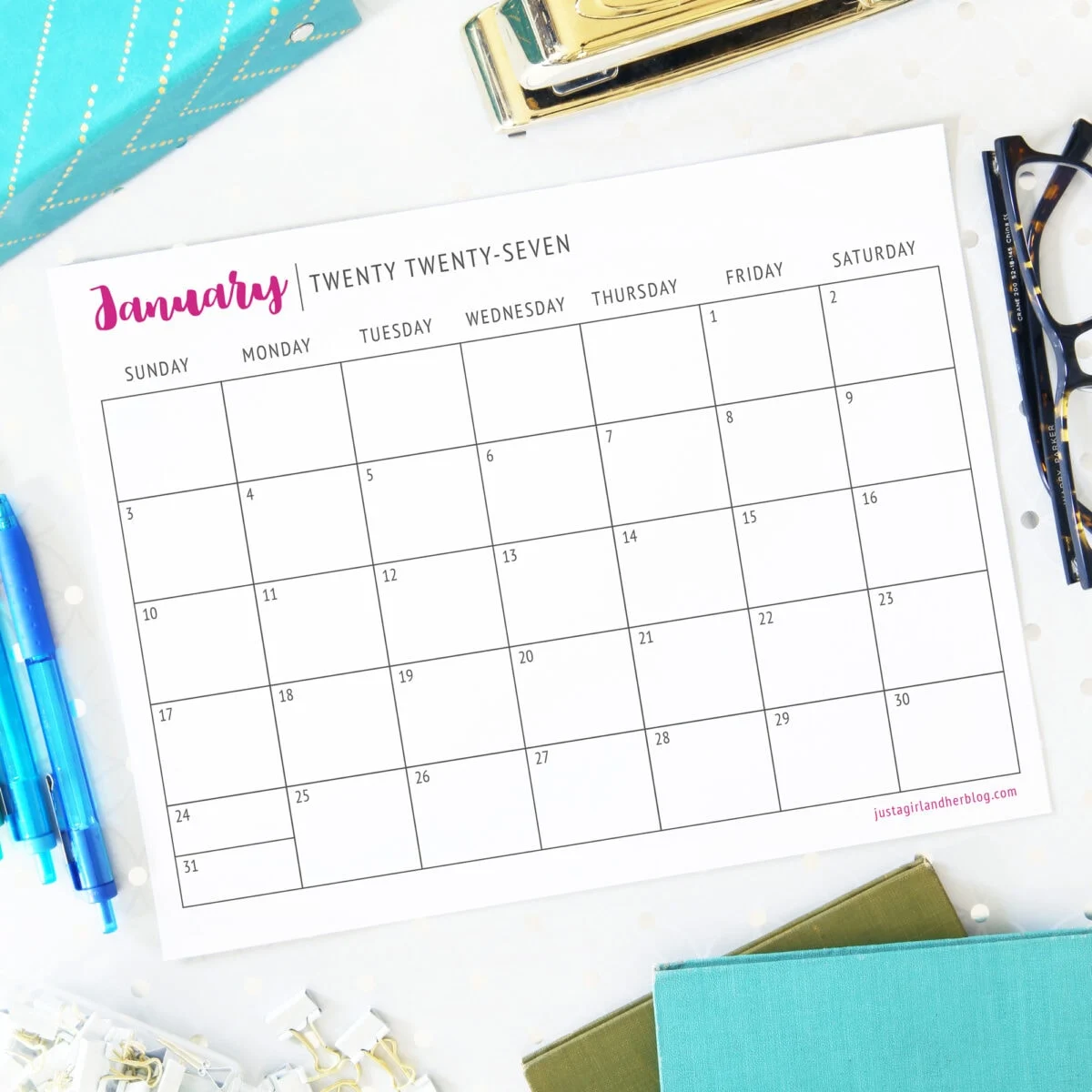
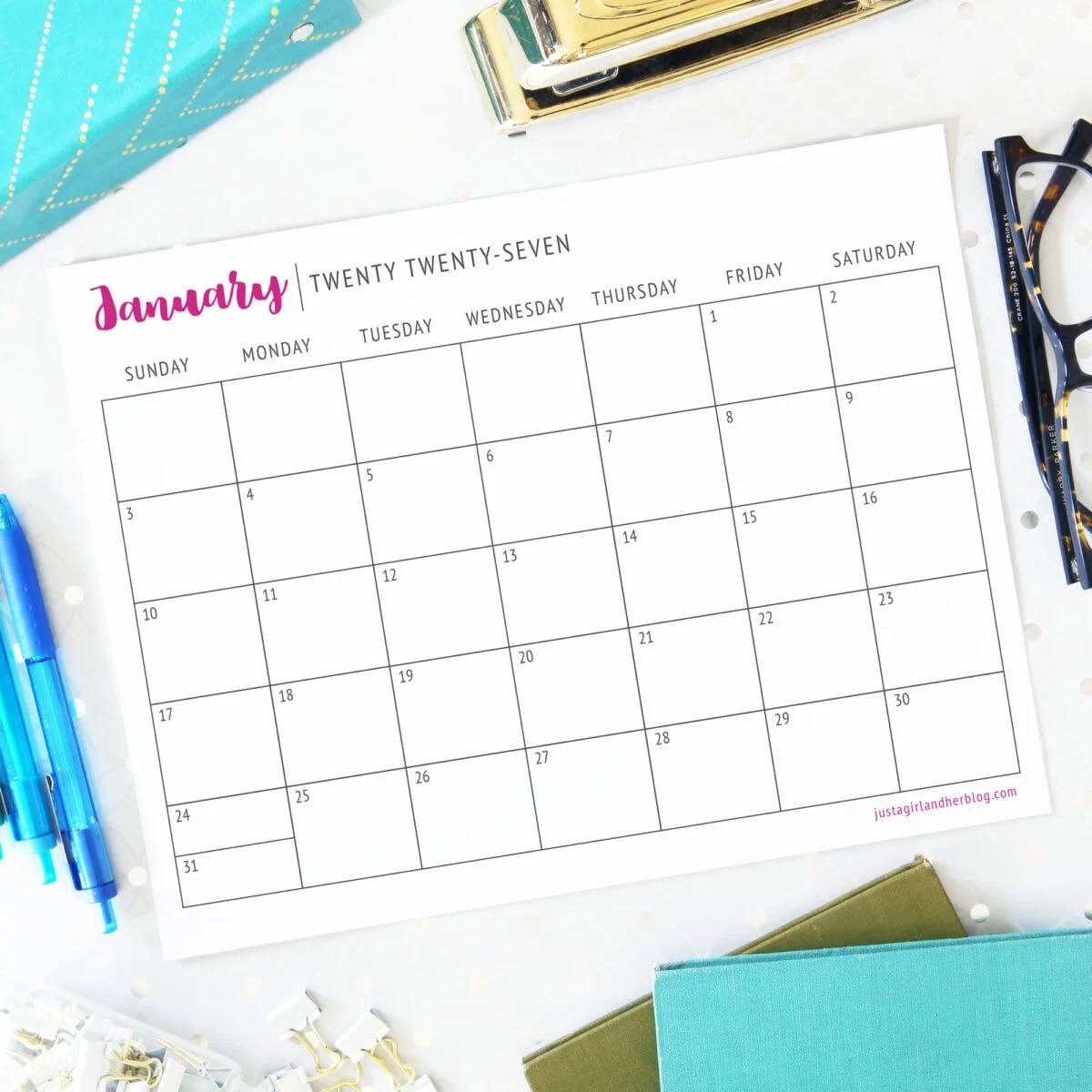
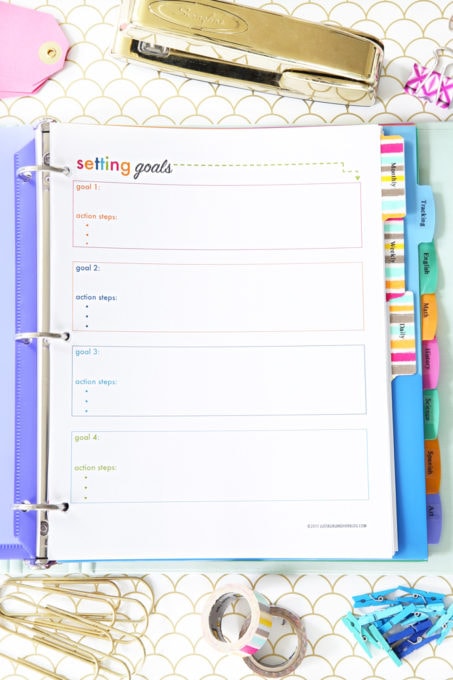
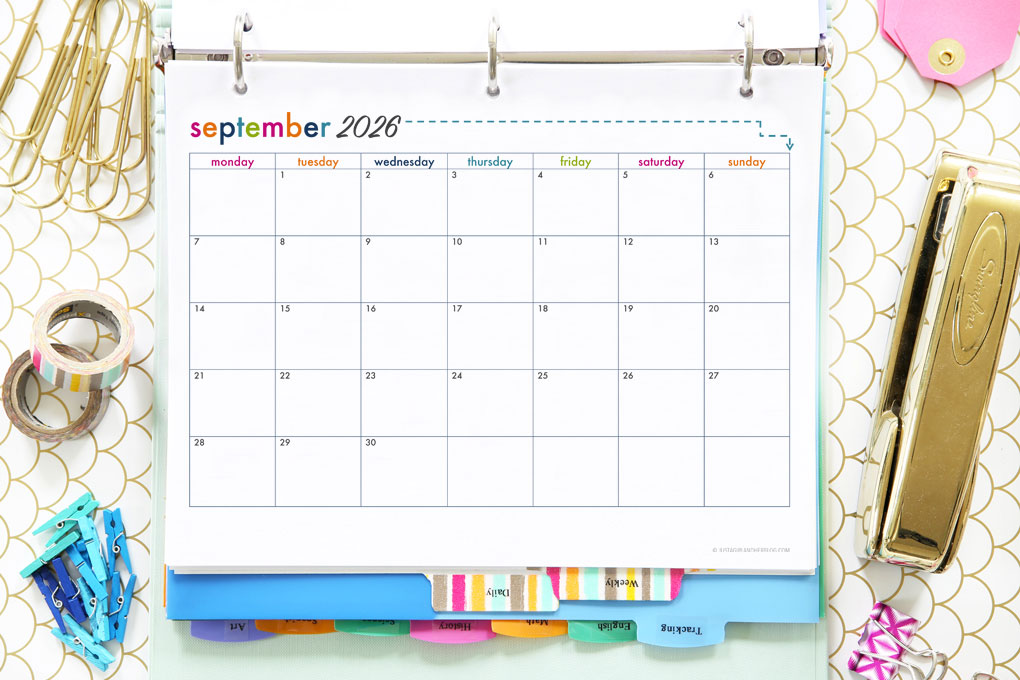
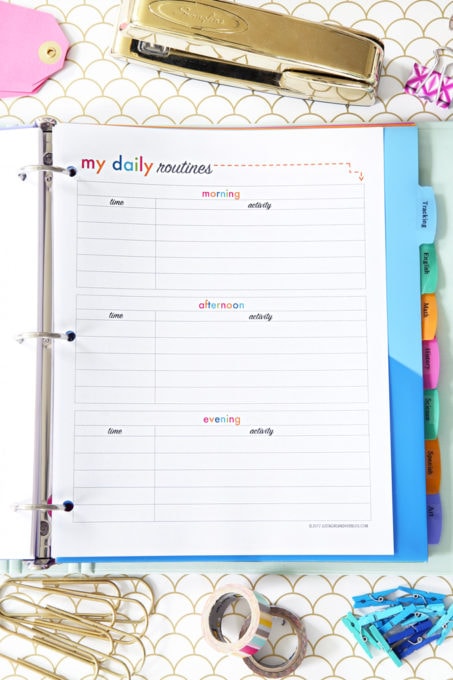
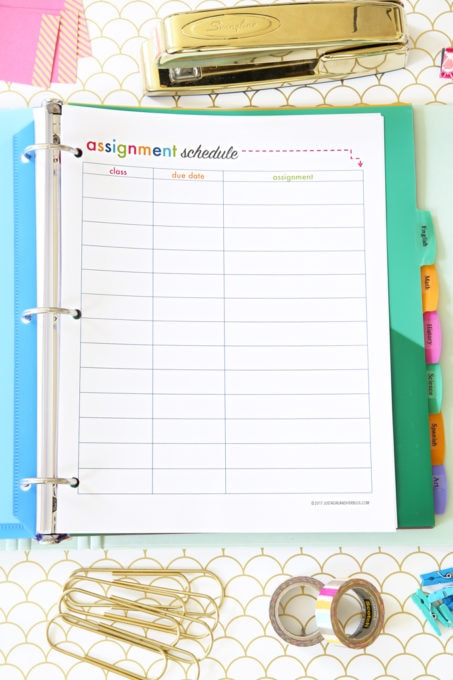
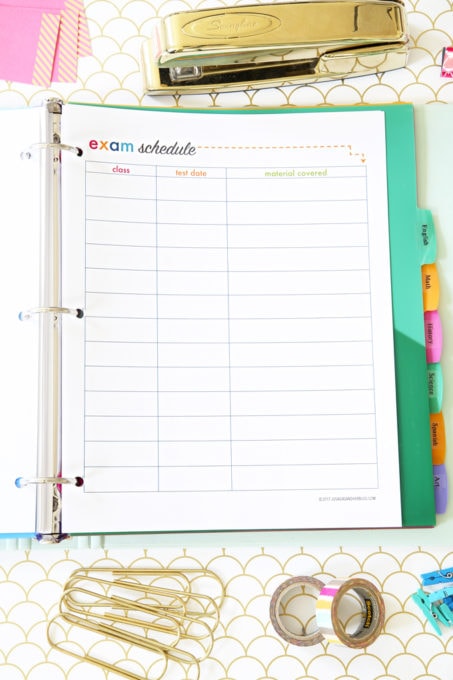
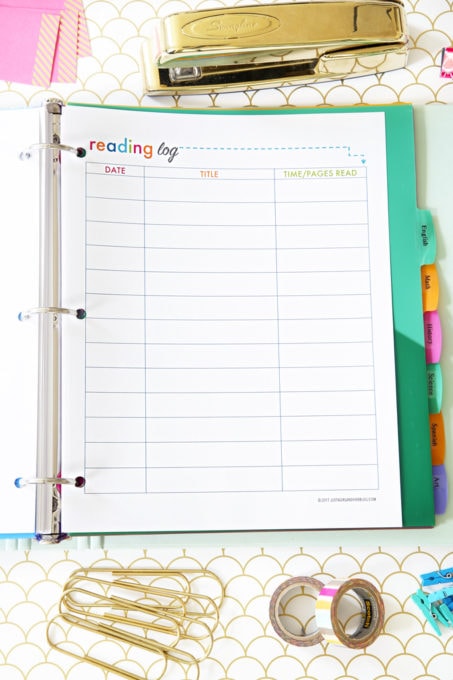
Designed to accommodate learners from middle school through college—and offering surprising utility for working professionals—the system provides a centralized hub for tracking academic performance and daily routines. The newly expanded collection features fully dated monthly calendar pages running from July 2026 through December 2027, flexible undated alternatives, time-blocking weekly and daily planners, and specialized academic tracking tools such as grade trackers, assignment logs, and project planners.

Responding to years of user feedback, the updated release maintains its signature bright, customizable aesthetic while introducing a robust secondary blue color scheme tailored to diverse preferences. Best of all, the entire collection of printables remains entirely free to the public, accessible via digital download.

Chronology
The evolution of the printable student binder reflects a decade-long response to student and parental needs regarding academic stress and structural disorganization:
- July 2016: The initial concept of the student binder was introduced to provide foundational printables—such as class schedules and grade trackers—helping students transition smoothly into the school year.
- Intervening Years (2017–2021): Following widespread adoption, recurring user requests poured in, specifically from parents advocating for gender-neutral or alternative color palettes away from traditional pinks, prompting the preliminary development of secondary design schemes.
- July 2022: A major aesthetic and functional overhaul was launched, introducing modern typography, refined page layouts, and expanded digital integration through Pinterest and resource libraries.
- August 2025–September 2026: In response to advanced requests for long-term forward planning, the binder underwent its most comprehensive update to date, incorporating dated calendar pages stretching through late 2027, advanced time-blocking sheets, and optimized subject-specific sections designed to prevent mid-semester burnout.
Supporting Data
Academic research consistently highlights the correlation between organizational skills and academic performance. According to studies published by educational psychology journals, students who actively utilize planners and tracking systems report a 30% reduction in academic anxiety and a measurable improvement in grade point averages over time.
The student binder system addresses these metrics through a structured, multi-tier layout backed by specific design data:

- Timeline Range: Over 18 months of consecutive dated monthly planning sheets (July 2026 to December 2027), ensuring students can map out entire academic cycles without interruption.
- Planning Modalities: Includes both macro-level tools (yearly goal-setting sheets with actionable steps) and micro-level tools (hourly time-blocking templates for daily routines).
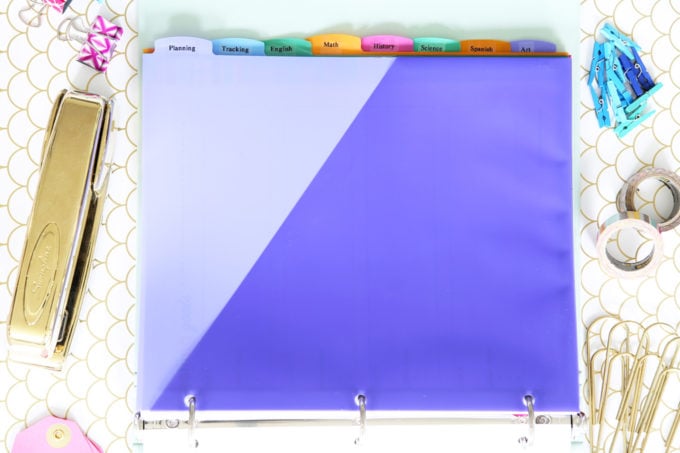
- Subject Tracking Architecture: Each subject tab contains redundant yet essential tracking sheets, including cumulative grade-running totals, formatted note-taking pages, and multi-step project planners.
- Accessibility: The binder is part of a broader library exceeding 300+ pages of free organizational printables, democratizing access to study aids regardless of a family’s socioeconomic status.
Official Responses and Creator Insights
In statements accompanying the release, Abby Lawson emphasized the psychological and practical importance of early intervention when managing student workloads.
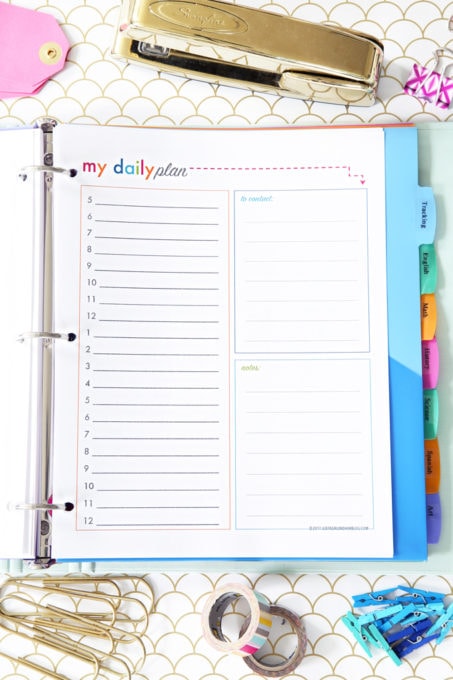
"Over the past few months, one of the most common questions I have received from readers has been, ‘When are you going to update the student binder?’" Lawson noted. "Well, I’m thrilled to say that it is here! This year’s binder still features two color scheme options and many, many printable pages that will help you stay organized throughout the school year."
Addressing the inclusion of alternative color palettes, Lawson recalled feedback from previous years: "In past years I had several requests from moms of boys for binder printables that weren’t quite so pink! As a fellow boy mom myself, I completely understood the need for more options for boys, so I created a second color scheme option that would work for boys or for girls who just prefer blue to pink."
Lawson also stressed that the utility of the binder extends far beyond traditional school walls. "Even if you’re not a student, there are still some of these printables that you could use too, so don’t run off just yet!" she remarked, highlighting the cross-over appeal of time-blocking sheets and monthly calendars for home management and career organization.
Implications
The widespread availability and adoption of low-cost, high-efficiency organizational tools carry significant implications for modern education and home management:
1. Bridging the Equity Gap in Education
While commercial planners and high-end digital organization subscriptions can be prohibitively expensive for many households, free printable systems level the playing field. Students from all economic backgrounds can access professional-grade academic tracking tools, fostering habits of neatness and accountability without financial strain.
2. Combating Digital Fatigue and Enhancing Retention
In an era where educational institutions increasingly rely on digital portals, learning management systems, and smartphone apps for assignment tracking, many students experience severe digital fatigue and distraction. Physical binders and tactile, paper-based planning have experienced a resurgence. Writing down assignments, sketching project milestones on paper, and manually tracking running grade totals engage tactile memory, which cognitive studies link to superior information retention and lower stress levels.

3. Fostering Lifelong Executive Functioning Skills
The habits formed by maintaining a student binder—such as time-blocking, routine creation, and goal decomposition—translate directly into executive functioning skills required in the modern workplace. By teaching students how to break down massive semester-long projects into manageable weekly and daily tasks, resources like this prepare young adults for professional project management and self-regulation.

Conclusion
As the 2026–2027 academic year progresses, tools that marry aesthetic appeal with rigorous functionality will remain indispensable to students navigating complex schedules. Through thoughtful updates, expanded date ranges, and inclusive design choices, the latest iteration of the Free Printable Student Binder proves that organization is not merely about neatness, but about empowering students to take control of their own success.