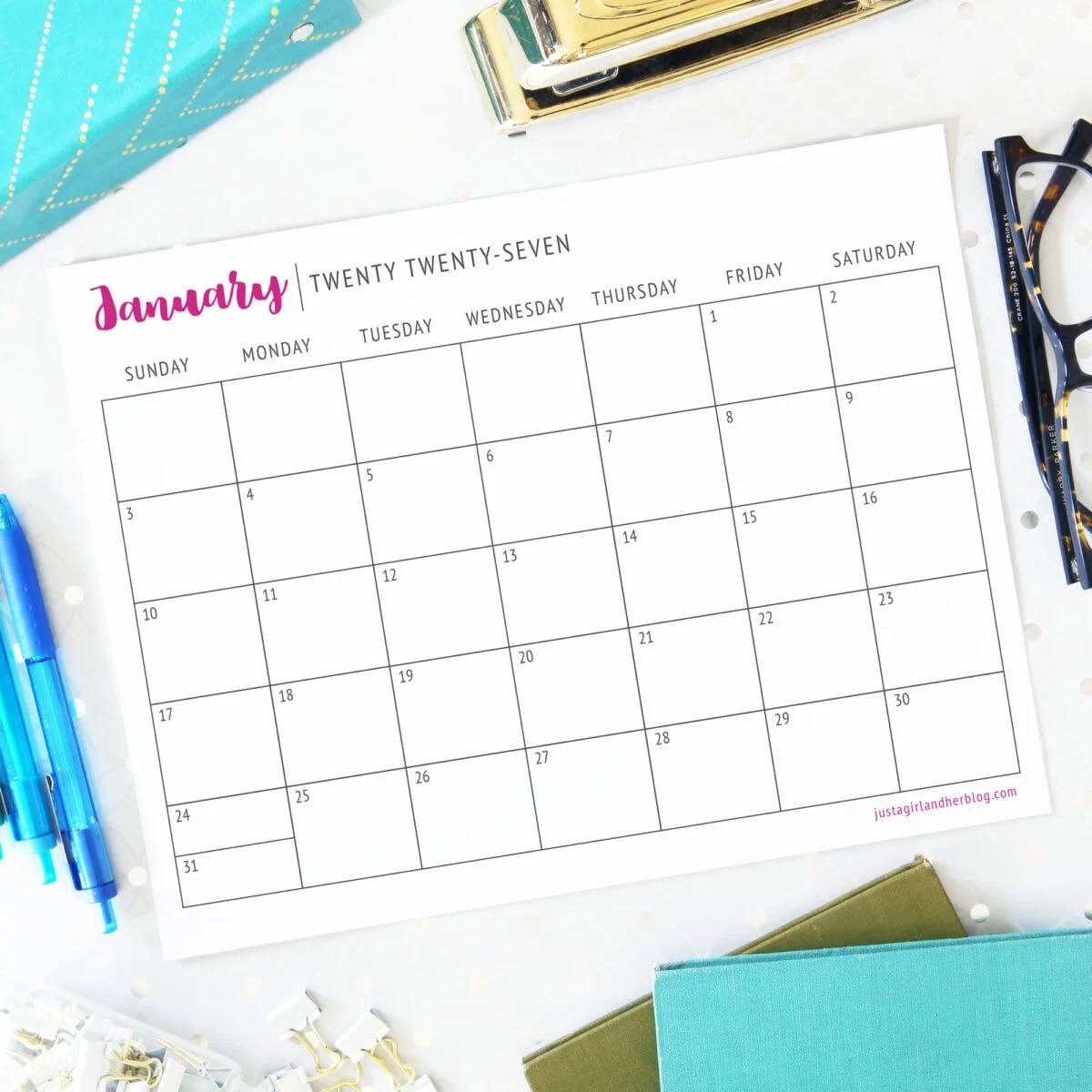
WASHINGTON — For millions of organization enthusiasts, the countdown to a new year always begins a bit early, but the rush for forward-looking schedules has hit unprecedented levels. Industry creators and lifestyle platforms report an extraordinary surge in early-bird inquiries for the upcoming year, prompting the official early release of the highly anticipated Free Printable Calendar 2027.
Designed to serve as a comprehensive life-management tool, the new digital toolkit arrives amid a broader cultural shift toward tactile productivity, analog planning, and intentional time management in an increasingly digital world.
Main Facts: Meeting the Demand for Analog Organization
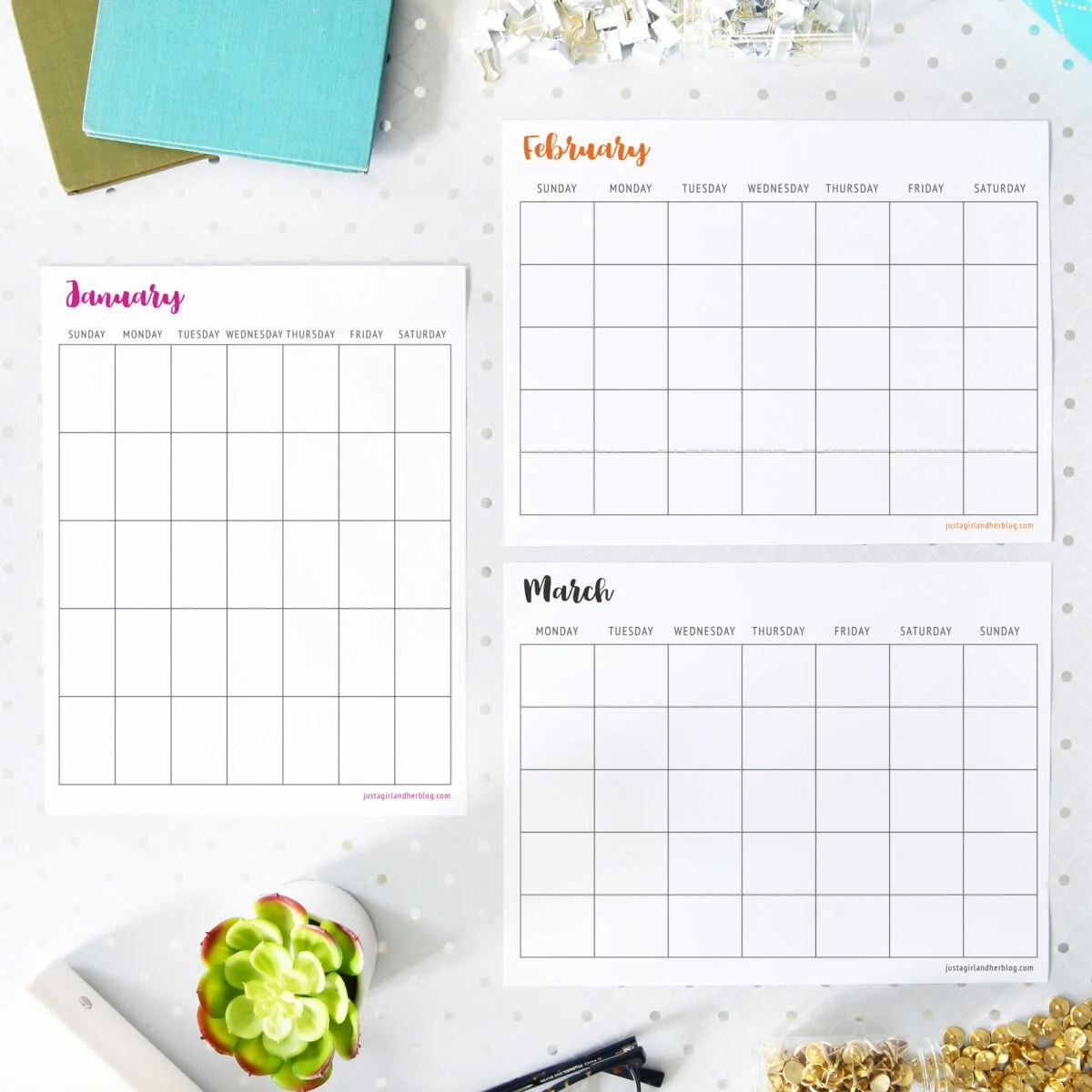
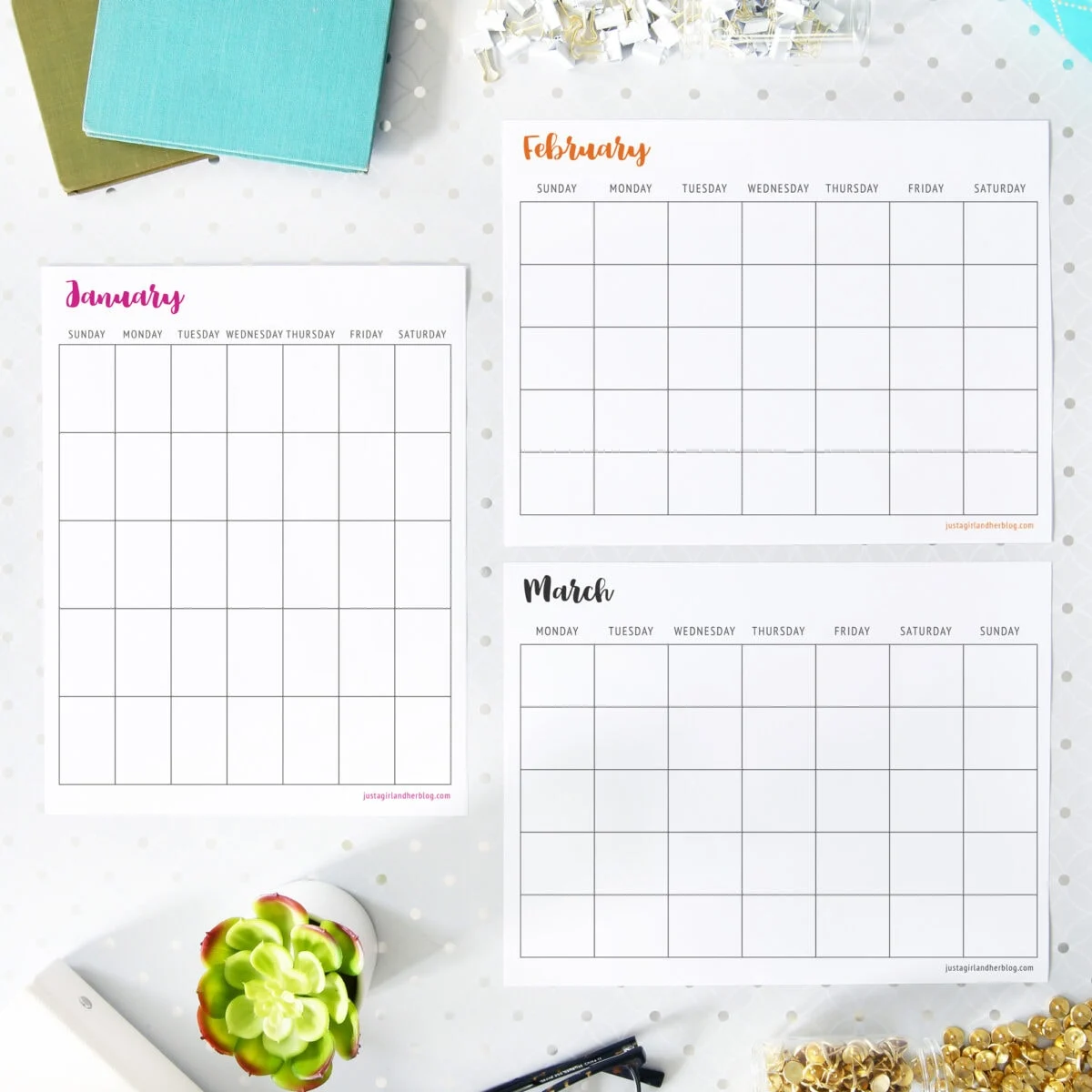
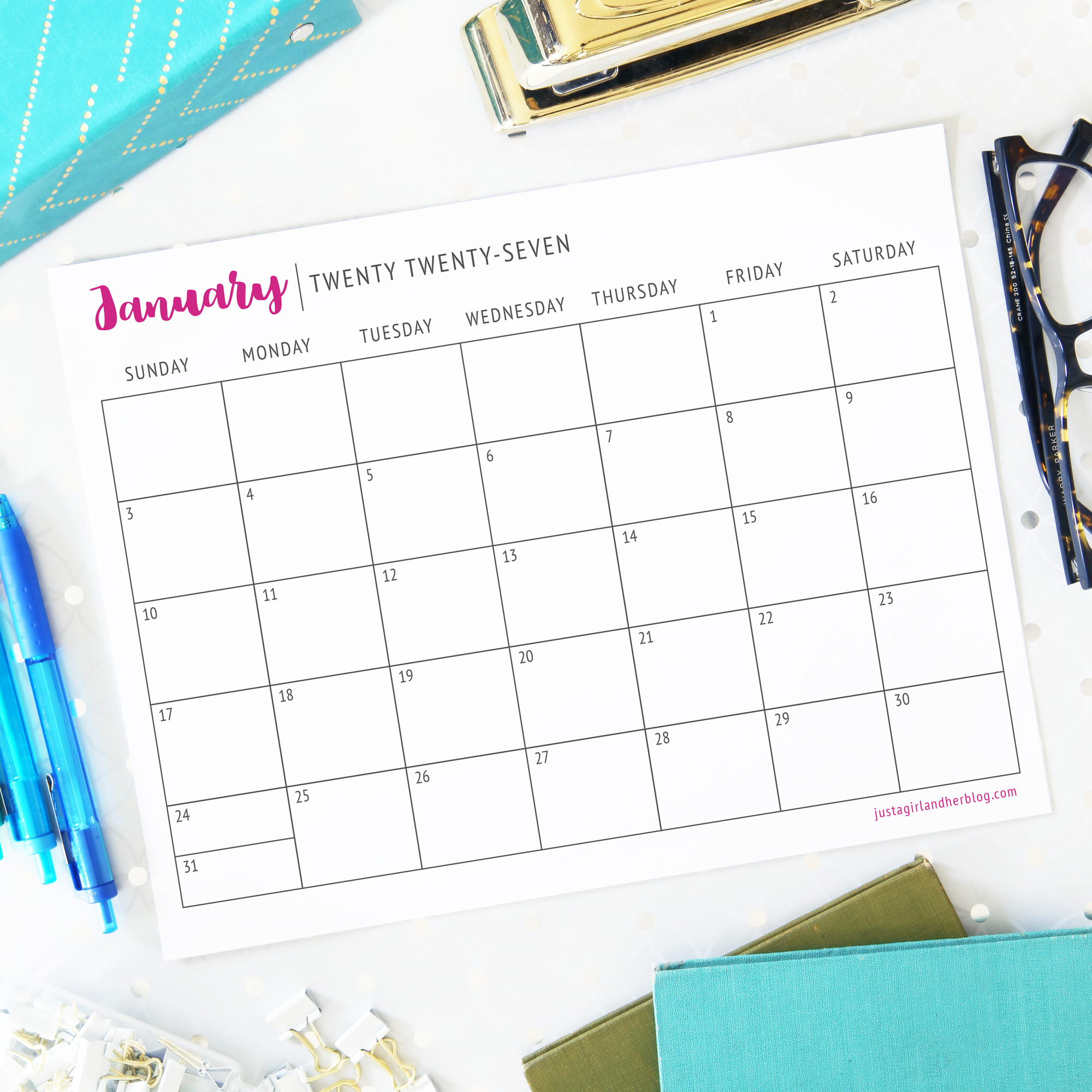
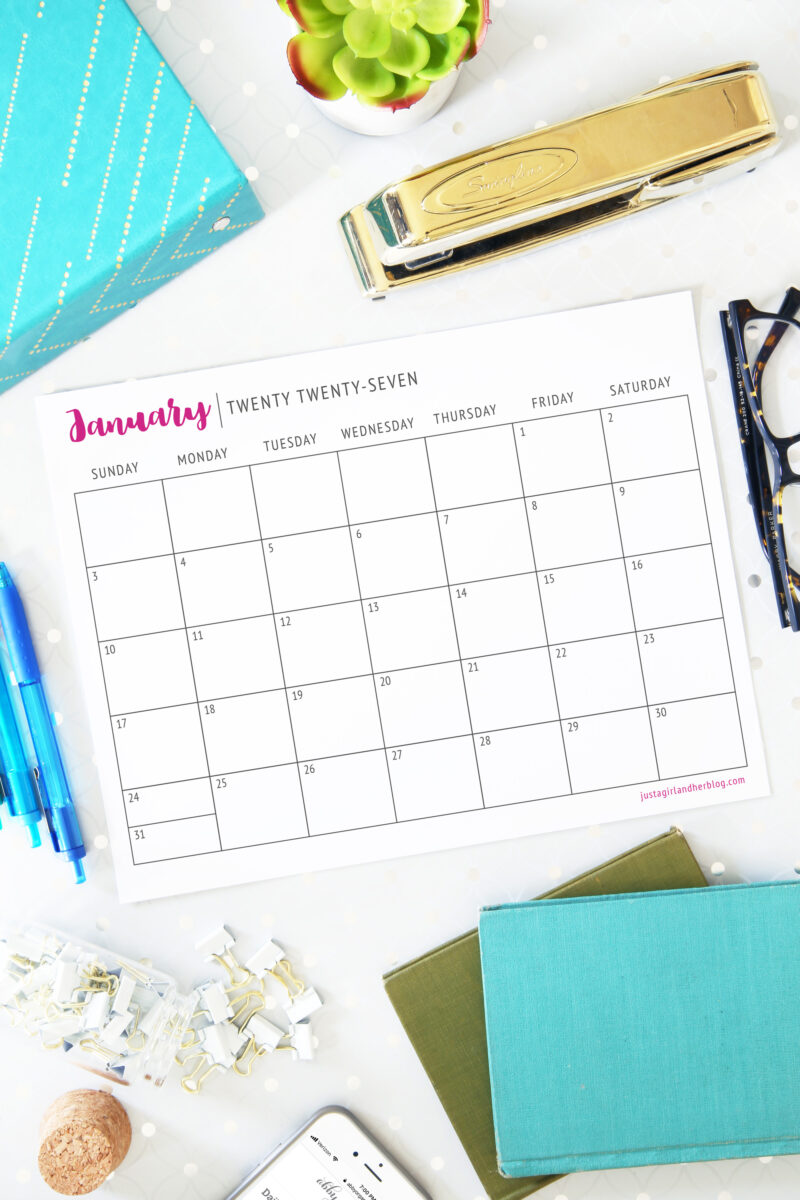
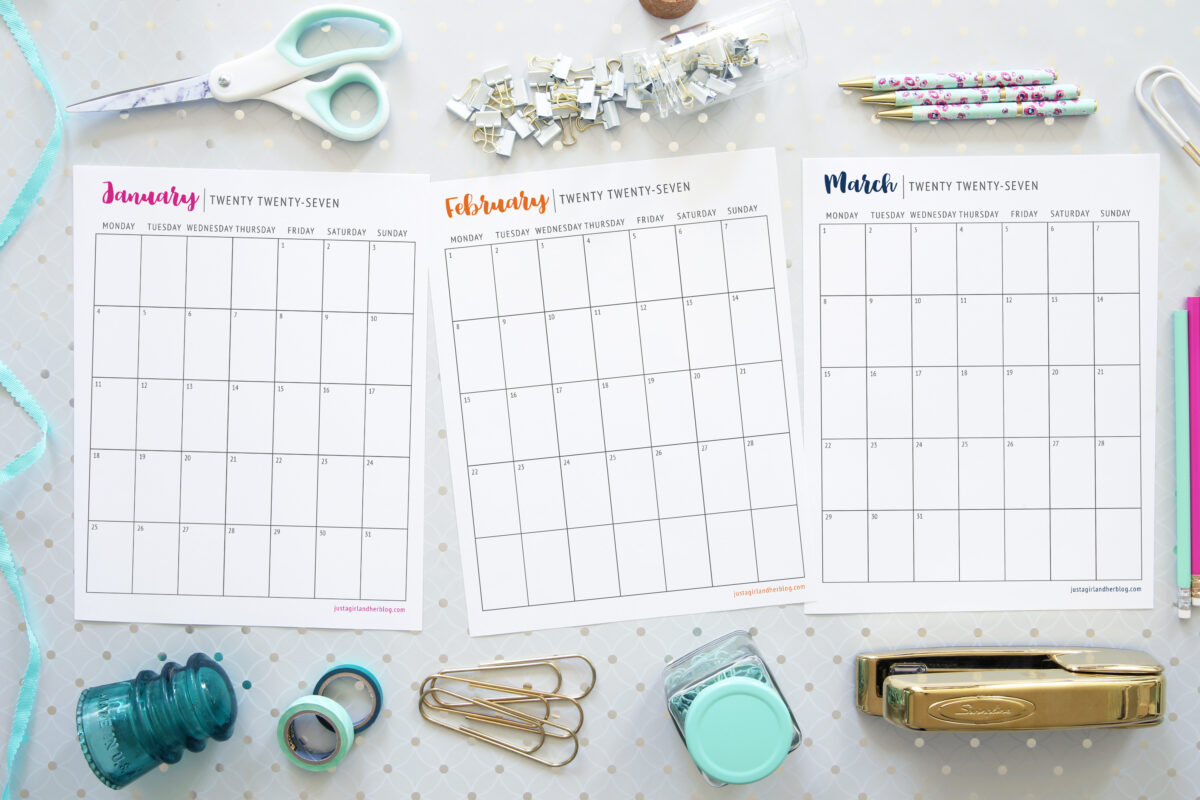
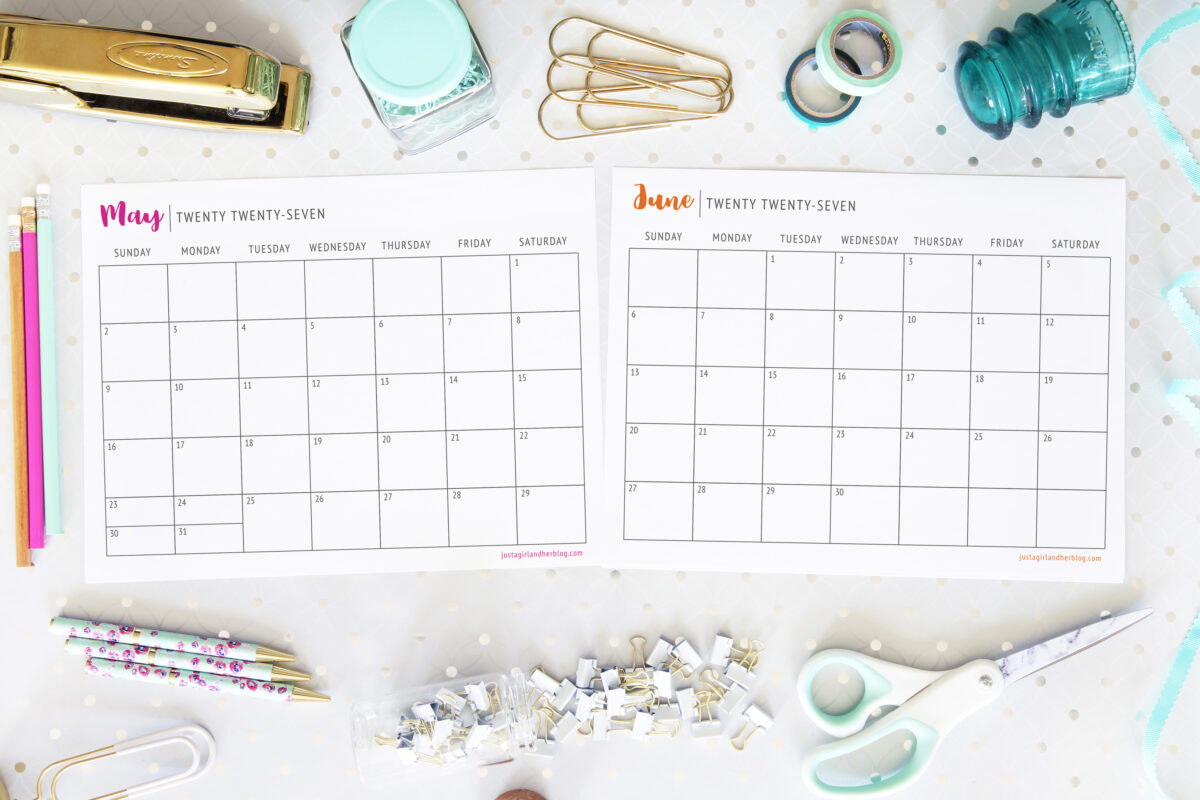
The newly launched Free Printable Calendar 2027 collection provides users with a versatile, downloadable framework to map out schedules, track personal goals, coordinate family activities, and manage vital deadlines. Optimized for standard 8.5” x 11” printer paper, the physical-first format caters to a massive demographic of consumers who prefer the cognitive benefits of handwritten planning over smartphone apps and digital calendars.
Key elements of the 2027 release include:
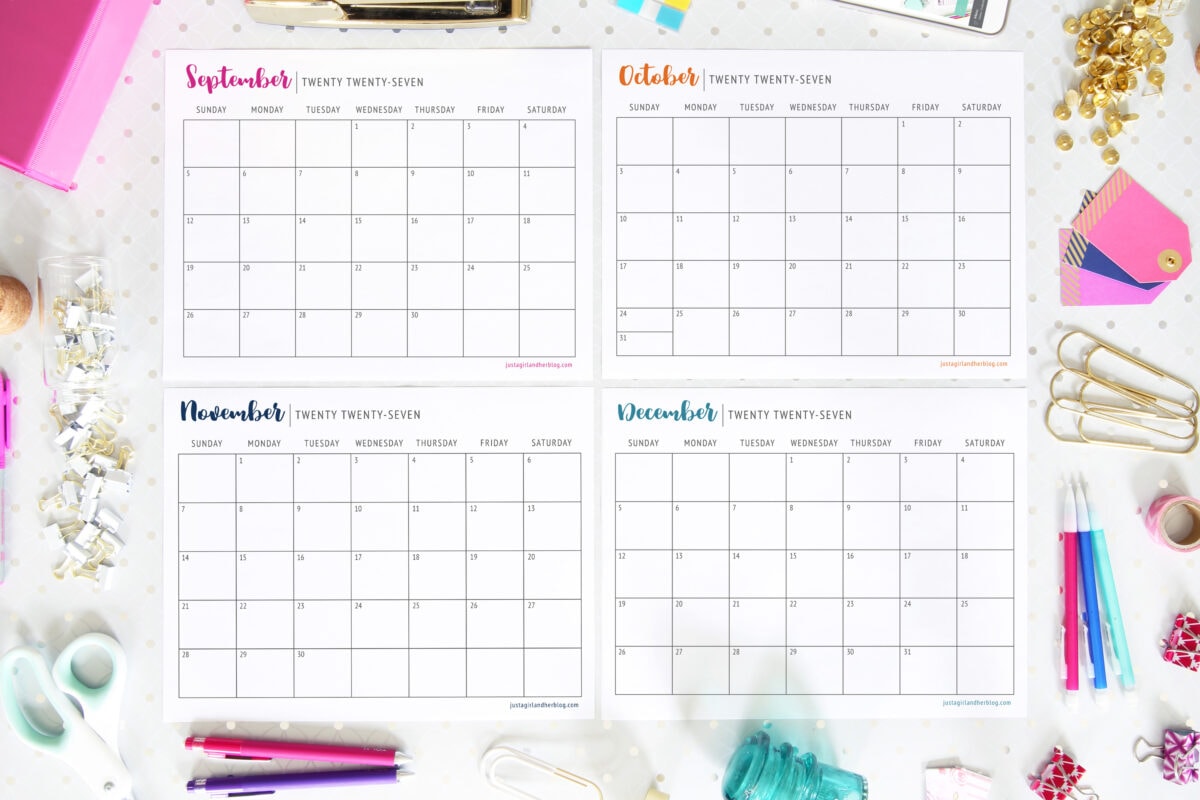
- High-Accessibility Formats: Available in both vertical and horizontal layouts to suit various organizational systems, from refrigerator displays to classic 3-ring binders.
- Multi-Purpose Utility: Engineered to adapt beyond simple date-keeping, serving as meal planners, fitness trackers, study schedules, and project management dashboards.
- Zero Cost Barrier: Offered entirely free of charge as part of a growing digital library of over 65 organizational printables.
“Calendar people are my kind of people,” said Abby Lawson, creator and lifestyle blogger behind the release. “Every year around this time, I start to get a bunch of emails asking, ‘When is next year’s calendar coming out?!’ This year, it started earlier than ever—I think I got my first 2027 calendar request in April.”
Chronology of a Phenomenon: From Bank Giveaways to Digital Demand
The obsession with physical calendars is not a modern invention, but its ecosystem has evolved dramatically over the decades.
- The Pre-Digital Era: Historically, brick-and-mortar establishments—most notably local banks and community credit unions—cemented the annual calendar tradition by distributing branded paper planners and wall calendars during the late autumn holidays. Long-time retail and banking employees recall customers lining up months in advance, sometimes attempting to stockpile a decade’s worth of planners at a time.
- The Rise of Printables (2015–2022): As digital tools saturated the market, a counter-movement emerged. Consumers sought customizable, aesthetically pleasing layouts that could be printed on-demand at home. Creators began developing minimalist and decorative templates to meet this niche.
- The 2027 Surge (April–July 2026): Demand metrics shifted drastically forward. Inquiries for 2027 materials began appearing as early as April 2026—months ahead of traditional publishing cycles. This unprecedented compression of the planning timeline forced creators to accelerate their graphic design and formatting schedules, culminating in the mid-summer release.
Supporting Data: The Psychology and Economics of Paper Planners
While smartphones and cloud-based applications dominate modern enterprise environments, the consumer market for paper-based organization continues to thrive due to distinct psychological and behavioral drivers.
Cognitive Retention and Tactile Engagement
Neuroscience research consistently supports the superiority of handwriting over typing when it comes to memory retention and goal setting. The physical act of writing down an appointment or goal engages motor regions of the brain, creating a deeper cognitive imprint.
The "Fresh Start" Effect
Behavioral economists refer to the psychological phenomenon of seeking out new calendars and planners as a manifestation of the "fresh start effect." Temporal landmarks—whether a new week, a new month, or a brand-new calendar year—provide psychological motivation, allowing individuals to mentally distance themselves from past failures and refocus on upcoming ambitions.
Market Trends in Productivity Tools
- Shift to Hybrid Models: Industry analysts note that while digital calendars manage real-time professional notifications, consumers increasingly rely on paper printables for macro-level life goals, wellness tracking, and family household coordination.
- Cost-Effective Customization: With inflation impacting consumer spending on luxury stationery and pre-bound planners, free printable solutions offer high-end aesthetic customization without financial overhead. Users can print single months, update layouts seasonally, and tailor the medium to their exact functional needs.
Official Responses and Creator Insights
The unexpected rush for 2027 planning materials has highlighted a deep-seated human desire for control and structure amidst global uncertainty. Creators emphasize that the simplest tools often yield the most profound lifestyle improvements.
"There’s just something about calendars that gets people excited," Lawson reflected, recounting past experiences of rationing out holiday calendars to eager patrons. "I totally get it, though. Calendars have quickly become one of my most favorite organizing tools because they can be used for so many different purposes. Whether you are tracking a fitness journey, managing a freelance business, or simply keeping track of soccer practice, a blank page is where momentum begins."
Accessibility advocates and professional organizers have similarly praised the flexibility of open-source printables. By removing financial and structural barriers to organization, free downloadable calendars empower households of all economic backgrounds to implement structured routines.
Implications: The Future of Personal Productivity
The early release of the Free Printable Calendar 2027 signals important shifts in how creators distribute content and how consumers approach time management:
- Micro-Planning Culture: Consumers are no longer waiting for Q4 to map out their futures. The boundary between years is blurring as individuals adopt continuous, long-range planning habits.
- The Resurgence of Analog Design: As screen fatigue rises, digital creators are finding massive success by bridging the gap between digital convenience (instant downloads) and analog utility (paper execution).
- Community-Driven Content: The timeline for product releases is increasingly dictated by audience demand rather than rigid corporate calendars. When users demand a 2027 calendar in April, digital platforms have the agility to respond immediately.
As individuals navigate increasingly busy personal and professional lives, tools like the Free Printable Calendar 2027 offer a tangible anchor. By transforming blank grids into personalized roadmaps, users continue to prove that the humble paper calendar remains an irreplaceable cornerstone of modern productivity.