
In an era of rising costs and economic uncertainty, the difference between financial stability and mounting anxiety often boils down to a single, consistent practice: the "money routine." While many households treat personal finance as an ad-hoc chore—tackled only when a bill becomes overdue or a bank balance looks suspiciously low—others have found that treating household money management as a structured, recurring ritual is the key to long-term prosperity.
This behind-the-scenes look at how one family transitioned from financial avoidance to a disciplined, collaborative system offers a roadmap for others seeking to gain control over their fiscal health. By shifting from a passive "wait-and-see" approach to a proactive, weekly engagement, families can eliminate the mental load of debt, reduce friction in their relationships, and gain clarity on their future goals.

The Evolution of Financial Responsibility
For years, the division of labor in many households followed a traditional, if lopsided, path. One partner often assumes the role of the "finance manager," while the other remains intentionally detached, citing a lack of interest or an aptitude for math. However, this dynamic often creates a hidden burden. When one person carries the entire "mental load" of the household budget, the other is left without the context necessary to make informed spending decisions.
The "aha" moment for many occurs when they realize that financial ignorance isn’t just a personal preference—it’s a disservice to the partnership. Effective financial management requires both partners to be equally invested. By moving away from the "head in the sand" approach, couples can transform a source of tension into a collaborative, goal-oriented activity.

A Chronology of Change: Moving from Chaos to Clarity
The transition to a healthy money routine does not happen overnight. It is a process of iteration, testing, and refinement.
- The Recognition Phase: Acknowledging that the current system is failing. This often involves realizing that one partner is stressed or that the household is lacking a long-term savings strategy.
- The Tool Selection: Moving from disorganized banking apps to a centralized tracking system. Whether through a digital spreadsheet, a dedicated budgeting app, or a physical binder, having a single source of truth is vital.
- The Habit Formation: Designating a specific time each week—often a Friday—to sit down and conduct "money moves." This consistency is the bedrock of the routine.
- The Review Cycle: Once the weekly habit is established, the focus shifts to monthly and annual reviews. These milestones allow the family to zoom out and assess the trajectory of their net worth, savings goals, and overall spending habits.
The Mechanics of the "Friday Money Moves"
For the family featured in this study, Friday has become the official day for financial synchronization. The process is remarkably straightforward but relies on strict adherence to a few key pillars.

Transaction Logging and Categorization
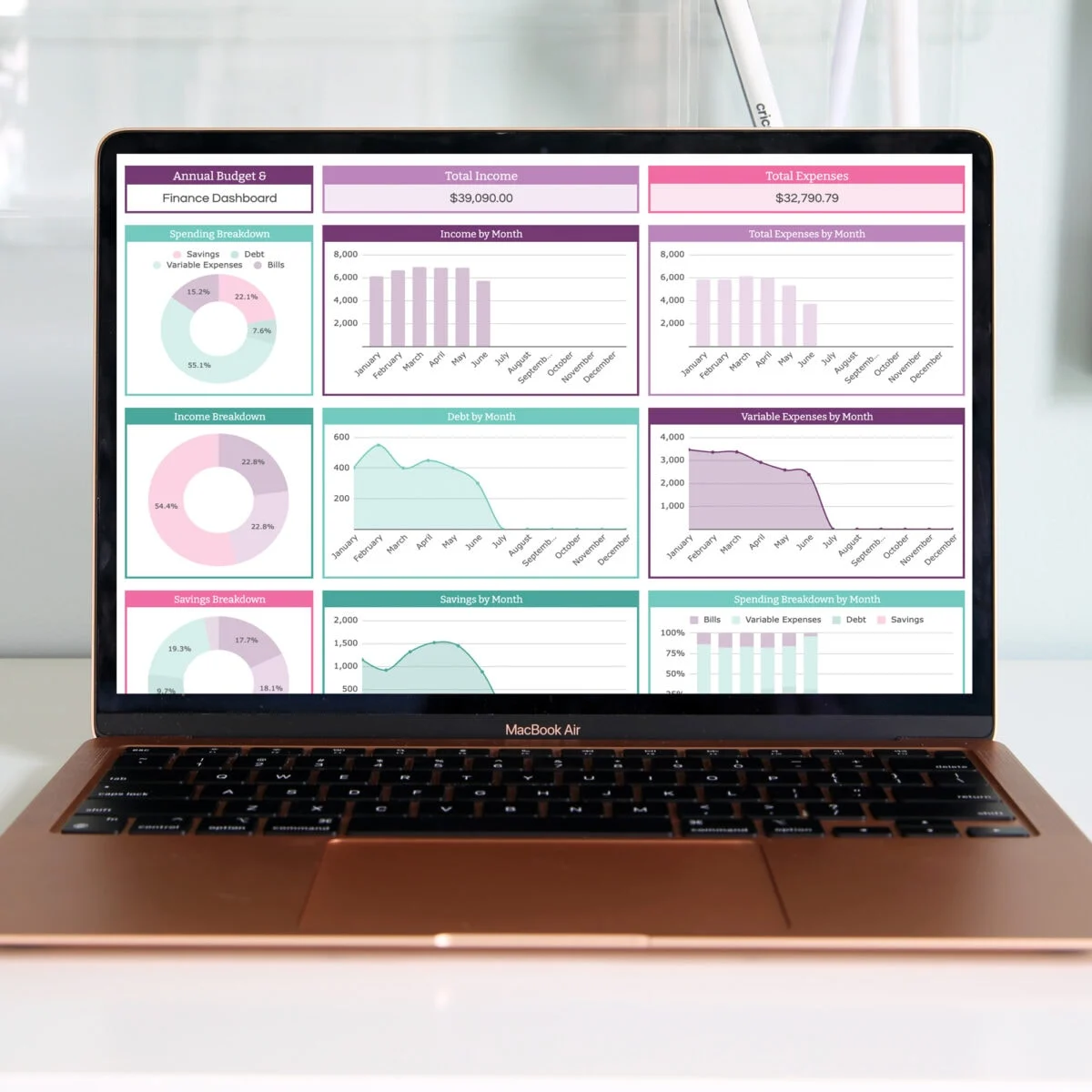
Throughout the week, both partners utilize credit cards for nearly all transactions to maximize transparency and leverage rewards. These cards are paid off in full every month, ensuring that debt does not accumulate. On Fridays, the "finance manager" aggregates these transactions into a centralized "Complete Finance Dashboard."
Every charge—whether it’s a quick stop at a coffee shop or a recurring utility bill—is mapped to a specific category (e.g., "Variable Expenses," "Eating Out," or "Utilities"). By doing this, the family can instantly see which sub-categories are nearing their budget limits, allowing for real-time adjustments before the month ends.

Managing Sinking Funds
A sophisticated money routine goes beyond tracking day-to-day spending; it incorporates "sinking funds." These are distinct buckets of savings designed for anticipated future expenses, such as holiday shopping, annual vehicle maintenance, or a family vacation. By contributing a set amount to these funds weekly, the family avoids the "emergency" scramble that often leads to credit card debt. These funds act as a shock absorber, ensuring that large, non-monthly expenses are fully funded before they are even incurred.
Supporting Data: The Impact of Financial Awareness
The power of this routine lies in the data it generates. By maintaining a longitudinal view of household spending, families can move beyond guessing and start making evidence-based decisions.

- Spending Velocity: By tracking spending halfway through the month, a family can determine if their current trajectory will result in a surplus or a deficit. If, for instance, 75% of the "Dining Out" budget is spent by the 15th, they can consciously pivot to home-cooked meals for the remainder of the month.
- Subscription Audits: Monthly reviews provide the perfect opportunity to identify "subscription creep." By reviewing every transaction, families can easily spot services they no longer use and cancel them, immediately freeing up cash flow.
- Goal Calibration: At the end of the year, the accumulated data serves as the foundation for the following year’s budget. It removes the guesswork from forecasting, allowing families to set realistic goals for savings, investments, and charitable giving.
Professional Perspective on Financial Routines
While specific tools and strategies vary, financial professionals consistently emphasize the importance of communication and automation.
"The most effective financial systems are the ones you actually stick to," says one financial strategist. "The ‘perfect’ budget is irrelevant if it is too complex to manage. A routine that takes 20 to 30 minutes a week, like the one described here, strikes the right balance between diligence and sustainability."

Experts also highlight that the "mental load" reduction is a significant secondary benefit. When both partners have access to the same dashboard, the "who paid for that?" arguments are replaced by a shared understanding of the household’s financial standing.
The Psychological Implications of Financial Transparency
Beyond the numbers, the true value of a consistent money routine is psychological. Financial stress is a leading cause of marital discord. By creating a system where both partners are on the same page, the "come to Jesus" meetings—those high-stress, late-night conversations about debt—become a thing of the past.

When a couple knows exactly where their numbers stand, they feel empowered rather than controlled by their finances. They are no longer reacting to a lack of money; they are directing their money toward the things that matter most to them. This shift from scarcity to intentionality is the hallmark of a healthy financial lifestyle.
Building Your Own System
If you are looking to replicate this success, consider these three actionable steps:

- Define Your Roles: Determine how you and your partner (or your own household) will divide the work. One person might be the "data entry" specialist, while the other handles bill payments and bank transfers.
- Pick Your Tool: Whether it is a sophisticated spreadsheet, a robust budgeting software, or a paper-based binder, pick one and commit to it for at least 90 days.
- Schedule the Appointment: Treat your weekly money review with the same importance as a doctor’s appointment or a work meeting. If it isn’t on the calendar, it is likely to be pushed aside.
Conclusion: A Path to Financial Confidence
Budgeting is frequently misunderstood as a restrictive practice—a way to limit enjoyment. In reality, it is the exact opposite. A well-maintained money routine provides the freedom to spend on the things that truly add value to your life because you have already accounted for the necessary expenses and long-term goals.
As you embark on your own journey toward financial clarity, remember that there is no "perfect" way to manage money. There is only the way that works for you. By staying consistent, maintaining transparency, and checking in regularly, you can build a system that not only manages your bills but actively supports your family’s dreams and aspirations.

Whether you are just starting your first spreadsheet or looking to refine a long-standing routine, the act of taking control is the most important step. Your future self will thank you for the 20 minutes you spend today.