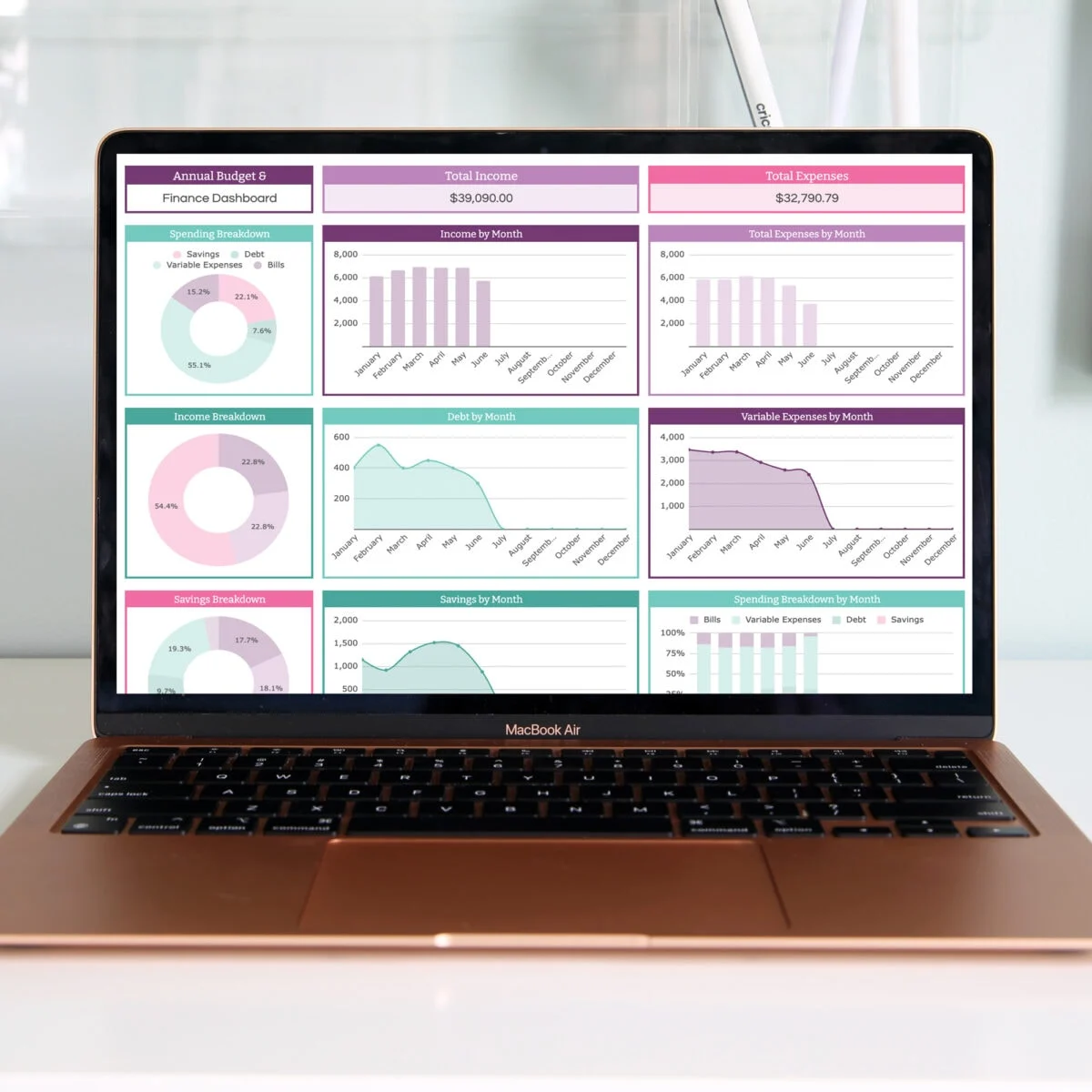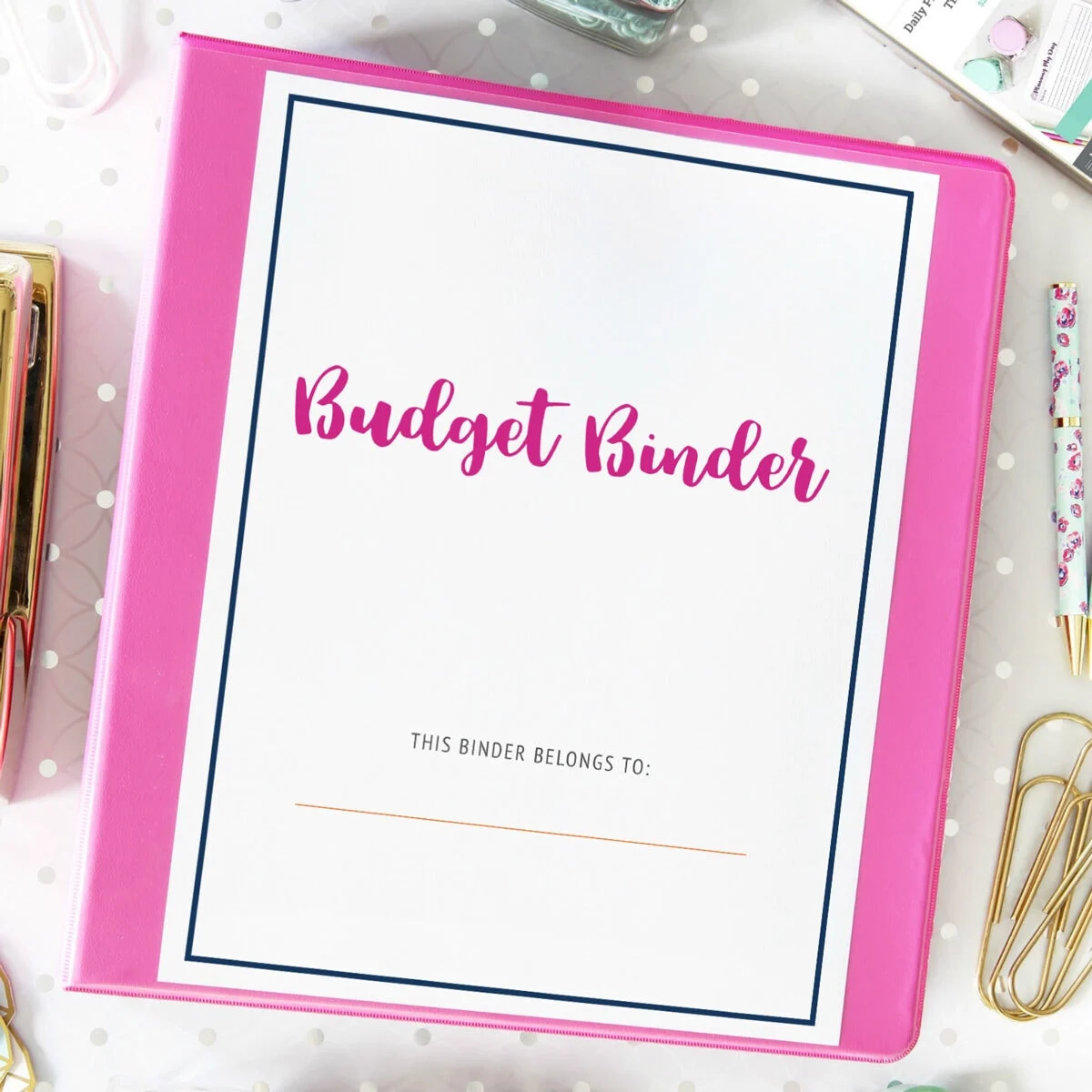
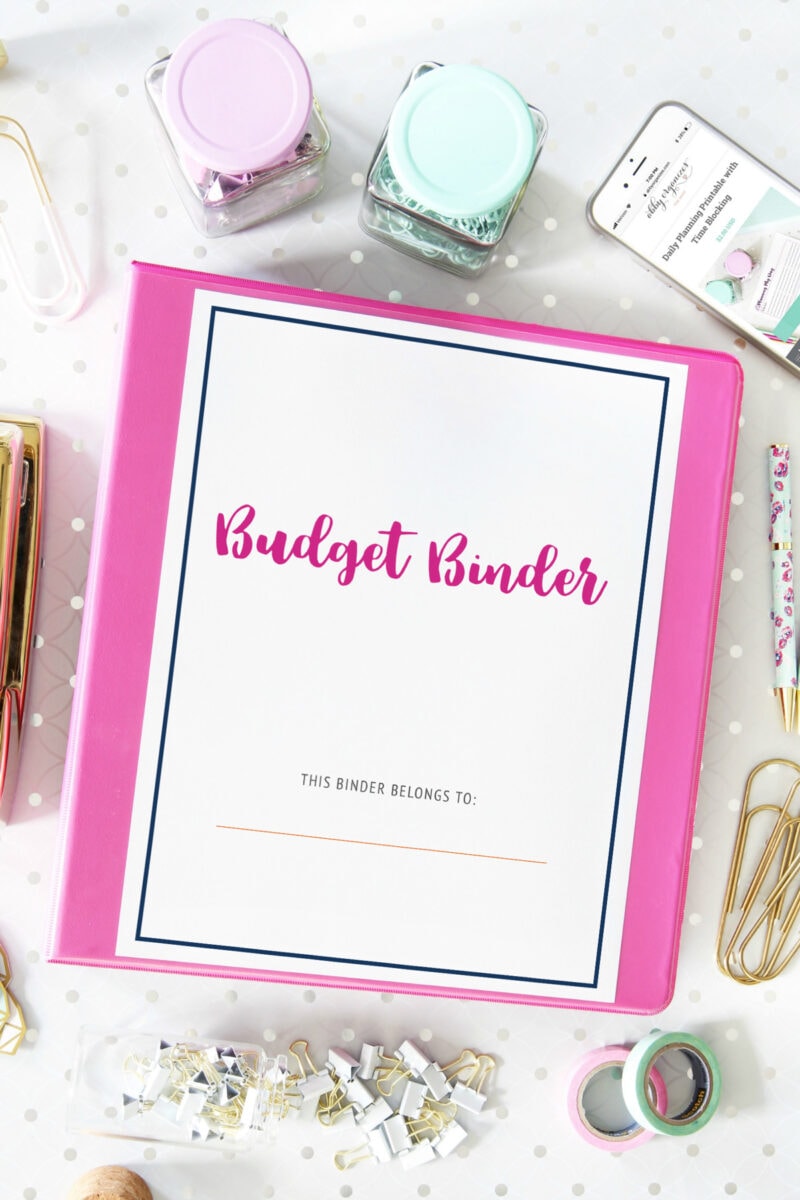
As the calendar turns toward 2026, many households are facing the familiar post-holiday fiscal hangover. With credit card statements arriving and the reality of annual expenses setting in, the need for a structured financial strategy has never been more pressing. In response to high reader demand, a comprehensive, free printable 2026 Budget Binder system has been released to help individuals regain control over their income, curb unnecessary spending, and accelerate debt repayment.
This system is designed not merely as a ledger, but as a holistic financial management tool. By integrating goal setting, expense tracking, and monthly reflection, users are empowered to transition from passive spending to proactive wealth management.
The Core Philosophy: Why Manual Tracking Still Matters
In an era dominated by automated banking apps and digital finance platforms, the resurgence of the physical "Budget Binder" may seem counterintuitive. However, proponents of this method argue that the act of physically writing down expenses creates a psychological "friction" that digital notifications cannot replicate.
When you manually record a purchase, you are forced to acknowledge the transaction in real-time. This awareness often serves as a deterrent to impulse buying. The 2026 Budget Binder system leverages this concept to help users align their daily habits with their long-term financial aspirations.
Structural Components of the 2026 Budget Binder
To effectively manage a household budget, the system is broken down into four essential pillars. Each serves a distinct purpose in the financial lifecycle of a month.
1. The Strategic Foundation: Goal Setting
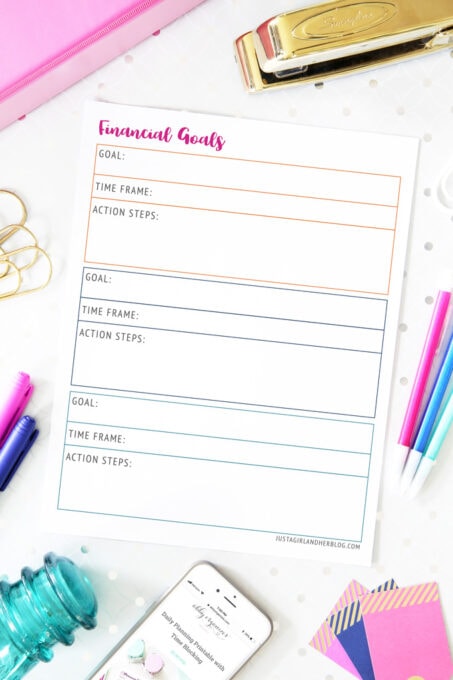
Financial success is rarely accidental; it is the result of deliberate planning. The binder begins with a dedicated goal-setting sheet. Unlike vague resolutions to "save more," this tool requires users to:
- Define specific debt-reduction targets.
- Establish a firm timeline for completion.
- Outline actionable steps (e.g., side hustles, budget cuts, or increased payment frequencies).
By keeping these goals at the front of the binder, they serve as a constant visual reminder, providing the necessary motivation when facing the temptation of discretionary spending.
2. Managing the Predictable: Recurring Expenses
Many families struggle because they fail to account for non-monthly obligations. The "Recurring Expenses" section is designed to capture yearly, quarterly, and semi-annual costs.
- Identification: By reviewing past bank statements, users can identify overlooked subscriptions, insurance premiums, and property taxes.
- Verification: The system includes a checklist grid, allowing users to verify that these bills are accounted for, preventing late fees and ensuring cash flow remains consistent throughout the year.
3. The Tactical Daily Tracker: Expense Logging
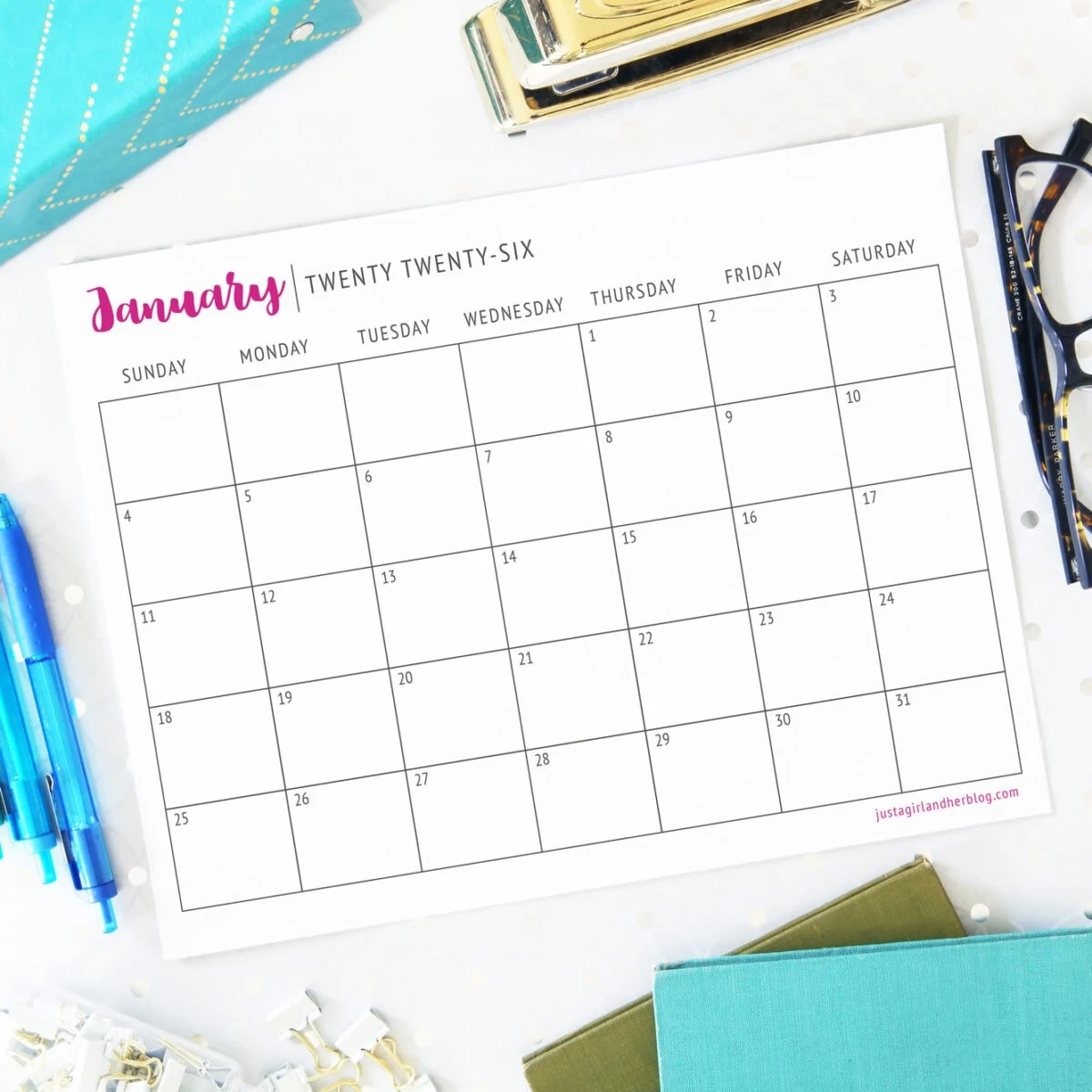
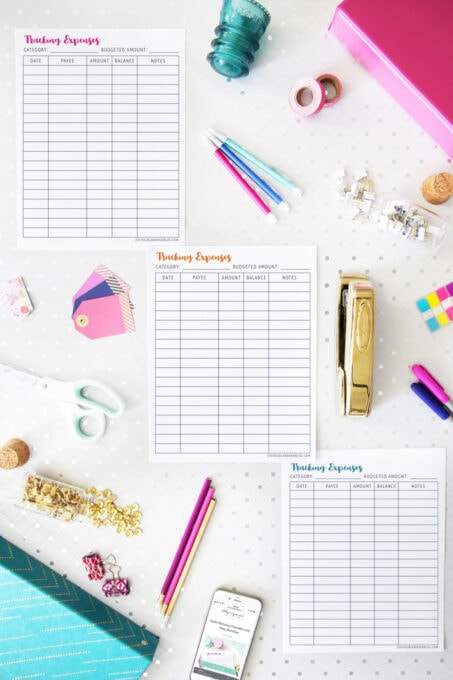
The heart of the binder is the monthly tracking sheet. This is the "checkbook register" for the modern age, categorized by department (e.g., groceries, entertainment, fuel, utilities).
- The "Blank Slate" Strategy: For those new to budgeting, the creator suggests a "tracking-only" first month. By recording expenses without predefined limits for the first 30 days, users can establish a baseline of their true spending habits, allowing for more realistic budgeting in the second month.
- Real-time Balance: By maintaining a running total of spent versus budgeted funds, users always know exactly how much "open-to-buy" remains in their categories.
4. The Reflective Loop: Monthly Check-Ins
Perhaps the most overlooked element of financial planning is the retrospective analysis. At the end of every month, the binder includes a check-in page. This is where the "financial post-mortem" occurs:
- What worked well?
- Where did the budget fail?
- How can we pivot for the coming month?
This recurring cycle of review and adjustment is what differentiates those who struggle with money from those who master it.
Supporting Data and Financial Trends
Current economic indicators suggest that inflation and rising interest rates have made household budgeting more critical than ever. According to recent consumer sentiment reports, households that utilize a written budget are 30% more likely to pay off debt within a 12-month period compared to those who rely on "mental math."
The 2026 Budget Binder acts as a bridge between high-level financial goals and the granular reality of daily living. It addresses the "Sinking Fund" concept—the practice of setting aside small amounts of money each month for future, non-monthly expenses—which is essential for avoiding debt accumulation during unexpected life events.
Expert Perspective and Methodology
It is important to note that the creators of this system emphasize they are not professional financial advisors. The binder is a framework—a set of tools—rather than a guarantee of financial wealth. The methodology is rooted in behavioral economics: if you make it easier to track your money, you will naturally become more conscious of how you spend it.
"When Donnie and I take the time to sit down together and write out our financial goals, it puts us on the same page," the creator explains. This collaborative aspect is vital. Financial stress is cited as a leading cause of relationship friction; by standardizing the conversation around a physical binder, couples can shift the focus from blaming each other to solving the problem together.

Implications for 2026 and Beyond
The release of this binder signals a broader trend toward "analog wellness" in personal finance. As users grow fatigued by subscription-based financial apps and data privacy concerns, the move toward printable, paper-based systems offers a sense of ownership and security.
Practical Steps for Implementation
- Gather Supplies: A basic three-ring binder, dividers, and a reliable pen.
- Audit History: Review the last three months of bank statements to categorize spending.
- Define Priorities: Use the goal-setting sheet to identify the "Big Three" financial targets for 2026.
- Routine Maintenance: Dedicate 15 minutes every Sunday night to update the tracker and reconcile expenses.
Conclusion: Turning Intention into Action
The 2026 Budget Binder is more than just a set of free printables; it is a declaration of intent. By choosing to track, analyze, and manage their finances, individuals are taking the first step toward financial freedom. While the binder provides the structure, the ultimate success rests on the user’s ability to remain consistent.
Whether the goal is to pay off student loans, save for a down payment, or simply eliminate the stress of monthly bills, the system provides a clear path forward. As we head into 2026, the most effective financial move one can make is to stop wondering where the money went and start telling it where to go.
Disclaimer: The information provided in this guide is for educational and organizational purposes only. It does not constitute financial, investment, or tax advice. Always consult with a qualified financial advisor before making significant changes to your financial or debt-repayment strategy.