History is a tapestry woven from moments of cultural explosion, architectural triumph, and the indomitable spirit of human endeavor. July 21st serves as a unique anchor in this historical narrative, marking milestones that range from the fall of physical and ideological walls to the quiet, introspective genius of literature. On this day, we look back at the convergence of art, exploration, and urban legacy that continues to shape our modern world.
The Wall: A Monument to Unity and Artistic Defiance
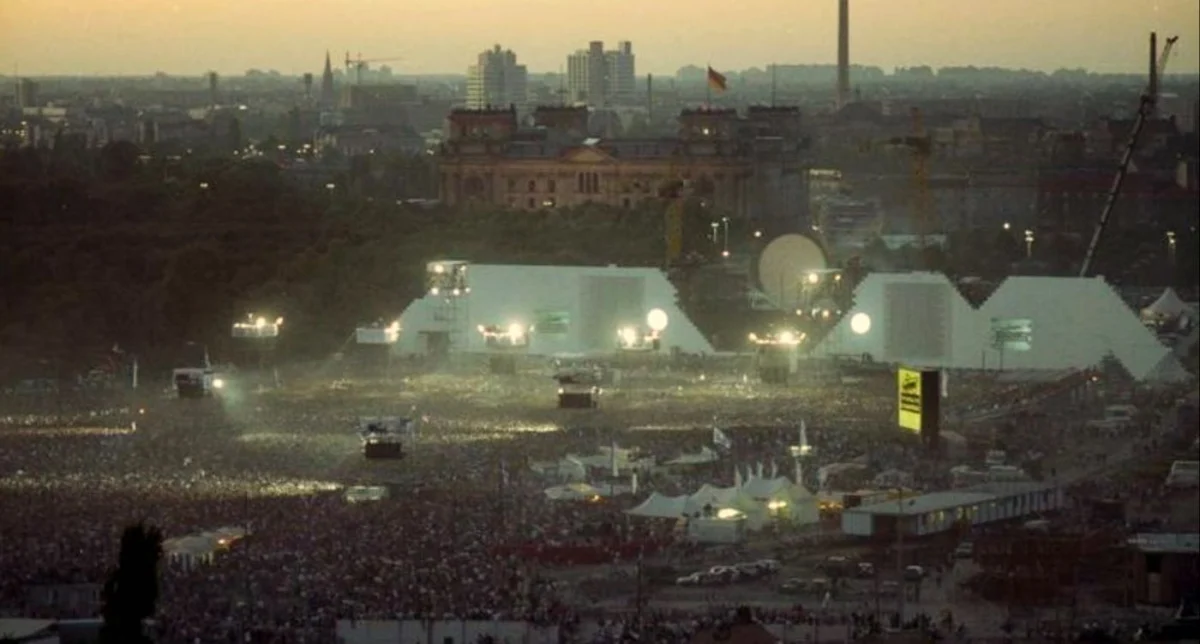
Thirty-six years ago, on July 21, 1990, the vacant lot between Berlin’s Potsdamer Platz and the iconic Brandenburg Gate became the stage for one of the most significant musical events of the 20th century. Roger Waters, the former creative force behind Pink Floyd, resurrected his magnum opus, The Wall, in a spectacular performance designed to commemorate the fall of the Berlin Wall just eight months prior.
The Staging of a Global Event
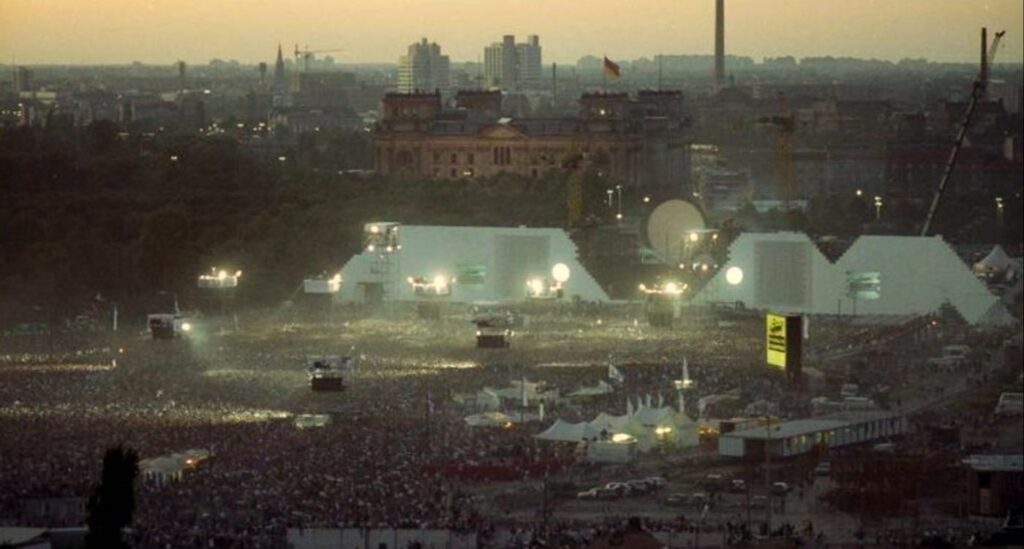
The concert was more than a mere musical performance; it was a theatrical exorcism of the Cold War era. A massive stage, anchored by a wall measuring 550 feet in length and 82 feet in height, dominated the skyline. While a portion of the structure was pre-built, the remainder was erected in real-time throughout the night, mirroring the progressive construction of the historical barrier that had once divided a nation.
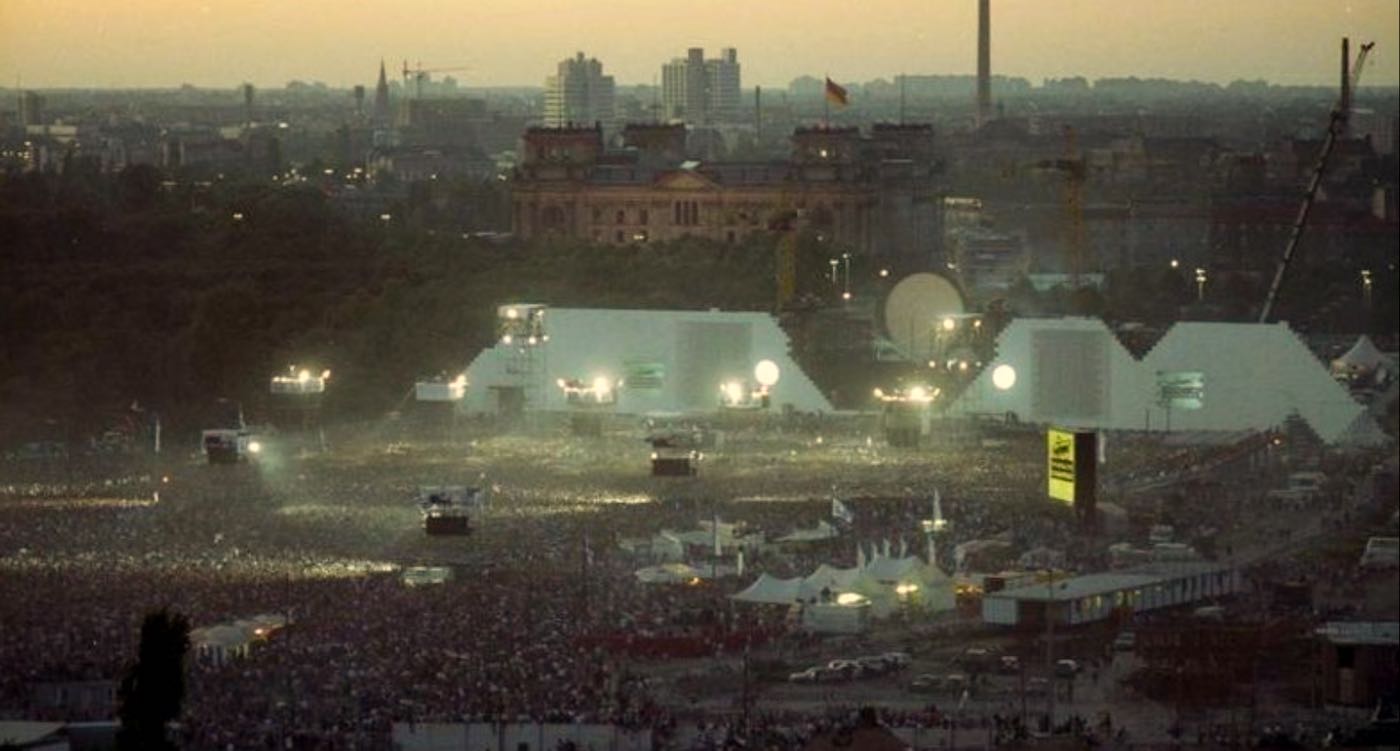
The production was star-studded, featuring a diverse array of musical titans, including Van Morrison, The Scorpions, Cyndi Lauper, Sinead O’Connor, Bryan Adams, and members of The Band, such as Rick Danko and Levon Helm. The narrative was bolstered by dramatic performances from Thomas Dolby as the teacher, Tim Curry as the prosecutor, and Albert Finney as the Judge. In a moment of poignant symbolism, as the audience chanted "Tear down the wall!" the massive structure was demolished, while footage of the actual Berlin Wall was projected onto the crumbling cardboard bricks.
Implications and Global Reach
The concert was broadcast to millions of viewers worldwide, serving as a beacon of reunification. Just as the performance began, authorities opened the gates, allowing an additional 100,000 people to flood the area, bringing the total attendance to a staggering 350,000. This event cemented the legacy of the original LP, which remains the third-largest-grossing album in United States history, and served as the definitive visual record of a changing Europe, released as The Wall—Live in Berlin.
Chronicles of Human Endeavor: The Circumnavigation of Erden Eruç
While history is often defined by collective action, it is also shaped by individual grit. Sixteen years ago, Turkish-American adventurer Erden Eruç achieved a feat of unprecedented endurance: the first human-powered circumnavigation of the globe.
A Journey of 41,000 Miles
Eruç’s journey was a masterclass in persistence, spanning over five years and 41,000 miles. His path crossed the equator twice, traversed every line of longitude, and passed over twelve pairs of antipodal points, meeting the stringent requirements set by Guinness World Records.
Eruç did not merely travel; he engaged in a continuous physical challenge. Starting his journey at the age of 41 after a decade in the American private sector, he founded the 501(c)3 non-profit "Around-n-Over." His ambitious itinerary included summiting the highest peaks on each continent he visited, including Kilimanjaro, Mount Everest, and Australia’s Mount Kosciuszko.
Technological Connection
Throughout his odyssey, Eruç remained connected to the world via satellite phone and email, providing regular updates to schoolchildren, scientists, and his family. His journey, which included being the first person to row across three separate oceans, serves as a testament to the potential of human willpower and the use of technology to bridge the gap between extreme adventure and global education.

Urban Legacy: The Genesis of Central Park
In the realm of civic planning, few dates hold as much weight as July 21, 1853, when the New York State legislature took the visionary step of designating 770 acres in the center of Manhattan for the creation of a public park.
The Architectural Blueprint
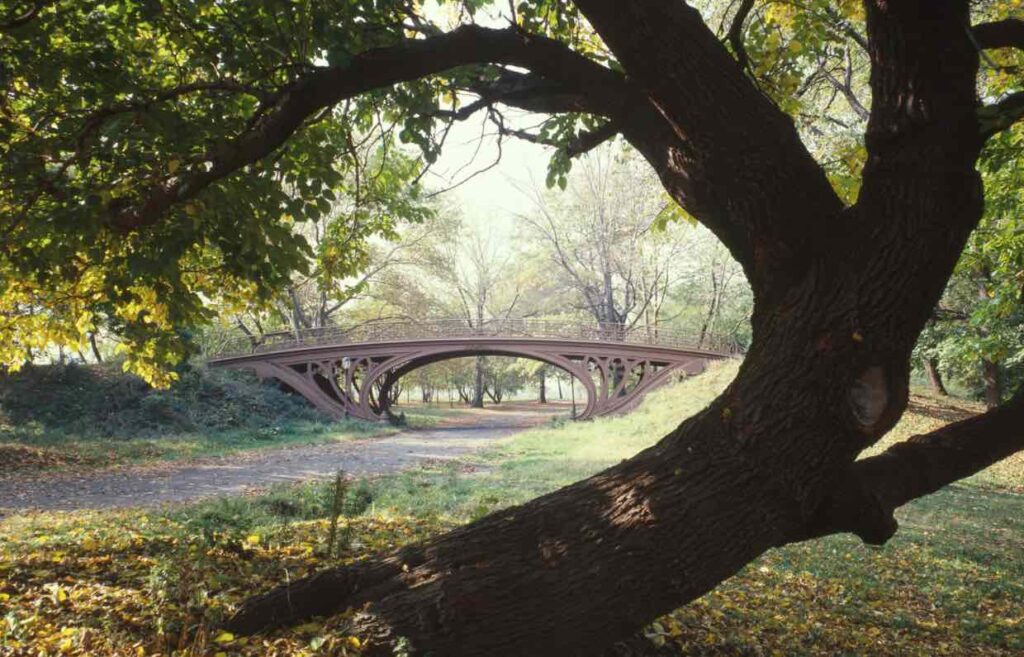
The design competition held in 1857 was won by landscape architects Frederick Law Olmsted and Calvert Vaux. Their "Greensward Plan" transformed the rugged, swampy terrain of central Manhattan into an oasis of calm. Vaux, in particular, left his mark through the creation of 36 unique, decorative bridges that serve as the park’s structural spine.
A Cultural Institution
Today, Central Park is a National Historic Landmark and the most visited urban park in the United States, welcoming over 42 million visitors annually. It has become an essential character in American culture, serving as the most filmed location in the world. From the serene Jacqueline Kennedy Onassis Reservoir to the bustling Delacorte Theater, the park functions as a living, breathing ecosystem that provides a habitat for hundreds of species of flora and fauna, proving that nature and urban density can coexist.

The Melodic Philosophy of Cat Stevens
July 21 also marks the 78th birthday of Yusuf Islam, the artist formerly known as Cat Stevens. Born Steven Georgiou in London, his life has been a profound journey of musical brilliance followed by a radical spiritual and philanthropic transformation.
Musical and Spiritual Evolution
Stevens defined the sound of the 1970s with timeless classics like Father and Son, Wild World, and Peace Train. His career was interrupted by a brush with death in 1976 when he nearly drowned off the coast of California. This event triggered a deep spiritual search, leading him to convert to Islam in 1977.
His transition was not merely personal but public. While he largely retreated from the pop music scene to focus on religious education and charity, his post-9/11 commentary was clear: he vehemently denounced extremism, noting that the Quran equates the murder of one innocent person to the destruction of all humanity. Through his charity, Small Kindness, he has utilized his royalties to support orphans and families in crisis-stricken regions across the globe, bridging his past as a folk icon with his present as a humanitarian.
The Rock Revolution: Appetite for Destruction
Thirty-nine years ago, the music industry was irrevocably altered by the release of Guns N’ Roses’ debut album, Appetite for Destruction.
A Cultural Shift
Emerging at the tail end of the "glam-metal" era, the band provided a gritty, authentic counter-narrative to the polished pop-metal of the 1980s. With tracks like Welcome to the Jungle and Sweet Child o’ Mine, the album became the best-selling debut in history, eventually moving over 30 million units worldwide.
The recording process was famously tumultuous, characterized by the starkly different work ethics of its members. While drummer Steven Adler tracked his parts in a mere six hours, Axl Rose’s perfectionism led to weeks of vocal recording. Despite the internal friction, the result was a definitive rock record that brought 1970s-style rebellion back into the mainstream.

The Iceberg Theory: Honoring Ernest Hemingway
Finally, we commemorate the birth of Ernest Hemingway in 1899. A giant of 20th-century literature, Hemingway introduced the "iceberg theory"—a minimalist writing style where the deeper meaning of a story lies beneath the surface, implied rather than stated.
A Life of Adventure and Tragedy
Hemingway’s life was as dramatic as his fiction. From his service as an ambulance driver in World War I to his experiences as a war correspondent in the Spanish Civil War, his personal history informed his greatest works, including A Farewell to Arms and For Whom the Bell Tolls.
However, his life was also marked by deep, inherited trauma. The suicide of his father, followed by his own struggle with mental health and a diagnosis of hemochromatosis, culminated in his tragic death in 1961. Despite the darkness of his final years, his literary contributions remain a cornerstone of American letters. His work continues to influence writers globally, serving as a reminder that the most profound human experiences are often found in the quiet, sparse spaces between the lines.

Reflection
From the fall of the Berlin Wall to the quiet contemplation of a Hemingway novel, July 21st represents the duality of the human experience: the drive to build, the drive to create, and the struggle to understand our place in the world. These milestones continue to resonate, reminding us that whether through stone, sound, or ink, our actions leave an indelible mark on history.