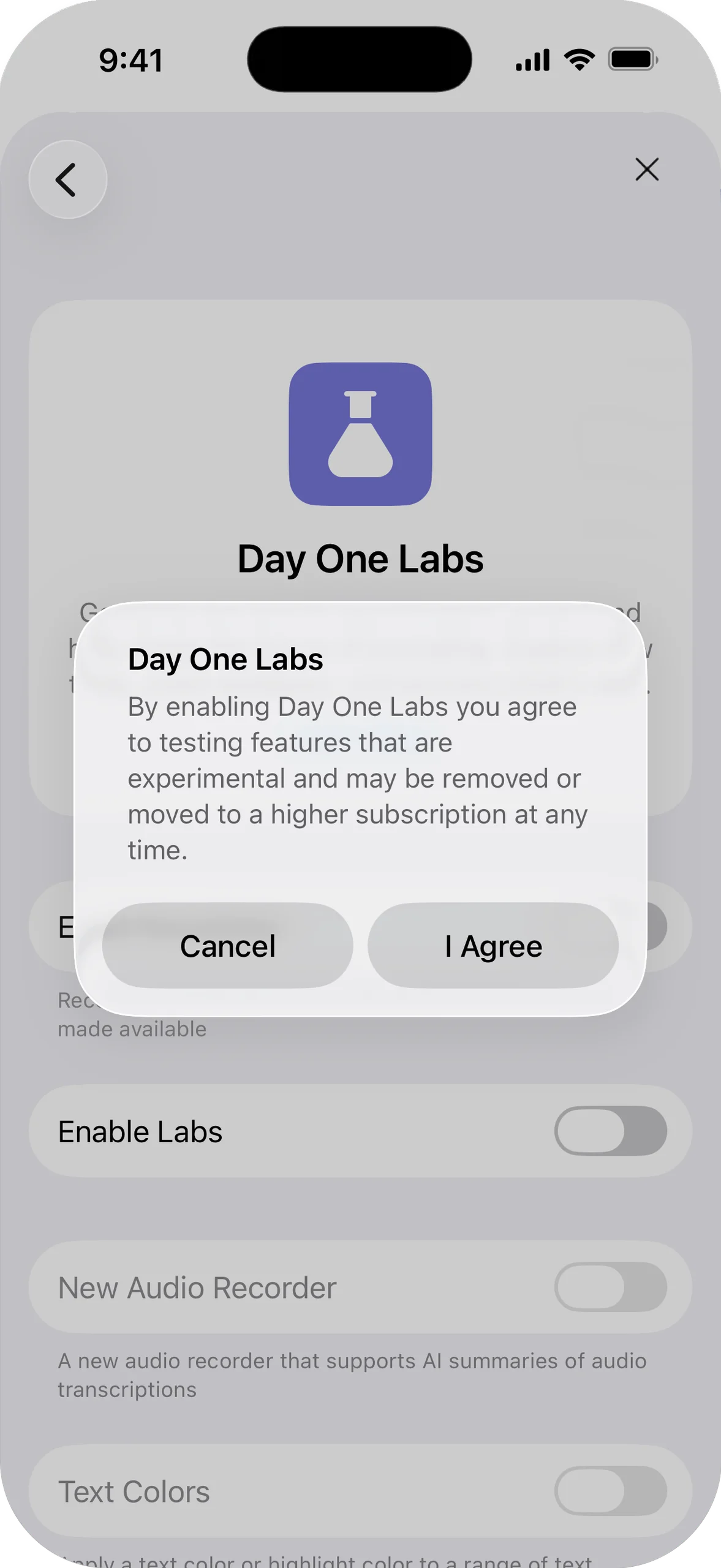
In a significant move toward restoring community trust and fostering collaborative development, the team behind the popular journaling application Day One has announced that its experimental “Labs” program is once again accessible to Silver-tier subscribers. This decision marks a pivotal reversal of policy, acknowledging the value of the user base in shaping the software’s future. For many, this return represents more than just a feature update; it is a reaffirmation of the company’s commitment to transparency and the belief that the best software is built alongside those who use it daily.
Main Facts: The Return of Labs
Effective immediately, Day One users with a Silver subscription—running version 2026.17 or later—can access the Labs portal at no additional cost. The Labs environment serves as a digital sandbox where experimental, unfinished features are tested before they are considered for a wider rollout.
This is not a new initiative, but rather a restoration of access that was previously restricted to Gold-tier subscribers following a restructuring in March. By reopening Labs to the Silver tier, Day One is inviting a broader demographic of their user base back into the development lifecycle. The company emphasizes that while features within Labs are inherently experimental, they serve as a vital testing ground for new tools—specifically those centered around the concept of "journaling out loud."
A Chronology of Policy and Feedback
To understand the significance of this update, one must look at the timeline of Day One’s subscription evolution.
- Pre-March 2026: Labs was a fixture of the Premium subscription experience, allowing a wide swath of users to engage with early-stage features.
- March 2026: The company introduced a tiered subscription model consisting of Silver and Gold. During this transition, Labs was moved behind the Gold paywall. This caused a degree of friction, as many dedicated Silver users who had spent months providing feedback on experimental features suddenly found themselves locked out of the very development processes they had helped foster.
- September 2026: Recognizing the frustration of its user base, the company issued a public acknowledgment of the error. The leadership team noted that the removal of Labs from the Silver tier was a "real loss" for the community, leading to the decision to reinstate access.
This period of transition serves as a case study in the risks of segmenting power-users from the development cycle. By limiting access to the most experimental features to only the highest-paying tier, the company inadvertently slowed the feedback loop, ultimately prompting a pivot to return to a more inclusive development model.
Supporting Data: Why "Journaling Out Loud" Matters
The current suite of tools available in Labs is heavily focused on audio-first journaling. The company’s internal data suggests that the "blank page syndrome"—the hesitation or mental block users feel when staring at an empty entry—is one of the leading causes of abandoned journaling habits.
The current Labs offerings include:
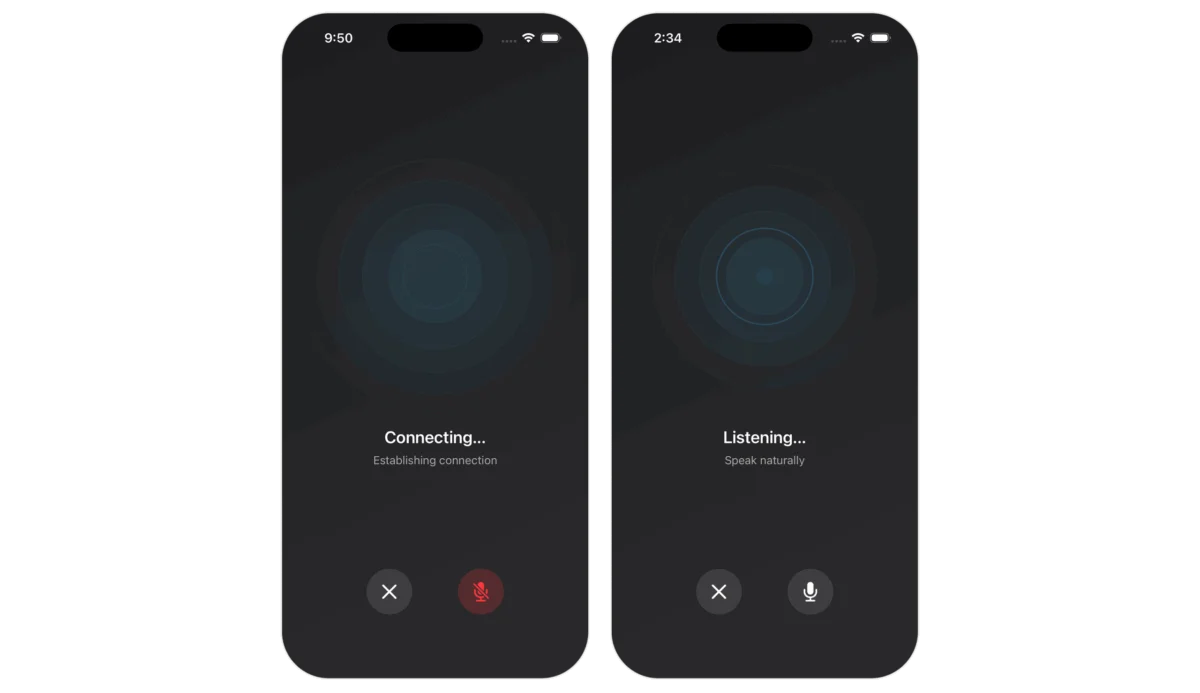
- New Audio Recorder (iOS/iPadOS): A ground-up rebuild of the audio capture tool that now includes AI-generated summaries. This is designed for the user who records a sprawling, six-minute monologue but struggles to recall the core themes or specific moments within that recording later.
- AI Format Transcription: This tool processes raw, spoken audio into structured text. It applies grammatical corrections, adds necessary punctuation, and suggests titles. The company emphasizes that the words remain the user’s; the AI serves only to make the transcription readable and searchable.
These tools are not meant to replace the written word but to act as a bridge. By making spoken entries as accessible and organized as typed ones, the company hopes to lower the barrier to entry for daily journaling, turning "raw transcription" into "meaningful memory."
Official Responses and Philosophical Shifts
In an official statement accompanying the update, Day One’s leadership articulated a philosophy that centers on the unpredictability of user behavior. "Day One has never been one thing," the company stated. "No two people use journals the same way, and the ways you use yours show us things we never designed for."
The response to the backlash regarding the March tier changes was notably candid. The company admitted that they heard their users "loud and clear" when they were criticized for removing access to Labs. This move is presented not as a promotional "perk," but as a structural necessity for the app’s longevity. By allowing hundreds—and eventually thousands—of users to stress-test features, the development team gains a clearer picture of whether a new tool is merely a novelty or something that truly belongs in a user’s life.
Implications: The Ethics of AI and Future-Proofing
The reintroduction of Labs also clarifies the company’s stance on Artificial Intelligence within a private journaling environment.
Privacy-First AI
The company has reiterated its privacy commitment: AI features are strictly opt-in. No data is used to train third-party models, and nothing is processed unless the user explicitly requests it. The company distinguishes between "Labs AI" and "Gold AI," noting that the global AI toggle in settings—which controls features like Daily Chat—remains a Gold-tier exclusive.
The "Graduate or Move" Framework
A key implication of this return is the clarity regarding the lifecycle of a feature. Day One has established a "Three-Touch" communication rule to ensure transparency:
- At Enablement: Users must acknowledge that features are experimental and subject to change or removal.
- In-App Labeling: Every Labs feature is clearly marked with a badge, ensuring users are never under the illusion that an experimental tool is a finalized, permanent part of the app.
- Graduation Notices: Before any feature moves from Labs to a permanent tier (or is retired), the company promises to provide clear, advance notice.
This framework is intended to prevent the "surprise paywall" experience that occurred in March. By setting these expectations early, the company aims to foster a relationship based on mutual agreement rather than corporate dictate.
Future Outlook: A Workshop, Not a Perk
Looking ahead, the Labs environment is positioned as a living, breathing laboratory. It is an active workshop where the primary goal is not to impress, but to iterate. The inclusion of a "Share feedback" button—which sends user reports directly to the developers—reinforces that this is a collaborative venture.
For the user, the implication is clear: the software is becoming more responsive to its community. By lowering the barrier for entry into the experimental tier, Day One is betting that the collective wisdom of its Silver-tier subscribers will result in a more robust, user-friendly, and durable product.
For now, the Labs program remains focused on the iOS and iPadOS ecosystems, with the company promising that when Android and Windows-based experimental features are ready, they will be introduced in their own time. This measured approach suggests a maturity in the development lifecycle, moving away from "feature-bloat" and toward meaningful, tested improvements.
Ultimately, the restoration of Labs to Silver subscribers is a testament to the power of user feedback. It serves as a reminder to the tech industry that when users are treated as active participants in the product development process, the resulting software is not only better engineered but also more deeply integrated into the lives of those who use it. As Day One continues to evolve, the "Labs" badge will remain a symbol of this ongoing experiment in digital memory-keeping—a collaborative effort between the developers who write the code and the users who write the history.